A discreet buyer’s guide to the backup cooling, humidity control, generator, and building-management questions collectors should ask before purchasing at Shorecrest Flagler Drive West Palm Beach.
For a collector, a residence is more than a place to live. It is a private environment for art, wine, rare books, watches, couture, design objects, and, at times, highly sensitive archival materials. In South Florida, the question is not simply whether a home feels cool on an ordinary afternoon. The sharper question is what happens when power is interrupted, humidity rises, or a mechanical system needs service during the season.
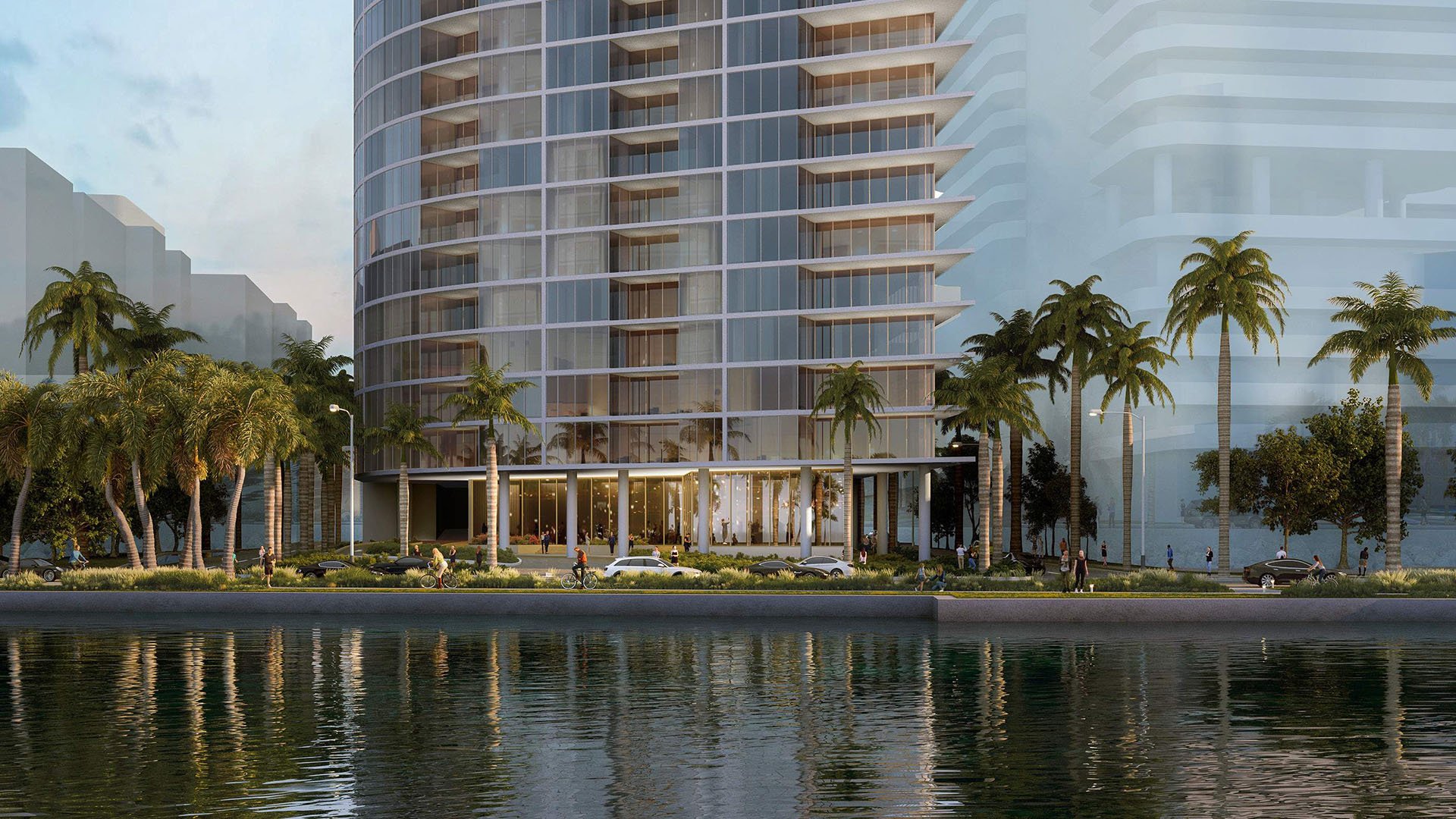
That is the right lens for buyers considering Shorecrest Flagler Drive West Palm Beach. Before signing, a collector should understand the building’s approach to backup power, cooling continuity, humidity management, and service response. The goal is not alarm. It is control. In a waterfront setting, especially in West Palm Beach, mechanical resilience can be as important as view, finish, and private outdoor space.
The best residences make comfort appear effortless. Collectors should look behind that ease and ask how the building protects temperature-sensitive rooms when conditions are less than ideal. The answers can shape interior planning, art placement, wine-room decisions, and the insurance or conservation protocols you keep in place.
Begin with emergency power. Ask whether backup power is designed to support any portion of residential air conditioning, or whether it is reserved for life-safety systems, elevators, corridor lighting, access control, pumps, and other common-area functions. Many buyers hear “generator” and assume full comfort continuity. That assumption should be tested in writing.
Ask which systems remain powered during an outage, how long fuel capacity is planned to support critical loads, and whether any in-unit cooling equipment is connected to emergency power. If the answer is partial, define partial. Does it support a dedicated collector’s closet, a wine room condenser, a server room, or only common infrastructure? If the residence allows customization, ask whether a separate conditioned storage zone can be designed with independent monitoring and emergency support.
Next, ask about transfer time. A collection may tolerate a brief interruption, but certain materials dislike prolonged swings in temperature and humidity. The conversation should cover generator start sequence, automatic transfer, restart behavior for mechanical equipment, and whether building staff receive real-time alerts if systems fail to resume properly.
Finally, ask for the practical chain of command. Who receives the alarm? Who can access the mechanical room? Who calls the vendor? What happens on a holiday weekend? For a serious collector, response protocol is not a back-of-house detail. It is part of the asset-protection plan.
The strongest answers are specific. A general assurance that the building has robust systems is less useful than a clear description of what is backed up, what is not, and what can be customized inside the residence. Ask for the mechanical narrative in plain language. You do not need to become an engineer, but you should know whether cooling is centralized, unit-based, water-cooled, air-cooled, or dependent on equipment with separate power requirements.
If you plan a wine room, ask whether its cooling equipment is treated as an appliance, a specialty system, or part of the residence’s mechanical design. Wine storage often needs tighter humidity and temperature parameters than ordinary living space. Art storage may require a different balance, with stable humidity, filtered air, and limited exposure to direct sunlight. Watch safes, archival paper, and certain leathers each introduce their own sensitivities.
Also ask about maintenance access. A beautiful built-in wall concealing a collector’s cabinet can become a problem if it blocks equipment access. The most elegant solution is planned early, when interior designers, mechanical consultants, and building guidelines can work together. In the luxury tier, preservation should be designed into the residence, not added later as a visible compromise.
Cooling alone is not preservation. Humidity is often the more subtle risk. Ask how the residence manages dehumidification during shoulder seasons, when the air may be humid but the thermostat does not call for heavy cooling. Ask whether the system can maintain a stable interior environment without overcooling the residence.
Placement matters. Avoid assuming that every wall is equally suitable for art. Direct sun, exterior walls, terrace doors, kitchen vapor, and return-air paths can all affect microclimates. If a balcony becomes an important part of daily life, consider how often doors may be opened and how that will affect nearby pieces. A collection plan should identify stable interior walls, shaded rooms, and any areas where UV protection, specialty glazing, or additional monitoring may be appropriate.
For buyers using the residence as a second home, remote visibility becomes essential. Ask whether the building permits smart environmental sensors, leak detection, low-temperature and high-humidity alerts, and remote notifications to an owner’s representative. If staff will enter during absences, clarify access procedures, vendor insurance, and documentation. Quiet competence is the luxury here.
West Palm Beach buyers are increasingly sophisticated about mechanical resilience because the market now includes a broader range of refined residential options. When comparing Shorecrest with Alba West Palm Beach, Forté on Flagler West Palm Beach, or The Ritz-Carlton Residences® West Palm Beach, keep the same diligence framework rather than relying on brand impression alone.
Ask each sales team the same questions. What does backup power cover? What cooling functions continue? How are humidity excursions detected? What are the owner’s options for dedicated collector zones? How are after-hours mechanical events handled? Consistency creates a cleaner comparison and helps prevent a polished presentation from obscuring operational differences.
This is where buyer’s guides should become personal. A buyer with a small contemporary art collection may need a different solution than one with a cellar-grade wine program or museum-level works on paper. New-construction opportunities can be especially useful when they allow early coordination between interior design and mechanical planning. The earlier you ask, the more discreet the solution can be.
Before deposits become meaningful, request written clarification of emergency power coverage, HVAC design assumptions, permitted owner upgrades, and maintenance responsibilities. Ask whether any proposed specialty cooling system requires association approval. Ask who maintains it, who pays for repairs, and whether installation affects warranties or building systems.
If you intend to insure major works or valuable collections, align the building answers with your insurer’s expectations. Some collectors keep temperature and humidity logs. Others require professional installation standards, leak detection, or alarm history. The residence should support that discipline without making daily life feel technical.
The central question is simple: can the home preserve what matters when conditions are imperfect? At Shorecrest Flagler Drive West Palm Beach, the right buyer conversation should move beyond finishes and views into infrastructure, monitoring, access, and accountability. That is where confidence is built.
Does a building generator always keep the air conditioning running? No. Emergency power may support only selected systems, so buyers should ask exactly which cooling components are backed up.
What should art collectors ask first? Ask how temperature and humidity are maintained during outages, service interruptions, and seasonal humidity swings.
Is humidity more important than temperature? Both matter, but humidity changes can be especially damaging to paper, canvas, wood, leather, and certain mixed-media works.
Should a wine room have separate backup cooling? It may be wise to ask whether a dedicated wine system can be independently monitored and supported during power events.
Can backup cooling be added after closing? Sometimes, but approvals, access, warranties, and building-system limitations should be reviewed before purchase.
What documents should a buyer request? Request clear written guidance on emergency power coverage, HVAC responsibilities, owner upgrade rules, and maintenance access.
Are smart sensors useful for collectors? Yes. Remote temperature, humidity, and leak alerts can help owners respond before a small issue becomes serious.
Does terrace use affect interior conditions? Frequent door openings can influence nearby humidity and temperature, especially around art, wine storage, and delicate finishes.
Should an interior designer join the cooling conversation? Yes. Designers can coordinate art placement, millwork, lighting, glazing, and equipment access with preservation in mind.
Is this diligence only for very large collections? No. Even modest collections benefit from stable conditions, thoughtful placement, and clear emergency protocols.
For a discreet conversation and a curated building-by-building shortlist, connect with MILLION.
If branded residences are on your mind — as a home or as an allocation — we would be glad to share what we are seeing, privately.
Begin a quiet conversation