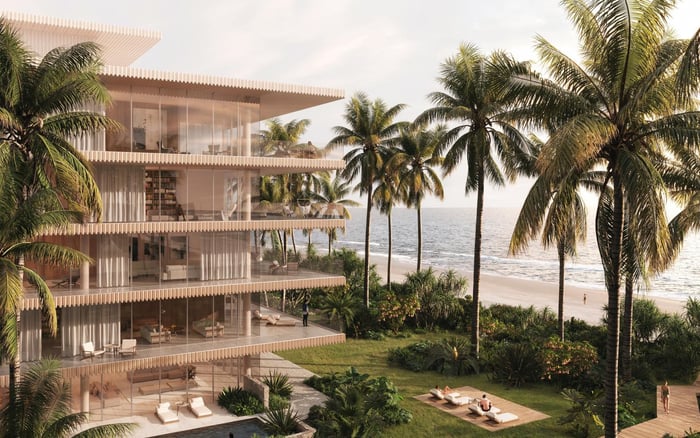
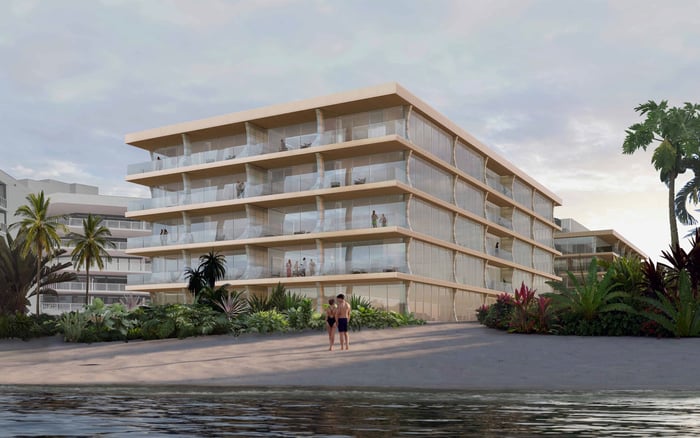
A discreet buyer’s guide to securing Palm Beach beach access while avoiding the daily friction of beach traffic, with guidance on location, timing, privacy, and lifestyle fit.
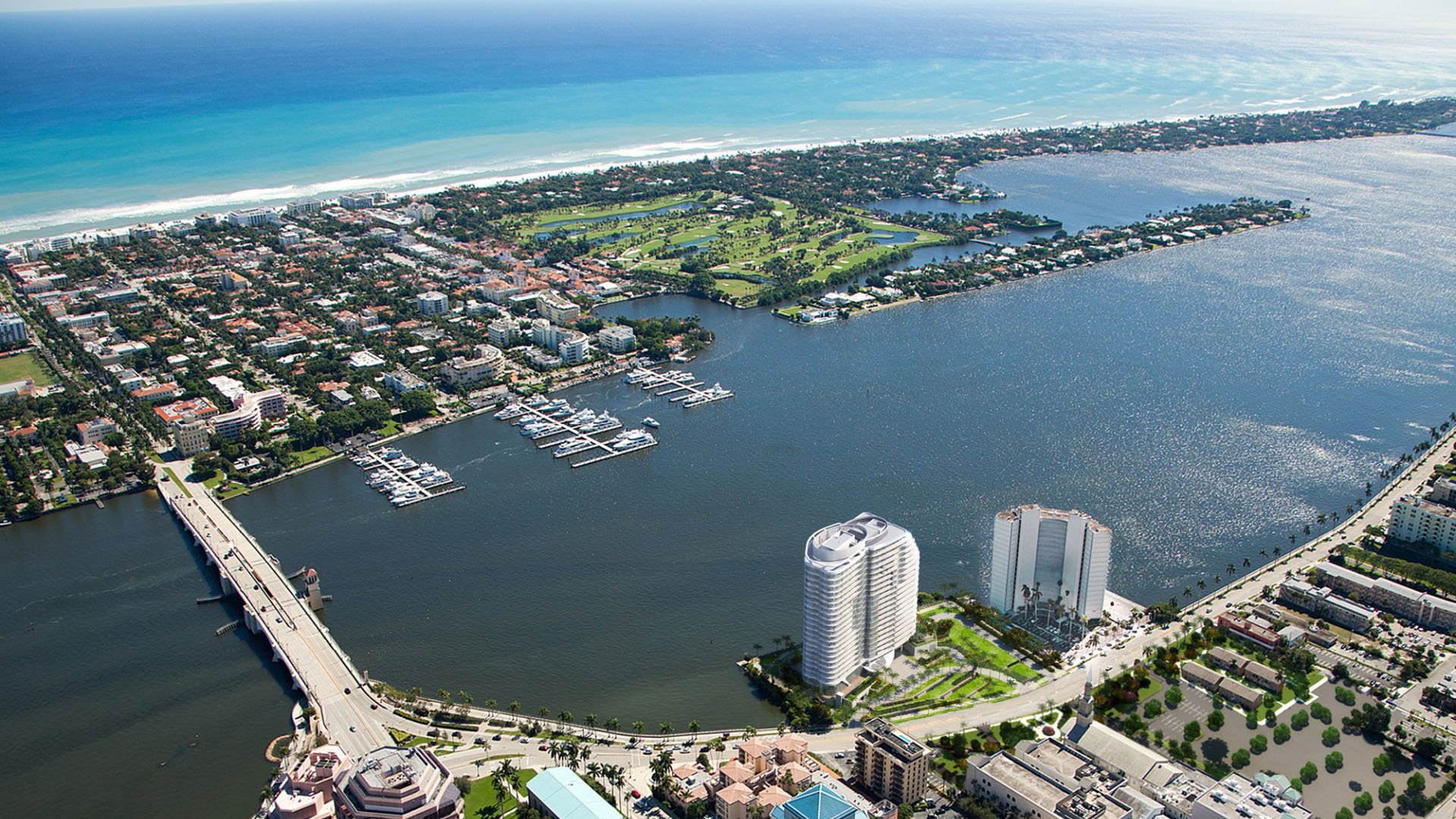
For many buyers, the dream is simple: live close enough to the ocean that the beach becomes part of an ordinary morning, yet far enough from the busiest arrival routes that the home still feels private in season. In Palm Beach, that is a nuanced search. Beach access is not merely a distance on a map. It is the choreography of leaving the residence, welcoming guests, managing service circulation, and deciding whether a quick walk to the sand feels like a serene ritual or a negotiation with traffic.
This is why the strongest Palm Beach search often begins with restraint. Instead of chasing the most visible ocean address, the more sophisticated buyer studies side streets, cross-island movement, building ingress, garage access, bridge proximity, and the rhythm of peak weekends. A home can sit near the beach while remaining insulated from the most obvious beach traffic. Conversely, an address with dramatic ocean language can feel busier than expected if it sits near heavily used public approaches.
This beach-access question is best understood as a lifestyle and waterfront decision, not merely a real estate category. The right fit depends on whether the buyer wants a year-round primary residence, a second-home rhythm, or a seasonal base with a low-friction lock-and-leave routine.
The first question is not, “How close is the beach?” It is, “How will I use it?” A daily swimmer, a family with visiting guests, and a couple who wants a sunset walk twice a week are buying different forms of access. The daily swimmer may value a quiet pedestrian route above all else. The entertaining household may care more about guest parking, delivery flow, and how easily visitors can arrive without disrupting the residence.
Palm Beach rewards buyers who test the routine at different hours. A morning walk can feel entirely different from a late-afternoon return. Seasonal weekends can reveal whether a route remains elegant or becomes constrained. If the beach is meant to be restorative, the approach should feel as considered as the residence itself.
For condominium buyers, the most relevant questions include elevator flow, garage entry, staff protocol, and the ability to return from the beach without crossing formal spaces. A refined residence should make casual coastal living feel effortless, not improvised.
Palm Beach offers the island experience: proximity to the ocean, established residential character, and a quieter, more contained feeling when the address is chosen carefully. West Palm Beach offers another kind of ease, with mainland convenience, dining, cultural access, and a short connection to the island lifestyle without requiring every errand to involve island movement.
That distinction matters for buyers who want beach access without beach traffic. Some will prefer an in-town Palm Beach setting where walking replaces driving. Others may find that a West Palm Beach residence provides a better daily balance, especially if they want access to the island but prefer to avoid living directly within its seasonal circulation patterns.
For buyers comparing this balance, Palm Beach Residences frames the appeal of an island-oriented search, while Forté on Flagler West Palm Beach sits naturally in the conversation for those weighing a Flagler Drive lifestyle with proximity to Palm Beach. The correct answer is not universal. It is a matter of how often one wants to cross, walk, host, and retreat.
In Palm Beach, the most valuable form of beach access can be discreet rather than dramatic. Buyers often focus on ocean frontage, but a quieter side-street position may deliver a more livable experience if it offers an easy path to the sand while preserving residential calm. The side-street premium is about privacy, not compromise.
Look for streets where the approach feels local rather than destination-driven. Observe whether cars slow to search for beach parking, whether pedestrians cluster near access points, and whether service and delivery circulation is predictable. The right street should feel composed even when the island is active.
This is especially important for buyers who entertain. A residence may be elegant inside, but if the arrival experience is congested, the home loses some of its grace. In the ultra-premium market, privacy begins before the front door.
For condominium buyers, beach access without traffic depends heavily on building design and operations. The question is not simply whether the building is near the beach. It is whether the building absorbs the practical details of beach living. Where are sandy feet handled? How does one move from garage to residence? Is there a comfortable separation between service flow and owner arrival? Does the staff understand seasonal pacing?
Buildings that feel calm at the porte cochere, in the lobby, and at the garage entry tend to preserve value in daily use. Buyers should visit during ordinary hours and peak windows, not only during a polished showing. A quiet lobby at noon may tell one story. A busy arrival period may tell another.
In West Palm Beach, options such as The Ritz-Carlton Residences® West Palm Beach and Alba West Palm Beach belong in a broader conversation about service, convenience, and access to the Palm Beach lifestyle from the mainland side. For some buyers, that combination is more practical than insisting on an island address at all costs.
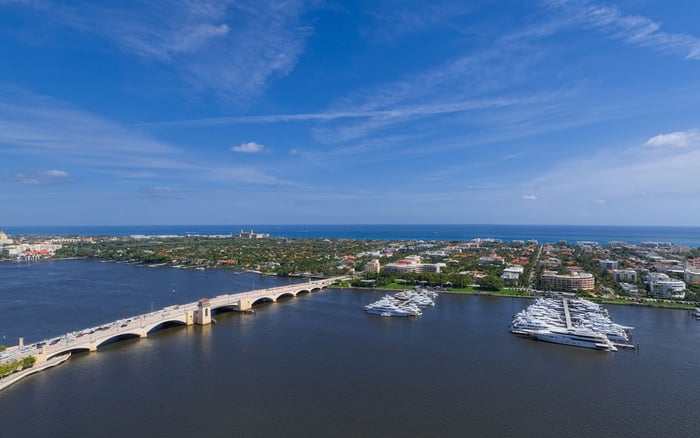
Traffic sensitivity in Palm Beach often comes down to bridges and timing. A buyer who expects frequent movement between the island and West Palm Beach should consider not only the nearest bridge, but also the alternative routes. If one route slows, is there another graceful option? Can errands be grouped to reduce crossings? Does the residence support walking to the daily essentials that matter most?
This is where lifestyle mapping becomes essential. Mark the beach, clubs, dining, schools, airport route, medical appointments, marina, and guest arrival patterns. Then imagine those movements in season. The right property will reduce unnecessary driving while preserving access to what makes Palm Beach desirable.
Buyers should also think in terms of thresholds. How much friction is acceptable for a five-minute beach walk? How much for a dinner reservation? How much for a spontaneous guest visit? A luxury purchase should lower daily resistance, not add ceremony to simple pleasures.
Not every buyer who wants Palm Beach wants to live directly in the busiest island corridors. Some prefer a residence that allows them to participate in the island socially while retreating to a calmer mainland address. Others want the ocean close, but not the full intensity of seasonal island circulation.
That is why the strongest searches often include a disciplined comparison set. A buyer may tour island residences, Flagler Drive condominiums, and select West Palm Beach offerings in the same week. The goal is not to dilute the search. It is to understand which version of access feels most natural.
A residence such as The Berkeley Palm Beach can be considered in that broader Palm Beach orbit, particularly for buyers prioritizing convenience and a refined base near the island. The most successful purchase is the one that aligns the emotional draw of the beach with the practical cadence of daily life.
During showings, resist the temptation to evaluate only finishes, views, and amenity rooms. Instead, perform a practical walk-through. Arrive as you would in real life. Park where you would park. Walk the likely path to the beach. Return with the mindset of someone carrying towels, sandals, or a small bag. Notice whether the experience still feels graceful.
Ask how guests arrive, how deliveries are handled, and whether staff coverage supports the way you live. If the home is single-family, study the driveway, garage, landscape screening, and relationship to nearby public access. If the home is a condominium, study vertical movement, elevator privacy, beach storage, and the feeling of the common areas during active hours.
The most telling detail is often not visible in a listing presentation. It is the ease of an ordinary Tuesday, the calm of a Saturday morning, and the confidence that the residence will remain composed when the island is at its most desired.
Is oceanfront always the best choice for beach access in Palm Beach? Not necessarily. A quieter side-street or nearby address can offer easier daily beach use with less exposure to destination traffic.
Should I consider West Palm Beach if I want Palm Beach beach access? Yes, if you value mainland convenience and want close access to the island without living directly within its seasonal circulation.
What is the most important thing to test before buying? Walk and drive the route you expect to use at different times of day, especially during active seasonal periods.
Do condominium buyers need to think differently than single-family buyers? Yes. Building entry, garage access, elevator flow, staff protocol, and beach-return logistics can shape daily enjoyment.
How can I avoid beach traffic without giving up the beach? Prioritize walkability, side-street calm, alternative routes, and residences where daily errands do not require constant driving.
Is a dramatic ocean view worth a busier location? It depends on your lifestyle. Some buyers prize the view, while others prefer privacy and a more effortless route to the sand.
What should seasonal buyers focus on? Seasonal buyers should focus on arrival ease, guest logistics, lock-and-leave simplicity, and how the area feels at peak demand.
Are quieter locations harder to identify online? Often, yes. The best test is physical experience, including walking the beach route and observing traffic near access points.
Should I buy on the island or the mainland? Choose the island for immediacy and atmosphere, or the mainland for convenience and flexible access to Palm Beach.
What defines the best Palm Beach beach-access purchase? The best purchase makes the beach feel natural, private, and easy while keeping the residence calm in daily life.
To compare the best-fit options with clarity, connect with MILLION.
If branded residences are on your mind — as a home or as an allocation — we would be glad to share what we are seeing, privately.
Begin a quiet conversation