A discreet guide for luxury buyers considering a sight-unseen purchase at Kempinski Residences through virtual reality, with a focus on Florida diligence, contract protections, financing friction, and the limits of immersive sales tools.
For global buyers evaluating branded residences from afar, virtual reality has become a practical first filter rather than a novelty. The appeal is clear. A well-produced immersive tour can convey proportion, circulation, ceiling-height cues, and the relationship between public and private rooms more efficiently than still photography alone. In a market like South Florida, where affluent purchasers often shop across borders and time zones, that efficiency matters.
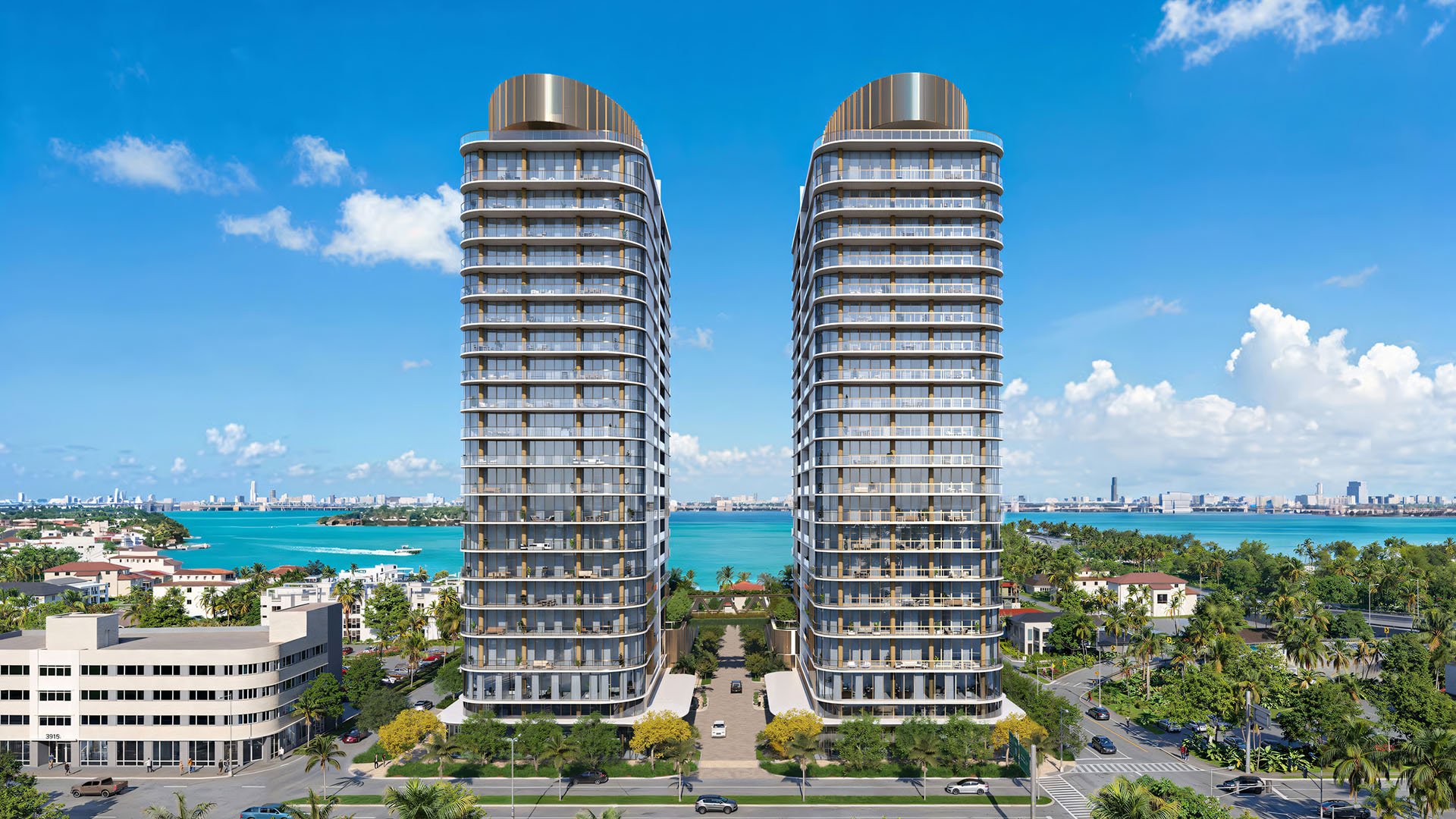
At Kempinski Residences, interest is further heightened by the brand’s positioning within a broader luxury hospitality platform and a heritage dating to 1897. That pedigree can inspire confidence in service expectations and lifestyle programming, particularly for second-home buyers accustomed to hotel-grade management. Yet even in the branded-residence category, the transaction itself remains governed by the same legal and operational realities that shape any Florida purchase.
MILLION Luxury views VR as a refined screening tool. It can narrow options quickly, clarify whether a residence warrants deeper review, and help buyers compare a branded offering against peers such as The Residences at Mandarin Oriental, Miami and St. Regis® Residences Brickell. But a polished headset experience should never be mistaken for conclusive proof of what will be delivered.
VR excels at visual order. It can reveal the logic of a floor plan, the placement of glazing, the sightlines from kitchen to salon, and whether a primary suite feels secluded or overly exposed. For out-of-market buyers, that can reduce unnecessary travel and sharpen decision-making before a private visit.
Its blind spots are equally important. Virtual walkthroughs do not fully capture the shifting character of light throughout the day. They rarely communicate ambient sound, wind conditions on a terrace, scent, or the tactile quality of stone, millwork, metalwork, and upholstery-grade finishes. A residence that appears serene in a digital environment may feel markedly different in person once acoustics, corridor activity, elevator timing, and neighboring construction enter the equation.
This matters across South Florida product types, whether a buyer is comparing a branded urban tower with 888 Brickell by Dolce & Gabbana, a waterfront statement such as 57 Ocean Miami Beach, or a more intimate collection like Rivage Bal Harbour. VR can help distinguish style and layout intent, but it cannot verify lived experience in full.
In Florida, buying sight-unseen does not lessen the buyer’s duty to perform due diligence. If anything, distance makes disciplined review even more important. Luxury buyers should focus less on how cinematic the virtual presentation feels and more on what the purchase agreement actually promises.
The essential questions are straightforward. Are renderings and virtual models expressly described as illustrative? Are room dimensions, views, finish packages, appliance brands, and amenity components subject to change? Does the agreement provide a meaningful right to inspect, object, and document deficiencies? In an as-is framework, a buyer who fails to negotiate clear protections may assume more risk than expected.
For pre-delivery or newly built residences, sophisticated purchasers generally want detailed specifications, finish schedules, development timelines, and language defining what happens if delivered conditions differ from the materials used in marketing. If the contract is vague, the virtual tour may create emotional certainty without legal certainty.
Dispute mechanics deserve similar scrutiny. Arbitration clauses, notice deadlines, cure periods, and remedy limitations can shape the buyer’s leverage after closing. In a branded environment, purchasers sometimes assume service culture will smooth over any disagreement. Sometimes it does. But the enforceable backstop remains the contract.
Buyers paying cash often have greater flexibility in a sight-unseen transaction because they are not waiting on a lender’s last-minute requirements. That convenience, however, can mask additional risk. Cash does not remove the need for inspections, punch-list verification, or local representation. It simply allows a buyer to move without financing friction.
Mortgage-funded purchases can be more procedural. Lenders commonly want final confirmation of the asset before disbursing funds, which may create timing issues if the purchaser is abroad or if access is constrained. For high-value transactions, that logistical layer should be mapped early, not days before closing.
Title insurance remains standard protection in Florida, but buyers should be precise about what it does and does not cover. It addresses title defects, not construction quality, finish inconsistency, or whether a delivered residence feels materially different from a VR model. Insurance can also be less forgiving when a claim relates to a condition that should have been discovered during proper inspection. That is one reason post-closing warranty language matters so much for newly built residences.
Warranty terms should be read with the same care buyers give to floor plans. Duration, exclusions, notice requirements, transferability, and repair procedures all matter. In a new-construction purchase, these clauses may become the practical remedy for issues that were invisible in a digital tour.
A refined purchase process is not anti-technology. It is simply layered. Begin with VR to eliminate obvious mismatches. Then request comprehensive plans, finish schedules, dimensions, appliance details, and written confirmations of any feature central to your decision. If a terrace depth, stone selection, or service component influenced your offer, it should appear in a legally meaningful way.
Next, appoint local professionals who can operate in real time. That typically includes counsel, an inspector or construction consultant when appropriate, and a trusted representative for walkthroughs. International buyers should also consider tax and reporting implications that no digital tour will resolve.
Finally, remember the resale horizon. Appraisals used later for refinance or resale generally rely on in-person inspection standards rather than dated marketing imagery. The residence ultimately has to perform in the physical world, not simply the virtual one.
For buyers drawn to branded ecosystems, the comparison set often spans multiple neighborhoods and service philosophies, from Kempinski Residences Miami Design District to Waldorf Astoria Residences Downtown Miami. The smartest acquisitions come from understanding that branding may elevate the experience, but it does not reduce the importance of legal precision, inspection discipline, and calm execution.
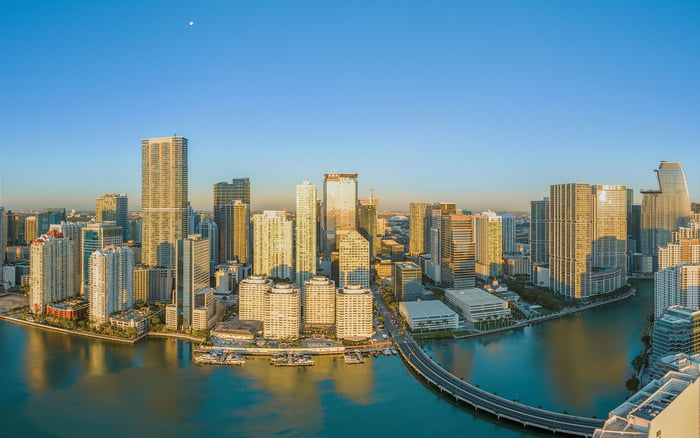
South Florida has been especially receptive to remote-selling tools because the market naturally serves international, second-home, and time-constrained buyers. Neighborhoods such as Brickell, Miami Beach, and Bal Harbour often attract purchasers who may commit serious capital before spending meaningful time on site. That does not make the process casual. It makes process design more important.
The mature luxury buyer knows that VR is best used to accelerate discernment, not replace it. In that sense, the technology aligns with high-end real estate itself: elegant when properly deployed, expensive when misunderstood.
Is buying sight-unseen at Kempinski Residences realistic for a luxury buyer? Yes, particularly for experienced cross-border or second-home buyers, but only when VR is paired with strong legal and inspection protections.
Can virtual reality replace an in-person walkthrough? No. It shows layout and flow well, but it cannot fully convey light, sound, smell, or material feel.
Are VR renderings contractually guaranteed? Not necessarily. Buyers should confirm whether the contract treats renderings and digital models as illustrative rather than binding.
What should I request before signing? Ask for detailed specs, finish schedules, timelines, dimensional information, and clear inspection rights.
Does an as-is purchase remove seller obligations? It can increase buyer exposure if protections are not negotiated carefully, especially in a sight-unseen transaction.
What does title insurance actually protect? It generally protects against title defects, not construction quality, finish discrepancies, or design expectations.
Are cash buyers in a stronger position? They can move faster, but they also assume more direct responsibility for verifying condition and delivery details.
Why can financing complicate a remote purchase? Lenders often require final verification or a walkthrough equivalent before releasing funds.
What matters most after closing in a new residence? Warranty language is critical because it can define your remedy for defects or incomplete items discovered later.
What is the smartest way to use VR in luxury real estate? Use it as the first stage of selection, then rely on contracts, inspections, and local advisors before closing.
If you'd like a private walkthrough and a curated shortlist, connect with MILLION Luxury.
If branded residences are on your mind — as a home or as an allocation — we would be glad to share what we are seeing, privately.
Begin a quiet conversation