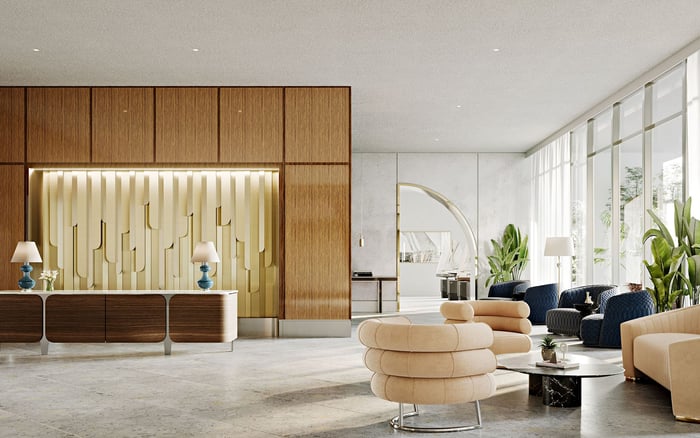
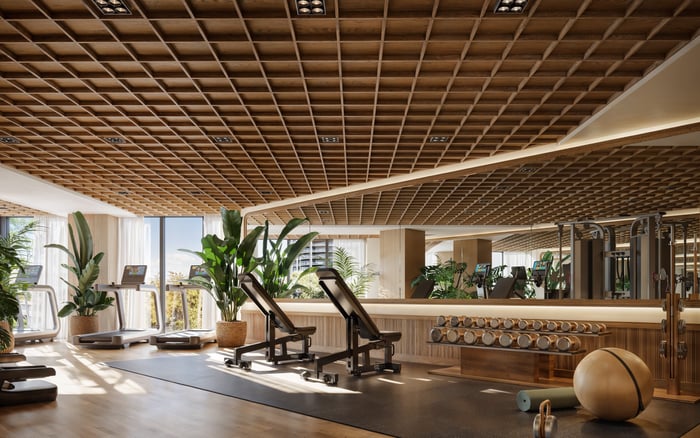
An inferential look at how a dedicated wine tasting room could shape lifestyle value, buyer appeal, and positioning at Mr. C Tigertail Coconut Grove for serious collectors.
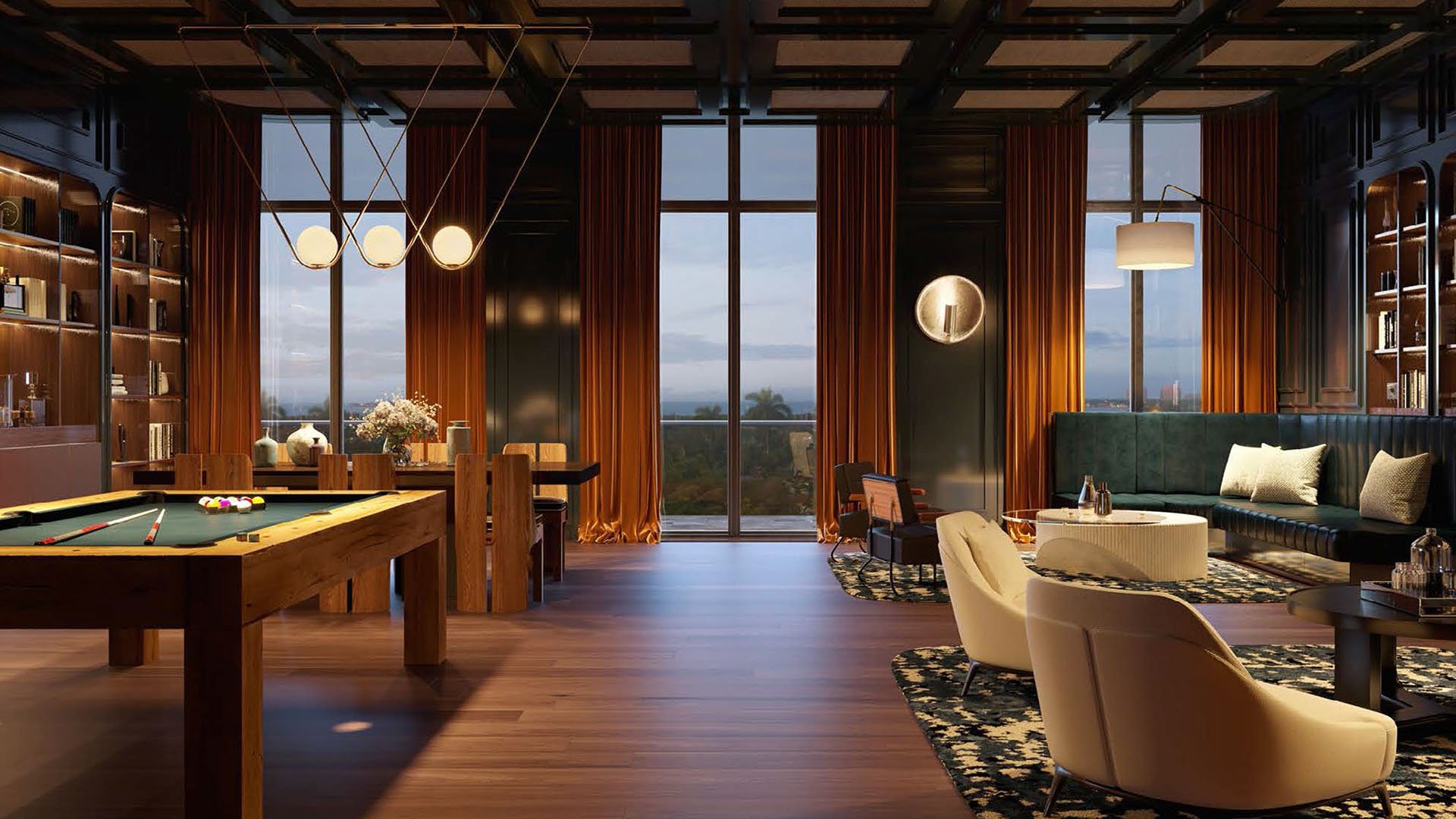
At Mr. C Tigertail Coconut Grove, the conversation around a dedicated wine tasting room is best understood as a matter of positioning rather than a simple checkbox amenity. The development sits in a part of Coconut Grove where buyers are not merely acquiring square footage. They are buying a private hospitality environment, a social setting, and a residence that can support the rituals of collecting.
Publicly disclosed information on wine-specific programming at Mr. C Tigertail Coconut Grove is limited, so the value discussion here is necessarily inferential. Even so, within the upper tier of South Florida real estate, wine amenities can serve as meaningful signals of curation. In homes and towers aimed at international buyers, entrepreneurs, and collectors, a tasting room suggests a style of ownership that blends preservation, entertaining, and service.
That distinction matters in the ultra-prime segment. In residences priced deep into the luxury bracket, buyers expect fitness, pools, and polished common spaces. A dedicated wine environment, by contrast, feels more personal and more selective. It is not a universal standard. It is a differentiator.
For a collector, the ideal wine room does not function as glorified bottle storage. It combines climate-controlled preservation, a setting for tasting, and operational support that allows the collection to be used rather than simply housed. In that sense, the amenity creates value on two levels.
The first is daily lifestyle utility. A well-conceived tasting room allows owners to host friends, entertain clients, stage intimate dinners, and build rituals around the collection itself. In a hospitality-minded project such as Mr. C Tigertail Coconut Grove, that type of amenity can feel especially coherent because service culture is already central to the broader residential proposition.
The second is market perception. In the $5 million-plus category, specialized amenities often sharpen buyer interest because they help a property stand apart from competing inventory. That does not mean a buyer will pay a perfectly measurable premium for every square foot devoted to wine culture. It means the residence may feel more complete, more collectible, and more aligned with a high-touch lifestyle. Those qualities can influence purchase decisions even when they do not translate into a neat one-for-one resale recovery.
This is where investment thinking should remain disciplined. Specialized amenities can improve first impressions and strengthen emotional attachment, but secondary-market performance is mixed. The amenity may help the right buyer say yes faster. It may not always return its full perceived value in a later sale.
A luxury audience knows that design alone is not enough. If a wine tasting room is meant to deliver real value, the collector-grade criteria are technical.
Temperature stability and humidity control are central considerations. Without those environmental fundamentals, an elegant room may still fall short of a serious collector’s standards.
Verification matters too. Sophisticated buyers tend to place more confidence in monitored and documented storage conditions than in decorative marketing language. That is especially relevant in South Florida, where heat, humidity, storm risk, and backup-power considerations carry greater consequence than they might in cooler climates. For collectors holding meaningful inventory, the questions are practical: How is the room insulated? What redundancy exists? How are conditions tracked? What insurance implications accompany in-building storage?
These issues separate a true amenity from a visual gesture. A room that looks cinematic but cannot sustain stable conditions adds atmosphere. A room that can preserve valuable vintages adds substance.
The value equation becomes more compelling in Coconut Grove, where the buyer profile already lends itself to private collecting. The neighborhood attracts affluent primary residents, global second-home purchasers, founders, and aesthetically minded buyers who often value quiet sophistication over overt display. In that context, wine is rarely just a beverage category. It is part of how a home functions socially.
That helps explain why a niche amenity can resonate here even without appealing to every purchaser. In a submarket where trophy residences often range from several million dollars into much higher territory, differentiation has real strategic value. A buyer comparing hospitality-forward offerings such as Four Seasons Residences Coconut Grove, Arbor Coconut Grove, or Opus Coconut Grove is not just judging finish packages. That buyer is assessing how each property supports a particular mode of living.
In this setting, a dedicated tasting room can be read as part of a larger luxury script: curated arrivals, discreet service, intimate hosting, and spaces that feel more like private clubs than generic amenity decks. For a collector, that narrative has genuine pull.
One of the strongest arguments in favor of wine-focused amenities at Mr. C Tigertail Coconut Grove is operational, not aesthetic. Hotel-integrated and hospitality-influenced developments often have an inherent advantage because staffing, event coordination, and service infrastructure are already embedded in the concept. That can elevate a tasting room from static real estate to an active lifestyle platform.
For owners, the difference is significant. A private tasting room becomes more useful when the building can support service flow, guest management, event setup, and a polished hosting experience. That makes the amenity more than a storage solution. It becomes a venue for private dinners, collector evenings, celebratory pours, and client entertainment.
This is also why wine amenities are usually strongest when bundled with a broader concierge culture instead of standing alone as an isolated niche feature. A collector may admire the room itself, but the lasting value comes from how seamlessly it integrates into everyday ownership.
In a market where branded and service-led projects compete intensely, that level of orchestration can matter as much as the room’s finishes. It is one reason buyers considering hospitality-rich options in nearby submarkets often focus on service ecosystems as much as architecture.
The clearest answer is that it can add meaningful perceived value, but not a guaranteed, formulaic premium. In the luxury and ultra-luxury bracket, wine amenities are often understood to influence buyer perception by a modest but noticeable margin when they are executed credibly. In trophy-positioning terms, that perceived uplift can be substantial, particularly when the room is paired with concierge capabilities and a broader identity of cultivated living.
Still, perceived value and realized resale value are not the same. A passionate collector may place outsized importance on a dedicated tasting room. Another equally qualified buyer may care far more about bay views, privacy, wellness programming, or marina access. That is why the amenity should be viewed as a selective value amplifier rather than a universal pricing engine.
For resale analysis, the prudent conclusion is straightforward: the strongest case for this kind of amenity at Mr. C Tigertail Coconut Grove is lifestyle enhancement and buyer differentiation. If the room is executed with true environmental rigor and service support, it can deepen the project’s relevance to collectors and elevate its identity within the new-construction landscape. But buyers should resist treating it as guaranteed hard-dollar appreciation.
For the right owner, a dedicated wine tasting room can be one of the most elegant forms of residential utility. It protects a collection, elevates entertaining, and introduces a rare layer of intimacy into a condominium environment. At Mr. C Tigertail Coconut Grove, that proposition feels particularly aligned with the building’s luxury-hospitality character and the social texture of Coconut Grove.
The most disciplined way to assess the amenity is to ask whether it delivers three things at once: preservation, experience, and service. If it does, the room is not a decorative extra. It is a meaningful extension of collector living.
Does Mr. C Tigertail Coconut Grove publicly confirm a dedicated wine tasting room? Publicly available detail on wine-specific amenities appears limited, so the value case is best read as an informed luxury-market assessment rather than a confirmed published specification.
Why do wine rooms matter in luxury condos? They can combine preservation, private entertaining, and status signaling in a way standard amenity packages usually do not.
Is a wine tasting room mainly about storage? No. The highest-value versions blend climate-conscious storage, tasting space, and service support.
What technical features should collectors prioritize? Stable environmental conditions, monitoring, backup systems, and credible operational oversight are the essentials.
Can a wine room increase property value? It can improve buyer perception and differentiation, though the exact pricing effect is highly market-specific.
Does this amenity guarantee better resale? No. It may strengthen appeal, but specialized amenities do not always produce full value recovery on resale.
Why is Coconut Grove a good setting for this feature? The area attracts affluent, design-conscious, and international buyers who often value private entertaining and curated lifestyles.
Does hospitality service make the amenity more valuable? Yes. Service infrastructure can turn a wine room from passive storage into a more usable hosting venue.
What climate concerns matter in South Florida? Heat, humidity, storm exposure, and resilience planning make technical performance especially important for collectors.
Who benefits most from a dedicated tasting room? Buyers with active collections, frequent entertaining habits, and an interest in concierge-supported living will see the most value.
To compare the best-fit options with clarity, connect with MILLION Luxury.
If branded residences are on your mind — as a home or as an allocation — we would be glad to share what we are seeing, privately.
Begin a quiet conversation