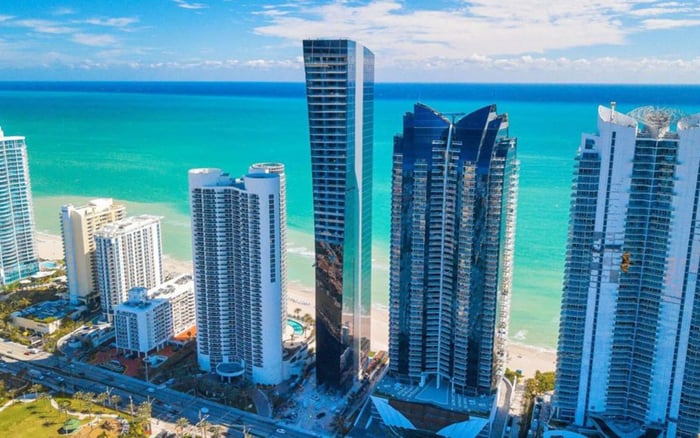
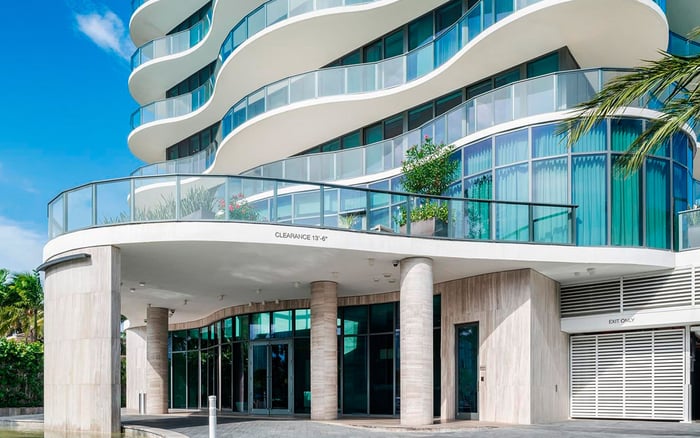
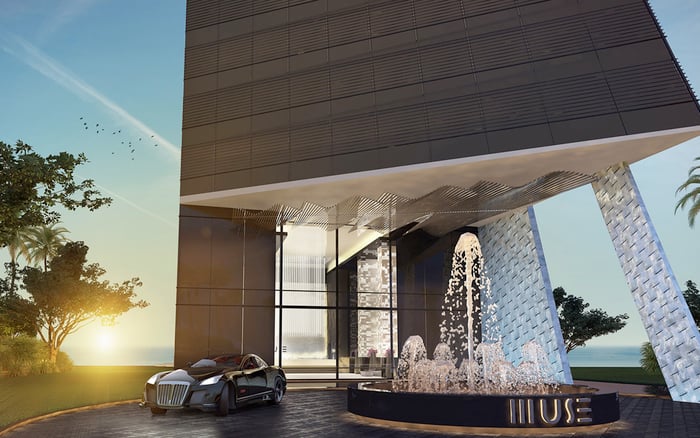
A practical comparison of Muse Residences Sunny Isles Beach and St. Regis® Residences Sunny Isles through service philosophy, privacy expectations, scale, and daily-use fit for ultra-premium South Florida buyers.
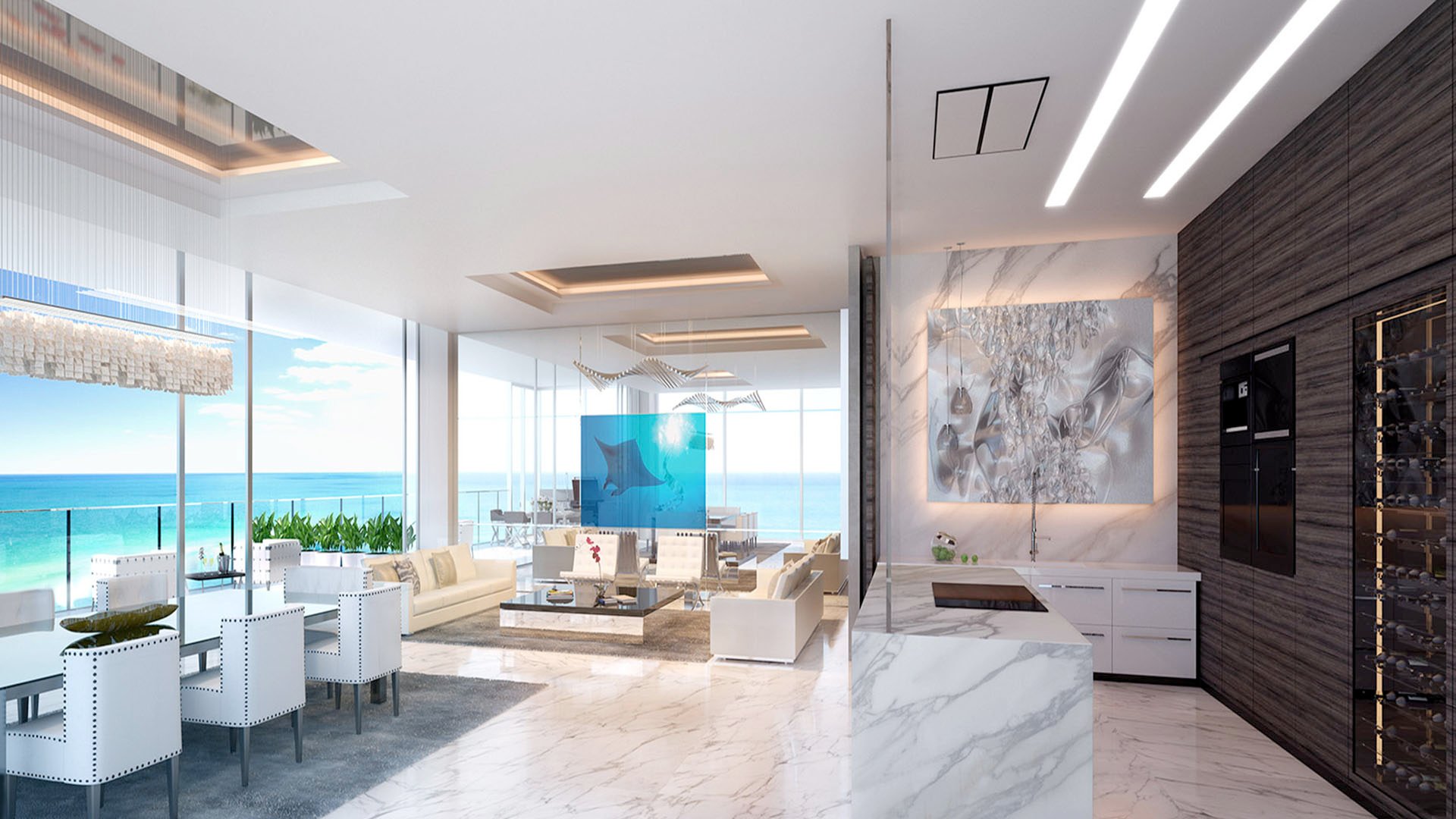
For ultra-premium buyers, the choice between Muse Residences Sunny Isles Beach and St. Regis® Residences Sunny Isles is not a simple contest of which name carries more weight. It is a question of fit. Both belong in the rarefied Sunny Isles Beach conversation, yet they answer different expectations around service, privacy, scale, and the rhythm of daily life.
That distinction matters because the most expensive residence is not always the most suitable one. A household that values a quieter, project-specific environment may read Muse Residences Sunny Isles Beach differently from a buyer drawn to the structure and familiarity associated with St. Regis® Residences Sunny Isles. The right answer depends less on headline luxury and more on how the home will function on an ordinary Tuesday morning, during a holiday week, or when family, staff, guests, and security protocols all converge.
In the Sunny Isles market, buyers often begin with views, finishes, and prestige. The more refined evaluation comes next, with a sharper question: which operating model makes the household feel most at ease?
Service is the core difference many buyers will feel first, even before they articulate it. Muse should be considered as a specific residential option with its own service and privacy profile, not as a generic luxury condominium on the ocean. For some buyers, its appeal is the possibility of a more project-defined experience, where the building’s identity is shaped by its own scale, resident culture, and day-to-day patterns.
St. Regis® Residences Sunny Isles, by contrast, belongs in the branded-residence conversation. For buyers who understand and appreciate a more codified service framework, that can be central to the attraction. The draw is not simply the name. It is the expectation that service will be organized, recognizable, and aligned with a broader hospitality vocabulary.
Neither approach is inherently superior. A principal who wants discretion, a light touch, and consistency without excess visibility may prefer one environment. A family office accustomed to formalized service standards and a recognizable service language may prefer the other. The smartest buyer does not ask which property is more luxurious. The smarter buyer asks which service philosophy will reduce friction in daily life.
Privacy in this segment is often discussed too broadly. For UHNWI households, it is not only about whether a building feels private in the abstract. It is about arrival sequences, guest movement, staff coordination, package handling, beach access behavior, elevator experience, and how often a resident feels observed while moving through the property.
Muse Residences Sunny Isles Beach belongs in this discussion because privacy is a primary buyer question in the comparison. Buyers considering it should think carefully about how the building’s specific personality aligns with their tolerance for visibility. Some residents want a quiet residential atmosphere where staff know preferences without turning every interaction into a formal service moment.
St. Regis® Residences Sunny Isles presents a different privacy question. Branded residences can be deeply appealing when the household wants a structured environment, but that structure still needs to match how the owner lives. A buyer should evaluate whether a branded service posture feels reassuring or too present. For some, the confidence of a recognized service system is exactly the point. For others, privacy means fewer layers between home and self.
The best privacy choice is the one that feels invisible to the people who live there.
Scale is one of the most important, and least glamorous, considerations in this comparison. It influences everything: how the lobby feels at peak hours, how quickly staff identify residents, how guest arrivals are absorbed, how amenities are shared, and whether the property feels calm or animated.
In oceanfront Sunny Isles, scale also affects how a residence behaves seasonally. A building may feel completely different during a quiet week than it does when families, visiting guests, service providers, and beach routines all intensify at once. The buyer who intends to use the residence as a primary home may have a different threshold than the buyer seeking a second home that performs beautifully during select months of the year.
Muse may appeal to buyers focused on a project-specific daily rhythm. St. Regis® Residences Sunny Isles may appeal to buyers who value a more defined branded-residence framework and the expectations that come with it. The real test is not a brochure comparison. It is whether the building’s scale supports the household’s preferred level of quiet, access, and predictability.
Predictability may be the most underrated luxury in South Florida condominium living. For a buyer with multiple homes, staff, advisors, visiting family, and security needs, predictability becomes a form of infrastructure. It means the morning routine feels the same. It means guests are handled without confusion. It means service is neither absent nor intrusive. It means the building understands how to support daily life without creating new work for the owner.
This is where the Muse versus St. Regis® Residences Sunny Isles comparison becomes practical. Buyers should map a full week in each imagined setting. How does the household arrive from the airport? How often will private staff enter? Will adult children and guests use the residence independently? Is the owner comfortable with a more recognizable service signature, or does the household prefer a quieter boutique sensibility?
The answer may also change by intended use. A full-time resident may prioritize calm repetition and intimate recognition. A seasonal owner may place more value on immediate service clarity after months away. An international buyer may prefer a service model that feels familiar from other branded environments. A privacy-first local buyer may be more sensitive to subtle patterns of movement and exposure.
Muse Residences Sunny Isles Beach is likely to resonate with buyers who want a distinctive Sunny Isles Beach address evaluated on its own terms. These buyers may be less interested in a broad brand promise and more interested in how a specific residence, staff culture, and building personality align with their household. They may ask detailed questions about privacy, resident flow, and the way service appears in daily moments.
St. Regis® Residences Sunny Isles is likely to resonate with buyers who view a branded residence as part of the value proposition. They may want a clear service philosophy, a recognizable framework, and the comfort of a residential environment shaped by established hospitality expectations. For these buyers, brand structure is not noise. It is part of the operating assurance.
The neutral ground is important. Both buyer types are sophisticated. Both care about privacy. Both expect quality. The difference is in preference, not status. One household wants luxury to feel highly personal and lightly expressed. Another wants luxury to feel structured, polished, and legible from the first interaction.
Before deciding between the two, buyers should move beyond surface comparison and ask operational questions. How does the building handle everyday arrival? How will guests be announced and received? How visible is the service environment? How much structure does the household want from staff? How does the property feel during high-demand periods?
A buyer should also separate emotional appeal from practical fit. A name may inspire confidence, but it should still match the household’s way of living. A more project-specific residence may feel discreet and refined, but it should still meet expectations for coordination and support. The goal is not to be impressed on a tour. The goal is to feel quietly supported after ownership begins.
For ultra-premium buyers, the most revealing question is simple: if every detail worked as intended, would the residence feel calm, efficient, and private enough for the life you actually lead?
Is Muse Residences Sunny Isles Beach better than St. Regis® Residences Sunny Isles? Not universally. The better choice depends on whether the household prefers a project-specific privacy profile or a more branded service framework.
Is St. Regis® Residences Sunny Isles a branded residence? Yes, it should be evaluated as a branded-residence option whose appeal depends partly on service expectations and structure.
Is Muse Residences Sunny Isles Beach a generic Sunny Isles luxury condo? No. It should be considered on its own terms, with a distinct service and privacy profile.
Why does scale matter in this comparison? Scale influences lobby rhythm, resident recognition, shared spaces, arrival patterns, and the overall feeling of privacy in daily use.
Should buyers focus more on amenities or operating model? Amenities matter, but the operating model often determines how comfortable the residence feels after move-in.
Which property is better for privacy-first buyers? Privacy-first buyers should compare how each property manages arrivals, staff interaction, guest flow, and resident visibility.
Which property is better for buyers who value formal service? Buyers who value a recognizable service structure may find the St. Regis® Residences Sunny Isles proposition especially relevant.
Is predictability important for seasonal owners? Yes. Seasonal owners often benefit from service routines that remain consistent after long absences and during peak-use periods.
What is the biggest mistake buyers make in this comparison? The biggest mistake is treating the decision as a brand contest rather than a practical fit question for the household.
How should a buyer make the final decision? The final decision should reflect daily routine, privacy tolerance, service preference, and how the residence will actually be used.
To compare the best-fit options with clarity, connect with MILLION.
If branded residences are on your mind — as a home or as an allocation — we would be glad to share what we are seeing, privately.
Begin a quiet conversation