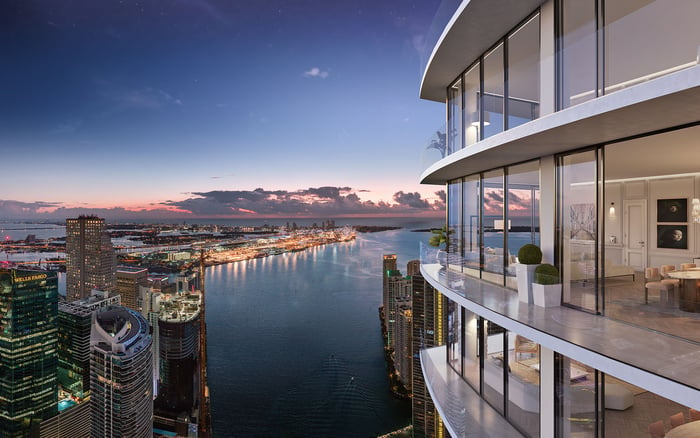
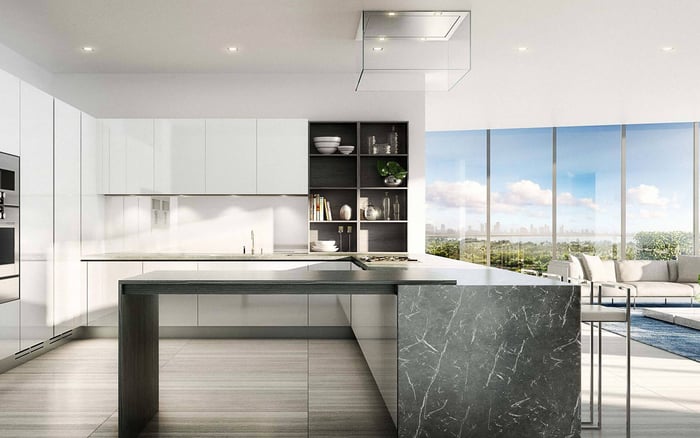
Across Miami’s most coveted neighborhoods, ultra-modern spec homes are reshaping what “move-in ready” means at the very top of the market. Built without a committed buyer, these residences emphasize architecture as a product: clean-lined massing, glass-forward living, outdoor rooms designed for year-round entertaining, and turnkey interior packages that feel curated rather than generic. For buyers, the appeal is immediacy and clarity. For builders, the bet is that design, construction quality, and neighborhood fit can outperform uncertainty. Here is what’s driving the surge and how to buy wisely.
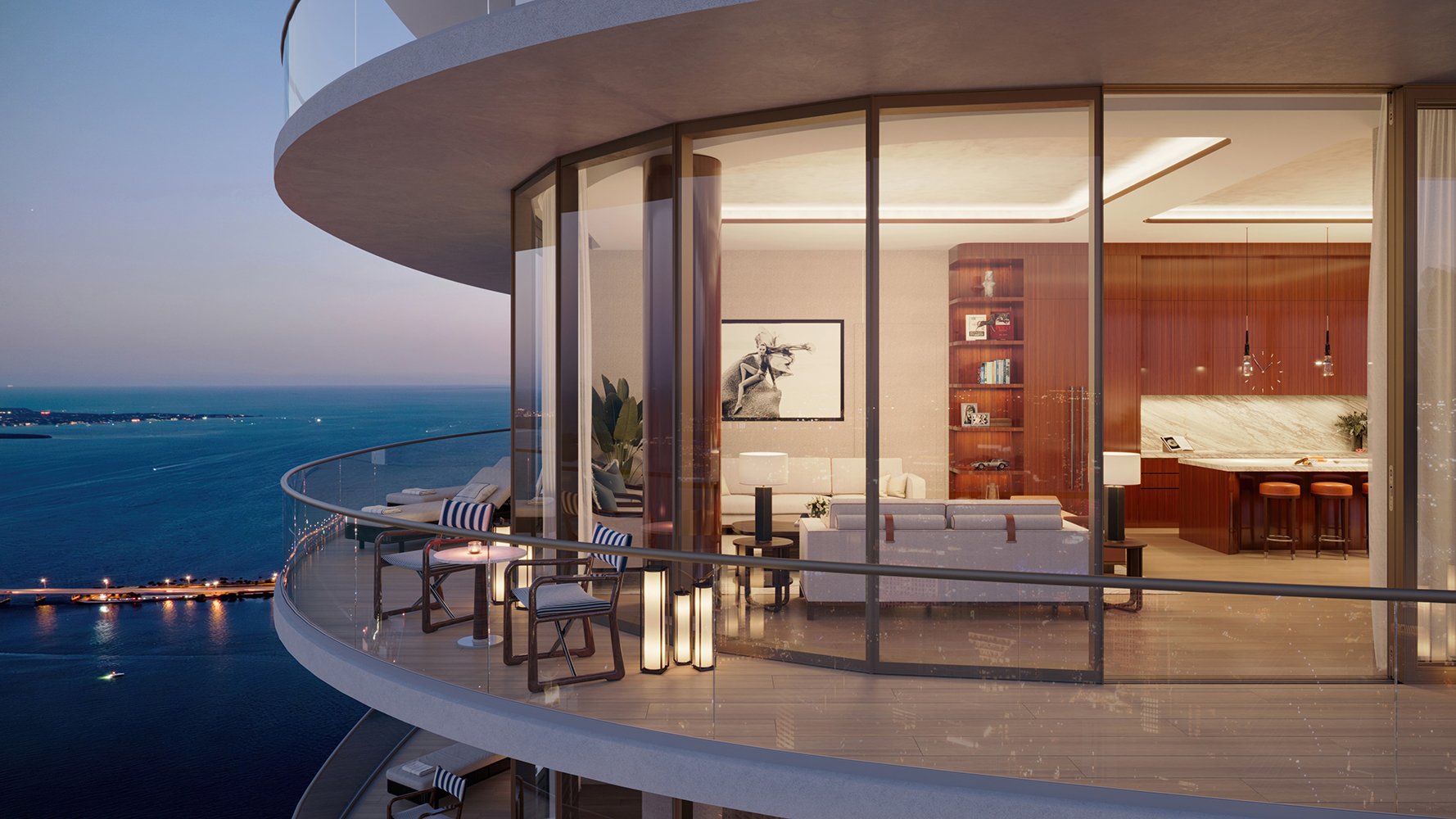
A decade ago, “spec home” could read like shorthand for compromise. In Miami’s ultra-luxury corridors today, it often signals the reverse: a decisive design-forward residence created for a buyer who wants immediate entry into a finished lifestyle. The modern spec mansion is less about hedging bets for an unknown purchaser and more about presenting a complete architectural point of view. You feel it in the entry sequence, in how corridors tighten and then open into volume, and in how the pool terrace composes with the primary suite after dark.
South Florida is unusually well-matched to this model. The climate rewards outdoor rooms that function like interior space, and it supports year-round entertaining. The buyer pool is also built for speed: global second-home owners, entrepreneurs, and relocators who often prefer a clear, finished product over a multi-year build. And in Miami’s most established enclaves, from Coconut-grove to Miami-beach, land is scarce. That scarcity makes each project a targeted move, not a volume exercise.
Still, “spec” has a precise meaning: the home is built without a signed end-buyer. That shifts risk onto the developer or builder, and that pressure has sharpened the best product. Top-tier spec projects are no longer generic contemporary boxes. They are curated, edited, and engineered to compete with custom builds, while offering an advantage custom rarely provides: certainty about the final look, feel, and timeline.
Ultra-modern architecture translates cleanly into a repeatable, financeable, and marketable product, without feeling mass-produced when it is executed at a high level. Several traits make it especially suited to speculative development.
First, legibility. Modern homes communicate quickly. Sightlines, ceiling heights, glazing, and indoor-outdoor flow are immediately readable in a single walkthrough. That matters when a buyer is making decisions on a compressed schedule or viewing remotely before arriving in Miami.
Second, neutrality with definition. Ultra-modern interiors can feel warm and livable while still projecting “new” and “design-forward.” When done well, the palette becomes a stable backdrop for art, cars, and collections. It can accommodate a range of personal aesthetics without forcing a buyer to unwind a prior owner’s taste.
Third, the way modern homes present visually. In today’s market, the first showing often happens through photography and video. Clean geometry, layered lighting, and landscape symmetry translate with clarity. That is why sophisticated spec developers invest heavily in staging, landscape maturity, and cinematic presentation.
Finally, modernism is a language with recognizable cues. A disciplined builder can execute those cues across a pipeline while still tailoring each home to its site: orientation, privacy strategy, and how the architecture addresses water, street, or garden.
In Miami, speculative building tends to cluster where three forces converge: enduring desirability, limited teardown inventory, and a buyer pool that prizes turnkey delivery.
Miami-beach remains a stage for bold architecture because the lifestyle is already established. For many buyers, the home is part of a broader rhythm that includes dining, wellness, and a social calendar that does not wait for construction schedules. A finished, brand-new modern residence can feel like purchasing time.
Coconut-grove offers a different register of luxury: quieter streets, layered greenery, and a more residential cadence. In that context, the strongest spec homes lean into privacy, texture, and a sense of retreat while still delivering the crisp modernism buyers expect. The goal is calm, not cold.
Brickell, while often associated with high-rise living, shapes the spec-home conversation in an important way. It raises expectations for turnkey operations, security, and high-finish interiors. Buyers who enjoy Brickell’s immediacy sometimes want a single-family home without losing the frictionless feel of luxury tower living. That pressure has pushed spec builders to deliver residences that feel effortless to operate.
Elsewhere in Miami-Dade, established residential communities can support spec development because neighborhood standards are already understood. A developer is not guessing what “fits.” They are competing against a known benchmark, and the best projects are positioned accordingly.
At the top end, a spec home is not simply a structure. It is a complete, pre-orchestrated way of living designed to reduce post-closing friction.
The first deliverable is spatial clarity. The strongest modern spec homes prioritize a main level that can hold entertaining, family life, and privacy at once. Buyers respond to circulation that feels inevitable rather than improvised. The kitchen is positioned for performance and visibility. Living spaces open cleanly to the pool terrace. Guest suites function independently when needed.
The second deliverable is an elevated outdoor program. In South Florida, outdoor space is not a bonus; it is the point. The best spec homes treat the exterior as architecture. Covered dining and lounge zones feel proportionate, not like afterthoughts. Outdoor kitchens are integrated, not tacked on. Landscape lighting reads as part of the composition. Privacy is engineered through planting, walls, and orientation.
Third is a finish narrative that reads intentional. Luxury buyers understand that some choices are subjective. They are far less forgiving when selections feel inconsistent. High-end spec succeeds when materials, fixtures, and lighting choices form a coherent story rather than a catalog of trending items.
Fourth is technology that is usable, not theatrical. Modern buyers want climate control, lighting, security, and audio that are reliable and intuitive. The strongest spec homes also preserve flexibility for personalization without forcing a full rewire or a disruptive retrofit.
Fifth is true move-in readiness. This goes beyond staging. It includes how the home performs: drainage, HVAC balance, door alignment, glazing seals, water pressure, and noise control. In a market where buyers may split time across several residences, the ability to lock and leave with confidence is part of the luxury proposition.
Spec development is not only an aesthetic trend. It is a financial and operational response to how the ultra-luxury buyer actually behaves.
Many affluent buyers value optionality. They may be relocating quickly, consolidating households, or purchasing ahead of a life change. For them, a multi-year custom build can feel like an open-ended project with an uncertain finish line. A completed spec home turns that uncertainty into a concrete choice: you can see what you are buying, and you can start living in it.
On the builder’s side, a speculative model can create efficiencies. Teams that specialize in a modern vocabulary refine details, vendor relationships, and sequencing over time. That repetition can improve consistency, which matters when a home is being built for a buyer who is not present to approve daily decisions.
The risk, however, is real. Material lead times can shift. Labor schedules can change. Permitting processes can vary. The strongest operators plan for these variables, build buffer into timelines, and focus on delivering a house that feels timeless enough to outlast short-term taste swings.
Evaluate a spec home the way you would evaluate a custom build you might have commissioned, then decide where your priorities genuinely sit.
Speed and certainty: A completed spec home offers immediate enjoyment and clear visibility into what you are buying. A custom build can provide deeper personal expression, but it typically demands patience, ongoing oversight, and a steady stream of decisions.
Design authorship: Custom can reflect your exact preferences. Spec can deliver an elevated vision when the developer has taste and discipline. Many buyers find they prefer selecting from a finished, coherent design instead of assembling thousands of micro-decisions across months.
Risk profile: With custom, you carry more exposure to timeline drift and cost variability. With spec, risk concentrates into due diligence. Your leverage is the ability to verify quality, permits, and execution before you close.
Resale logic: A well-executed modern home with strong proportions and a functional layout tends to appeal broadly, often more than a highly personalized custom project. When you buy spec, you are frequently buying a design already optimized for marketability.
When a spec home is exceptional, it can feel effortless. Your job is to confirm that the effort exists where it should: behind the walls, on paper, and in the accountability of the team.
Start with the principals. Identify the developer, builder, architect, and interior designer. Reputations matter, even without slogans. Look for a track record of completed homes that still present well months or years after delivery, not just on opening day.
Then focus on documentation. Confirm that the home has appropriate permits and approvals for its current state and intended use. Request a written list of materials and systems, including appliances, plumbing fixtures, smart home components, and exterior finishes. A luxury spec home should come with a clean, coherent specification set that matches what is installed.
Commission independent inspections. A polished staging package can disguise performance issues. A thorough inspection should examine roof and waterproofing strategy, drainage, glazing, mechanical systems, and any signs of water intrusion or settlement. In Miami’s environment, durability is not theoretical.
Ask about warranties and service. Ultra-modern homes often include complex details, from large-format glazing to exterior cladding and integrated lighting. Clarify what is covered, for how long, and who owns the post-closing relationship. The best developers run a service plan that feels closer to hospitality than to handoff.
Scrutinize the landscape and exterior program. In a high-end modern home, the exterior is functional architecture, not decoration. Verify irrigation, lighting zones, expectations around plant maturity, and how privacy is achieved. Weak outdoor execution can make a beautiful interior feel exposed.
You do not need to be an architect to evaluate architecture. A few practical cues can separate a strong modern spec home from a merely photogenic one.
Proportion: Modern homes rely on restraint. Overly aggressive geometry can age quickly. Look for calm massing, consistent lines, and windows that feel composed rather than scattered.
Light control: Floor-to-ceiling glass is compelling, but comfort closes deals. Notice how the home handles glare and heat through overhangs, setbacks, and orientation. A great modern home feels bright without feeling exposed.
Acoustics: Hard surfaces can amplify noise. A sophisticated spec home anticipates this with thoughtful material choices, spatial buffering, and an awareness of where sound will travel during entertaining.
Privacy strategy: In premier neighborhoods, privacy is an amenity. Look for entry sequences that shield interior views from the street, bedroom placement that avoids direct sightlines, and landscape design that builds layered screening rather than a single thin hedge.
Cohesion: The most expensive mistake in spec is incoherence. If the exterior reads minimal but the interior reads ornate, or if the lighting plan competes with the architecture, the home can feel like a set instead of a residence.
Even when a home is complete, contract details matter. If it is near completion, they matter more.
Clarify the punch list process. Define what counts as a defect versus an aesthetic preference. Set timelines for corrections, identify who is responsible for execution, and confirm that final completion items such as landscaping, lighting programming, or system calibration are included.
Confirm what conveys. Spec homes often include staging, art, or furniture that creates the emotional hook. Be explicit about what is included in the sale and what is excluded. If a furniture package is offered, evaluate it as you would any other high-value asset, with documentation and clear terms.
Align on closing readiness. Ensure there is a precise definition of “substantial completion” and a clear list of any certificates required for occupancy. Do not assume that a home that photographs as finished is administratively complete.
Plan for operational onboarding. Luxury homes have systems and routines. Request training, manuals, and a vendor list, from pool service to smart home support. The best purchase experience includes a smooth handoff that allows you to operate the home with confidence from day one.
While the current boom is focused on single-family-homes, South Florida’s luxury condo market has quietly raised the bar for what “turnkey” should feel like. Many buyers move between vertical and single-family living depending on season, family logistics, and security preferences.
That is why modern spec homes increasingly borrow from the strongest parts of condo living: clean arrival moments, discreet storage, hotel-like primary suites, and the sense that the home is ready to perform without constant management. For a reference point in the broader modern-luxury conversation, explore Five Park Miami Beach.
The spec home boom is not simply about more modern houses. It reflects an evolution in luxury taste within a market that values immediacy.
Expect the design conversation to get quieter. The next wave of ultra-modern homes is likely to prioritize material richness, craft, and softness rather than spectacle alone. Think warmer woods, tactile stone, and lighting that feels architectural instead of decorative.
Expect outdoor living to become more deliberate. The pool will remain central, but the most compelling homes will differentiate through shaded comfort, privacy choreography, and landscapes that feel established and intentional.
Expect smarter, calmer technology. Buyers want homes that behave, not homes that require constant tinkering. Simplicity and reliability will become a larger part of the luxury definition.
Expect buyers to become more exacting about build quality. As more modern spec homes enter the market, the difference between a striking concept and an enduring residence will be felt in small details: how doors close, how water moves, how the home weathers Miami’s conditions over time.
A great spec home can be one of the most private forms of luxury. There is no public design process, no visible construction timeline, and no parade of consultants. There is simply a finished residence where the architecture already knows what it is.
In Miami’s top neighborhoods, the winning formula is not modernism alone. It is modernism with restraint, durability, and a layout that supports real life. Whether you are drawn to Miami-beach energy, Coconut-grove calm, or a Brickell-adjacent pace that prizes immediacy, the same principle applies: buy the home that performs as beautifully as it photographs.
What should I ask first when touring an ultra-modern spec home? Ask who built it and who designed it, then request a written list of major materials and systems, plus clear terms for warranties and post-closing service.
How do I evaluate build quality without being a contractor? Hire an independent inspector familiar with high-end modern construction, and pay close attention to waterproofing, drainage, glazing, HVAC balance, and exterior detailing.
Is a spec home riskier than a custom build? The risk is different. Custom can carry more timeline uncertainty, while spec concentrates risk into verifying permits, execution quality, and the developer’s follow-through.
How can I protect myself when a spec home is still finishing? Define completion standards in writing, confirm the punch list process, and tie closing requirements to clear readiness milestones.
For tailored guidance on evaluating spec opportunities across Miami’s best enclaves, connect with MILLION Luxury.
If branded residences are on your mind — as a home or as an allocation — we would be glad to share what we are seeing, privately.
Begin a quiet conversation