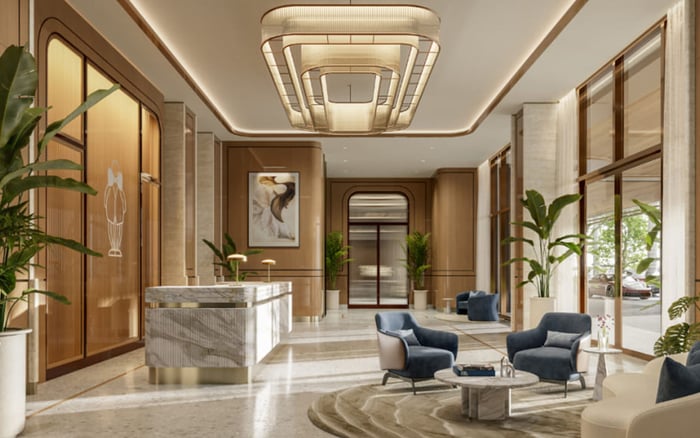
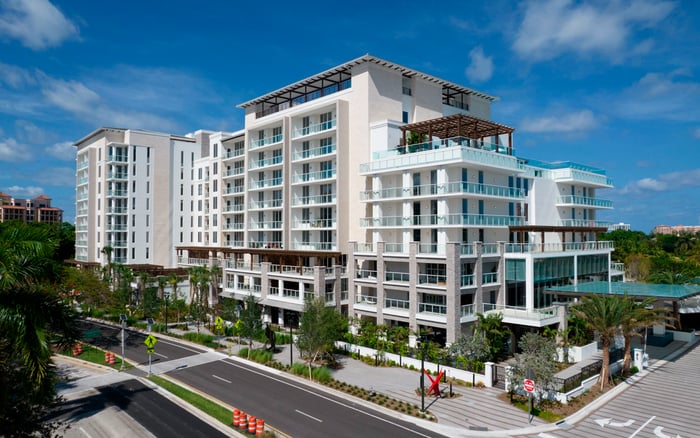
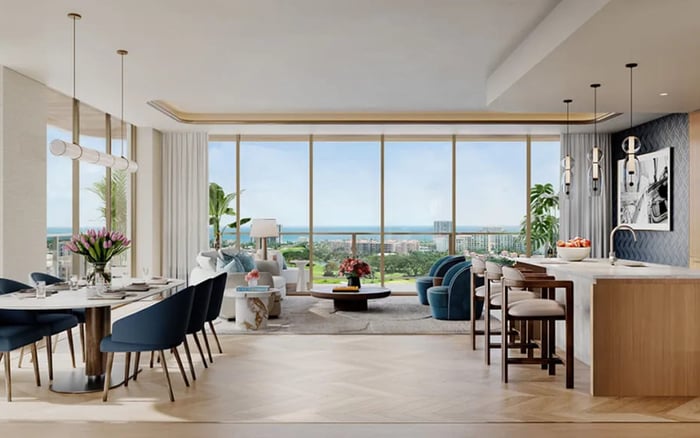
A buyer-focused comparison of Mr. C Residences Boca Raton and The Residences at Mandarin Oriental Boca Raton, examining how each brand approaches service, privacy, amenities, and everyday lifestyle tone for discerning owners.
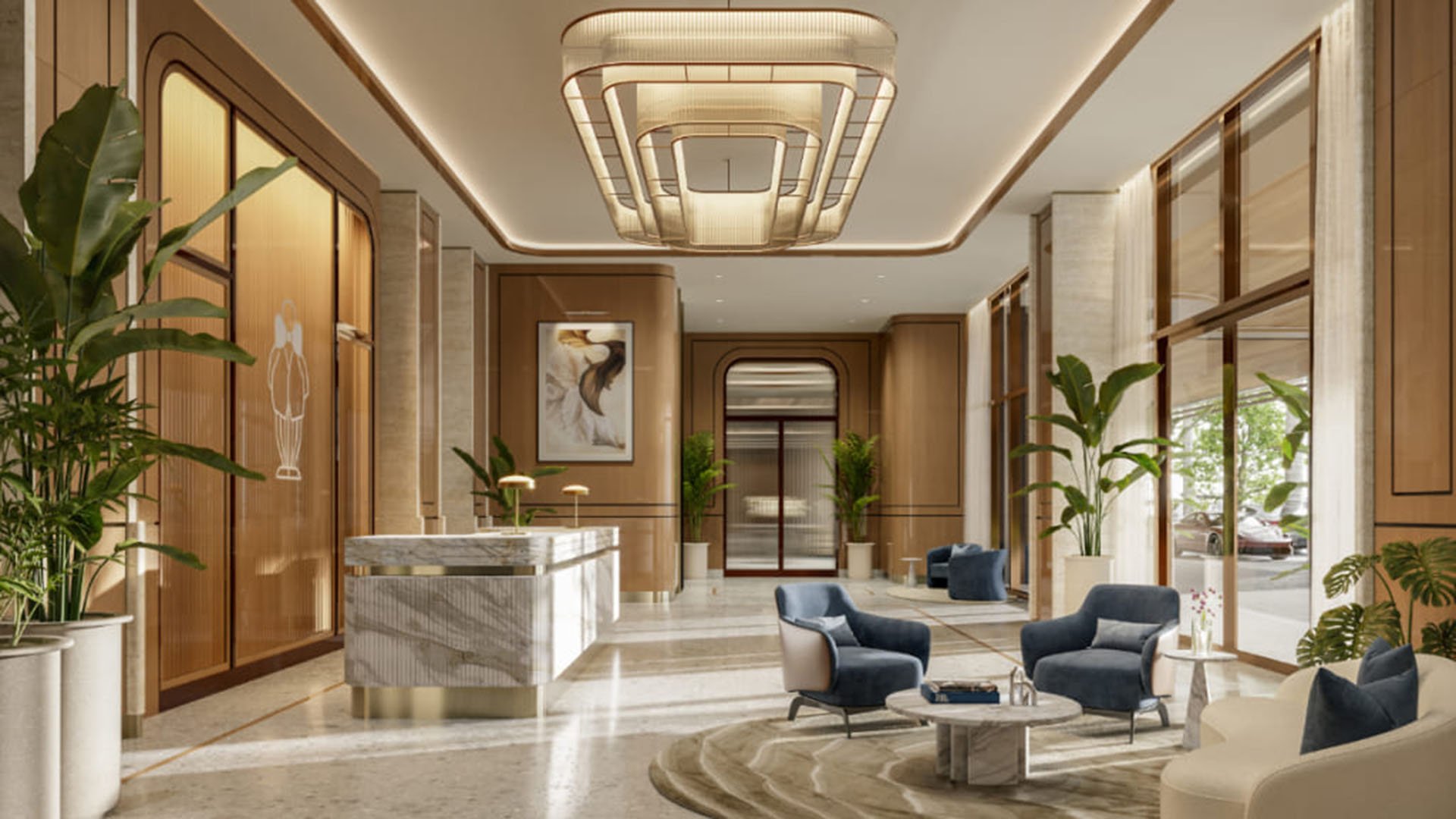
In Boca Raton’s upper tier, branded residences rarely compete on finish alone. The more meaningful distinction is subtler: how ownership feels on an ordinary Tuesday, not just during a perfectly staged sales presentation. In that sense, Mr. C Residences Boca Raton and The Residences at Mandarin Oriental Boca Raton offer two distinct interpretations of luxury.
Mr. C is positioned as intimate, European-leaning, and deeply personal in tone. Its identity suggests a residence that functions more like a private club than a broad hospitality platform, with service organized around relationships, discretion, and curated lifestyle assistance. Mandarin Oriental, by contrast, arrives in Boca Raton with the language of global luxury hospitality: anticipatory service, structured lifestyle management, wellness, gastronomy, and a more comprehensive service ecosystem.
For buyers weighing the two, the real question is not which name sounds more prestigious. It is which operating philosophy best matches the way they want to live.
Service culture is often the least visible but most decisive factor in a luxury residence. At Mr. C, the emphasis is on concierge-style assistance for travel, dining, and lifestyle arrangements, framed in a way that feels bespoke rather than procedural. The appeal is clear for owners who prefer to be known personally, not processed through a polished but standardized hotel framework.
That distinction matters. Boutique service often excels when a resident values continuity, nuance, and the sense that requests are handled by people who understand individual preferences without excessive formality. The Mr. C proposition suggests exactly that: relationship-driven hospitality with a more edited, club-like sensibility. Similar buyers are often drawn to residences where intimacy is part of the value equation, whether in Boca Raton at Alina Residences Boca Raton or in other low-visibility luxury settings where staff recognition matters as much as amenity count.
Mandarin Oriental approaches service from the opposite direction, and for many owners that is a strength rather than a compromise. Its model is hotel-trained, systematized, and deliberately consistent. The brand’s hallmark is anticipatory service, meaning the experience is designed to feel seamless, prepared, and globally legible. For a buyer who travels frequently and values continuity across branded environments, that has enormous appeal. The residence is not merely promising attentiveness; it is promising a fully articulated service culture with lifestyle management built into ownership.
In practical terms, Mr. C may feel warmer and more individualized in tone, while Mandarin Oriental may feel more comprehensive and operationally polished. Neither is inherently superior. The difference is between tailored familiarity and disciplined luxury infrastructure.
Privacy is one of the most overused words in luxury real estate because it means different things to different buyers. Some want literal separation from public activity. Others want staff systems that reduce friction and exposure without making the residence feel secluded. Here, the two Boca Raton projects again diverge in style.
Mr. C is described with private residential lobbies and separate owner entrances, reinforcing a sense of selective anonymity. The effect is one of low-visibility living, where arrivals and departures feel less performative and interaction with broader public traffic is reduced. That can be especially compelling for entrepreneurs, collectors, and buyers who simply do not want their home to function as a social stage. In this respect, Mr. C aligns with a wider South Florida preference for discreet luxury seen in more private-minded projects such as Glass House Boca Raton, where calm control of one’s environment often matters as much as design.
Mandarin Oriental also supports privacy, but through a different logic. Rather than emphasizing club-style exclusivity alone, its privacy framework is presented through residential-only access elements and separation between residential and hotel functions. This is an important distinction. The aim is not necessarily to create a hushed, members-only atmosphere. It is to ensure owners can enjoy branded hospitality while remaining buffered from the traffic, energy, and operational rhythms associated with hotel use.
For some residents, Mandarin Oriental’s version of privacy may feel more practical than romantic. It is privacy through systems, circulation, and operational design. For others, Mr. C’s more discreet posture may feel inherently more personal. In either case, exact privacy protocols are not publicly detailed in full, so the smartest buyers will want those distinctions clarified directly during the purchase process.
The emotional register of a residence often comes down to what happens beyond the front door. Mr. C’s amenity mix, including a private spa, wine cellar, and cigar lounge, points to a highly selective atmosphere. These are not simply check-the-box amenity statements. Together, they suggest a lifestyle built around retreat, conversation, ritual, and a certain old-world sense of leisure. The residence is speaking to owners who prefer edited spaces and a quietly social environment over broad, highly programmed activity.
That tone is especially appealing to buyers who want their home to feel insulated and cultivated. It is the difference between being entertained by one’s building and being quietly served by it. In South Florida, this selective approach stands apart from more overtly expansive lifestyle platforms. Even within the branded category, the contrast is visible when comparing hospitality-led communities elsewhere, from Mr. C Residences West Palm Beach to larger global luxury concepts that foreground broader programming.
Mandarin Oriental’s lifestyle identity is more cosmopolitan and more extroverted in the best sense. Wellness, gastronomy, and cultural programming are central to the ownership narrative. That means the building is not only a private residence but also a platform for a polished daily life. Residents drawn to that environment are often seeking more than discretion. They want a branded world around them: service, dining sensibility, wellness orientation, and cultural texture all working as part of one coherent experience.
This is where Mandarin Oriental may speak most clearly to internationally minded owners. The tone is less clubby, less inward, and more aligned with a globally recognized idea of sophisticated residential hospitality. For a buyer accustomed to premium hotel ecosystems in cities such as London, Hong Kong, or Paris, that consistency can feel reassuring.
The cleanest way to compare these two developments is to strip away the marketing vocabulary and focus on owner psychology.
Mr. C is likely to resonate with the buyer who values understatement over institutional grandeur. This owner may prefer staff who know preferences personally, spaces that feel edited rather than expansive, and an arrival sequence designed to minimize visibility. The appeal is deeply lifestyle-specific: privacy-conscious, experience-driven, and less interested in broad social programming.
Mandarin Oriental is better suited to the owner who wants a residence integrated into a larger luxury service architecture. This buyer values wellness, polished hospitality, global brand consistency, and the confidence that comes with a highly trained operating framework. They may entertain internationally, travel often, or simply prefer the assurance of a name associated with structured service and cultural sophistication.
There is also a tonal difference in how each property fits Boca Raton itself. Mr. C feels aligned with the city’s quieter, more privately affluent side. Mandarin Oriental introduces a more cosmopolitan layer, one that may appeal to buyers seeking a residence that feels immediately connected to global luxury culture rather than local clubbiness.
Luxury buyers often begin with finishes, views, or amenity lists. Yet in a comparison like this, the more sophisticated question is: how much structure do you want around your daily life?
If the answer is very little, provided it is beautifully handled, Mr. C makes a compelling case. Its promise is intimacy, discretion, and a tailored style of service that privileges subtlety. If the answer is quite a lot, provided it remains elegant and seamless, Mandarin Oriental stands out. Its proposition is fuller programming, stronger hospitality infrastructure, and a lifestyle that extends beyond the residence itself.
For that reason, this is not a contest between a better and a worse building. It is a study in two luxury temperaments. One is quieter, more club-like, and more inward. The other is polished, global, and more fully orchestrated. For the right buyer, either can feel inevitable.
Which residence offers a more boutique atmosphere? Mr. C presents the more boutique, relationship-driven atmosphere, with a club-like and discreet residential tone.
Which project feels more like a hotel-branded experience? The Residences at Mandarin Oriental Boca Raton align more closely with a structured, hotel-grade service model.
Is Mr. C better for privacy-focused owners? It may be, especially for buyers who value separate owner entrances, private lobbies, and lower-visibility living.
Does Mandarin Oriental still prioritize owner privacy? Yes. Its privacy approach is framed through residential-only access elements and separation from hotel functions.
How do the service styles differ most clearly? Mr. C emphasizes personal, concierge-led familiarity, while Mandarin Oriental emphasizes anticipatory, systematized hospitality.
Which development is more wellness-oriented? Mandarin Oriental places stronger emphasis on wellness, gastronomy, and cultural programming within the ownership experience.
What kind of amenities define Mr. C’s tone? Its private spa, wine cellar, and cigar lounge suggest a selective, intimate, and club-like lifestyle environment.
Who is the more likely Mr. C buyer? A privacy-seeking entrepreneur, collector, or owner who prefers bespoke service over expansive programming.
Who is the more likely Mandarin Oriental buyer? An internationally minded owner who values global brand consistency, comprehensive service, and polished hospitality.
What should buyers verify directly before purchasing? Buyers should confirm the current scope of amenities, service availability, and the exact privacy and access arrangements.
To compare the best-fit options with clarity, connect with MILLION Luxury.
If branded residences are on your mind — as a home or as an allocation — we would be glad to share what we are seeing, privately.
Begin a quiet conversation