A buyer-focused comparison of how two luxury residential settings can be evaluated through entertaining style, private dining expectations, and acoustic privacy.
For a South Florida buyer, Kempinski Residences Miami Design District vs The Ritz-Carlton Residences® West Palm Beach West Palm Beach is less a straightforward brand comparison than a study in daily rhythm. Both names speak to international hospitality culture, but the way a residence supports dinner, conversation, retreat, and discretion can matter more than the name on the door.
That distinction becomes critical for owners who entertain often. Private dining, entertaining flow, and acoustic separation are not decorative details. They determine whether a residence feels composed during a formal dinner, relaxed during a family weekend, or resilient when guests, staff, music, and service move through the home at the same time.
The sharper question is not which project sounds more prestigious. It is which environment better supports the owner’s preferred cadence: an urban, design-driven social life connected to Miami’s cultural energy, or a Palm Beach County lifestyle that may place more emphasis on composure, privacy, and residential ease.
Private dining should be evaluated as an experience, not accepted as a label. In a luxury residence, the phrase can mean a dedicated dining room, a kitchen-to-table service sequence, a reservable amenity, or simply a plan that allows catered evenings to unfold without visual clutter. Buyers should ask how the dining moment begins, where guests gather first, how staff circulate, and whether cleanup can disappear gracefully.
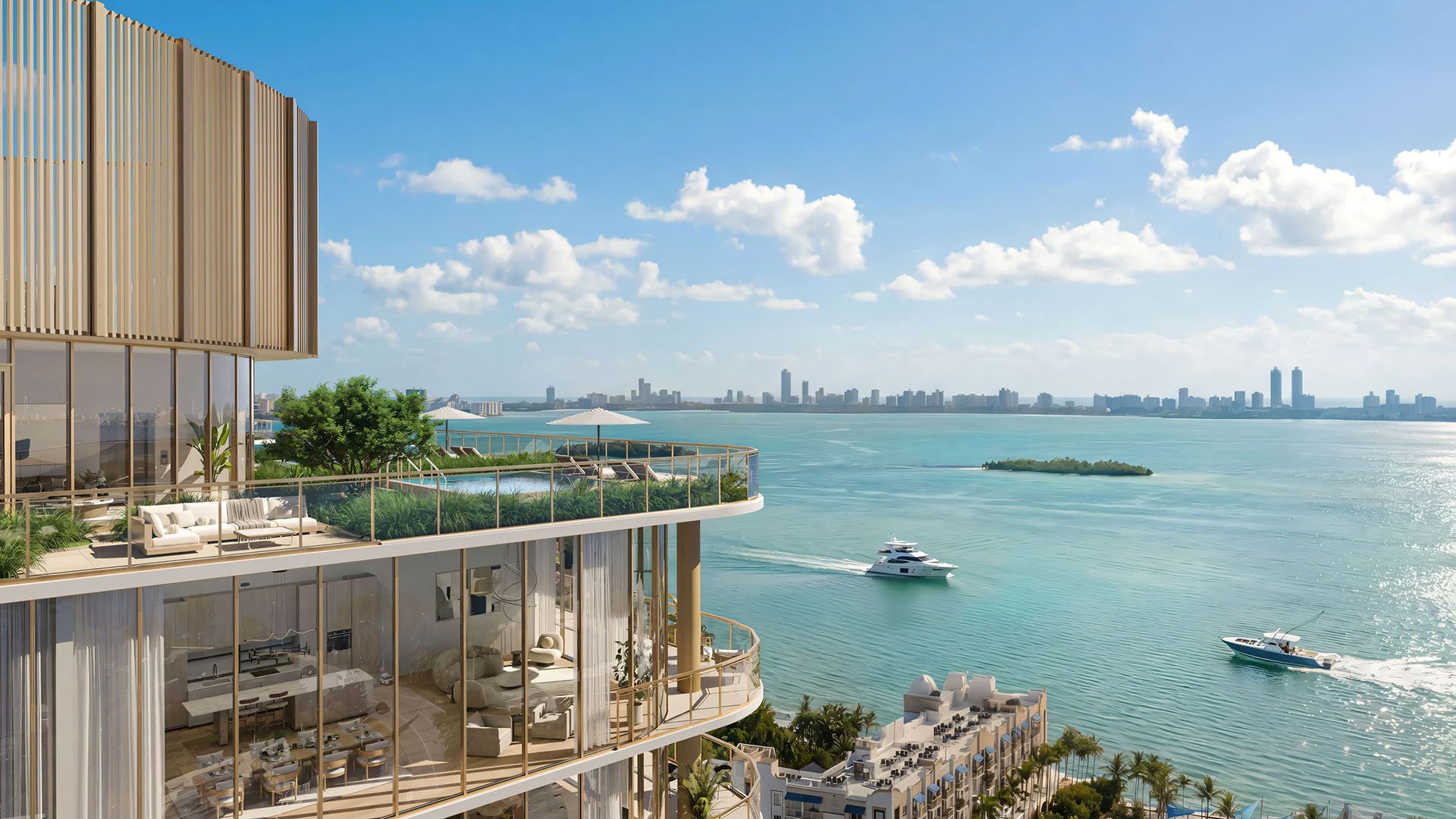
For Kempinski Residences Miami Design District, the buyer’s lens will naturally move toward design, presentation, and social energy. The name and location invite questions about gallery-style hosting, intimate dinners before or after cultural events, and how a residence balances display with comfort. A buyer who imagines dinner as part of a broader evening may prioritize dramatic arrival, a polished living area, and a layout that photographs beautifully without feeling staged.
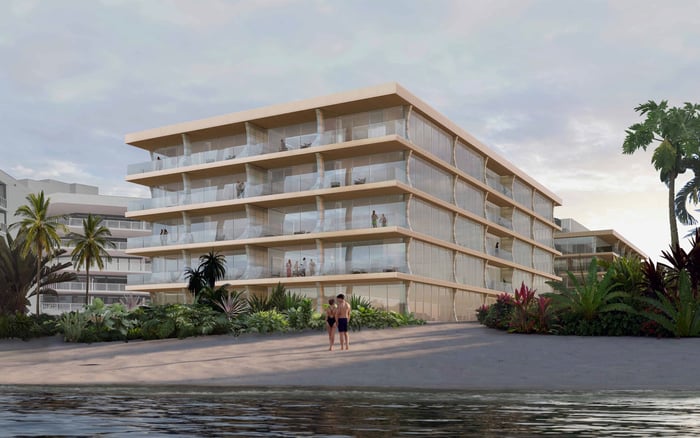
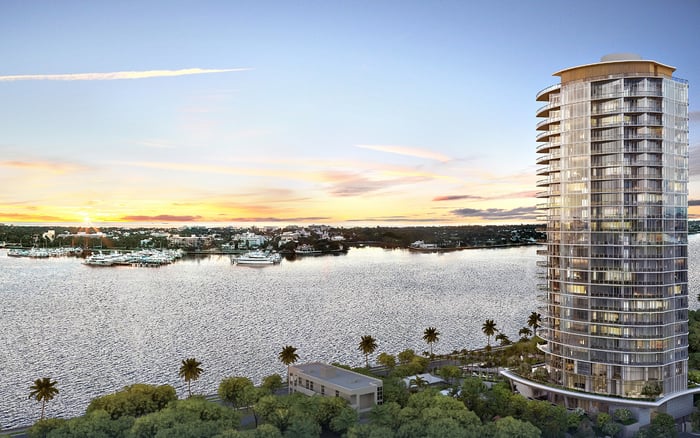
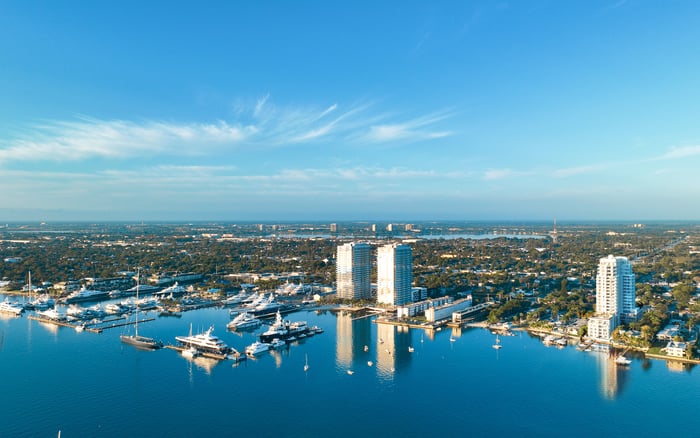
For The Ritz-Carlton Residences® West Palm Beach, the private dining question may feel more residentially grounded. The buyer may be weighing whether the home can host quietly, whether service routes feel intuitive, and whether dinner can remain elegant without turning the entire residence into a performance. That distinction is subtle, but for many owners it is decisive.
Entertaining flow is the architecture of social comfort. It is the sequence from elevator or entry to arrival space, from arrival space to living room, from living room to terrace or dining, and then back toward quieter zones. The best residences make this feel effortless. Weaker plans reveal friction only when guests arrive.
In a Design District context, flow may be judged by how well the home supports a more kinetic evening. Guests may arrive with high expectations for design and atmosphere. The owner may want a setting that moves easily from cocktails to seated dining to late conversation without forcing everyone into one room. Visual continuity matters, but so does the ability to create smaller pockets of conversation.
In West Palm Beach, the buyer may value a different kind of flow: calm arrival, generous transitions, and separation between entertaining areas and private bedrooms. A successful plan allows dinner to feel gracious while keeping the primary suite, guest rooms, office, or family spaces protected from the evening’s activity.
This is where terms like Boutique, Exclusive-area, and New-construction become more than marketing vocabulary. A boutique mood may feel intimate, but only if arrival and service are handled well. An exclusive area may feel composed, but only if the residence itself filters sound and movement. New-construction matters only if the plan translates modern expectations into everyday ease.
Acoustic separation is one of the most under-discussed markers of luxury. It is not only about reducing outside noise. It is about whether one part of the residence can remain serene while another is active. Can dinner continue while a child sleeps? Can a spouse take a call while music plays? Can guests occupy the living area without sound bleeding into private rooms?
For buyers comparing these two settings, acoustic questions should be asked with unusual precision. Look at the position of bedrooms relative to entertaining spaces. Study whether the kitchen is open, enclosed, or partially screened. Consider terrace adjacency, elevator proximity, mechanical rooms, shared corridors, and the way sound may travel across hard surfaces.
The more social the owner, the more important this becomes. A visually impressive residence can fail the lifestyle test if every conversation travels. Conversely, a quieter plan can feel deeply luxurious because it gives each household member control over their own environment.
The phrase Miami Design District carries a particular implication: proximity to style, art, dining, and design culture. For some buyers, that energy is the point. The residence is not meant to retreat from the city entirely; it is meant to frame an elevated life within it. The hosting style may be more expressive, more curated, and more connected to the evening outside the building.
West Palm Beach suggests a different residential mood. The buyer may be seeking refinement without constant urban intensity, access to Palm-beach social patterns, and a home base that feels polished yet calmer. Even search shorthand such as West-palm-beach can flatten the nuance, because the real appeal is not just geography. It is how the city’s pace supports a more measured form of luxury.
For some households, the decision may also intersect with school calendars, club routines, family weekends, and Private-school considerations. For others, seasonal cultural moments, including Art-basel, may keep Miami high on the list. These lifestyle anchors should not be treated as secondary. They often determine which residence will actually be used most.
The most revealing showing is not a quick tour. A serious buyer should mentally host three events while walking the plan: a seated dinner, an informal cocktail evening, and a quiet morning after guests leave. Each scenario reveals a different strength or weakness.
During the dinner scenario, ask where coats go, where a caterer stages, whether guests see the kitchen at the wrong moment, and whether the dining area feels ceremonial enough for the owner’s style. During the cocktail scenario, watch for natural gathering points. During the quiet morning scenario, ask whether the residence resets emotionally or still feels like a public space.
This is also where brand expectations should become practical. Hospitality branding can signal service culture, but the private residence must still function as a home. A buyer should confirm what is included, what is optional, what is managed, and what is simply implied by design language.
The choice between Kempinski Residences Miami Design District and The Ritz-Carlton Residences® West Palm Beach should begin with identity, not square footage. If the owner wants an expressive, design-conscious base connected to Miami’s social and cultural momentum, the Design District proposition may feel naturally aligned. If the owner values a more composed residential rhythm in Palm Beach County, West Palm Beach may offer a better emotional fit.
The most sophisticated buyers will not reduce this comparison to amenities alone. They will listen for silence, study service paths, test the logic of entertaining, and imagine the home at full capacity. That is where true luxury reveals itself: not in the announcement of private dining, but in whether dinner, privacy, and quiet can coexist.
What is the main lifestyle difference between these two residences? The comparison centers on an urban, design-oriented Miami setting versus a more composed West Palm Beach residential rhythm.
Why does private dining matter so much in luxury residences? Private dining shapes how owners host, how service moves, and whether a formal evening feels effortless rather than improvised.
What should buyers look for in entertaining flow? Buyers should study arrival, gathering areas, dining access, terrace connections, and separation from bedrooms or work spaces.
Why is acoustic separation a luxury issue? Quiet allows different parts of the home to function independently, even when guests, music, staff, or family activity are present.
Is the Miami Design District setting better for social buyers? It may suit buyers who want a residence tied to design culture, evening energy, and a more expressive hosting style.
Is West Palm Beach better for buyers seeking calm? It may appeal to buyers who prioritize residential composure, privacy, and a more measured South Florida routine.
Should brand name decide the purchase? Brand matters, but floor plan logic, service clarity, sound control, and daily usability should carry equal or greater weight.
How should a buyer test a floor plan during a showing? Imagine hosting a dinner, a cocktail evening, and a quiet morning after, then evaluate whether each scenario feels natural.
What role do family needs play in this comparison? Family routines can shift the decision toward quieter bedroom separation, school access, storage, and practical daily circulation.
Can both residences appeal to the same buyer? Yes, but the better fit depends on whether the owner wants cultural immediacy, residential calm, or a carefully balanced mix of both.
When you're ready to tour or underwrite the options, connect with MILLION.
If branded residences are on your mind — as a home or as an allocation — we would be glad to share what we are seeing, privately.
Begin a quiet conversation