A buyer-oriented MILLION Luxury editorial on South Florida luxury real estate, written with discretion and practical guidance, with select new-development touchpoints.
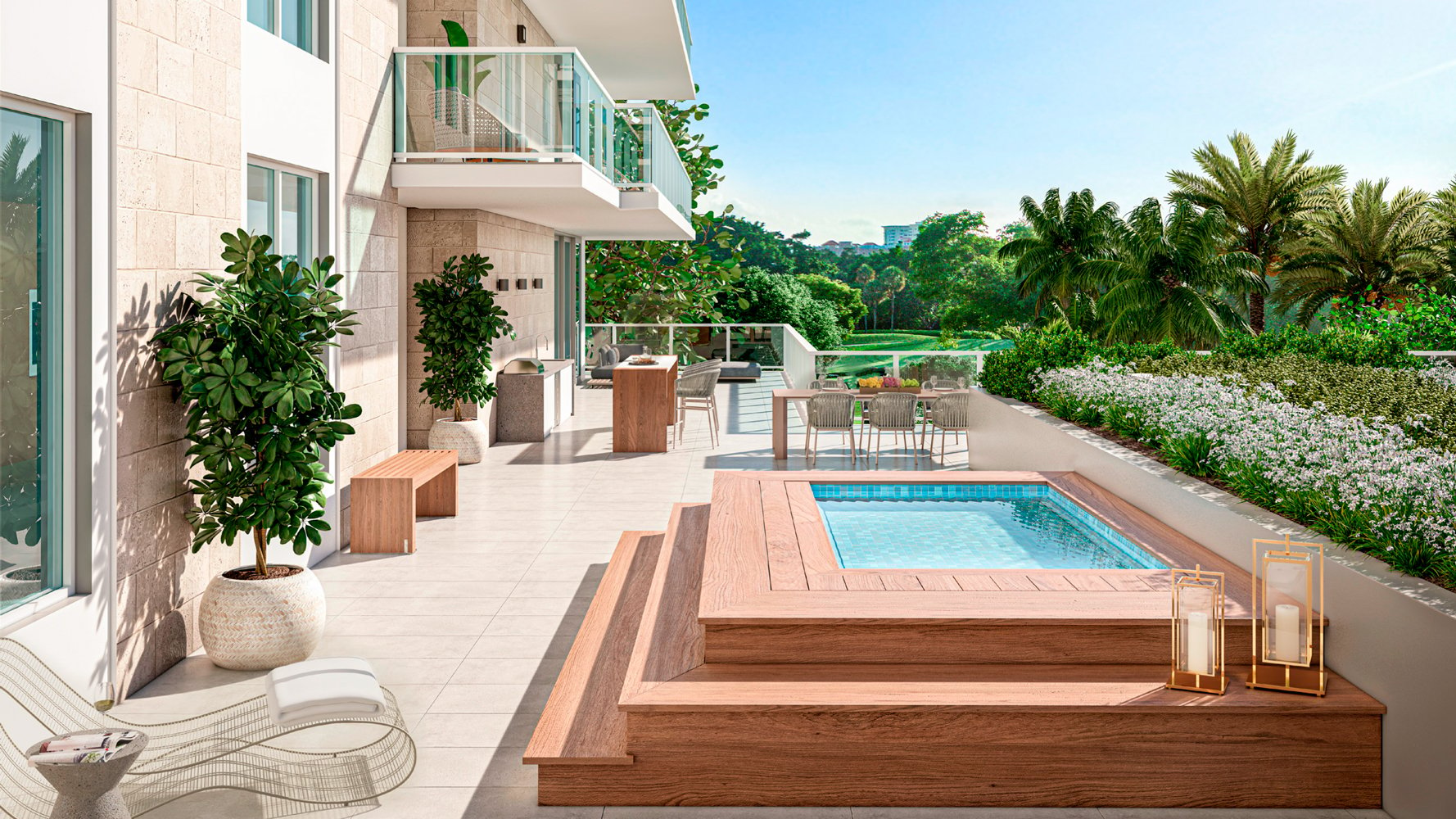
South Florida luxury real estate is no longer a single conversation about “oceanfront” or “waterfront.” Today, it’s a sequence of micro-decisions sophisticated buyers make around privacy, service standards, building governance, and how a residence performs as both an address and an asset. The strongest purchases often look unexciting on paper: exceptional location fundamentals, a building with durable management practices, and a floor plan that supports real life, every day.
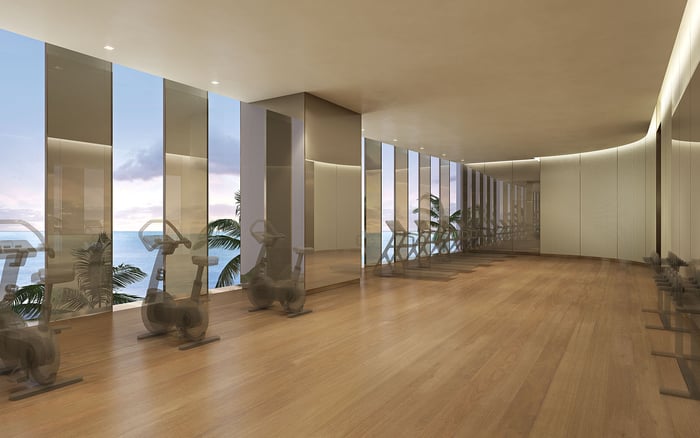
For many buyers, the current moment is defined by selectivity. Lifestyle demand remains broad, but the premium is increasingly paid for execution: quiet arrivals, refined common areas, meaningful wellness programming, and residences that feel composed rather than trendy. In that context, “luxury” is best understood as frictionless living and predictable ownership.
This editorial is designed to help you evaluate the major South Florida corridors with a buyer-oriented lens, using practical criteria that translate across Miami, Miami Beach, Sunny Isles, Fort Lauderdale, Boca Raton, and West Palm Beach.
At the ultra-premium end, preferences are converging around a few consistent themes.
First: privacy without isolation. Buyers want security and discretion, but they also want to walk to dinner, access culture, and avoid feeling marooned in a purely residential enclave.
Second: service and maintenance clarity. A polished lobby matters, but the decisive factor is how the property is maintained five and ten years from now. That comes down to management quality, reserve posture, and a governance culture that treats the building like a long-term institution.
Third: correct scale. Boutique buildings can deliver a quieter ownership experience, while larger towers can support broader amenity programs. Neither is inherently better. The question is whether the scale fits your lifestyle-and your tolerance for shared spaces.
Finally: layout integrity. Light, ceiling height, storage, and wall space for art are the “hidden luxury” features that shape daily satisfaction and resale liquidity. View corridors are powerful, but a great view cannot repair a compromised plan.
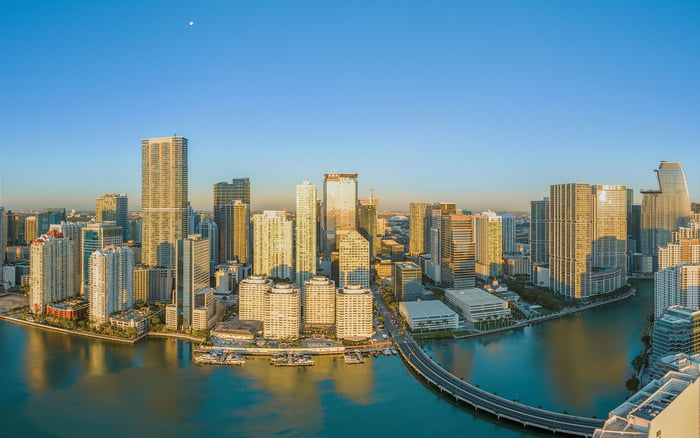
Brickell and Downtown have matured into a lifestyle portfolio: finance and dining, waterfront promenades, and high-rise living that can be intensely convenient. For buyers who value a true urban rhythm, the appeal is momentum-how quickly a day can move from meetings to wellness to dinner without negotiating long drives.
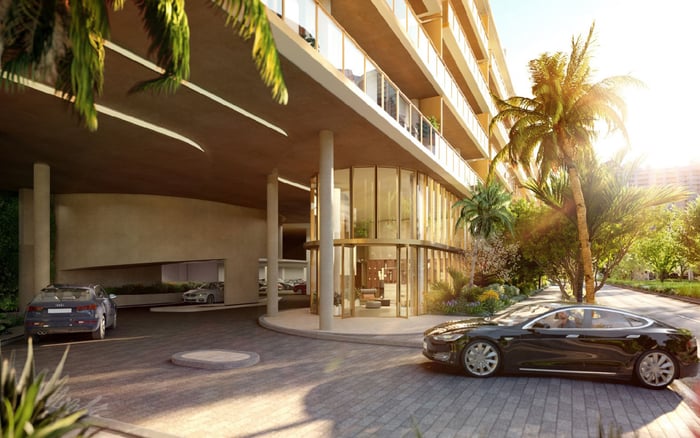
In Brickell, new development is often about refinement: better drop-off experiences, elevated material palettes, and amenity programs designed to feel closer to a members’ club than a typical condo tower. If you are drawn to a residential experience that reads modern and disciplined, 2200 Brickell is a useful reference point for the neighborhood’s increasingly design-forward direction.
Nearby, the branded-residence concept continues to reshape expectations around service, dining integration, and social spaces. For buyers who want a more hospitality-inflected lifestyle in the same corridor, Cipriani Residences Brickell illustrates how a name and an operating ethos can influence not only daily living, but also buyer perception at resale.
Downtown’s waterfront arc adds a different flavor, with more emphasis on skyline panoramas and proximity to cultural venues. When you tour, pay close attention to sound management and elevator performance, and ask direct questions about how deliveries, contractors, and move-ins are handled. These operational details often separate “glossy” from “excellent.”
Miami Beach luxury buyers often arrive with a specific expectation: the ocean is not a backdrop-it is the organizing principle. The best Miami Beach buildings tend to deliver serenity in ways that are felt rather than advertised, including arrival choreography, acoustic comfort, and a clear separation between public beach energy and private residential calm.
In Miami Beach, decide whether you want a classic resort-adjacent experience or a more residential cadence. The Perigon Miami Beach is an example of contemporary oceanfront product that prioritizes clean lines, curated amenity experiences, and a more boutique sensibility.
Just north, Surfside has earned its reputation for a more residential tone while still delivering direct access to the same coastline. For buyers who want a design-forward building with a quieter posture, Eighty Seven Park Surfside serves as a shorthand for the area’s blend of architectural intent and beachside ease.
When assessing oceanfront ownership, ask about wind exposure on terraces, window performance, and the building’s approach to salt-air maintenance. Luxury is often defined by what you do not have to think about.
Sunny Isles can be an ideal match for buyers who want full-service towers and sweeping water views, often paired with substantial amenity decks. The experience tends to be resort-like, with a strong emphasis on pools, wellness, and a true sense of arrival.
If you are comparing buildings in this corridor, evaluate how clearly resident traffic is separated from guest traffic, and get explicit about rental rules that may affect privacy. For an ultra-luxury, car-enthusiast-inflected expression of the market’s direction, Bentley Residences Sunny Isles is a relevant touchpoint.
Aventura often appeals to buyers who prioritize convenience, shopping, and a more family-oriented rhythm while maintaining access to waterfront living. In both areas, floor plan quality varies widely. Insist on the practical items: proper laundry rooms, pantry storage, and bedroom separation that makes hosting and family life feel effortless.
Fort Lauderdale offers a distinct luxury identity shaped by boating culture, beach access, and a social scene that is confident but less performative. For many buyers, it provides an easier day-to-day pace while still delivering serious dining, marinas, and well-positioned oceanfront product.
If you want a turnkey, hospitality-caliber experience with strong lifestyle programming, Four Seasons Hotel & Private Residences Fort Lauderdale reflects how the market is aligning premium real estate with high-touch service expectations.
In Broward, pay close attention to exposure and micro-location: beachside versus intracoastal, walkability, and how quickly you can reach air travel. Also evaluate insurance posture, building reserves, and the quality of the association’s long-term planning-particularly in older coastal inventory.
Boca Raton luxury living often revolves around a club-oriented lifestyle and a preference for refined, low-drama residential environments. Buyers value predictability: excellent services, a polished streetscape, and residences that work for both seasonal use and full-time living.
For those who want new construction with a curated amenity set near the heart of the city, Alina Residences Boca Raton is a relevant reference for the area’s modern luxury direction.
For buyers comparing downtown walkability and service culture, Mr. C Residences Boca Raton is another reference point in the same conversation.
Palm Beach County also attracts buyers who want proximity to cultural institutions, golf, and a slightly more discreet social ecosystem. If you are comparing West Palm Beach options, focus on the building’s day-to-day operations and whether the amenity programming feels substantial enough to replace private club dependence, or intentionally light to preserve privacy.
Luxury purchases reward disciplined diligence. Before you commit, treat these items as non-negotiable.
Start with governance: read the association documents carefully and understand how decisions are made. A well-run building has transparent rules, consistent enforcement, and a culture that protects the shared environment.
Next, assess financial durability: reserves, anticipated capital projects, and the realism of the operating budget. Ask about planned work on building envelopes, elevators, and mechanical systems. In coastal climates, the details are not optional.
Then confirm your lifestyle requirements: pet policies, guest rules, move-in logistics, and any restrictions that could affect your routine. If you anticipate any use of Short-term-rentals or Long-term-rentals, confirm the policies in writing and weigh the privacy implications.
Finally, scrutinize the residence itself: window lines, terrace usability, and internal circulation. A “wow” view matters, but true luxury is a floor plan that never makes you negotiate your own home.
The strongest buyers negotiate around certainty and comparability. That means knowing which features are genuinely rare in your target submarket: direct ocean frontage, protected view corridors, private elevator arrival, or a truly boutique scale.
Timing matters less than fit. If the building and floor plan are correct, the holding period often smooths short-term noise. If you are buying pre-construction, make sure the contract terms align with your liquidity preferences and that you understand upgrade pathways, parking assignments, and how final finishes are specified.
For resale, think like a future buyer. Will the residence photograph well without staging theatrics? Does the layout feel timeless? Do the common areas read refined rather than dated? These are the quiet levers that preserve value.
What is the single most important factor in a South Florida luxury purchase? Location fundamentals plus building governance tend to outweigh short-term market shifts.
Are branded residences worth the premium? They can be, if the service model is real and the building’s execution stays consistent.
How should I evaluate an oceanfront building? Focus on maintenance culture, wind and salt exposure, and operational management quality.
Do rental policies matter if I do not plan to rent? Yes, because they can influence privacy, wear-and-tear, and future buyer demand.
What should I ask about HOA fees? Ask what is included, reserve posture, planned capital work, and the history of increases.
Is a boutique building always better than a large tower? Not necessarily; boutique can mean privacy, while larger towers can deliver deeper amenities.
What layout details protect resale value? Functional storage, bedroom separation, good light, and terrace usability usually endure.
How do I compare Brickell to Miami Beach? Brickell is urban convenience; Miami Beach centers on oceanfront lifestyle and serenity.
What is the biggest mistake buyers make in new construction? Overweighting renderings and underweighting contract details and finish specifications.
When should I involve legal and building experts? Before signing, so documents, budgets, and rules are vetted without time pressure.
If you'd like a private walkthrough and a curated shortlist, connect with MILLION Luxury.
If branded residences are on your mind — as a home or as an allocation — we would be glad to share what we are seeing, privately.
Begin a quiet conversation