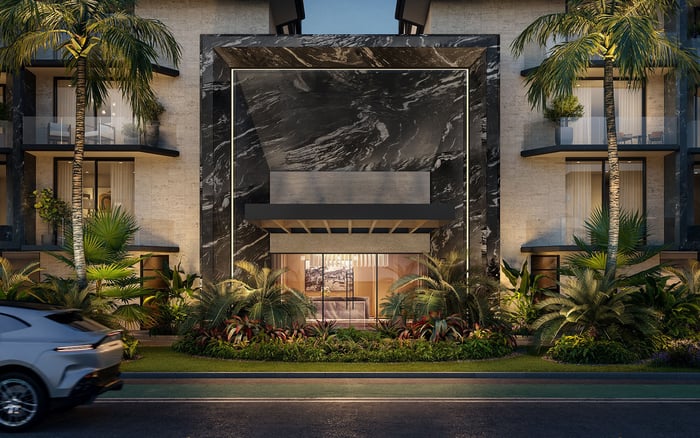
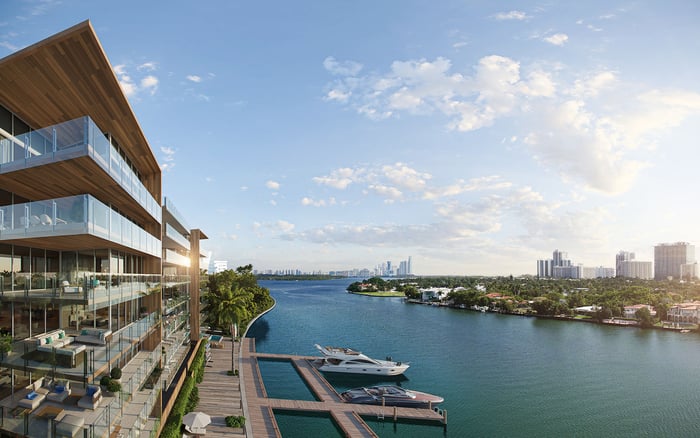
A discreet buyer’s guide to Mila Bay Harbor Islands for households that rely on staff, with a focus on privacy, service flow, family routines, guest hosting, wellness, and day-to-day logistics.
For a buyer with staff, Mila Bay Harbor Islands should be evaluated as a living system, not simply as a condominium acquisition. The question is not only whether the residence is elegant enough, or whether the setting feels appropriately private. The more important question is whether daily life can unfold without friction for principals, children, guests, nannies, chefs, housekeepers, drivers, pet-care providers, wellness professionals, and visiting service teams.
That is the difference between a luxury home that photographs well and a luxury home that functions well. In a staffed household, the residence becomes a compact household institution. People arrive at different times, perform different roles, protect different kinds of privacy, and depend on predictable circulation. A condominium environment can support that rhythm beautifully, but only when the buyer studies operations with the same discipline usually reserved for finishes and views.
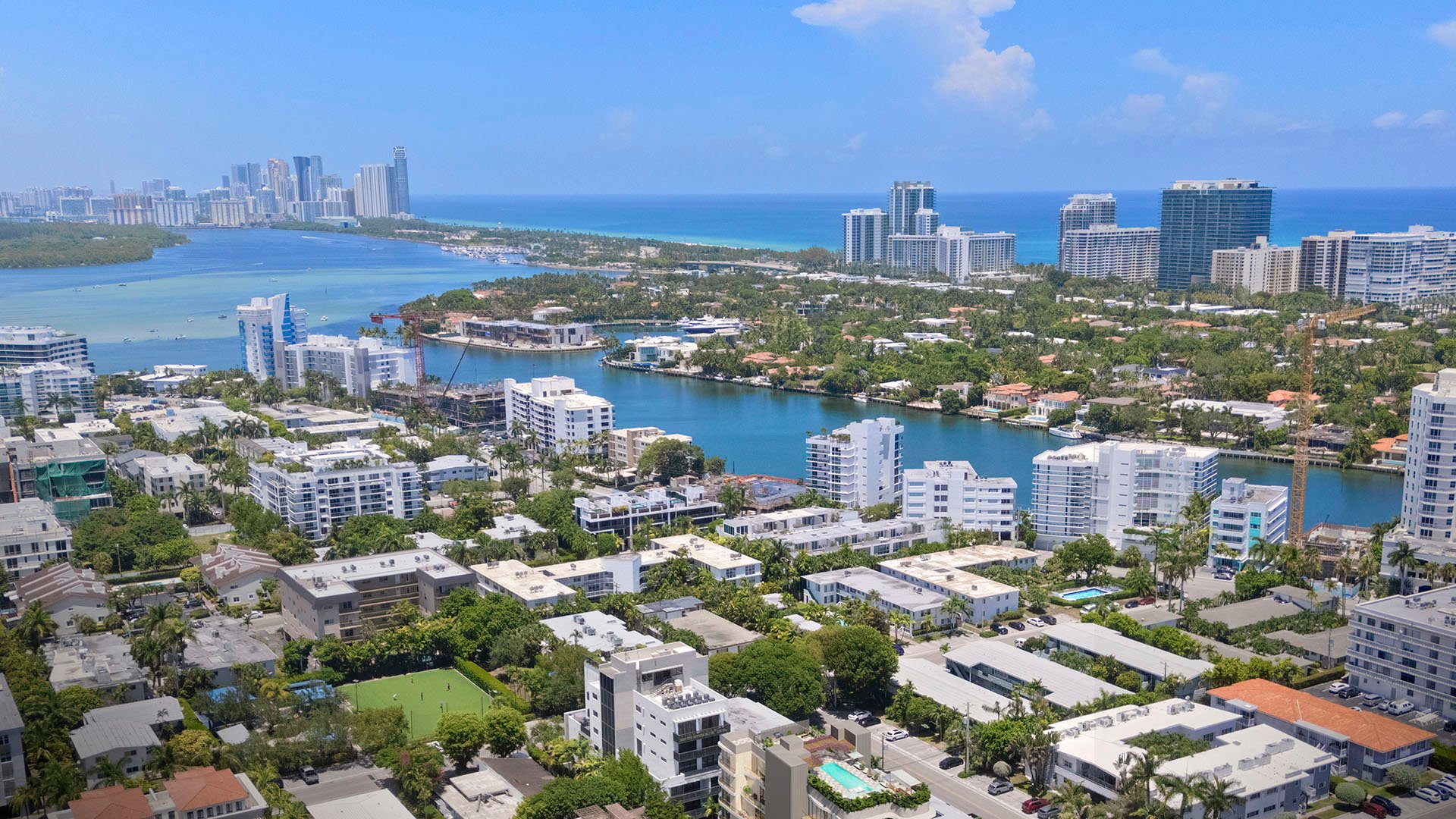
This is where Bay Harbor Islands becomes especially interesting. Mila can be read as part of a quieter, more residential alternative to more hotel-like or high-density Miami environments. For the Bay Harbor buyer, lifestyle is not a slogan. It is the capacity to live calmly while a sophisticated household runs in the background.
For staffed buyers, privacy should be treated as a daily protocol. The principal suite, children’s areas, guest rooms, kitchen, laundry, entry sequence, and service touchpoints all create patterns of exposure. A well-functioning plan allows staff to work efficiently without making the household feel observed, interrupted, or over-managed.
The buyer should walk through Mila with a day in mind, not an event. Where does a nanny enter with bags after a school run? How does a housekeeper move between laundry, bedrooms, and storage? Can a chef prep without disrupting breakfast, homework, or a private call? Does a wellness appointment require crossing the most intimate zones of the residence? These questions are not minor. They determine whether the home feels serene after the novelty of acquisition has faded.
Comparisons within Bay Harbor Islands can be useful, provided they remain practical rather than superficial. A buyer also considering Alana Bay Harbor Islands might ask the same operational questions: how does the building support arrival, service movement, guest flow, and household privacy? The right answer is rarely about one isolated feature. It is about whether the residence and building together create a smooth daily choreography.
Luxury is often felt most clearly when no one has to discuss logistics. For households with staff, that ease depends on elevators, parking, delivery handling, service access, waiting areas, security procedures, package movement, and the building’s tolerance for routine domestic work. A buyer should understand how the residence functions on an ordinary Tuesday, when groceries arrive, a driver waits, a child needs to be taken to an appointment, a housekeeper is resetting guest linens, and a contractor is scheduled for a minor service call.
The most useful due diligence is specific. Ask how staff are registered. Ask how frequent visitors are handled. Ask how deliveries move from building arrival to the residence. Ask whether a private chef can receive supplies efficiently. Ask where a driver can pause without creating tension. Ask how pet-care routines are managed. Ask how service providers access the building and whether their movement is efficient, discreet, and secure.
This is the practical realm of buyer’s guides, elevated to the realities of ultra-premium ownership. A staffed home is not chaotic when designed and managed well. It is calm because the unglamorous details have been anticipated.
For many South Florida luxury purchasers, the residence must support a family calendar as much as an adult social life. School runs, errands, children’s routines, tutoring, appointments, pet care, guest arrivals, and travel days all place pressure on the home. Staff can reduce that pressure, but only if the building and residence allow them to work without bottlenecks.
At Mila, the buyer’s lens should include morning and evening transitions. Can children move safely from residence to car or caregiver? Can a nanny return with strollers, backpacks, sports gear, or pets without disrupting the main household rhythm? Is there a sensible place for daily-use items, or will the most beautiful rooms become informal storage zones? Is the residence able to distinguish between principal privacy and active family support?
Other Bay Harbor Islands projects, including La Baia North Bay Harbor Islands, invite similar thinking. The core issue is not whether a building feels luxurious in a sales presentation. It is whether the family’s recurring routines can be repeated hundreds of times a year with grace.
A staffed household often combines hospitality, wellness, and domestic labor in the same day. Guests may arrive while a trainer is leaving. A chef may be preparing dinner while a housekeeper is refreshing rooms. Children may be finishing homework while a wellness appointment is underway. The residence has to absorb these overlaps without making owners feel as if their private life has become a corridor.
Buyers should think carefully about guest circulation. Where do visitors pause? How do they reach the main entertaining area? Can staff support a dinner or small gathering without constantly crossing principal zones? If overnight guests are common, can the home remain comfortable for both family and visitors? If wellness is a daily priority, can treatments, training, or recovery routines happen without claiming the entire residence?
A boutique building environment can appeal to buyers who prefer discretion over spectacle, but discretion must be tested operationally. Onda Bay Harbor, for example, may enter a buyer’s comparison set because it is in the same broader Bay Harbor Islands conversation. The more important task is to map each option against the household’s real calendar, not an imagined vacation schedule.
If boating or waterfront routines are part of the household’s life, the operational plan should become even more exacting. Watercraft coordination, guest arrival, children’s supervision, supplies, towels, gear, and weather-driven schedule changes all require a clear system. A beautiful waterfront rhythm can become stressful if the household has not defined who meets guests, who supervises children, who handles gear, and how service providers coordinate around departures and returns.
This does not mean every buyer needs the same waterfront solution. It means a buyer should be honest about use. Is boating occasional, social, family-centered, or staff-supported? Will guests arrive before principals are ready? Are children old enough to move independently, or does every transition require supervision? What happens when a chef, nanny, captain, driver, and guests are all involved in the same afternoon?
For some buyers, Origin Bay Harbor Islands may be part of the broader Bay Harbor Islands review, while Mila remains the focal point for those seeking a structured, calm, service-aware way of living. The best decision is the one that aligns the residence, the building, and the household’s true habits.
A serious buyer should bring an operations checklist to Mila. It should cover daily staff access, delivery procedures, elevator use, parking, guest registration, service appointments, pet-care logistics, child supervision, wellness routines, and privacy boundaries. It should also include questions about how the building handles repeat visitors and how the residence can separate principal areas from active work zones without creating inefficiency.
The most refined buyers are often the most practical. They know that calm is designed. They know that a residence can be visually impressive and still fail the test of family life. They know that a staffed household works best when every person has a role, every route has a logic, and every private zone is protected without making service feel cumbersome.
In that context, Mila Bay Harbor Islands is not merely a trophy address. It is a candidate for buyers who want their South Florida residence to operate with intention: private, composed, family-aware, and service-conscious.
Is Mila Bay Harbor Islands suitable for buyers with household staff? It may be suitable for buyers who evaluate it through staff flow, privacy, service access, and daily household routines rather than only design or size.
What should a staffed buyer study first at Mila? Start with circulation: how principals, children, guests, staff, deliveries, and service providers move through the building and residence.
Why does privacy matter differently in a staffed condominium? Staff need efficient access to work zones, while owners need personal areas that remain calm, protected, and minimally interrupted.
Should buyers ask about elevators and deliveries? Yes. Elevator procedures, package handling, groceries, and service access can determine whether the home functions smoothly every day.
How should families evaluate Mila? Families should test school runs, errands, appointments, pet care, children’s routines, and staff coordination against the building’s daily operations.
Is Bay Harbor Islands a quieter lifestyle choice? Bay Harbor Islands can appeal to buyers seeking a more residential alternative to more hotel-like or high-density Miami environments.
What role does hosting play in the decision? Buyers should consider how guests arrive, where they gather, and whether staff can support entertaining without compromising principal privacy.
How should wellness routines be considered? Wellness routines should be mapped around privacy, appointment access, staff scheduling, and whether treatments or training disrupt family life.
What if boating is part of the household routine? The plan should address watercraft coordination, guest access, child-safety protocols, gear movement, and staff responsibilities.
Is this mainly a design decision or an operations decision? It is both, but staffed buyers should treat operations as central because daily ease depends on circulation, privacy, and building protocols.
For a confidential assessment and a building-by-building shortlist, connect with MILLION.
If branded residences are on your mind — as a home or as an allocation — we would be glad to share what we are seeing, privately.
Begin a quiet conversation