A discreet buyer’s guide to aligning private school planning, domicile strategy, yacht logistics and residential selection before purchasing in South Florida.
For yacht owners buying in South Florida, a residence is rarely just a place to sleep between crossings. It is a family operating base, a social address, a tax and legal consideration, and, for parents, a signal of how children will be educated and rooted. Private-school planning belongs at the center of that conversation, not at the end.
The strongest searches begin with alignment. The home, school calendar, marina routine, household staff rhythm, and domicile objectives should be considered as one connected system. A spectacular waterfront residence can be the wrong fit if the morning commute, application timing, or residency narrative is poorly coordinated. Conversely, a less obvious neighborhood may become the intelligent choice when it supports a child’s daily life, a parent’s travel patterns, and the family’s longer-term plans.
This is especially true for owners who divide their time among multiple homes, vessels, and jurisdictions. In that context, South Florida should not merely be attractive. It should be coherent.
Private-school decisions carry a different tempo than real estate. Families may be working around admissions calendars, campus visits, interviews, testing, sibling considerations, and grade-level availability. A buyer who begins with penthouse views and only later asks whether the school commute works may find that the family’s daily pattern has already been compromised.
A better approach is to define the educational zone first. That does not mean buying next door to a campus. It means understanding where the family will realistically spend mornings, afternoons, weekends, and school-year evenings. If one parent travels frequently by air and another often joins the yacht, the residence must still support the school day without theatrical logistics.
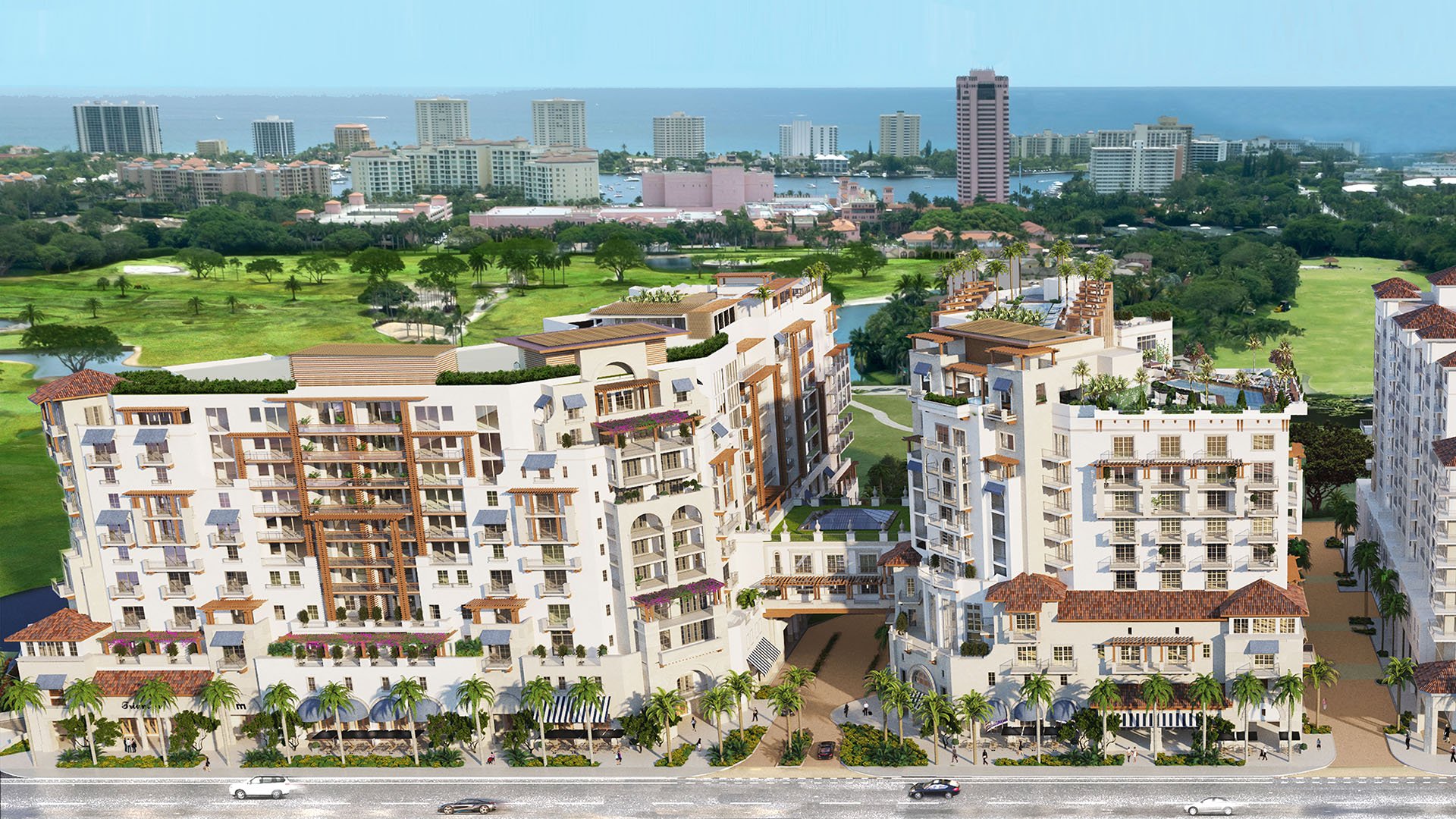
In Miami Beach, for example, a buyer considering The Perigon Miami Beach may be drawn to oceanfront privacy and architectural presence. The next layer is less glamorous but more consequential: how the school run feels in season, how staff coverage is arranged, where after-school activities cluster, and whether the address supports the family’s intended domicile posture.
Domicile is not created by affection for a place. It is built through consistent conduct, documentation, and professional guidance. Yacht owners, in particular, should proceed carefully because their lives are often mobile by design. Multiple homes, captains, crew, international itineraries, and flexible work patterns can make the family’s story appear scattered unless it is deliberately organized.
The residence purchase should therefore be reviewed alongside counsel familiar with tax, estate, immigration where relevant, family office administration, and education planning. The question is not only, “Where do we want to live?” It is also, “What will our actions demonstrate over time?”
That may include how the family uses the home, where children attend school, where doctors and household services are based, where important records are maintained, and how travel patterns are documented. None of this should be improvised after closing. The cleanest outcomes are usually designed before contracts, deposits, school applications, and vessel scheduling begin to overlap.
A yacht owner naturally thinks in terms of dockage, access, tender routes, bridge considerations, marine services, and security. Those details matter. But when school-age children are involved, water access is only one axis of value.
Some families want the vessel nearby because time aboard is part of daily life. Others prefer a primary residence that optimizes school access while keeping the yacht in a more practical marina setting. The right answer depends on how the family actually lives, not on how a brochure imagines the lifestyle.
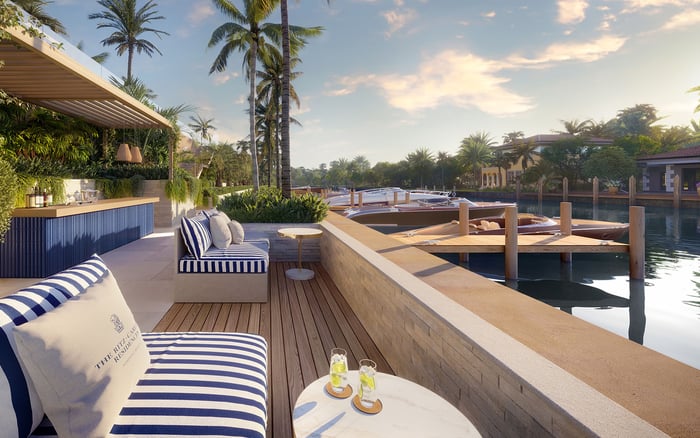
In Fort Lauderdale, a buyer may evaluate St. Regis® Residences Bahia Mar Fort Lauderdale through the lens of yachting culture, beach access, and resort-style service. For a family with children, that same evaluation should include weekday driving patterns, household support, privacy during school-year routines, and how often the yacht will genuinely be used between Monday and Friday.
The point is not to diminish the waterfront dream. It is to ensure the dream does not create friction for the people who must live inside it every day.
South Florida’s luxury map is not one market. It is a collection of distinct living patterns. Miami Beach can feel international and coastal. Coconut Grove can feel leafy, residential, and village-scaled. Boca Raton can appeal to buyers seeking a more composed family rhythm. Fort Lauderdale often speaks to yacht owners who want marine infrastructure and a quieter interpretation of coastal life.
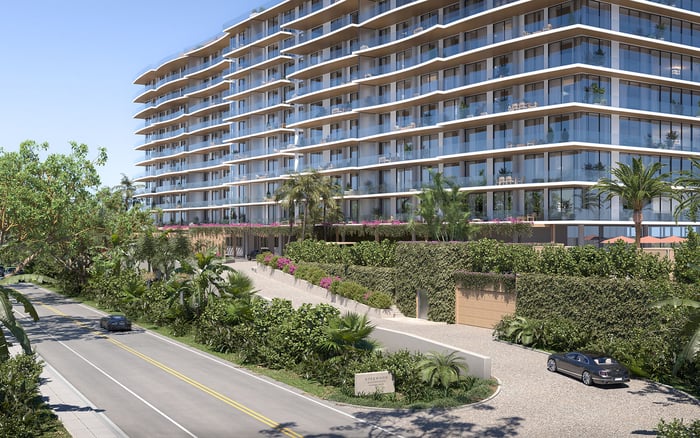
A family considering Four Seasons Residences Coconut Grove might prioritize a more residential cadence, access to parks, and a setting that feels settled rather than transient. In Boca Raton, Alina Residences Boca Raton may enter the conversation for buyers who want a polished condominium lifestyle in a market often associated with family continuity.
The buyer’s task is to test each neighborhood against a lived week. Where does the child wake up? Who drives? Where does the parent work when ashore? How close is the airport when the yacht schedule changes? Where do tutors, coaches, physicians, and household vendors fit? A property that wins the weekend may not win the school year.
Luxury buyers are accustomed to moving decisively when the right residence appears. Private-school planning often rewards a different discipline. A family may need to evaluate school availability before finalizing a closing timeline, or structure a lease, temporary residence, or phased move while applications are underway.
This is where discretion matters. Admissions conversations, negotiations, and personal planning should be handled with care, especially for families whose names, vessels, or business interests attract attention. The best advisors do not simply open doors. They sequence decisions so the school search, real estate strategy, legal posture, and family privacy reinforce one another.
Pre-construction purchases add another layer. If the home will not be ready when the child needs to start school, parents should plan the interim address and daily logistics early. A future-facing residence can still support domicile alignment, but only if the bridge period is considered with equal seriousness.
Before submitting an offer, yacht owners should pressure-test the decision with practical questions. Does the residence support the school day during peak traffic and seasonal demand? Is the home consistent with the family’s intended domicile narrative? Will the yacht be used often enough to justify prioritizing immediate water access over school proximity? Can household staff operate smoothly from this location? Are privacy, security, and guest flow appropriate for a family with children?
Buyers should also ask whether the address feels sustainable. South Florida can be seductive in fragments: a view, a dock, a private elevator, a club, a dining room, a sunset. But domicile and education are cumulative. They are built over months and years through repetition. The residence should make that repetition elegant, not exhausting.
For yacht owners, the ideal acquisition is not simply the most impressive property. It is the one that allows the family’s legal, educational, and lifestyle choices to tell the same quiet story.
Should yacht owners choose a school before a residence? Often, yes. School fit and daily logistics can shape the most appropriate neighborhood before a property search becomes serious.
Is a waterfront home always best for a yacht-owning family? Not always. Immediate water access should be weighed against school commute, privacy, staff logistics, and the family’s actual weekly routine.
Why does domicile matter in a private-school search? A child’s school location can become part of the broader pattern that reflects where a family is genuinely based.
Can a family live near the yacht but school elsewhere? Yes, if the routine is realistic. The key is to understand how mornings, activities, drivers, and parent travel will work in practice.
Is Miami Beach a practical school-year base? It can be for the right family. Buyers should test commute patterns, privacy needs, and school-day support before committing.
How does Coconut Grove compare for families? Coconut Grove may appeal to buyers seeking a more residential atmosphere, though fit depends on the child’s school and the household’s routine.
Why consider Boca Raton in this discussion? Boca Raton can be attractive to families seeking a composed residential setting, especially when school-year consistency is a priority.
Should yacht placement be handled before closing? It should be coordinated early. Vessel logistics can affect the usefulness of a residence and the comfort of the family’s weekly pattern.
Do pre-construction purchases complicate school planning? They can. Families should plan interim housing and school timing before relying on a future completion date.
Who should advise on domicile alignment? Buyers should use qualified legal, tax, education, and real estate advisors who can coordinate discreetly around the family’s objectives.
If you'd like a private walkthrough and a curated shortlist, connect with MILLION.
If branded residences are on your mind — as a home or as an allocation — we would be glad to share what we are seeing, privately.
Begin a quiet conversation