A discreet buyer’s guide to flood-zone diligence in Bay Harbor Islands, from elevation documents and garage design to insurance, reserves, drainage and long-term ownership confidence.
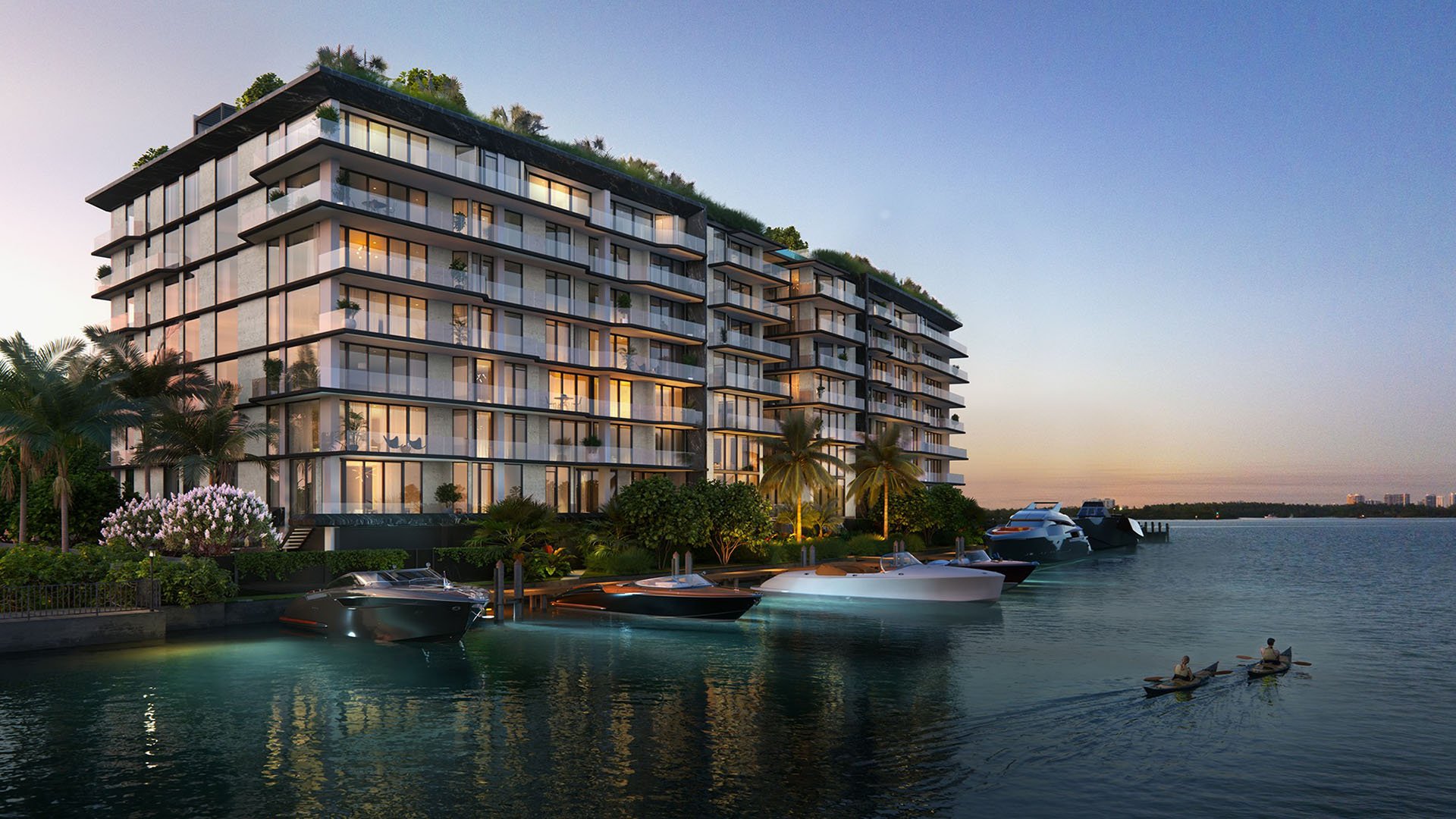
Buying in Bay Harbor Islands is often about scale, privacy, water, walkability and a quieter rhythm than the larger coastal markets nearby. Flood-zone exposure should not diminish that appeal. It should sharpen the diligence. For a luxury buyer, the objective is not to eliminate every waterfront variable. It is to understand the property, the building, the association and the ownership costs with the same precision applied to views, finishes and parking.
The critical shift is timing. Flood diligence belongs at the beginning of the search, before a preferred line, floor plan or terrace becomes emotionally fixed. A residence at Alana Bay Harbor Islands, a waterfront boutique building or a larger condominium may each carry a different operating profile. The right questions help distinguish elegant architecture from durable ownership.
Start with the current flood-zone designation for the specific property, not the neighborhood in general. Ask whether the unit, structure, parking areas, lobby, mechanical rooms and storage spaces are treated differently for insurance or risk review. In luxury condominium ownership, exposure is not limited to the living-room elevation. It can sit in the garage, the pool deck, the service corridor or the electrical infrastructure.
Ask whether the seller, developer or association has elevation documentation, a recent survey or any building-specific flood information available for review. If the answer is vague, slow down. The most refined purchase file is not the one with the richest marketing language. It is the one with the clearest documents.
A spectacular residence can still depend on a building’s common elements. Before focusing on marble, millwork or sunset exposure, ask how the building manages water. Is the garage at grade or below grade? Where are the electrical, life-safety and mechanical systems located? Are the elevator systems, pumps and access points protected or elevated? How are stormwater, driveway slopes and perimeter drainage handled?
This is where Bay Harbor Islands buyers should compare assets with discipline. Bay Harbor Towers may be discussed differently from La Baia North Bay Harbor Islands, not because one label is inherently superior, but because every building has its own physical and operational profile. In a Bay Harbor purchase file, the building’s answers matter as much as the unit’s finishes.
For waterfront or near-waterfront properties, ask about seawalls, docks, drainage structures and any shared maintenance obligations. If the home or condominium markets a waterfront lifestyle, understand which elements are private, which are common, and which may create future capital needs.
Insurance should be evaluated as part of annual ownership, not as an afterthought. Ask what policies are maintained by the condominium association and what coverage the owner is expected to carry separately. Confirm deductibles, exclusions, renewal timing and any history of special assessments tied to insurance, reserves or repairs.
For a cash buyer, this review remains essential. For a financed buyer, it becomes even more practical, because lenders may require specific coverage or documentation. A residence at Onda Bay Harbor can be emotionally compelling, but the underwriting file still needs to be calm, complete and legible.
Ask your insurance adviser to price coverage early and explain how the floor level, building systems, association coverage and personal property affect the quote. The lowest premium is not always the strongest answer. The best answer aligns cost, coverage and risk tolerance.
Flood-zone exposure is also a governance issue. Request the budget, reserves, meeting materials and any available information about planned building work. Ask whether drainage, waterproofing, garage repairs, seawall maintenance, roof systems, generators or mechanical upgrades have been discussed. In a luxury building, deferred maintenance can become a lifestyle issue long before it becomes a structural issue.
For boutique buyers considering The Well Bay Harbor Islands or similar new-generation residences, the question is not only what has been built. It is how the property will be maintained, funded and governed after closings are complete. For resale buyers, the association record can reveal whether the building treats resilience as routine stewardship or occasional crisis management.
Flood-zone diligence should influence offer strategy, contingency language and long-term ownership planning. It does not automatically mean discounting a property. In a constrained luxury market, a beautifully executed residence with strong documentation, thoughtful systems and a serious association may justify confidence. A glamorous residence with unclear answers may require a more protective contract.
The most sophisticated buyers ask direct questions without theatrics: What is exposed? What is insured? What is elevated? What is planned? Who pays if capital work is needed? These questions preserve the pleasure of owning in Bay Harbor Islands because they remove avoidable ambiguity.
Should flood-zone exposure stop me from buying in Bay Harbor Islands? Not necessarily. It should prompt deeper diligence on elevation, insurance, building systems, reserves and long-term maintenance.
What should I ask for first? Ask for the current flood-zone designation, elevation documentation if available, insurance information and association materials before removing contingencies.
Does a higher-floor residence eliminate flood concerns? No. Common areas, garages, elevators, mechanical systems and association obligations can still affect ownership risk and cost.
Why does the garage matter so much? Parking areas often reveal how a building handles water, access, drainage and the protection of key systems during severe weather.
Should I speak with an insurance adviser before making an offer? Yes. Early insurance guidance can clarify annual cost, deductibles, coverage gaps and lender expectations.
What association documents are most useful? Review budgets, reserves, meeting materials, insurance summaries and any discussion of drainage, waterproofing or capital improvements.
Are new buildings automatically safer from flood exposure? Not automatically. Newer design may offer advantages, but buyers still need property-specific documentation and system-level review.
How should flood exposure affect pricing? It should inform negotiation, contingencies and carrying-cost analysis rather than create a reflexive discount.
Who should review the technical documents? Use qualified counsel, insurance advisers, inspectors and engineers as appropriate for the property type and contract stage.
What is the best mindset for a luxury buyer? Treat flood diligence as part of asset stewardship, just as you would evaluate architecture, service, privacy and long-term value.
When you're ready to tour or underwrite the options, connect with MILLION.
If branded residences are on your mind — as a home or as an allocation — we would be glad to share what we are seeing, privately.
Begin a quiet conversation