A buyer-oriented look at how Miami’s luxury residents can prioritize daily convenience while preserving discretion, calm, and residential privacy.
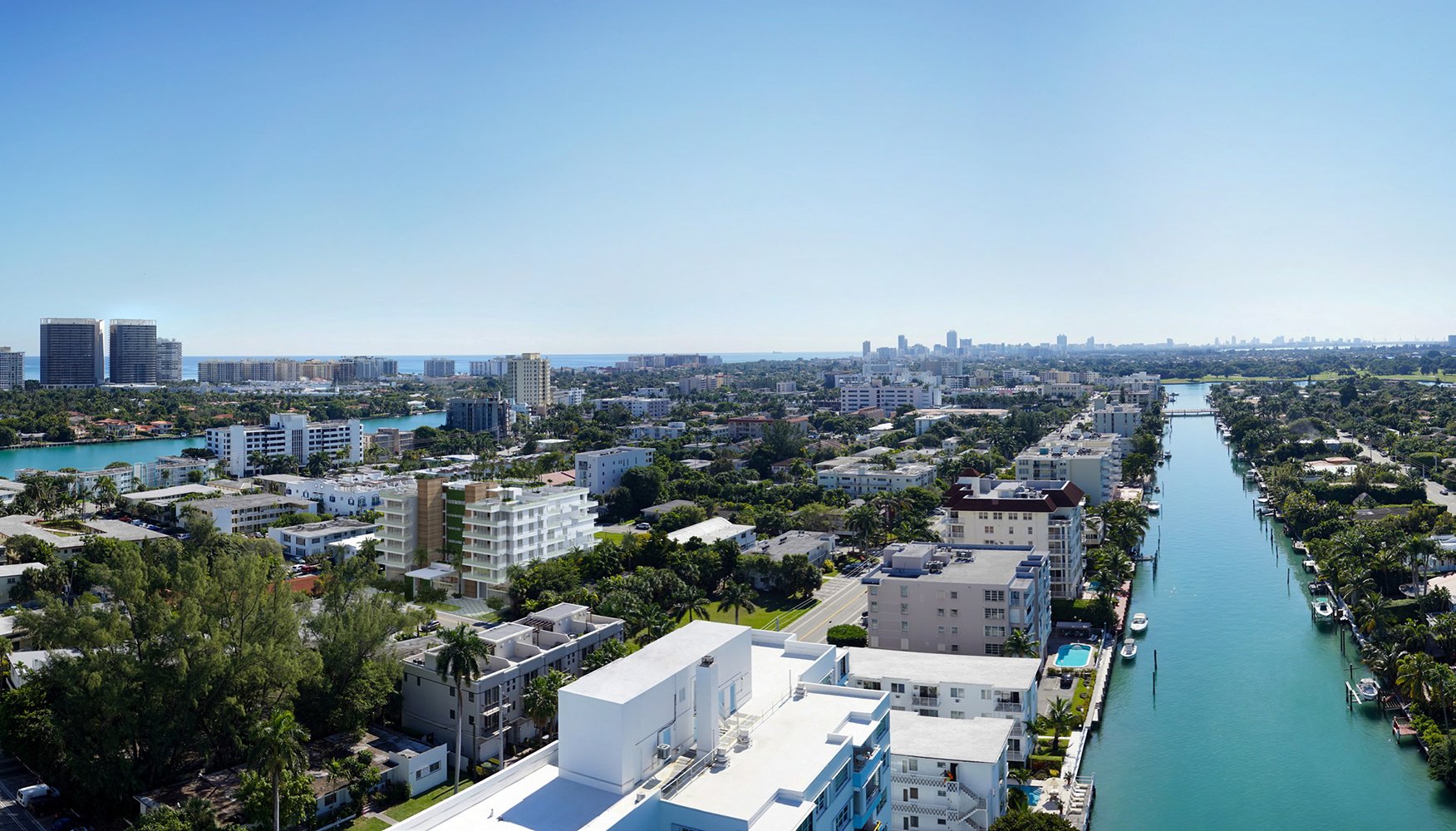
In Miami, convenience has become a luxury amenity, though not in the old, purely urban sense. The most sophisticated buyers are not simply asking whether dinner, coffee, fitness, or the waterfront are within walking distance. They are asking whether daily life can feel effortless without turning home into an extension of the street.
That distinction matters. A residence may sit within a lively district and still feel composed when its entry sequence, setbacks, lobby culture, elevator design, landscape buffer, and residential scale create a genuine pause between the public realm and private life. For many South Florida buyers, the ideal is no longer total seclusion or total immersion. It is selective proximity.
At the top of the market, walkability is not about abandoning the car. It is about choice. A morning errand, a late lunch, a wellness appointment, or an evening reservation should not require a production. At the same time, the arrival home should feel unmistakably private, quiet, and controlled.
Privacy is often misunderstood as distance. In reality, it is more nuanced. A home can be centrally positioned and still feel discreet if the building is designed to manage movement with precision. Buyers should study how guests, residents, staff, deliveries, valet, rideshare, and service functions are separated. The best residential experiences make these flows feel almost invisible.
Sound is another major consideration. A walkable address should be experienced at different hours, not only during a polished afternoon tour. The character of a street can change from morning to evening. An otherwise elegant setting may feel different during peak dining hours, weekend activity, or event periods. Privacy is partly architectural, but it is also temporal.
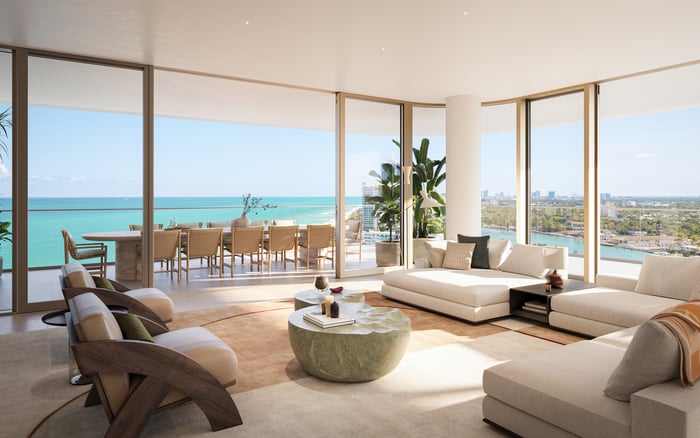
Verticality can help, but height alone is not a complete answer. A higher floor may offer more separation from the street, yet the building’s shared spaces still shape the resident experience. A calm porte cochère, measured lobby, secure elevator access, and well-considered amenity placement can matter as much as the residence itself.
Brickell remains one of Miami’s clearest case studies in convenience-driven luxury. For buyers who value a dense daily routine, the appeal is straightforward: the ability to live close to work, dining, wellness, and social life within a compact urban rhythm. Yet the best Brickell purchase is rarely about being in the middle of everything at any cost. It is about choosing the right edge, the right building culture, and the right arrival experience.
A buyer considering 2200 Brickell, for example, is often thinking beyond skyline presence. The more important question is how the residence supports a private life inside an active district. Does the building feel residential rather than transient? Is the lobby protected from the pace outside? Does the floor plan allow for retreat, not only views?
In Brickell, privacy is achieved through discipline. The strongest homes create separation without denying the energy that makes the neighborhood desirable in the first place.
Coconut Grove offers a different answer to the same question. Its appeal is less about intensity and more about a softer daily cadence. Buyers drawn here often want walkability that feels informal, leafy, and neighborhood-oriented rather than metropolitan. The privacy equation is therefore less vertical and more atmospheric.
A residence such as Four Seasons Residences Coconut Grove fits naturally into conversations about service, discretion, and lifestyle continuity. The buyer may still want quick access to restaurants, parks, marinas, or schools, but the emotional priority is often quiet confidence. Coconut Grove is compelling when convenience does not feel performative.
For families, seasonal residents, and buyers coming from single-family homes, this type of walkability can be especially persuasive. It offers the feeling of a residential enclave with the practical benefit of daily destinations within reach.
In Miami Beach, walkability carries a different texture. The setting often involves sand, water, hospitality, dining, and cultural life, while the challenge is preserving the serenity expected from a private residence. Buyers should think carefully about where the building sits within the broader beach rhythm and how it filters movement from public to private space.
Projects such as The Perigon Miami Beach are part of a wider buyer conversation about refined coastal living: how to stay close to the pleasures of Miami Beach without feeling absorbed by them. In this context, privacy may come from fewer residences, more controlled circulation, thoughtful landscaping, and a building personality that feels residential rather than hotel-like.
The coastal buyer should also weigh day-to-day rituals. Is the beach experience convenient but not crowded? Is dining close enough to enjoy but not close enough to dominate? Does the home feel restful on a holiday weekend? The answers often separate a beautiful address from a livable one.
Not every walkable Miami lifestyle needs to announce itself. Bay Harbor Islands, for many buyers, represents a quieter approach to access, one that can feel intimate while still connected to the broader Miami and Miami Beach orbit. A project like Onda Bay Harbor belongs in that conversation because it speaks to buyers who want convenience with a lower-profile residential tone.
Edgewater offers another version of the balance. It can appeal to buyers who want a waterfront or near-water lifestyle with access to Miami’s cultural and dining corridors, while still seeking a home environment that feels removed from the busiest retail streets. Villa Miami is an example of how the Edgewater conversation has become increasingly tied to design, views, and daily ease.
The key is not to rank these neighborhoods abstractly. It is to match the neighborhood’s rhythm to the buyer’s actual life. A person who wants morning quiet may not define convenience the same way as someone who prioritizes spontaneous dinners and late-night energy.
The best evaluation begins with the week, not the weekend. Buyers should imagine the ordinary Tuesday: coffee, meetings, school runs, dog walks, fitness, groceries, guests, deliveries, and the return home after dinner. If the residence supports those patterns gracefully, it is doing more than offering an attractive location.
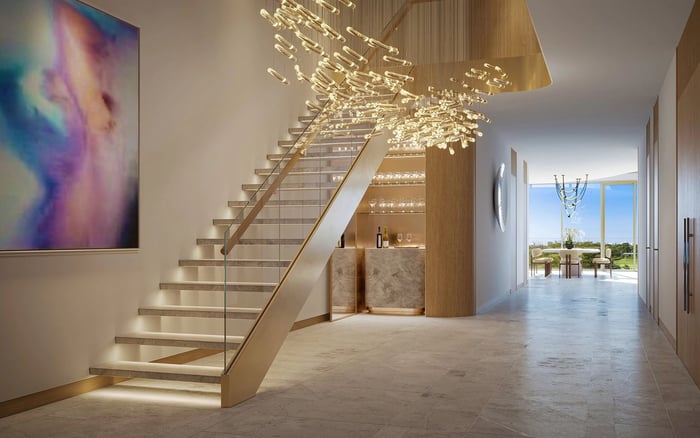
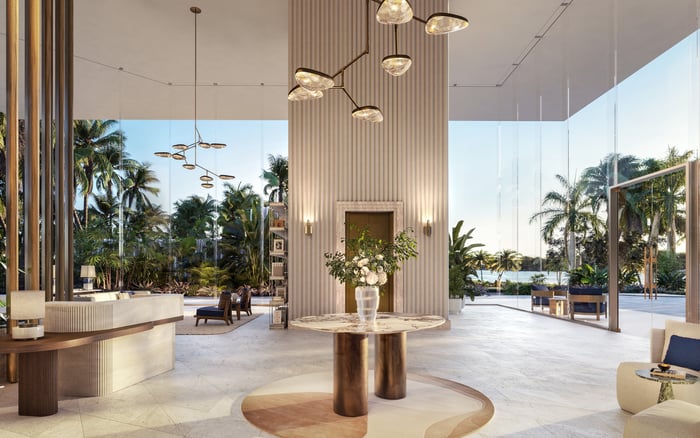
Then consider thresholds. Where does the public street end and the private residence begin? Is there a true sense of transition? Luxury buyers often notice this immediately, even if they do not describe it technically. A well-designed entry lowers the pulse. It signals that the world outside is available, but not invited in.
Finally, buyers should distinguish between amenity abundance and lifestyle usefulness. A long list of features may impress on paper, but walkable privacy depends on how often daily needs can be met with ease and how consistently the home remains a sanctuary afterward.
Miami’s most compelling residences are not defined by convenience alone. They are defined by control: control over pace, exposure, sound, access, and routine. The buyer who understands this will look past broad neighborhood labels and study the lived experience of a building.
For search purposes, terms such as Brickell, Edgewater, Miami Beach, Bay Harbor, and Coconut Grove are useful starting points. But the real decision is more personal. The right residence should make the city feel available while allowing private life to remain elegantly protected.
Is walkability still important for luxury buyers in Miami? Yes. Many buyers value the option to reach dining, wellness, retail, and waterfront settings easily, even if they still keep cars and drivers.
Does a walkable address mean less privacy? Not necessarily. Privacy depends on design, access control, building culture, landscaping, sound, and how public and private areas are separated.
What should I study during a private tour? Pay attention to the arrival sequence, lobby atmosphere, elevator privacy, street noise, service access, and how the residence feels at different times of day.
Is Brickell best for buyers who want maximum convenience? Brickell can suit buyers who want a highly connected urban routine, but the right building and exact setting matter more than the neighborhood name alone.
Why do some buyers prefer Coconut Grove? Coconut Grove can appeal to buyers who want a more residential, village-like rhythm while still maintaining access to daily destinations.
How should Miami Beach buyers think about privacy? They should look for residences that manage beach energy carefully, with controlled entry, calm shared spaces, and a strong sense of retreat.
Can Bay Harbor feel walkable and discreet? Yes. Bay Harbor can be attractive for buyers seeking a quieter residential tone while remaining connected to surrounding Miami destinations.
Does Edgewater offer a different kind of convenience? Edgewater can work for buyers who want access to urban and cultural areas while preserving a residential, view-oriented home base.
Should I choose neighborhood first or building first? Start with lifestyle needs, then compare both neighborhood rhythm and building execution. A strong building can refine how a location feels.
What is the best way to shortlist comparable options for touring? Start with location fit, delivery status, and daily lifestyle priorities, then compare stacks and elevations to validate views and privacy.
When you're ready to tour or underwrite the options, connect with MILLION.
If branded residences are on your mind — as a home or as an allocation — we would be glad to share what we are seeing, privately.
Begin a quiet conversation