A discreet buyer’s guide to evaluating South Florida waterfront property through the lens of yacht ownership, from draft and tide to dock rights, insurance, and marina access.
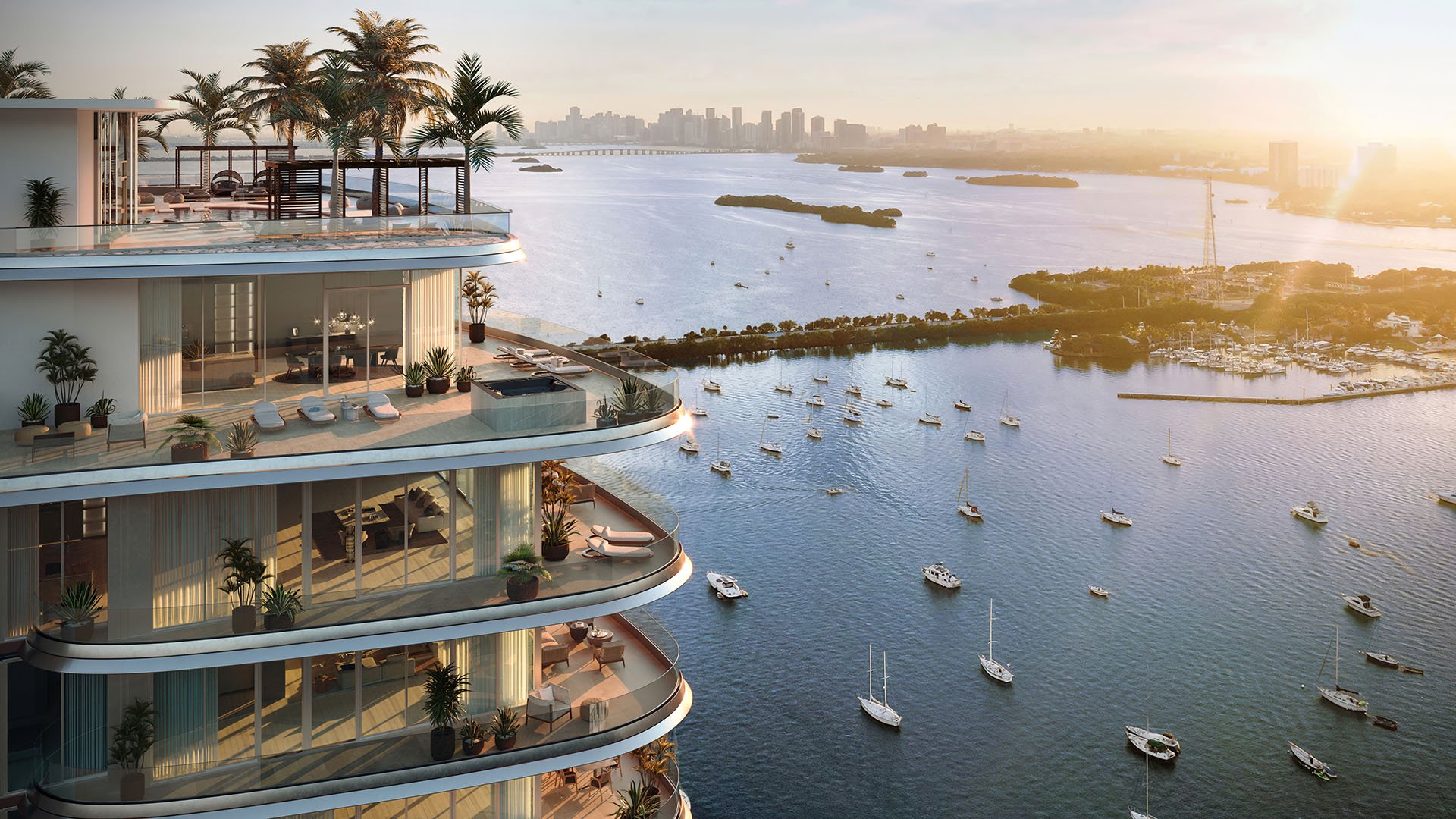
In South Florida, “deep-water” carries a particular allure. It suggests ease, status, and the rare freedom of stepping from a private terrace to a waiting yacht. Yet for serious buyers, the term should be treated less as marketing language and more as a technical claim requiring verification. A magnificent facade, a wide bay view, or a newly finished dock may still fail the practical test if the water, access, permissions, or exposure do not suit the vessel.
The most sophisticated waterfront purchasers separate romance from readiness. They ask not only whether a property has a dock, but whether that dock can reliably serve the yacht they own, the yacht they intend to buy, and the way they actually navigate South Florida’s waterways. That distinction is critical in a region where canals, bays, inlets, fixed bridges, currents, wakes, and storm conditions can vary dramatically from one neighborhood to the next.
For disciplined searching, broad labels such as Fort-lauderdale, Bay-harbor, Marina, Boat-slip, Waterview, and New-construction should be translated into measurable questions before a contract becomes emotional.
A proper waterfront search begins with the boat’s specifications. Overall length matters, but it is only the first line item. Beam, draft, air draft, weight, tender storage, shore power needs, fuel habits, crew access, and maneuvering room all influence whether a dock is truly usable.
Buyers should compare the vessel’s loaded draft against the least favorable water conditions, not a best-case afternoon reading. A dock that appears comfortable at high tide may become stressful at a lower tide, particularly if the approach channel is shallow, narrow, or prone to silting. The turning basin deserves equal attention. A long yacht may technically fit alongside a seawall yet still require difficult handling in crosswind or current.
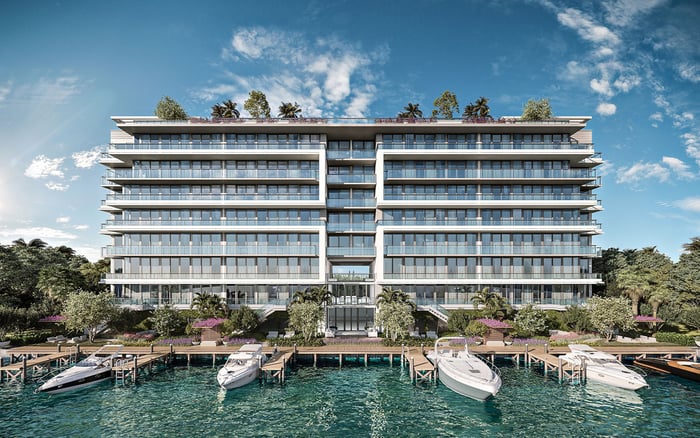
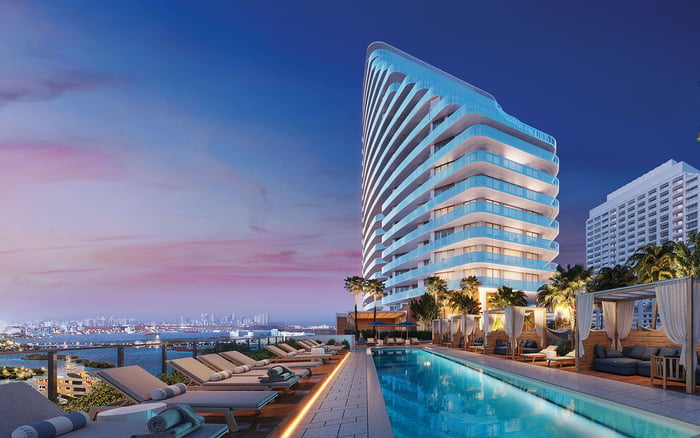
Luxury condominium buyers should apply the same scrutiny to private slips and nearby marina arrangements. Residences associated with yachting corridors, such as St. Regis® Residences Bahia Mar Fort Lauderdale, invite a more vessel-specific conversation: not simply “Is there boating nearby?” but “Does the boating infrastructure suit my actual use?”
Depth is not one number. It should be considered at the slip, along the approach, and through any route required to reach open water. The weakest point governs the experience. A generous berth has limited value if the yacht must pass through a restrictive stretch each time it leaves.
Prudent buyers commission or request site-specific information and review it with marine professionals before closing. The key question is usable clearance under ordinary operating conditions, accounting for tide, bottom conditions, sedimentation, and the vessel’s real-world loading. Fresh bottom paint, full fuel, water, provisions, toys, and crew can all affect how the yacht sits.
Maintenance responsibility deserves the same focus. If dredging, seawall repair, dock replacement, or channel maintenance becomes necessary, who controls the decision and who pays? In a single-family setting, the answer may sit with the owner and permitting authorities. In a condominium or association environment, it may involve rules, budgets, voting thresholds, and shared obligations.
For many yacht owners, bridge clearance is as important as water depth. A property may appear close to the ocean by map distance yet prove inconvenient for a vessel with meaningful air draft. Fixed bridges, bridge schedules, current, and traffic can turn a quick run into a constrained departure.
The route should be evaluated as an owner would actually use it. Consider whether departures happen at dawn, after dinner, during event weekends, or before weather windows. Ask how the route feels in season, when tenders, sportfish boats, day cruisers, paddlecraft, and commercial traffic share the same waterways.
This is where neighborhood character matters. Fort Lauderdale waterfront conversations differ from Miami Beach island conversations, and Bay Harbor Islands differs from a wide Intracoastal frontage. In each case, the buyer should define the desired boating pattern first, then test the property against that pattern. A residence such as Riva Residenze Fort Lauderdale may sit naturally in a discussion about urban waterfront living, but the yacht question still turns on exact access, exact rules, and exact fit.
A dock is only as valuable as the rights attached to it. Buyers should confirm whether dockage is deeded, assigned, leased, licensed, shared, or subject to separate approval. They should also review whether the slip can be transferred, rented, modified, expanded, or used by guests or crew.
In condominiums and planned communities, the governing documents deserve close reading. Restrictions may address vessel length, liveaboard use, commercial activity, lifts, fenders, storage boxes, dock carts, power pedestals, fuel handling, hours of contractor access, and insurance obligations. A rule that seems minor during a showing can become inconvenient when a captain, mechanic, or provisioning team needs routine access.
For single-family estates, buyers should confirm the status of docks, seawalls, lifts, pilings, and any improvements extending over submerged lands. The objective is not to slow the transaction. It is to prevent a beautiful closing from becoming a post-closing permitting problem.
South Florida waterfront ownership rewards preparation. A buyer should understand how a property is exposed to wind, surge, wake, and fetch. Wide water may offer a spectacular view, but it can also create more movement at the dock than a protected canal. Conversely, a sheltered canal may offer peace at the berth while imposing more restrictions on draft or turning radius.
The seawall is a major capital asset, not a background detail. Its condition, height, tiebacks, cap, drainage, and relationship to neighboring seawalls can influence both safety and future expense. Dock hardware should be reviewed with similar discipline: pilings, cleats, ladders, bumpers, lighting, electrical service, water service, and lift capacity all matter.
Insurance should be discussed early. The property, dock, yacht, liability coverage, crew activity, and named storm protocols may interact in ways that deserve careful review. Buyers should ask how the vessel will be secured, where it may relocate, and whether the dock remains usable after a significant weather event.
Not every yacht owner needs the vessel behind the residence. Some prefer the privacy of a home near a full-service marina, especially when the yacht requires professional crew, fueling, maintenance, or concierge-level provisioning. Others prioritize the intimacy of private dockage, even if that means assuming more operational responsibility.
The best answer depends on usage. A day boat, a center console, a tender, and a large yacht each create a different property brief. In Bay Harbor Islands, boutique waterfront living around projects such as La Maré Bay Harbor Islands and Onda Bay Harbor may appeal to buyers who want calm, design-forward residential settings while keeping marine access central to the lifestyle discussion.
For larger vessels, the conversation often shifts toward service, approach, crew logistics, and storm planning. The residence becomes one part of a larger operating system. The right purchase aligns the home, the yacht, the captain, the marina plan, and the owner’s calendar.
Before signing, yacht owners should reduce the waterfront promise to documents, measurements, and professional opinions. Confirm vessel dimensions, obtain dock and seawall details, review association rules, ask for permit history where applicable, and understand who controls repairs or improvements. Walk the dock at different times if possible. Observe wakes, current, neighboring boats, lighting, security, and access for crew or contractors.
Most importantly, avoid assuming that a luxury address automatically solves the nautical problem. South Florida’s finest waterfront properties are not interchangeable. The best one is the property where architecture, water, access, and operations meet without friction.
What does deep-water docking really mean for a buyer? It means the dock, approach, and route can accommodate the intended vessel under practical operating conditions, not just in theory.
Should I verify depth before making an offer? Yes. Depth should be evaluated early enough to shape pricing, contingencies, and the decision to proceed.
Is dock length the same as yacht capacity? No. Beam, draft, air draft, weight, turning room, rules, and insurance can all affect whether a vessel is suitable.
Why does tidal variation matter? A yacht that clears comfortably at one tide may have less room at another, particularly in shallow approaches or canals.
Are bridge clearances always obvious from a map? No. A map may suggest proximity, but the actual route can include fixed bridges, schedules, current, and traffic.
Can condominium dock rights differ from one building to another? Yes. Rights may be deeded, assigned, leased, shared, or governed by detailed association restrictions.
What should I ask about seawalls? Ask about condition, maintenance responsibility, visible cracking, drainage, tiebacks, height, and any planned repairs.
Is a nearby marina better than a private dock? It depends on the vessel and lifestyle. Larger yachts may benefit from marina services, while smaller boats may favor private access.
Should my captain review the property? For yacht owners, a captain or marine professional can identify operational issues that are easy to miss during a showing.
What is the best way to shortlist comparable options for touring? Start with location fit, delivery status, and daily lifestyle priorities, then compare stacks and elevations to validate views and privacy.
To compare the best-fit options with clarity, connect with MILLION.
If branded residences are on your mind — as a home or as an allocation — we would be glad to share what we are seeing, privately.
Begin a quiet conversation