Ultra-luxury buyers in Miami Beach increasingly treat home automation as core infrastructure: unified control, privacy-forward design, resilient networking, and storm-aware routines tailored to coastal living and lock-and-leave ownership.
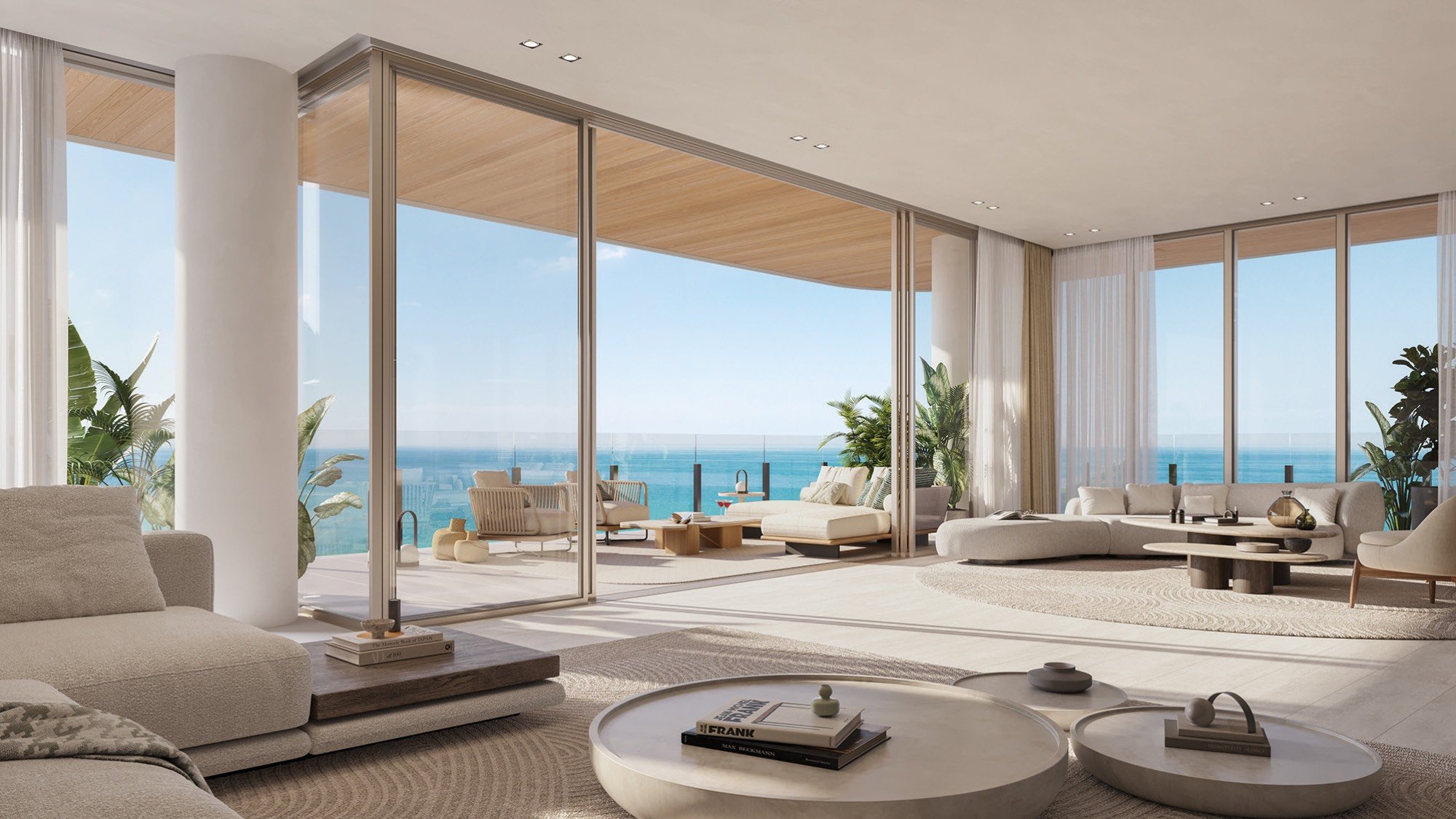
In Miami Beach, automation has shifted from novelty to expectation-especially in the ultra-luxury tier, where many owners divide time among multiple residences. The requirement is straightforward: the home should operate like a professionally run property, even when it’s empty. That calls for remote visibility and control of doors, lighting, climate, shading, water and power shutoff routines, and security-delivered with the quiet dependability of a well-managed building.
This shift is inseparable from the realities of second-home ownership. When a residence sits unoccupied for weeks, minor issues can become expensive quickly: humidity builds, a small leak escalates, deliveries sit exposed, and service visits turn into key logistics. Automation reduces that friction by making the home a monitored system with clear states-occupied, away, storm mode, service mode, and arrival.
For many buyers, “smart” no longer means voice control. It means confidence: the ability to check in discreetly, adjust settings, and grant access-without living inside a patchwork of apps and logins.
The most common complaint in high-end residences isn’t a lack of technology-it’s too much of the wrong kind. A piecemeal approach creates “app fatigue,” where lighting has one interface, shades another, climate a third, and security a fourth, each with separate passwords and update cycles.
Ultra-luxury buyers increasingly favor unified control platforms that bring the major domains together: lighting, HVAC, audiovisual, shading, and security. In practice, professional-grade installations in South Florida often center on ecosystems such as Crestron, Control4, and Lutron, chosen for integration depth and long-term support. Lutron is especially prevalent for lighting and shading, where scene-based control and motorized shades can be tuned to how Miami Beach homes actually live: bright days, reflective water light, and the need for privacy without sacrificing views.
What matters is the lived experience. A unified system should feel like one home-not five separate products. In showings, that translates to intuitive keypads, a single homeowner app, and consistent logic: “Goodnight” doesn’t merely turn off lights; it sets shades, adjusts the thermostat, arms perimeter security, and confirms doors.
Discretion is a luxury, and privacy-first design is rapidly becoming a buyer priority. The intent isn’t to eliminate convenience-it’s to limit unnecessary exposure: fewer accounts, fewer third-party handoffs, and clearer control over what’s stored and where.
In this environment, privacy-forward smart-home design often emphasizes local processing and reduced cloud dependency where feasible, paired with professional security practices for the home network. Some luxury owners also prefer voice experiences designed with privacy in mind, including solutions positioned to reduce reliance on cloud processing while integrating with professional automation ecosystems.
The takeaway is practical: ask what runs locally, what requires the internet, what continues working if the connection drops, and how the system handles logs, cameras, and microphones. A well-designed residence should let you enjoy automation without feeling surveilled in your own home.
In large residences and complex condos, the most consequential “smart” upgrade is often the least visible. Structured wiring-including hardwired Ethernet and fiber where appropriate-remains foundational for reliability, performance, and future expansion. Managed Wi‑Fi is essential, but Wi‑Fi alone is rarely sufficient for a home that demands seamless video, security streams, and multi-room audio.
For Miami Beach buyers, this is not theoretical. Thick concrete, extensive glazing, and dense neighboring networks can strain wireless performance. A professionally designed connectivity plan typically includes enterprise-grade access points, clean equipment racks, battery backup for critical gear, and a documented network that a future integrator can service.
When touring, look for the quiet signals: neat low-voltage panels, labeled runs, ventilated AV closets, and a layout that anticipates upgrades. The best systems stay invisible-until you need them, and then they simply work.
In Miami Beach, automation ultimately serves comfort and preservation. Coastal conditions-humidity, salt air, and wind-driven rain-shape material choices and can influence technology decisions, from corrosion-resistant hardware to thoughtful sensor placement.
From a performance standpoint, HVAC is where luxury automation proves its value. Smart thermostats can reduce heating and cooling costs by an estimated 10-15% annually compared with manual or basic programmable operation, but in high-end homes the larger benefit is proactive control: maintaining stable humidity, monitoring unusual temperature swings, and coordinating settings with occupancy.
In larger layouts, zoned HVAC is commonly recommended, allowing different areas to run at different setpoints and reducing wasted conditioning in unused spaces. In a true lock-and-leave scenario, zoning also enables a more sophisticated “away” profile: protect art, millwork, and soft goods by keeping humidity in range, while easing conditioning where it isn’t needed.
In new construction and high-end renovations, buyers should ask not only which thermostat is installed, but how the system is commissioned: sensor calibration, humidity targets, and the logic that determines when to dehumidify versus cool.
Wellness has become a central narrative in luxury residential design, and automation is increasingly how it’s delivered. Circadian lighting, for example, can shift intensity and color across the day to support natural sleep-wake rhythms-an especially natural pairing with Miami Beach’s luminous daylight.
Air quality is another priority, with growing emphasis on monitoring and automated responses. The strongest implementations connect sensors to ventilation and filtration strategies so the home can respond without drama. In practice, that might mean a simple prompt when particulate levels rise, or a more integrated response that coordinates HVAC modes and ventilation.
In curated oceanfront living, these features feel less like technology and more like hospitality: lighting softens as evening arrives, shades reposition for glare, and the bedroom is prepared for sleep without a single tap.
In coastal Florida, resilience is part of luxury. Hurricane and storm-readiness upgrades in remodeling often focus on openings and envelope performance, and smart-home logic can complement those physical protections with clear, repeatable routines.
A well-designed “storm mode” might include shade positioning, nonessential power-down sequences, camera alerts, and environmental monitoring while the home is unoccupied. Equally important is “service mode,” which lets a homeowner or property manager grant time-bound access for housekeeping, maintenance, or deliveries-without circulating keys.
Smart locks and access-management tools support remote guest and service-provider workflows aligned with second-home and property-management use. The luxury standard isn’t simply a keypad; it’s a permissions model: who can enter, when, and what the system does upon entry-such as disarming selected zones, turning on task lighting, and logging completion.
Miami Beach interiors are often defined by daylight, reflections, and view corridors. That has real implications for media design. In spaces where ambient light makes projection less practical, higher-brightness display solutions and video walls are increasingly positioned as luxury options.
The priority is integration. Televisions should disappear when not in use through architectural placement, motorized concealment, or disciplined wall compositions. Whole-home audio should be zoned and effortless, with scenes that track real life: terrace, spa bath, dinner, and late-night.
In ultra-luxury condos, the best entertainment systems are designed to honor the architecture-not overwhelm it-with acoustics and wiring planned early rather than retrofitted after furniture arrives.
Automation can be demonstrated beautifully, but its value is measured in daily reliability. During a walkthrough, focus on questions that surface system quality without turning the visit into a technical audit.
Start with control: is there a single interface for the home’s major functions, or multiple apps? Then test resilience: what continues working during an internet outage, and what fails gracefully? Ask about the backbone: is the system largely hardwired, and is the network professionally managed? Finally, clarify ownership: is there a maintenance plan, and can the next owner service and expand the system without rebuilding it from scratch?
When those answers are strong, automation becomes part of the home’s identity-as fundamental as the view or the ceiling height.
Miami Beach’s branded and design-forward residences have helped set a regional benchmark for what buyers expect from turnkey, service-oriented living. In homes associated with hospitality-caliber experiences, the question is less whether automation exists and more whether it’s coherent: lighting scenes, shading logic, climate stability, and secure access that align with an owner’s schedule.
For buyers who prioritize a refined arrival sequence and a residence that behaves like a discreet suite, Setai Residences Miami Beach offers a useful reference point for the lifestyle expectations that surround ultra-premium ownership in the area.
If your lens is privacy and controlled access within a boutique setting, The Ritz-Carlton Residences® Miami Beach is a reminder that, at the top end, technology is most valuable when it quietly supports service, security, and ease.
Along the ocean, buyers drawn to quieter frontage and a more residential rhythm often look toward buildings like 57 Ocean Miami Beach, where automation priorities tend to be comfort, shading control, and climate performance that protects interiors in coastal conditions.
For those who value a club-like sensibility and the choreography of arrival, dining, and entertaining, Casa Cipriani Miami Beach underscores how smart-home systems increasingly mirror hospitality operations: scenes, scheduling, and permissions that make hosting feel effortless.
And for collectors and design purists, Faena House Miami Beach reflects the broader reality that the best technology is the kind you don’t notice-until it saves the day.
Smart-home features can support property value and marketability, with energy efficiency and security among the most common value drivers. In the ultra-luxury tier, automation also acts as a proxy for diligence: a home with thoughtfully designed systems often signals that other unseen fundamentals-such as electrical planning and low-voltage infrastructure-were handled with equal care.
Buyers should still separate marketing language from architecture. The most valuable automation is durable, integrated, and serviceable. It’s less about the newest gadget and more about an ecosystem that can evolve without disruption.
What does “whole-home automation” mean in an ultra-luxury Miami Beach residence? It typically means one unified system controlling lighting, HVAC, shades, AV, and security with consistent scenes and remote monitoring.
Why do luxury buyers dislike having multiple smart-home apps? Managing multiple device-specific apps creates friction and ongoing maintenance, so unified control is preferred for simplicity and reliability.
Which automation ecosystems are common in pro-grade luxury installs? Professional projects often center on Crestron, Control4, and Lutron rather than relying only on consumer voice assistants.
What is the role of Lutron in luxury residences? Lutron is widely used for lighting and shading, enabling scene-based control and motorized shade automation.
How important is privacy in high-end smart-home design? Many buyers prioritize privacy-forward setups that reduce cloud dependency and give owners clearer control over data and devices.
Why does structured wiring still matter in 2026? Hardwired infrastructure supports reliability, performance, and future expansion, especially in large homes with complex systems.
Can smart thermostats really reduce energy costs? Smart thermostats can reduce heating and cooling costs by an estimated 10-15% annually versus manual or basic programming.
Is zoned HVAC worth it for large South Florida homes? Zoning lets different areas run at different setpoints, reducing wasted conditioning and improving comfort in big layouts.
What is circadian lighting and why is it trending? It is lighting that shifts color and intensity throughout the day to support sleep-wake rhythms and a wellness-oriented environment.
How do smart locks fit the “second-home” lifestyle? They enable remote, time-bound access for guests and service providers, aligning with property management and lock-and-leave use.
To compare the best-fit options with clarity, connect with MILLION Luxury.
If branded residences are on your mind — as a home or as an allocation — we would be glad to share what we are seeing, privately.
Begin a quiet conversation