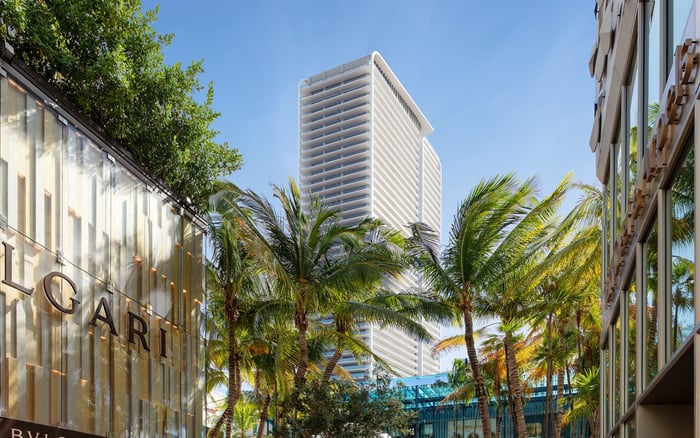
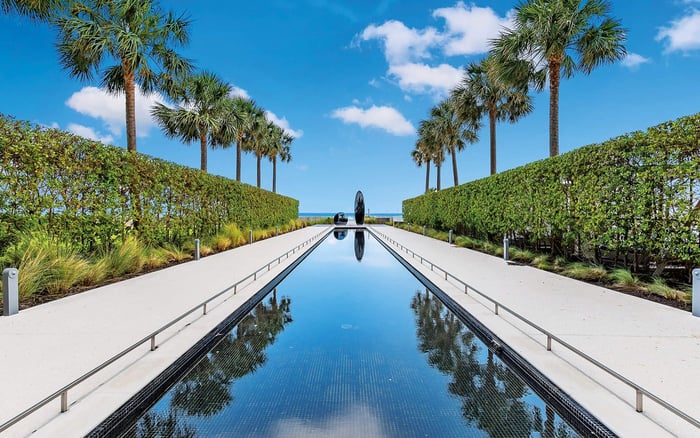
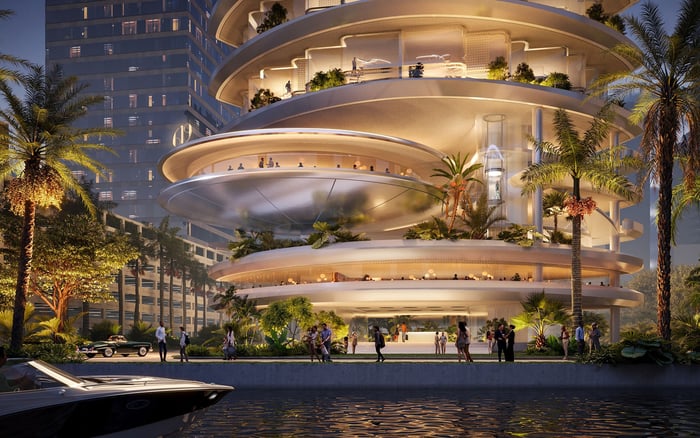
A buyer-oriented comparison of how Downtown Miami and the Miami Beach corridor connect to the region’s most important cultural anchors, and what that means for day-to-day living.
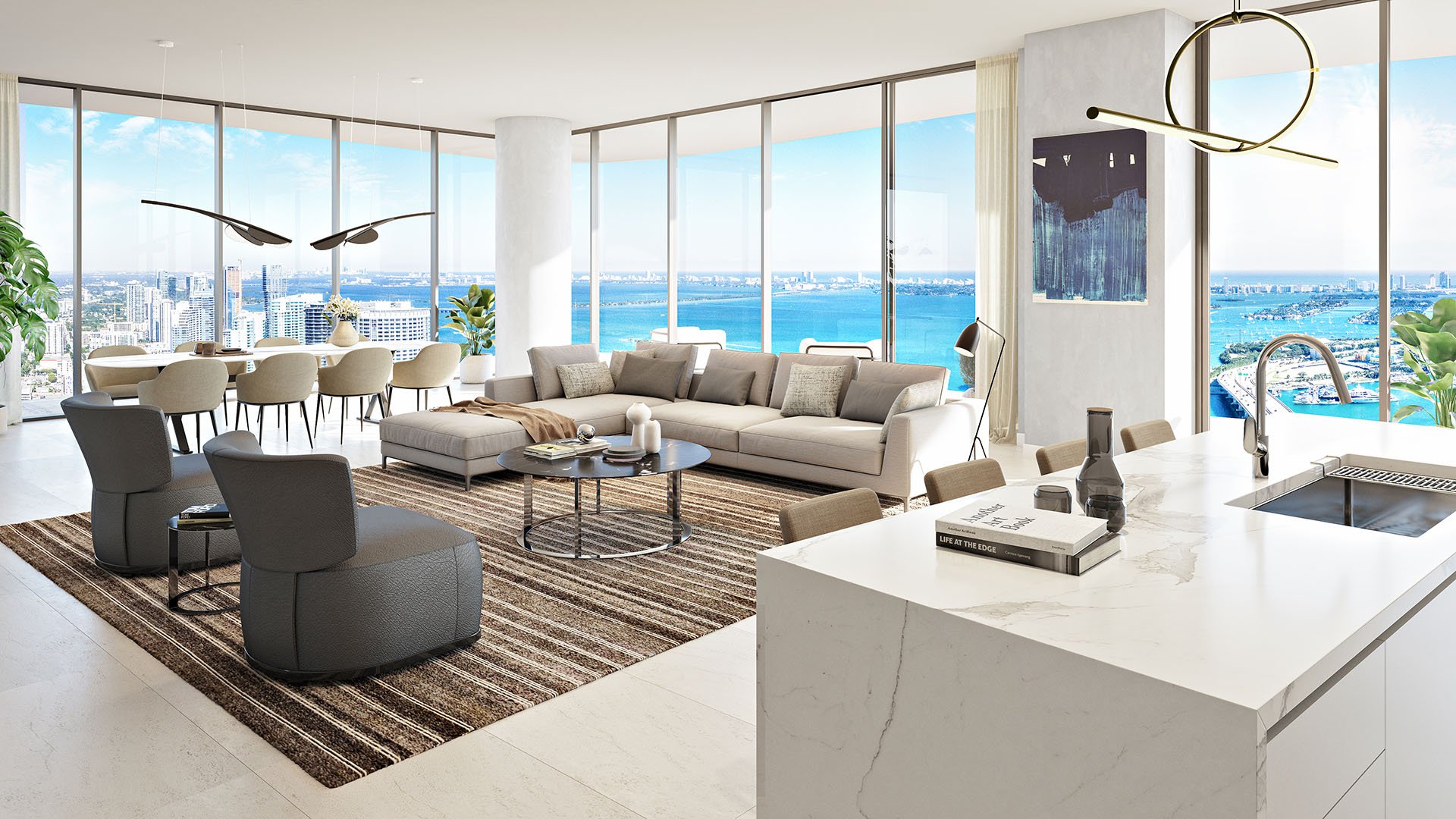
Luxury buyers rarely choose a residence for a single destination. They choose for a rhythm: a weeknight gallery opening that doesn’t feel like a production, a Sunday museum visit that rolls into a long lunch, a concert where the trip home is effortless enough to repeat next month.
In Miami, “close” can mean very different things depending on the time of day, the bridge you need, and whether you prefer to arrive on foot, by car with valet, or via a quick rideshare. In this comparison, the lens isn’t a measuring tape-it’s the lived experience of reaching cultural anchors consistently from two lifestyle poles: Casa Bella by B&B Italia Downtown Miami in Downtown, and Miami Tropic Residences in the broader Miami Beach orbit.
Downtown Miami’s advantage is density. When cultural anchors cluster, you can stack experiences: a museum followed by a performance, dinner with time to spare, a late drink without feeling like you had to “commit” to the night.
From a Downtown base, the cultural circuit tends to center on large-format venues, institutions, and waterfront promenades-then pairs naturally with reservations in Brickell and the Design District. The appeal is as practical as it is aesthetic: fewer decision points, fewer bridges, and less dependence on perfect timing.
For buyers who like to say yes to invitations, Downtown can read as a bias toward spontaneity. The evening can stay simple: out, back, and asleep-without building your night around a commute. In a market where culture often starts at 8 p.m. and the best seats reward early arrival, that convenience becomes a real luxury.
Within this same central corridor, buyers often compare newer skyline product and amenity programs. If you’re calibrating what “central” feels like at street level, it can help to contrast the Downtown experience with nearby peers such as Waldorf Astoria Residences Downtown Miami-a reminder that for many owners, the luxury isn’t only the residence, but the reduced friction of getting to what matters.
Miami Beach reads differently. Culture here isn’t only institutional; it’s ambient and design-forward, shaped by hotel lobbies, galleries, pop-ups, and a social calendar that intensifies during art and fashion moments.
A beachside residence often aligns with a walkable, visually rich lifestyle. Even when you’re heading to a major event, the pre- and post-experience can stay within a tighter radius: an espresso, a stroll, a quick change, a late-night bite. That contained radius can matter as much as the headline venue.
For residents who prioritize the aesthetic of daily life, the Beach loop also supports a softer form of cultural access: frequent, casual exposure to art and design rather than occasional “big nights.” The tradeoff is straightforward-when you do need to cross to the mainland, timing becomes the tool. Owners who love Miami Beach tend to be comfortable planning departures and returns around traffic windows.
To contextualize the Beach lifestyle at a similar luxury tier, it’s helpful to look at the South of Fifth residential energy and its adjacency to hospitality and cultural programming, exemplified by The Ritz-Carlton Residences® South Beach. The point isn’t equivalence. It’s that Miami Beach often sells a curated day, not just a location.
Because the Research Pack and Fact Table do not specify a fixed list of venues, MILLION Luxury frames “cultural anchors” as the places residents return to repeatedly, across seasons.
Downtown’s anchor profile
tends to be:
Large venues and institutions that reward frequent attendance.
Waterfront public spaces that make a short outing feel complete.
Proximity to Brickell for dinners that pair naturally with events.
Miami Beach’s anchor profile
tends to be:
Design-centric, gallery-forward experiences.
Hotel culture, private events, and seasonal programming.
A walkable social fabric where “going out” can happen in stages.
If your calendar is built around planned performances and ticketed events, Downtown often feels like the simpler home base. If your calendar is built around cultural atmosphere and informal encounters, Miami Beach can feel more immersive.
In South Florida, the hardest part of a cultural night is often not getting there-it’s getting back.
Downtown return trips
often feel predictable because the destination set is closer to home, and because the street grid and highway access provide multiple routing options. The resident mindset is: “I can decide late.”
Beach return trips
can be either effortless or tedious depending on timing. Residents who thrive here tend to have a playbook: leave earlier, stay later, or accept that certain nights are better kept on the Beach side. The resident mindset is: “I can make it easy if I manage the window.”
For buyers who host, this difference matters. Guests who are already on the Beach will often meet you for a last-minute opening. Guests who need to cross the causeway may require more notice-subtly shaping the cultural life you actually end up living.
A useful way to choose between these poles is to separate cultural access into daytime and nighttime.
Daytime culture
is about ease: a museum visit between meetings, a quiet gallery walkthrough, a waterfront walk that clears your head. Downtown often wins here for residents who work on the mainland or keep a weekday routine.
Nighttime culture
is about mood: how the neighborhood feels at 10 p.m., how quickly you can transition from event attire to home, and how safe and comfortable the streets feel when you return. Miami Beach often wins here for buyers who want the night to feel like part of the experience-not just the main event.
If your lifestyle is more global than local, the calculus can shift again. Owners who travel frequently may prioritize the neighborhood that feels like a true “arrival” when they come back. For some, that’s the skyline and energy of Downtown. For others, it’s the resort-like cadence of Miami-beach.
You return to the same venues, maintain memberships, and prefer a predictable routine. You care less about being seen and more about access.
This profile often favors Casa Bella by B&B Italia Downtown Miami, where centrality supports repeat attendance without requiring a full evening commitment.
You attend openings, dinners, and seasonal moments. You value design, walkability, and the feeling that culture is “in the air.”
This profile often favors Miami Tropic Residences, where the neighborhood itself becomes part of the cultural program.
You split time between structured cultural nights and casual, last-minute plans. You want optionality and an address that works across different groups of friends.
This profile may keep Downtown as the primary base and treat Miami Beach as a frequent destination-or do the opposite while accepting that mainland nights require planning. Either way, you’re buying a system, not a single commute.
Even when the decision is between two specific projects, sophisticated buyers often benchmark against adjacent neighborhoods to pressure-test the choice.
If you’re drawn to Downtown’s cultural density but want a different flavor of urbanism, the Brickell-to-Downtown spine can be a useful reference point. Consider how the lifestyle reads near Brickell and compare it to Downtown’s institution-heavy cadence, with projects such as St. Regis® Residences Brickell illustrating the “city-first” approach to dining, waterfront access, and event nights.
Similarly, if Miami Beach’s cultural loop resonates but you want a calmer residential tone, some buyers look north along the sand for a more insulated, design-led experience while staying connected to the same seasonal art calendar. That conversation often includes ultra-premium product such as The Surf Club Four Seasons Surfside, which underscores how cultural proximity can also mean proximity to a particular clientele and social tempo.
The point of these comparisons isn’t to dilute the decision. It’s to clarify what you’re truly optimizing: institution access, social atmosphere, or the elegance of your everyday transitions.
Where do you go when you have only 90 minutes and want culture, not shopping?
Do you prefer to walk into culture, or arrive by car with valet?
Are you comfortable planning around traffic windows, or do you want maximum spontaneity?
When you host, will your guests more often originate on the mainland or on the Beach?
For most buyers, the answer reveals itself quickly. If crossing the causeway feels like a minor inconvenience, Downtown is likely your anchor. If leaving the Beach feels like leaving the experience, Miami Beach may be the better cultural home.
Is Downtown Miami generally better for big-ticket cultural nights? Often, yes-large venues and institutions typically sit more centrally within the mainland grid.
Does Miami Beach offer meaningful culture beyond nightlife? Yes. The Beach loop can be rich in galleries, design, and seasonal programming.
Which location feels easier for spontaneous plans? Downtown typically supports spontaneity because fewer bridge crossings are required.
Which is better for a walkable pre and post event routine? Miami Beach often feels more walkable for a full evening arc within a single area.
How should I think about traffic when comparing the two? Treat traffic as a lifestyle variable: Downtown reduces dependence on timing; the Beach rewards it.
Does cultural proximity affect resale appeal? It can, because buyers often pay for convenience and the identity that cultural access signals.
If I work on the mainland, does that change the decision? Frequently, yes-weekday routines tend to favor a mainland base for smoother transitions.
If I host often, which location tends to be simpler for guests? It depends on your circle, but Downtown can be simpler when guests are spread across Miami.
Can Miami Beach residents still access Downtown culture easily? Yes, particularly when you plan departures and returns around known traffic windows.
What is the most overlooked factor in this comparison? The return trip after an event, since it determines how often you’ll actually go out.
If you'd like a private walkthrough and a curated shortlist, connect with MILLION Luxury.
If branded residences are on your mind — as a home or as an allocation — we would be glad to share what we are seeing, privately.
Begin a quiet conversation