Miami’s most coveted new towers are sold off plans, years before delivery, on contracts drafted to favour the developer. This guide unpacks the journey from reservation to closing, explains milestone deposits, outside dates, force‑majeure protections and developer fees, and highlights the clauses that matter most in projects such as St. Regis® Residences Brickell, Bentley Residences Sunny Isles and Waldorf Astoria Residences Downtown Miami, so you can pair resort‑grade living with institutional‑grade due diligence.

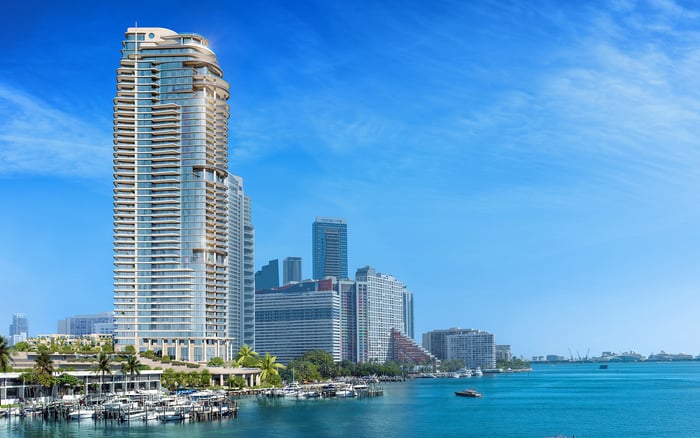
For Miami’s most discerning buyers, the appeal of New-construction is obvious: shimmering glass towers, sanctuaries in the sky, and branded residences that feel like five-star hotels you happen to own. From the bayfront elegance of St. Regis® Residences Brickell to the oceanfront drama of Bentley Residences Sunny Isles and the skyline‑defining Waldorf Astoria Residences Downtown Miami, today’s developments promise rarefied privacy, curated amenities, and extraordinary architecture.
Behind every glossy brochure, however, sits a dense contract written by the developer’s attorneys. It is designed, first and foremost, to protect the project. Understanding how that document works – and where you can and cannot negotiate – is essential if you want your Miami home to deliver the lifestyle you imagine, on a timeline and budget you control.
This guide from MILLION Luxury is crafted for buyers already comfortable at the top of the market. It distills how Miami Pre-construction contracts are structured, which clauses matter most, and the practical questions to ask before you wire a single deposit.
Buying a New-construction condominium in Miami is not a single moment but a sequence of commitments. Each phase carries its own rights, obligations, and cash calls.
Reservation stage. Many luxury projects open with a soft reservation period. You select a line and stack, sign a short reservation form, and post a usually refundable deposit – often around 10 to 20 percent of the purchase price. At this point floor plans, finishes, and even exact unit counts can still evolve. The benefit is early pricing and first choice of inventory, with the ability to walk away if your plans or the concept change.
Contract signing. Once the project is filed with the state and the condominium documents are ready, reservation agreements roll into binding purchase contracts. Typically this happens three to six months after reservations open. At contract, your total deposits often reach 30 to 40 percent of the price. Crucially, Florida law gives you a 15‑day rescission period once you receive the full condominium package; during those 15 days you may cancel for any reason and receive deposits back, making this the most powerful protection a buyer has in the process.
Construction milestone deposits. After the contract is effective, additional deposits are usually due at defined construction milestones: on groundbreaking, at set percentages of vertical completion, and again at structural top‑off. By the time a building nears completion, you will often have funded 40 to 50 percent of the purchase price, with the remaining balance wired at closing when you take title. The deposit schedule is rarely negotiable in Miami’s flagship buildings, so it is critical to map those dates against your liquidity well in advance.
Completion, TCO and closing. In Miami, it is common for a luxury high‑rise to take two to four years from sales launch to delivery. When the building is substantially complete and has a Temporary Certificate of Occupancy, or TCO, the developer can call you to closing. A TCO confirms that the residence is safe to occupy, but shared amenities and landscape may still be in progress. Some buyers prefer to close early to start personal build‑outs or position the unit for resale, while others prefer to delay until all common areas are finished. Either way, timing preferences must be written into the contract; they cannot be assumed from marketing timelines or verbal assurances.
Outside dates and built‑in delays. Developers understand that construction is rarely linear. Most contracts therefore include an estimated delivery date and a much later “outside date,” often one to two years beyond the marketing promise. As long as the building is delivered before that outside date, the developer is usually not in default, even if your penthouse arrives later than the sales gallery implied. If the outside date is missed, your usual remedy is the option to rescind and receive deposits back, not a claim for lost time or opportunity. When planning around school years, tax residency, or business relocations, always anchor your expectations to the outside date, not the optimistic brochure.
Pre-construction contracts in Brickell and across Miami’s prime neighborhoods are drafted on the developer’s paper. That does not mean you are powerless, but it does mean you need to know where the leverage is and which risks you are truly accepting.
Delivery, delay and force majeure. Contracts combine an estimated completion date, an outside date, and detailed force‑majeure language. These provisions allow the developer to extend timelines for events such as hurricanes, supply‑chain disruptions or permitting delays. You will not remove these clauses, but your attorney can push for clear notice requirements and a clearly defined latest delivery date.
Deposit defaults and cash contracts. Missed deposits are usually treated as a significant default. Cure periods can be short, and the developer may have the right to cancel the agreement and keep some or all monies already paid. Because most Miami agreements are cash contracts without financing contingencies, you must be prepared to close even if a lender later changes terms, so your deposit schedule should be funded from capital you control.
Changes to plans, finishes and square footage. Developers retain flexibility to tweak layouts, relocate structural elements and substitute materials. Contracts often allow modest square‑footage variances without price changes and rely on phrases such as “or equivalent” for finishes. The more detail you embed in exhibits – appliance brands, ceiling heights, flooring categories and key lifestyle features – the easier it is to hold a developer to the standard you expected.
Developer rights, buyer remedies and exit options. Many documents give the developer broad discretion to amend condominium documents, choose the management company or reconfigure unsold units, while limiting buyer remedies to termination and refund of deposits plus statutory interest. Sophisticated buyers look for protections tied to sales thresholds and construction start and for flexibility to assign the contract or rent the finished residence in line with their strategy, always confirming that assignment and leasing rules match their intended use.
Closing costs, developer fees and credits. In Pre-construction, buyers typically absorb more closing costs than in resale. It is common to see a developer fee between roughly 1.25 and 1.75 percent of the purchase price, often bundling title insurance, documentary stamp tax on the deed and other charges. There may also be association working‑capital contributions equal to several months of dues. In flagship buildings such as St. Regis® Residences Brickell or Bentley Residences Sunny Isles, headline prices are rarely discounted, but closing credits or upgrade packages can quietly improve your economics without lowering the recorded price.
Pre-construction in Miami is ultimately a bet on the future: of the building, the neighborhood, and your own lifestyle. Between contract and closing, you have a window to ensure that the reality will match what initially captured your imagination.
Use the 15‑day review period fully. The condominium prospectus is dense, but it is your roadmap. Inside you will find the declaration that defines your unit boundaries, the budget that underpins HOA fees, the rules that govern pets, guests, parking and noise, and any developer‑retained rights. Ask your attorney to stress‑test the budget against the level of service being promised.
Confirm the details of your specific residence. Compare the marketing floor plans you first saw in the sales gallery to the final plans included with the contract. Note any changes to columns, window openings, balcony sizes or mechanical chases. If you are combining units or commissioning custom millwork, ensure that every agreed change order is attached as an exhibit or separate construction agreement.
Interrogate the amenity and service promise. Amenities and services are where a tower’s character truly lives. Study how the project describes access, hours and operating parties for pools, spas, restaurants, lounges and marinas. In a branded residence, clarify which hotel‑style services are included in HOA dues and which are à‑la‑carte so there are no surprises later.
Understand the future of the view. The renderings for projects like Waldorf Astoria Residences Downtown Miami or St. Regis® Residences Brickell often showcase glittering, unobstructed vistas. No contract can freeze a skyline in place. Work with your broker to study neighboring parcels, approved zoning and any planned towers that might rise in front of or beside your line so that today’s view is not taken for granted.
Inspect methodically before you close. Near the end of construction you will be invited to a walkthrough. Treat it as a professional inspection, not just a first look. Bring an inspector or construction‑savvy consultant, document every issue on a punch list, and clarify how and when items will be remedied; minor cosmetic items are usually not grounds to delay closing.
Weigh New-construction against best‑in‑class resale. For some buyers, the thrill of being the first owner in a tower, shaping finishes from day one, and enjoying the newest wellness technologies is unbeatable. For others, an exceptional resale in an established building offers more certainty: you can experience the lobby, ride the elevators, study actual HOA histories and move in within weeks. Pre-construction may offer built‑in appreciation over the multi‑year build window; resales may offer value where replacement costs for equivalent product would be higher than current market pricing. Your adviser at MILLION Luxury can help you compare both paths, line by line, against your goals for lifestyle, timing and capital.
What is a typical deposit structure for Miami Pre-construction luxury condos?
While every project is unique, many high‑end towers ask for roughly 10 to 20 percent at reservation and contract, followed by staged deposits at groundbreaking, a mid‑construction milestone, and structural top‑off, with the balance due at closing.
How can I protect my deposits if a project is delayed or cancelled?
Your primary protections are the statutory 15‑day rescission period, the requirement that a portion of deposits be held in escrow, and any negotiated clauses tied to sales thresholds or construction start dates, all reviewed by a dedicated Miami attorney.
Can I negotiate closing costs and developer fees?
Developers are protective of headline pricing, especially in signature buildings such as Waldorf Astoria Residences Downtown Miami, St. Regis® Residences Brickell or Bentley Residences Sunny Isles, but they may be more flexible on developer fees, closing credits, or upgrade packages.
Is buying New-construction always better than purchasing an existing condo?
Not necessarily. New-construction delivers the latest architecture, amenities and technology, but it also requires patience with multi‑year timelines and contract flexibility on delivery dates, while existing luxury condos offer immediacy and visibility into how a building actually lives.
When should I involve my advisory team?
Ideally, you will have both an experienced Miami luxury broker and a dedicated real estate attorney engaged before you sign any binding document. To explore curated opportunities in St. Regis® Residences Brickell, Bentley Residences Sunny Isles, Waldorf Astoria Residences Downtown Miami and other trophy towers – and to align each contract with your long‑term goals – connect with the specialist team at MILLION Luxury before you commit to your next Miami home.
If branded residences are on your mind — as a home or as an allocation — we would be glad to share what we are seeing, privately.
Begin a quiet conversation