Buying into South Floridas newest towers is about far more than paying the developers headline price. In a market defined by branded residences, private service and next generation amenities, sophisticated buyers focus on the net value of the package: upgrade credits, closing cost incentives, deposit terms and lifestyle perks. This guide explains how high end developers think about price integrity, where they are most flexible, and how to use timing, leverage and expert representation to secure a materially better new development deal.
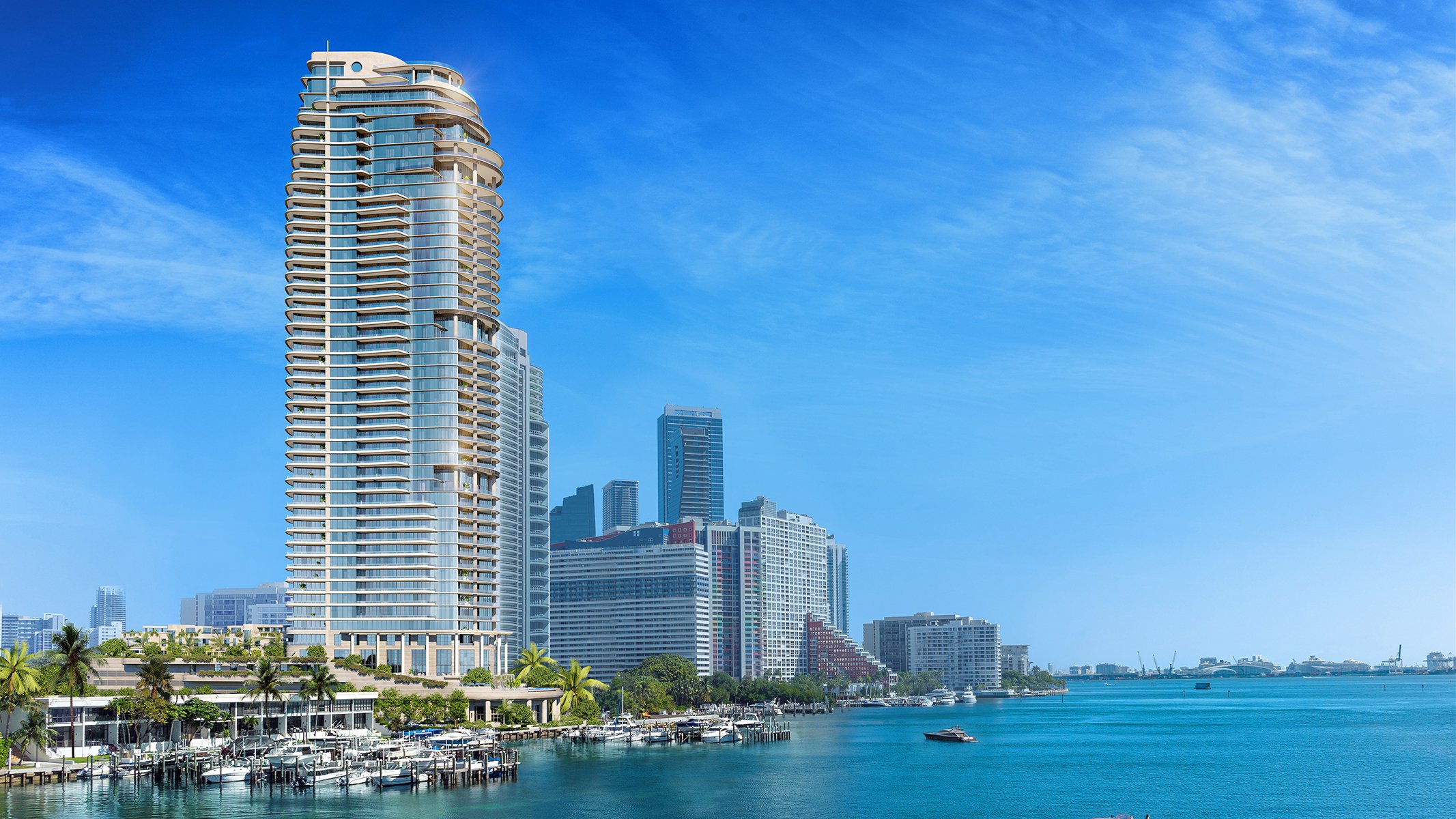
South Floridas skyline is being reshaped by glass towers and branded residences that promise private elevators, sky pools and spa level wellness programs. For many buyers, stepping into a just completed residence is about declaring a lifestyle from day one rather than updating the bones of an older apartment. Yet even at the top of the market, the way you negotiate a new development purchase is very different from bargaining on a resale condo.
Developers care deeply about price integrity. Every closed sale becomes public record and sets a benchmark for appraisers, lenders and future buyers in the building. Dropping the headline price on a single residence can compress values across an entire stack of identical lines and disrupt the spreadsheets that underpin construction financing. As a result, serious discounts usually do not appear on the deed. Instead, concessions quietly appear off the deed in the form of credits, incentives and bespoke extras.
In flagship projects like Waldorf Astoria Residences Downtown Miami or Bentley Residences Sunny Isles, sophisticated buyers rarely argue over a small percentage of the list price. They focus on the net picture: what deposits are required and on what timeline, what level of finishes the residence will be delivered with, which closing costs the developer will absorb and what lifestyle perks can be layered into the agreement.
Thinking in terms of net value rather than sticker price is the mindset shift that unlocks leverage. When you approach a sales center with a clear structure - for example full asking price, but with a substantial credit at closing plus a curated upgrade package - you are speaking the developers language. You are preserving their price narrative while quietly improving your position.
For most new development buyers, the easiest place to extract value is inside the walls of the residence. In the Pre-construction phase, when plans and finishes are still being finalized, developers often have far more flexibility than they advertise. Flooring, kitchens, bathroom packages, lighting and integrated technology can often be upgraded or customized as part of a negotiation, especially if you are committing to a prime line or a larger residence.
Rather than simply asking for a lower price, consider asking for a defined upgrade credit. For example, you might accept the published purchase price on a bayfront three bedroom but request a six figure allowance toward imported stone, bespoke millwork, integrated audio visual and expanded smart home controls. In many cases the developers cost to deliver those items is materially lower than the retail figure, which makes this feel like a win on both sides.
Branded towers lean into this even further. At automotive inspired addresses such as Bentley Residences Sunny Isles, early buyers have been able to personalize elements ranging from the configuration of private garage spaces off the sky lobby to the detailing of en suite bars and media rooms. At hotel serviced projects like St. Regis® Residences Brickell, additional sessions with the design team, alternative finish palettes or a furniture package credit may be on the table for serious purchasers.
Do not underestimate the value of utility based concessions such as extra parking or storage. In a district like Brickell, an additional deeded parking bay next to the elevator, a climate controlled storage room on the same level as your residence or a private pool cabana can easily represent tens or hundreds of thousands of dollars in replacement cost. These are precisely the kinds of assets a developer can reallocate internally with little impact on headline numbers.
Finally, examine the fine print around service and warranty. New-construction contracts in Florida typically include a general workmanship warranty plus longer coverage on structural elements and building systems. A sophisticated buyer can ask for extended protection on high value items such as custom kitchens, porcelain or stone surfaces, integrated appliances and building wide technology. In some towers, developers have agreed to include a year of in residence maintenance visits or white glove move in services as part of the package.
The second major negotiation lever lives on the closing statement. South Florida Pre-construction contracts often include a developer fee that ranges between roughly one and three percent of the purchase price, contributions to condominium reserves, several months of prepaid association dues, owners title insurance, recording costs and in some cases transfer taxes. On a multimillion dollar residence, that stack of line items can be significant.
Because these costs are less visible than the purchase price itself, they are a natural place for developers to concede quietly. It is not unusual for a motivated sponsor to agree to reduce or eliminate the developer fee, pay some or all title and recording charges, or credit back the equivalent of a year of association dues at closing. In practical terms, that can translate into six figure savings while the recorded price on the deed remains pristine.
Deposit structures are another strategic lever. A classic South Florida schedule might require ten percent at contract, further installments as the slab, top off and completion milestones are reached, and the balance at closing. In the last few years, some projects have softened those requirements for qualified buyers, reducing total deposits, spreading payments over a longer period or differentiating between domestic and international purchasers. Asking for a more favorable schedule - for example lowering the total pre closing deposit or moving one installment closer to completion - can materially improve your internal rate of return.
If you are financing, pay attention to incentives tied to the developers preferred lender. In the current interest rate environment, many lenders attached to new developments are offering rate buydowns, reduced points or credits toward origination and appraisal fees in exchange for using their platform. A small reduction in the mortgage rate on a large loan or a meaningful credit toward closing costs may be worth more over time than a slightly lower list price today, especially if you intend to hold the residence long term.
Beyond the hard numbers, lifestyle oriented incentives can be surprisingly negotiable. Access to a private beach club, parking for a collectible vehicle, a founders membership at the building spa or a valet allowance for the first year are all examples that have appeared in recent high end negotiations. These extras align closely with how buyers actually live in the building and reinforce the sense that they are joining a curated community rather than simply purchasing square footage.
Timing is the quiet variable that often determines how generous a developer can afford to be. Large projects move through predictable phases, and the balance of power shifts as reservations, contracts and closings accumulate.
Very early in a sales cycle - during friends and family or first release - pricing tends to be at its lowest, but flexibility on incentives can be limited. The developer is establishing the projects narrative and wants early contracts to validate their pro forma. If you are comfortable committing when much of the building exists only in renderings, you may lock in a favorable base price, but you should not expect an extensive wish list of concessions.
As the tower approaches key thresholds - for example the percentage of contracts a bank wants to see before finalizing construction financing - developers become more open to negotiation. This mid cycle period is often where experienced buyers focus. The building is de risked, floor plans and views are clearer, and the marketing team is motivated to convert prospects into signed contracts so that financing, top off ceremonies and press releases stay on schedule.
Near delivery and in the close out phase, leverage can tilt even further toward a prepared buyer. Carrying completed but unsold residences is expensive, and sales teams are under pressure to wrap the project and hand control to the owners association. This is the moment when a developer may agree to a generous closing credit, an expansive upgrade allowance or a creative package of perks in order to move the final few residences, particularly on non standard lines.
Layered on top of the project timeline is the calendar itself. Year end, quarter end and other internal reporting deadlines can all spur limited time offerings. In recent months, several Miami developments have quietly rolled out packages that combine preferred mortgage rates, covered closing costs and waivers of association dues for a year or more for contracts signed before a specific date. A buyer who is ready with documentation, legal review and funds in place can take full advantage.
Ultimately, the ideal timing depends on your priorities. If you want the lowest possible base price and are comfortable with construction risk, entering very early may suit you. If you prefer to see finished materials and still have room to negotiate, targeting a point when the building is substantially complete but not fully sold out often delivers the best blend of certainty and leverage.
What can I realistically negotiate in a South Florida new development purchase?
In most high end South Florida towers, the items with the most flexibility are upgrade credits, closing cost allocations, deposit structures and lifestyle perks. You are unlikely to see a large reduction on the recorded purchase price, but it is realistic to request a substantial allowance for finishes, a credit toward association dues or title costs, or a more forgiving deposit schedule, particularly if you are buying a prime line or a residence that has been on the market longer than others.
How much can upgrade credits and closing cost incentives be worth on a luxury condo?
Every project is different, but it is not unusual for well structured concessions to equal several percent of the purchase price on a multimillion dollar residence. On a four million dollar condo, that might mean a package worth two hundred thousand dollars in combined upgrade credits, waived developer fees, paid title and recording costs and prepaid association dues. The key is to quantify everything so that you can compare the true net price across different buildings and offers.
Is it better to buy early in pre-construction or wait until the building is finished?
Buying very early in Pre-construction can deliver the lowest base price and the widest choice of lines and views, but it comes with construction risk and a longer timeline before you can occupy the residence. Waiting until the building is substantially complete means you can walk finished model homes, understand light and views at different times of day and sometimes secure stronger incentives, especially if the developer is eager to close out remaining inventory. For many buyers, the sweet spot is when the tower is well underway, financing is secured and a meaningful percentage of residences are under contract, but the last phase of sales has not yet begun.
Do I really need my own broker if the sales center is on site?
Yes. The sales team in the gallery represents the developer, not you, and their role is to protect the projects pricing strategy. A seasoned buyers broker who lives in the South Florida new development market understands which buildings are quietly offering concessions, how deposit and incentive structures compare and what is typical for a residence at your price point. For a discreet assessment of where you have negotiating power and which concessions are achievable in a specific tower, speak with MILLION Luxury before you sign your next New-construction contract.
If branded residences are on your mind — as a home or as an allocation — we would be glad to share what we are seeing, privately.
Begin a quiet conversation