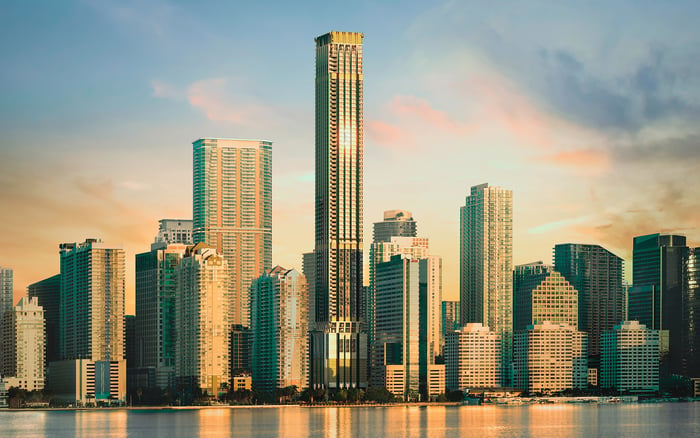
A buyer-focused MILLION Luxury guide to Miami condo due diligence in 2026, translating Florida’s inspection and reserve-study environment into practical steps for protecting lifestyle, liquidity, and long-term value.
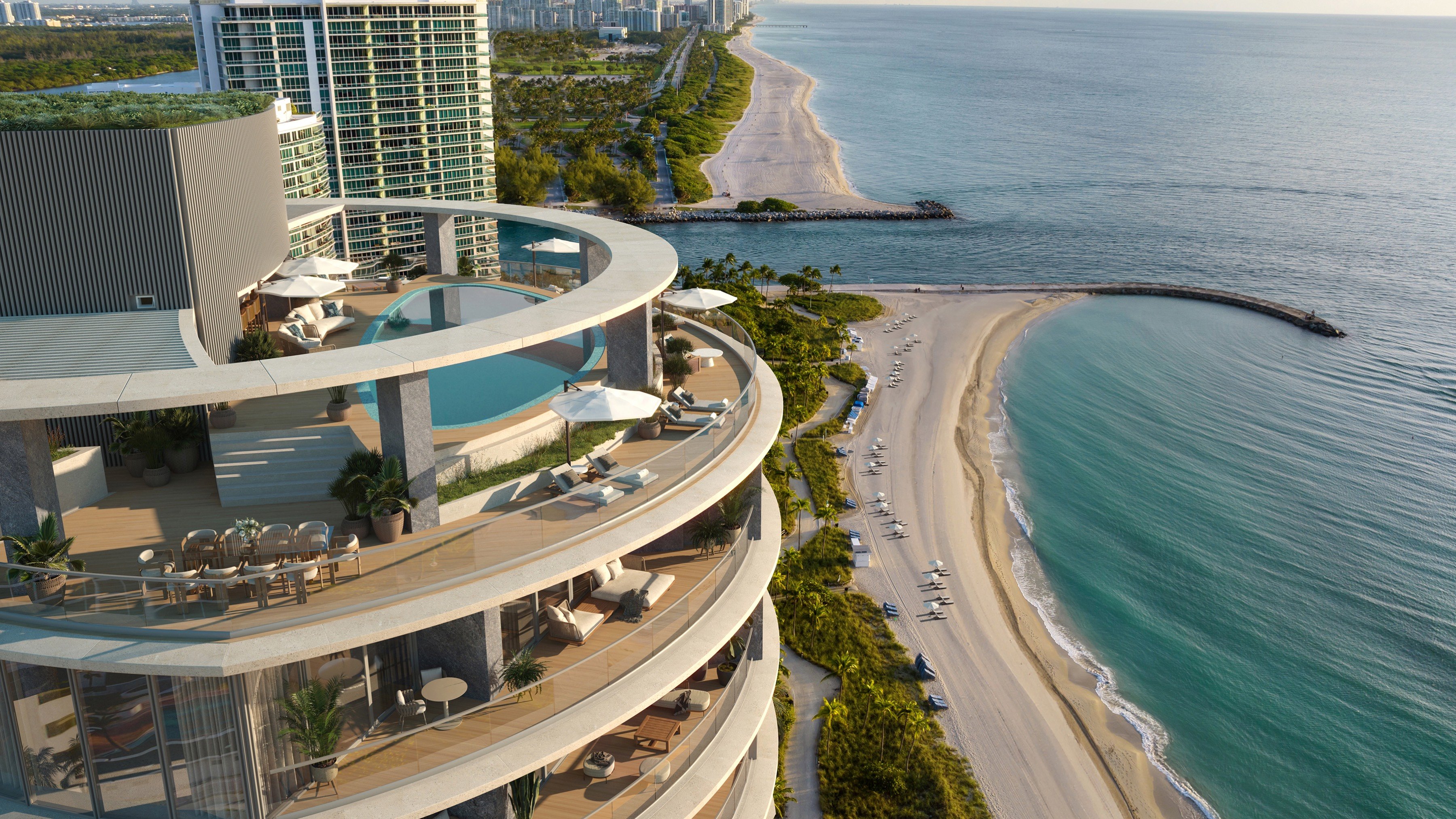
Miami has always rewarded buyers who understand the fine print, but today’s condominium landscape has elevated “building-level diligence” to the same level as unit finishes, views, and amenities. In 2026, sophisticated purchasers are underwriting the condominium itself-governance, maintenance discipline, reserves, inspection timelines, and the building’s readiness for major capital work.
For buyers in Brickell, Miami-beach, and Sunny-isles, that shift is not theoretical. A widely covered Brickell example underscores the scale of special-assessment exposure: a condominium faced a $21 million special assessment tied to repair scopes that included facade work, roof replacement, and pool deck issues, with some owners owing $40,000 or more. Even when a building is desirable and well located, unexpected capital needs can change the ownership experience overnight.
This guide provides a discreet, buyer-side checklist you can use with your attorney, inspector, and closing team to protect lifestyle, liquidity, and resale flexibility.
A luxury unit can present beautifully while the underlying structure is entering a major investment cycle. Two concepts carry the most weight.
First, Florida’s milestone inspections apply to many condominium buildings at 30 years of age, or 25 years if the building is within three miles of the coast. If issues are identified, follow-up inspections may be required. For an ocean-oriented buyer, that timeline can overlap directly with your planned holding period-so you want clarity before you sign.
Second, Florida requires condominium and cooperative associations with three or more stories to complete a Structural Integrity Reserve Study (SIRS) by Dec. 31, 2025, and repeat it every 10 years. The SIRS evaluates major components such as the roof, load-bearing or primary structural systems, fireproofing and fire protection, plumbing, electrical, and waterproofing or exterior painting, then estimates remaining useful life and replacement cost.
For a buyer, the practical takeaway is straightforward: the building’s reserve posture is no longer a background detail. It is a value driver that can shape monthly carrying costs, special assessment risk, marketability, and even financing.
Condo due diligence is often treated as paperwork. For high-end acquisitions, it should be treated as intelligence. During your review window, request and read association materials with a clear objective: identify deferred maintenance, governance friction, or upcoming capital work that could change your cost basis.
Key items typically include the budget, reserve information, rules, and board minutes. Minutes are especially valuable because they reveal what owners have been debating, deferring, and reprioritizing-water intrusion, concrete restoration, elevator modernization, insurance strategy, contractor disputes, or litigation posture.
Florida condo sellers must provide a required package of condominium documents such as the declaration, bylaws, articles, the budget, and other association disclosures. Use that package to confirm whether building policies match your intended use, particularly if the residence is meant to be a second home, a pied-a-terre, or an investment with future leasing.
In Bal-harbour and Surfside, where buyers often prioritize discretion and long-term stewardship, the most telling signal is not the amenity deck. It is whether the building shows a consistent pattern of planning, funding, and executing maintenance.
Special assessments are not automatically a reason to walk away. They can also indicate a community is finally funding long-deferred work. The question is whether the scope is defined, the timeline is credible, and the funding plan fits your risk tolerance.
When you evaluate assessment risk, focus on three points:
Scope clarity. Vague language like “repairs as needed” often precedes cost creep.
Funding path. Determine whether the association expects to use reserves, borrow, or assess owners.
Equity logic. Consider whether the work improves structural integrity, reduces future leakage and insurance friction, or materially protects resale.
Assessment conversations can also become a negotiation framework: price, credits, or timing adjustments may be more realistic than assuming a building’s capital needs will fade.
Many luxury buildings require a condominium association approval process. That process can involve an application, financial documentation, background checks, and an interview. It is not inherently adversarial, but it does introduce timing and sequencing.
If you are coordinating an international move, a school calendar, or a portfolio reallocation, your closing plan should account for this gate. In practice, that means assembling financial statements early, clarifying any interview dates, and keeping your lender, title agent, and counsel aligned with the approval schedule.
This is particularly relevant for trophy product where demand is strong and timelines are compressed. Even in smooth transactions, approvals can become the long pole when requirements surface late.
Luxury buyers often focus on price and carrying costs, but transactional friction can be meaningful-especially with financing.
In Miami, buyer closing costs commonly include title insurance, lender fees, appraisal, prepaid items, and legal fees. Florida closings typically involve a settlement agent, and title insurance decisions can include owner’s and lender’s policies. For an all-cash buyer, the owner’s policy becomes a more deliberate choice, tied to how you want risk allocated.
Treat the closing statement as a line-by-line negotiation of certainty. Confirm which title policies you are receiving, who is paying for what, and whether any endorsements are appropriate for the property type and your ownership structure.
In South Florida, sophistication shows up in the contract, not just the offer price.
Many transactions rely on a commonly referenced 10-day inspection period. The point is not simply to “do an inspection.” It is to create a disciplined decision window where you can assess unit condition, building systems, and association disclosures-then proceed, renegotiate, or cancel based on the contract language.
Buyers should also distinguish between financing contingency and appraisal contingency. They are not interchangeable. A financing contingency is structured around loan approval, while an appraisal contingency is designed to address a value shortfall that could require additional cash or a price adjustment.
Even high-net-worth buyers can benefit from precise contingency design, particularly when preserving liquidity is part of the broader wealth plan.
Flood insurance is generally required when a property is in a Special Flood Hazard Area and the buyer uses a federally backed mortgage. The requirement depends on the FEMA flood zone.
Even when flood insurance is not strictly required for your loan type, flood exposure can still influence operating costs, resale optics, and the building’s insurance posture. For waterfront lifestyles in Miami-beach and coastal corridors, this is a quiet diligence item: confirm the unit’s elevation context, the building’s policies, and how insurance costs are managed at the association level.
Condo rental rules vary by building. Before you buy, confirm restrictions such as minimum lease terms, rental caps, waiting periods, and approval requirements. This matters even if you do not plan to rent immediately.
Why? Because rental flexibility affects exit options. A buyer who may relocate, travel more, or place the residence into a family office strategy later should treat leasing rules as part of the asset’s liquidity profile.
In newer luxury inventory, rental policies can be a defining difference between two seemingly similar buildings. In established communities, rules can evolve as owners vote to protect quality of life.
In a market where finishes can be updated, the layout is the non-renewable asset. Use floor plans to understand how a home actually lives: circulation, bedroom separation, service access, storage, and the relationship between kitchen, entertaining zones, and outdoor space.
Marketing descriptions can be broad. A floor plan delivers the truth of proportion. For buyers considering Flow-Through-units or a view-driven residence, validate how the plan frames light and air-not just the headline square footage.
If you are evaluating new construction, you may also be comparing multiple stacks where the lifestyle difference is subtle but meaningful at resale.
To explore layout-forward coastal options, consider the design intent behind 57 Ocean Miami Beach, or the curated scale found at Arte Surfside. In Brickell, buyers weighing skyline exposure and privacy often compare the residential positioning of 2200 Brickell with other boutique towers.
Pre-construction can offer a clean building profile and contemporary systems, but it introduces a different diligence stack: deposit schedule, developer-drafted terms, delivery timing, and how changes are handled during construction.
Buyers should understand the deposit structure and contract sequence before committing, and apply construction-stage diligence steps as the building progresses. The goal is not to eliminate uncertainty, but to price it correctly and align expectations with the realities of delivery.
For those seeking brand-driven new-construction in Brickell, 888 Brickell by Dolce & Gabbana is an example of trophy positioning where contract terms and timeline planning can become especially consequential.
Use this as a final pass before you remove contingencies.
When do Florida milestone inspections apply to many condos? Many condos are subject at 30 years, or 25 years if within three miles of the coast.
What is a Structural Integrity Reserve Study (SIRS)? It is a reserve study focused on major structural and life-safety components and their replacement costs.
When is the SIRS deadline and how often is it repeated? Associations with three or more stories must complete it by Dec. 31, 2025 and repeat it every 10 years.
Which building components are typically evaluated in a SIRS? Items include the roof, primary structural systems, fire protection, plumbing, electrical, and waterproofing.
How large can a special assessment be in Miami? Special assessments can be substantial; a widely covered Brickell case involved $21 million with some owners owing $40,000+.
What condo documents should I review before buying? Review the budget, reserves, rules, and board minutes, along with the declaration, bylaws, and other disclosures.
Do luxury condos in Miami require association approval? Many do, and the process can include applications, financials, background checks, and interviews.
What are common buyer closing costs in Miami? They often include title insurance, lender fees, appraisal, prepaid items, and legal fees.
Is flood insurance always required? It is generally required in a Special Flood Hazard Area when using a federally backed mortgage.
Why do rental rules matter if I do not plan to rent now? Rental restrictions affect future flexibility and can influence resale demand and liquidity.
For a discreet conversation and a curated building-by-building shortlist, connect with MILLION Luxury.
If branded residences are on your mind — as a home or as an allocation — we would be glad to share what we are seeing, privately.
Begin a quiet conversation