A buyer-oriented guide to how escrow works in Miami pre-construction, what your contract should clarify, and how to evaluate deposit schedules, controls, and risk protections before you commit.
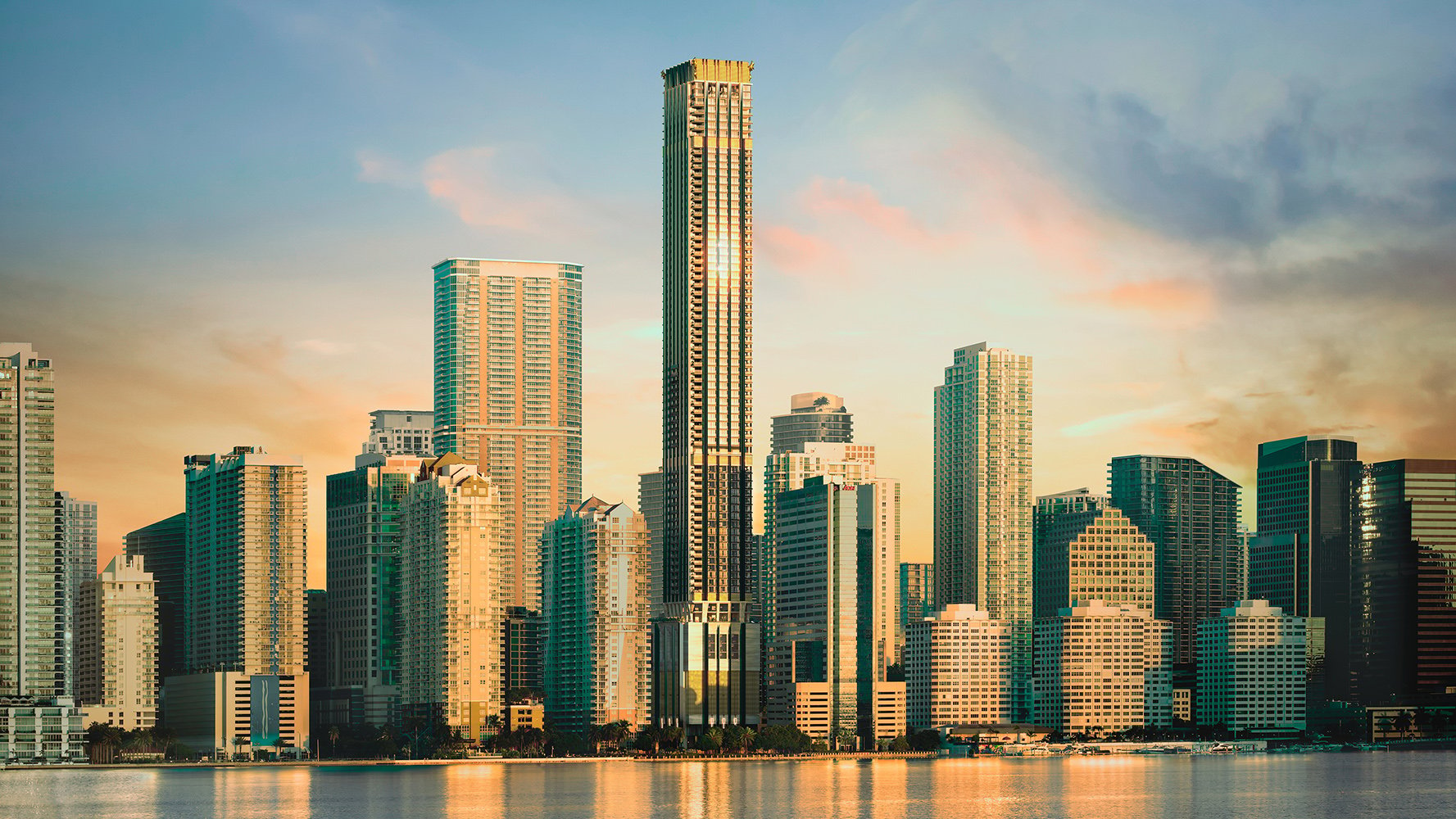
In Miami pre-construction, the deposit is rarely the headline figure-yet it is often the most consequential. Escrow requirements determine when capital leaves your control, who safeguards it, what must occur before the developer can access it, and what recourse exists if timelines shift.
For an ultra-premium buyer, escrow is not a box to check. It is a negotiable framework that shapes liquidity, risk posture, and even resale optionality during the construction window. A contract can read “standard” and still produce meaningful differences in how funds are held, when they become non-refundable, and how disputes are handled.
Sophisticated buyers treat escrow like architecture: a structure that should be elegant, code-compliant, and engineered for the real stresses projects experience.
At its best, escrow delivers three things: custody, controls, and clarity.
Custody
Means your deposit is held by a neutral party under defined rules-rather than commingled or casually accessed. You are evaluating the “who” and the “where” as much as the “how much.”
Controls
Mean deposits do not move unless contract-defined conditions are met. Controls should specify permitted withdrawals (if any), required notices, and what happens after events such as default, cancellation, or extended delay.
Clarity
Means the contract answers, in straightforward business terms, the questions a private buyer actually cares about: When do deposits go hard? Under what circumstances are they refunded? If the project changes, what rights do I have? If I need to assign, does my escrow posture change?
In Brickell, where branded vertical living is often purchased as a lifestyle asset as much as a residence, escrow can feel like background. It is not. Even in trophy pipelines near 888 Brickell by Dolce & Gabbana and 2200 Brickell, the contract mechanics matter more than the marketing mood.
Most buyers focus on total deposits. Experienced review focuses on trigger points.
Key triggers to identify and interrogate:
Execution deposit: What is due at signing, and what constitutes “good funds”? If an international wire arrives late, does that create a technical default?
Second deposit timing: Is the next installment tied to a calendar date, a construction milestone, or a permitting event? Calendar-driven deposits can move faster than real progress.
Third deposit timing: Apply the same scrutiny. If it is tied to “groundbreaking,” make sure the contract defines what “groundbreaking” means.
Closing deposit or balance: Understand how final funds are calculated, including adjustments, reserves, and any credits.
A luxury buyer’s objective is not to avoid deposits-it is to ensure each deposit aligns with actual value creation and timelines you can underwrite. Deposit pacing should match your liquidity plan, whether the purchase is a primary residence, a second home, or an investment allocation.
Escrow safety is not just the concept of escrow; it is the specific custodian and the account structure.
You want the agreement to state clearly:
The escrow holder’s role and authority.
Whether funds are kept in a segregated account or pooled.
Whether the account is interest-bearing and, if so, who receives the interest and how it is allocated.
What notices are required before any disbursement.
For a privacy-minded buyer, segregation and reporting can matter as much as interest. The objective is predictable treatment and a clean paper trail that can be audited later-particularly if you expect to assign the contract or incorporate the purchase into broader financial planning.
The most material escrow question is straightforward: Under what conditions can the developer access the deposit prior to closing?
Some structures hold deposits in escrow until closing. Others permit releases once certain thresholds are met. The difference is not philosophical; it is a direct transfer of construction risk from the developer’s balance sheet to your capital.
A disciplined review looks for:
Exact release language: Avoid vague references to “customary” or “as allowed.” “Customary” is not enforceable.
Milestone definition: If releases are tied to events, define those events with objective criteria.
Notice requirements: If a release is scheduled, do you receive written notice beforehand?
Opportunity to object: Some agreements provide a window to dispute a release. If an objection mechanism exists, confirm the timeline and the required method.
In coastal markets like Miami Beach, where design and views are part of the premium, buyers sometimes accept tighter deposit schedules to secure scarce inventory. That can still be done deliberately. If you are comparing beachfront product near 57 Ocean Miami Beach, ensure the contract’s release mechanics align with your tolerance for early exposure.
Luxury buyers often assume that if something goes wrong, the deposit simply comes back. In practice, “refund” is a defined outcome governed by the contract.
Three areas merit particular attention:
Buyer default provisions: What constitutes default? Is there a cure period? Are late wires treated as default? Are attorney’s fees or damages specified?
Developer termination or delay: If the developer can extend timelines, how many extensions are permitted-and under what conditions? If a delay becomes excessive, what are your termination rights and how does the refund process work?
Change orders and substitutions: If the unit changes materially, what remedies exist? Some contracts define acceptable substitutions; others create a right to cancel only under narrow circumstances.
The goal is not adversarial drafting. It is alignment. Escrow is a promise, and the contract is where that promise is actually defined.
Pre-construction in Miami frequently involves entities, trusts, and assignment strategies. Escrow provisions can quietly determine what is practical.
If you want optionality, confirm:
Assignment consent: Is assignment permitted, and does it require developer approval? If approval is required, are there fees-and are they fixed or discretionary?
Escrow treatment on assignment: Does the deposit remain under the same escrow arrangement, or does it become part of the assignment consideration?
KYC and disclosure: What identity documentation is required, at what stage, and can it be provided through your counsel to preserve discretion?
For buyers using pre-construction to stage a South Florida lifestyle over several years, escrow also intersects with financing planning. Some lenders evaluate deposit schedules and refundability as part of risk assessment. Even if you intend to pay cash, clarity now preserves flexibility later.
Escrow terms can vary with developer profile, capital stack, and how the project is positioned.
Brickell
Often attracts global buyers who prioritize convenience, branded amenities, and proximity to business. Contracts can be highly standardized, which is precisely why you should focus on the few paragraphs controlling escrow releases and default remedies. If you are evaluating lifestyle-forward towers such as Aston Martin Residences Downtown Miami in the broader urban core, operational sophistication does not eliminate contract risk.
Miami Beach
Tends to reward scarcity and design, and pre-construction inventory can be particularly coveted. That can compress negotiation room. Your best defense is not aggressive rewriting; it is precise understanding of when deposits harden, what triggers a refund, and what constitutes a material change.
Hallandale and the northern coastal corridor
Can bring a different buyer mix and a broader range of development strategies. For a buyer considering a long-term coastal hold with resort sensibility near 2000 Ocean Hallandale Beach, escrow should be read alongside intended use and timeline-including whether you may relocate, rent, or sell prior to completion.
Before you sign, your review should produce crisp answers to a short set of questions:
Where is my deposit held and under what authority can it move?
What exact events trigger additional deposits, and can those events be verified?
When do deposits become non-refundable, and what are the exceptions?
Are there any permitted releases prior to closing, and if so, on what schedule?
What rights do I have if there is a significant delay or a material change?
What constitutes default, and what cure period is provided?
If I plan to assign, are terms pre-defined or discretionary?
The objective is to translate a dense contract into a simple risk map: what you control, what you do not, and what you can live with.
In ultra-premium Miami, many pre-construction agreements are presented as form documents. Even so, buyers sometimes secure meaningful improvements-particularly when they are decisive, well-advised, and aligned with a developer’s need for certainty.
Common points that can be clarified or improved include:
Tightening definitions of milestones and completion.
Adding notice requirements before key events, including deposit due dates and scheduled releases.
Confirming cure periods for administrative mishaps.
Clarifying refund mechanics if the project is terminated.
Even when language cannot be changed, a buyer can negotiate process: written confirmations, addenda that memorialize representations, or clear timelines for approvals. In high-value contracts, the difference between “understood” and “written” is the difference between comfort and enforceability.
What is an escrow deposit in Miami pre-construction? It is money you place with a neutral holder under contract rules until defined events occur.
Are escrow requirements the same for every Miami development? No. Schedules, release conditions, and remedies can vary materially by project and contract.
Can a developer access my deposit before closing? Sometimes. The contract should specify whether and when any pre-closing releases are allowed.
Is my deposit always refundable if the project is delayed? Not always. Refund rights typically depend on defined delay thresholds and termination provisions.
What should I look for in the deposit schedule? Focus on trigger events, due dates, and what constitutes default if funds arrive late.
Does escrow earn interest, and do I receive it? It depends on the account terms; some agreements allocate interest, while others waive it entirely.
Can I buy in an LLC or trust and still meet escrow requirements? Usually yes, but identity documentation and signing authority must match the contract’s requirements.
How does assigning a contract affect escrow? Assignment terms can change your control over the deposit and may require consent and fees.
What happens to escrow if I default? The contract will define remedies, which can include forfeiture of deposits and other costs.
Should my attorney review escrow language even if the project is high-profile? Yes. Prestige does not substitute for precise definitions, timelines, and enforceable protections.
When you're ready to tour or underwrite the options, connect with MILLION Luxury.
If branded residences are on your mind — as a home or as an allocation — we would be glad to share what we are seeing, privately.
Begin a quiet conversation