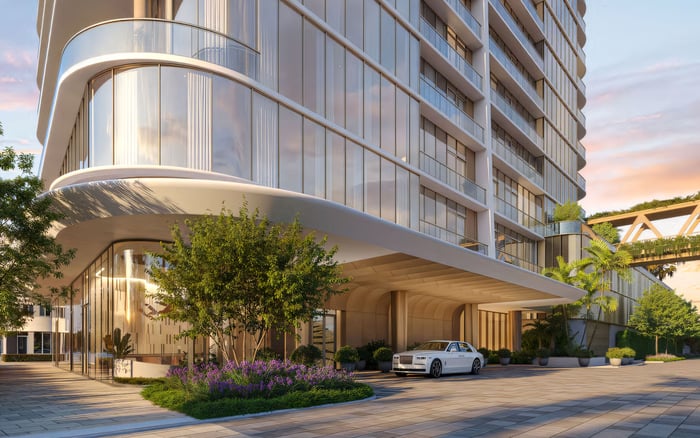
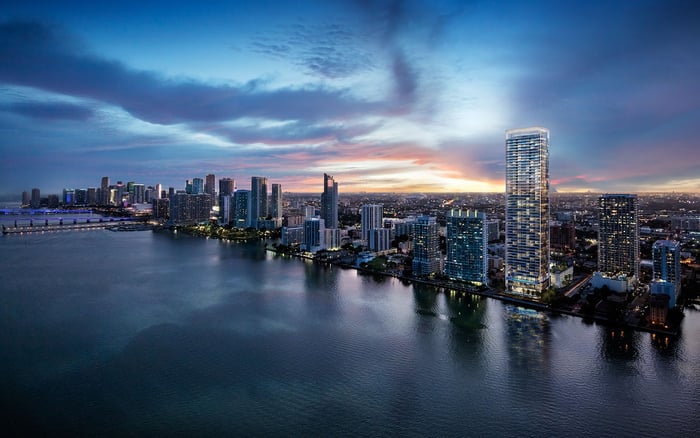
A buyer-focused editorial guide to evaluating Miami Design Residences Midtown Miami through the practical lens of seasonal living, beach routines, arrival privacy, storage, and elevator flow.
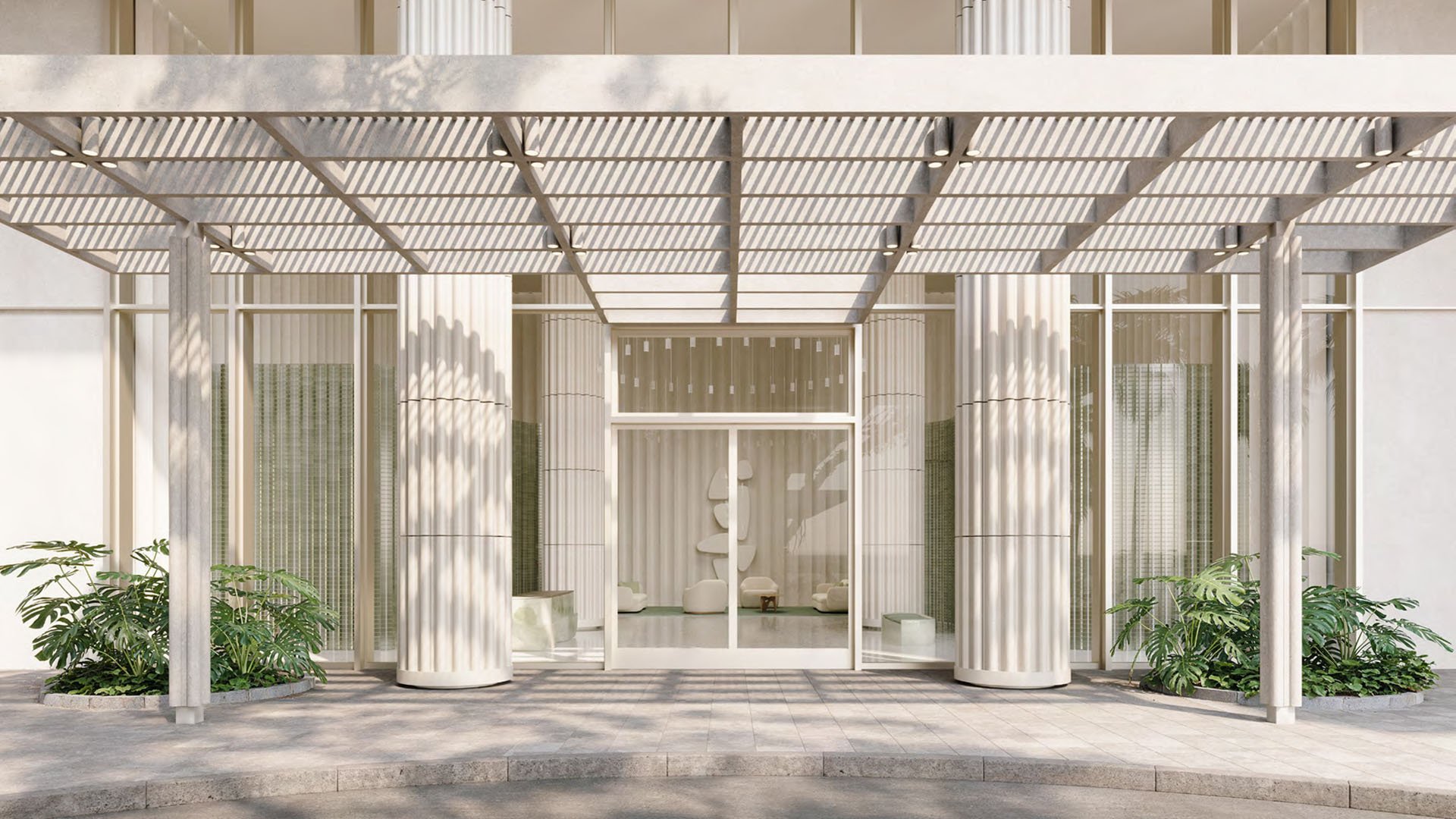
Miami Design Residences Midtown Miami: What Seasonal Buyers Should Know About Sand-to-Elevator Path is less a question of style than choreography. Seasonal buyers often fall first for what they can see: light, ceiling height, balcony proportion, finishes, views, and the atmosphere of arrival. Those details matter. Yet the strongest second-home decisions in Miami are often made by studying the less glamorous route between a beach towel and the private elevator moment.
For a seasonal owner, the residence is not used like a primary home. It is used in concentrated bursts, often with guests, dining reservations, beach plans, wellness appointments, shopping errands, and last-minute invitations shaping the day. That rhythm rewards buildings that make transitions feel effortless. The sand-to-elevator path is the practical test of whether a beautiful home remains beautiful when it is actually in use.
In a design-forward urban setting, the buyer should ask a simple question: after a day near the water, how does life re-enter the building? The answer includes parking, drop-off, storage, service access, wet items, guest movement, pets, packages, and the time it takes to return to privacy.
The sand-to-elevator path is the sequence from beach or pool outing to the residence door. It includes the ride back, the curb experience, the lobby threshold, any valet or self-parking step, the handling of damp towels and gear, the elevator wait, and the privacy of the final ascent. It is not merely a convenience issue. It is a luxury issue, because friction becomes visible when a home is used at seasonal intensity.
A polished residence can feel less refined if the return path is awkward. If there is no intuitive place for sandy bags, sunscreen, strollers, paddle equipment, dog leashes, or guest belongings, those items migrate into the living room. If arrival circulation is congested at peak hours, a private evening can begin with a public bottleneck. If elevator programming does not suit the owner’s pattern, a high-design lobby becomes a place to wait rather than a place to pass through.
For buyers comparing Midtown with Miami Beach, Downtown, Wynwood, and other lifestyle nodes, the sand-to-elevator path is especially important. The question is not whether one district is better in the abstract. The question is which setting supports the owner’s actual season.
A finish package can be photographed. A seasonal routine must be rehearsed. Before committing to a purchase, buyers should physically simulate a Saturday during peak season. Arrive at the time you would actually return from the beach. Notice the curb, the pace of entry, the distance from vehicle to lobby, and the number of doors between the street and the elevator.
Then ask how the residence works when the day is slightly imperfect. Where does a wet umbrella go after an afternoon storm? Where are beach chairs stored when guests are in town? Can groceries, luggage, and children move comfortably through the same route? Is there a practical answer for pets after a sandy walk? These questions may sound domestic, but in the ultra-premium market they are part of the asset’s daily performance.
Buyers should also evaluate the difference between first impression and tenth use. The first arrival may feel cinematic. The tenth arrival reveals whether the building has intuitive flow. Seasonal owners, in particular, should value the ability to leave quickly and return quietly. A residence that saves time several times a day may feel meaningfully more luxurious than one with a more dramatic first glance.
Privacy is not only about the residence floor. It begins at the point of re-entry. Seasonal buyers often entertain, host family, and move between public and private spaces more frequently than full-time residents. The best arrival sequence preserves discretion even when the owner is not dressed for a formal lobby moment.
The wet-gear problem is equally revealing. Beach-access priorities are not limited to oceanfront buildings. Any buyer who intends to live a beach-centered season should understand how the building absorbs the evidence of that lifestyle. Towels, totes, sandals, tennis bags, and coolers should not require daily improvisation. In a well-planned ownership strategy, storage is not an afterthought. It is part of the luxury brief.
This is also where elevator logic matters. A seasonal owner may be arriving with guests, bags, food, and pets while other residents are leaving for dinner. The elevator experience should feel calm, legible, and appropriately private. When reviewing any Miami Design Residences Midtown Miami opportunity, consider not just the residence you occupy, but the vertical route that delivers you there.
Midtown appeals to buyers who want an urban Miami base with proximity to design, dining, art, and neighborhood movement. For some seasonal owners, that energy is more useful than a purely resort-style setting. A day may begin with wellness, continue with appointments or shopping, move toward the beach, and end with dinner nearby. The residence becomes a private design retreat within a broader metropolitan itinerary.
That said, a seasonal buyer should be honest about beach frequency. If the beach is a daily ritual, the transportation plan needs to be part of the purchase decision. If the beach is one element within a wider cultural and culinary season, an urban residence may make excellent practical sense. The most successful buyers do not ask whether they want the beach or the city. They ask how often each one shapes the day.
This is where second-home planning becomes more nuanced. A seasonal property must perform when the owner is present and remain manageable when the owner is away. Consider lock-and-leave simplicity, guest access, package procedures, climate control, cleaning coordination, and the ease of preparing the home for arrival after weeks or months elsewhere.
In luxury real estate, value is often discussed through views, square footage, finish quality, and building prestige. Yet seasonal buyers should also price invisible convenience. A shorter return path, a smoother arrival, better storage, more intuitive parking, or a calmer elevator sequence can change how often an owner uses the home and how satisfied guests feel while staying there.
The investment lens should therefore be practical, not speculative. A residence that supports repeat seasonal use may hold personal value because it reduces the reasons not to come. If every visit begins with effort, even an exquisite home can become underused. If every arrival feels easy, the property becomes part of the owner’s annual rhythm.
For buyers weighing new construction against resale, the same discipline applies. Newness alone does not guarantee a better sand-to-elevator path. A new residence should be reviewed for operational clarity, not only aesthetic ambition. Resale should be judged with equal seriousness, especially if an existing building has already proven how it handles high-season living.
Before making an offer, seasonal buyers should write a private use case. How many weeks will the home be occupied? How often will guests stay? Will beach days be frequent, occasional, or spontaneous? Will the owner use valet, private driver, rideshare, or self-parking? Will pets, children, or older relatives shape the arrival experience? Will the residence need owner storage beyond closets?
Then walk the building with that use case in mind. Do not let the tour move only toward the most photogenic spaces. Study the routes that will be used when hands are full, when dinner is approaching, when rain begins, or when guests arrive before the owner. Luxury is tested in those ordinary moments.
The right Midtown residence should feel composed under pressure. It should welcome the owner back from the city, the beach, or the airport with the same sense of ease. That is the standard seasonal buyers should bring to Miami Design Residences Midtown Miami.
What does sand-to-elevator path mean for a seasonal buyer? It means the full return route from beach or outdoor activity to the private residence, including arrival, storage, lobby movement, and elevator access.
Why is this path important in Midtown Miami? Midtown living often blends city routines with beach outings, so the transition back home should feel efficient, discreet, and easy to repeat.
Should buyers prioritize interiors or building flow? Both matter, but seasonal owners should not let beautiful interiors distract from daily arrival, storage, and elevator performance.
How can a buyer test the arrival experience? Visit at the time you would actually return during season and observe the curb, lobby, parking sequence, and elevator wait.
Is beach proximity the only factor for seasonal living? No. Dining, wellness, art, shopping, privacy, service access, and lock-and-leave ease may be equally important depending on the owner.
What storage questions should buyers ask? Ask where beach bags, luggage, sports gear, pet items, and seasonal supplies will go without disrupting the residence.
Does new construction always offer a better seasonal experience? Not automatically. A buyer should evaluate operational flow and convenience as carefully as design freshness.
How should guests affect the purchase decision? If guests will visit often, the home should support easy arrivals, clear access, comfortable storage, and privacy for everyone.
Can a Midtown residence work as a second home? Yes, if its routines match the owner’s calendar, beach habits, service expectations, and desire for urban convenience.
What is the most overlooked investment factor? The most overlooked factor is repeat-use comfort, because a home that is easy to enjoy is more likely to remain part of the owner’s life.
For a discreet conversation and a curated building-by-building shortlist, connect with MILLION.
If branded residences are on your mind — as a home or as an allocation — we would be glad to share what we are seeing, privately.
Begin a quiet conversation