A discreet buyer’s guide to second-home strategy across Brickell, West Palm Beach, and the Miami Design District, with emphasis on use pattern, ownership discipline, service expectations, and long-term positioning.
For the ultra-premium buyer, a South Florida second residence is rarely a simple pied-à-terre. It is a private base for seasonal living, business travel, family gatherings, cultural weekends, wellness routines, and, in some cases, future primary-residence planning. The right purchase begins not with a view corridor or finish palette, but with a candid question: how will the home actually be used?
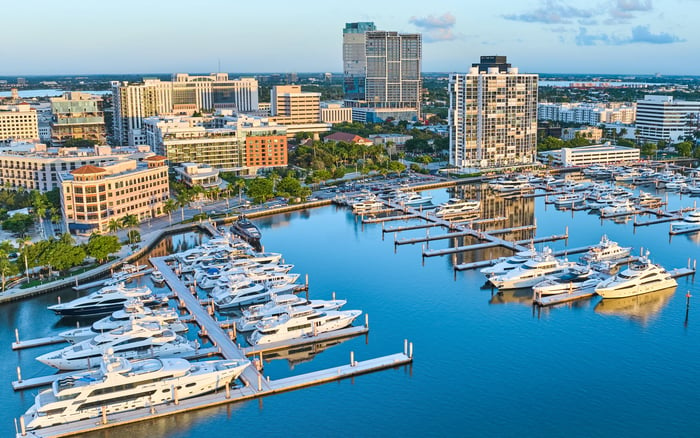
That question frames the comparison between Colette Residences Brickell, Mr. C Residences West Palm Beach, and Kempinski Residences Miami Design District. Each sits in a distinct lifestyle lane. Brickell speaks to urban energy and financial-district convenience. West Palm Beach appeals to buyers who want a Palm Beach area cadence without necessarily living on the island. The Design District offers a design-forward Miami address shaped by art, fashion, dining, and creative gravity.
A thoughtful second-home strategy treats these distinctions as practical, not cosmetic. A residence that performs beautifully for four long winter stays may be less suitable for a buyer who flies in for two nights at a time. A home that feels perfect for a couple may not function as well for multigenerational guests. The strongest acquisition is the one that aligns architecture, building culture, location, and ownership rules with the way the buyer intends to live.
Brickell remains one of South Florida’s most compelling second-home settings for buyers who want immediacy. It is a neighborhood of dense convenience, where business, dining, waterfront access, and urban services sit close together. For an owner who visits Miami for meetings, events, restaurants, and short, high-efficiency stays, Brickell can reduce friction in a way that more resort-oriented locations may not.
Within that context, Colette Residences Brickell should be evaluated as part of a broader Brickell ownership thesis. Buyers should focus on arrival sequence, parking and valet protocol, elevator experience, guest handling, storage, and the ease of moving between private life and city life. In a second residence, small operational details carry weight because the owner may be arriving after a flight, hosting guests with limited notice, or leaving the home unused between visits.
Brickell also requires discipline. The neighborhood’s energy is an asset for many owners, but it must match the buyer’s tolerance for urban pace. A residence here is often best suited to those who view Miami as a dynamic base rather than a quiet retreat. The question is not whether Brickell is desirable, but whether its rhythm supports the owner’s intended pattern of use.
West Palm Beach has become a central focus for buyers who want proximity to Palm Beach, cultural access, dining, and a more measured daily rhythm. The appeal is not merely geographic. It is emotional. Many second-home buyers are drawn to a setting that feels polished without being overly formal, seasonal without being sleepy, and connected without demanding constant movement.
For buyers considering Mr. C Residences West Palm Beach, the strategic lens should include family logistics, airport convenience, social patterns, and the broader Palm Beach area lifestyle. Some owners will use the residence as a winter base. Others may use it as a transitional home while evaluating a longer-term move to South Florida. In both cases, the building must support ease of arrival, predictable maintenance, and a level of service that allows the owner to leave without concern.
West Palm Beach also suits buyers who want optionality. It can function as a standalone second home, a stepping-stone to future full-time residency, or a complementary residence for families who already own elsewhere in South Florida. The ownership decision should consider not only the apartment itself, but how the address fits into the family’s larger map of clubs, schools, medical relationships, dining preferences, and travel habits.
The Miami Design District is a different proposition. It is not selected primarily for traditional resort living or office convenience. Its appeal is rooted in culture, design, fashion, art, architecture, and a highly curated urban experience. For a buyer whose Miami life is tied to galleries, private dinners, collecting, creative networks, and style-driven hospitality, the neighborhood offers a distinctive second-home identity.
Kempinski Residences Miami Design District belongs in that conversation because brand, service language, and location can become part of the ownership experience. In the broader category of Branded Residences, buyers often look for hospitality cues that make intermittent occupancy easier. The residence must feel ready when the owner arrives, secure when the owner is away, and intuitive when guests are in residence.
This is where design-led second-home buying differs from purely resort-led buying. The owner may care as much about proximity to a dinner reservation, design showroom, or cultural event as about a beach day. That does not make the purchase less emotional. It makes the emotion more specific. A Design District buyer is often acquiring a private platform for a particular kind of Miami life.
Second-home buyers should study building operations with the same seriousness they bring to floor plans. Service expectations, guest policies, pet rules, package handling, maintenance access, insurance requirements, rental restrictions, and owner communication protocols all affect the lived experience. A beautifully designed residence can disappoint if the operational framework does not match the owner’s use pattern.
For buyers considering a lock-and-leave lifestyle, the key questions are practical. Who has access when the owner is away? How are vendors managed? What is the process before arrival? How are storms, inspections, deliveries, and repairs handled? A second residence is often judged during moments of absence as much as during moments of use.
This is especially important when comparing Brickell, West Palm Beach, and the Design District. The right building in each market may deliver a very different ownership feeling. One may emphasize urban efficiency. Another may prioritize seasonal hospitality. Another may express design and cultural access. The buyer’s task is to identify which operating personality feels natural.
A second home should be purchased for use first, but investment discipline still matters. The strongest buyers understand carrying costs, liquidity, future resale audience, building reputation, and the depth of demand for the location. They also consider whether the residence will appeal to a narrow owner profile or a broader pool of future buyers.
In Brickell, future demand may be tied to the neighborhood’s role as a Miami business and residential center. In West Palm Beach, it may be shaped by continued interest in the Palm Beach area lifestyle. In the Design District, the resale story may depend on the staying power of design, culture, hospitality, and neighborhood identity. None of these should be reduced to a single number. Each is a distinct thesis.
The most sophisticated second-home buyers do not chase a headline. They define a use case, select a neighborhood, study the building’s operations, and then evaluate value. That sequence protects both lifestyle satisfaction and long-term optionality.
How should I compare these three residences as a second-home buyer? Start with your use pattern: frequent short visits, seasonal stays, business travel, family hosting, or cultural weekends. Then compare each neighborhood through that lens.
Is Brickell better for a second home than West Palm Beach? Not universally. Brickell is typically stronger for urban connectivity, while West Palm Beach may suit buyers seeking a more measured seasonal base.
Who is the Design District best suited for? It often appeals to buyers who value art, fashion, dining, design, and a curated urban lifestyle. It is a cultural choice as much as a real estate choice.
Do Branded Residences make sense for second-home ownership? They can, particularly for owners who prioritize service consistency and ease while away. Buyers should still review rules, staffing, and fees carefully.
What should I ask before buying a lock-and-leave residence? Ask how access, maintenance, deliveries, guests, pets, storms, and vendor coordination are handled. These details shape day-to-day confidence.
Should rental flexibility drive the decision? It should be considered, but it should not override personal use, privacy, and building culture. Rules can vary materially between properties.
Is a second home also an Investment? Yes, but it should first satisfy the owner’s lifestyle purpose. Investment analysis should then test carrying costs, liquidity, and future buyer depth.
How important is neighborhood rhythm? Very important. A residence that feels ideal on paper may disappoint if the surrounding pace does not match how you want to spend time.
Should buyers focus more on amenities or operations? Both matter, but operations are often more important for second homes. The building must perform well when the owner is absent.
When is the right time to engage advisory support? Early, before narrowing the search too quickly. A disciplined comparison can prevent lifestyle mismatch and protect negotiating leverage.
When you're ready to tour or underwrite the options, connect with MILLION.
If branded residences are on your mind — as a home or as an allocation — we would be glad to share what we are seeing, privately.
Begin a quiet conversation