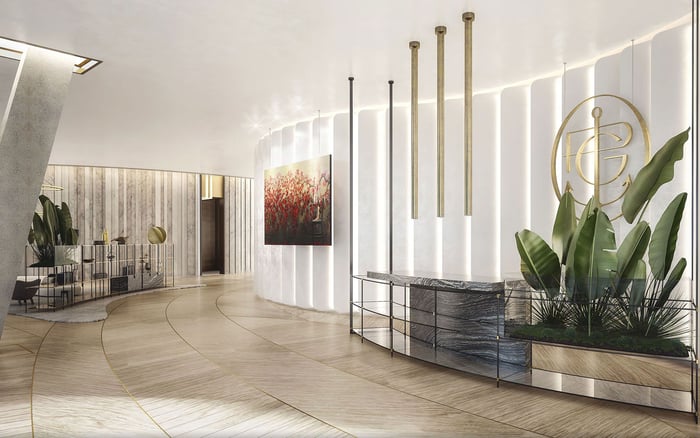
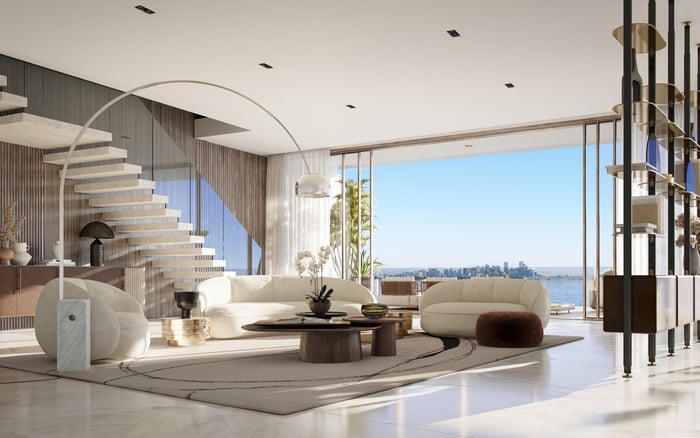
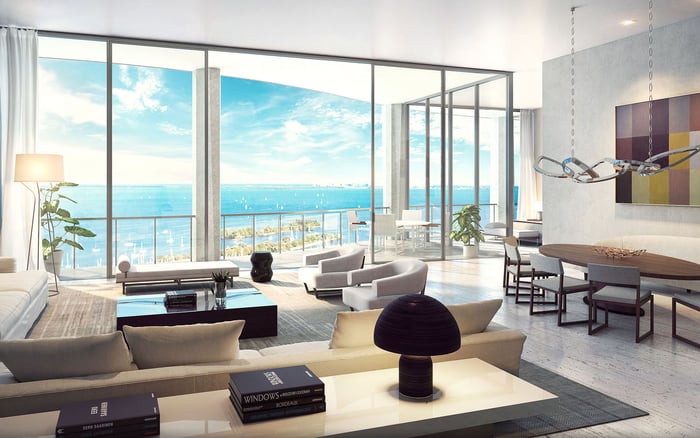
A discreet buyer’s guide to Coconut Grove residences where privacy-minded purchasers should begin their diligence when seeking less exposure to short-term visitor turnover.
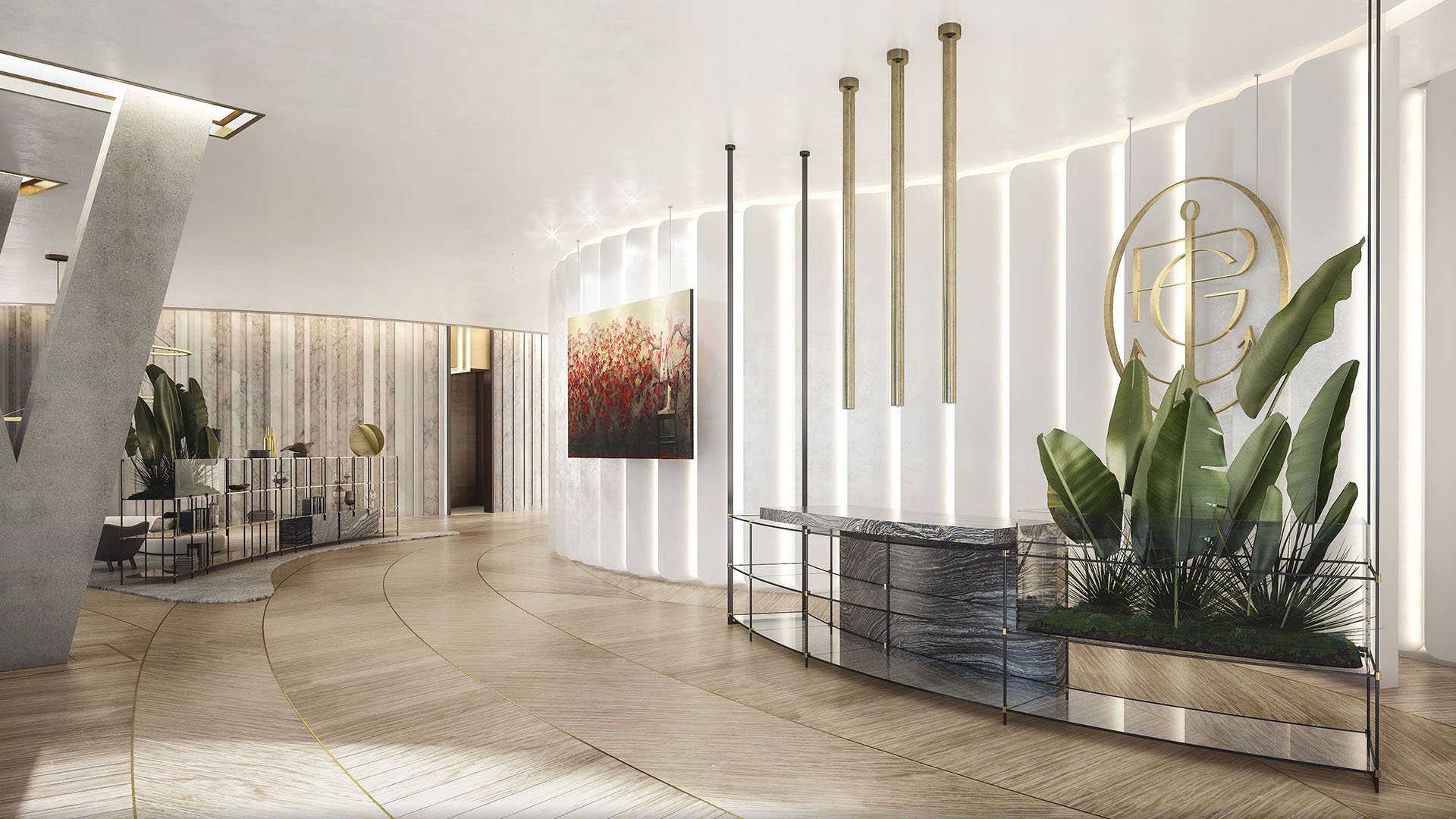
For a certain South Florida buyer, the luxury question is no longer limited to views, finishes, or a recognizable name at the porte cochère. It is about rhythm. Who is entering the lobby on a Friday afternoon? How often do the elevator banks feel like a hotel corridor? Is the pool deck calibrated for residents who know one another, or for a changing cast of weekend guests?
Coconut Grove has a natural advantage in this conversation. Its canopy, village scale, and older residential fabric create a softer tempo than Miami’s most visibly transient districts. Still, buyers who prioritize less exposure to short-term visitors should not rely on neighborhood character alone. The building matters, as do the condominium documents, rental minimums, guest policies, access controls, valet procedures, amenity reservation rules, and the culture created by ownership over time.
This is especially relevant for buyers comparing Coconut Grove inventory, weighing short-term rentals against long-term rentals, and focusing on residences where everyday life feels private rather than performative. The following ranking is best read as a refined starting point for diligence, not as a substitute for legal review or association confirmation.
1. Vita at Grove Isle - island-oriented privacy
Vita at Grove Isle sits at the top of this list for buyers whose first instinct is separation. The very idea of Grove Isle carries a sense of remove, making Vita at Grove Isle a natural place to begin when the priority is lower exposure to casual visitor flow and a more residential arrival sequence.
The key diligence question is not whether the building feels private in marketing language, but how that privacy is protected in practice. Buyers should review rental language, guest registration requirements, security procedures, amenity access, delivery logistics, and whether service areas are designed to keep daily operations discreet.
2. Park Grove Coconut Grove - established Grove presence
Park Grove Coconut Grove belongs near the top because it has become part of the neighborhood’s luxury residential vocabulary. For privacy-minded purchasers, the appeal is the expectation of a composed residential environment aligned with Coconut Grove’s mature, owner-driven character.
A buyer should still verify the specifics. The most important questions concern minimum lease periods, frequency limits, building access for non-residents, pool and fitness guest rules, and whether management has clear systems for monitoring occupancy changes. Less exposure is often produced by governance as much as design.
3. Four Seasons Residences Coconut Grove - branded residential service
Four Seasons Residences Coconut Grove will attract buyers who want polished service without sacrificing the quieter profile of the Grove. The word matters: residences. For the right purchaser, the interest lies in whether the service culture remains residential, orderly, and familiar rather than transient.
Because branded living can invite assumptions, diligence should be exact. Ask how visitors are logged, how residents’ guests move through the property, whether rental activity is limited in meaningful ways, and how the building separates resident privacy from hospitality-style expectations.
4. The Well Coconut Grove - lifestyle focus with residential intent
The Well Coconut Grove enters the ranking for buyers who want a contemporary wellness atmosphere while still protecting daily calm. Wellness-led living can be appealing precisely because it supports routine, privacy, and a more grounded use of amenities.
The central issue is how that lifestyle model translates into resident-only spaces. A careful purchaser should ask whether wellness amenities have outside memberships, how guest access is handled, and whether building rules clearly distinguish invited personal guests from broader visitor traffic.
5. Ziggurat Coconut Grove - design-forward Grove alternative
Ziggurat Coconut Grove rounds out the list as a design-forward option for buyers who want the Grove’s quieter sensibility in a more distinctive architectural setting. It may appeal to purchasers who value individuality but do not want the constant turnover associated with highly transient buildings.
Here, diligence should focus on operational restraint. Review the declaration, leasing provisions, house rules, lobby protocol, and any language that could affect short-duration occupancy. The strongest privacy profiles are usually found where architecture, ownership expectations, and association rules all point in the same direction.
A building does not need to be austere to feel private. In the luxury context, less exposure means predictability. Residents recognize the staff, staff recognize residents, and visitor movement is intentional rather than anonymous. Elevators are not burdened by frequent check-ins, amenity spaces are not treated as content backdrops, and arrival areas do not carry the tempo of a lobby designed for constant turnover.
For Coconut Grove buyers, that often means prioritizing buildings with a clearly residential identity. Look for rules that limit short stays, procedures that require guest authorization, and a service culture that favors discretion over spectacle. Also examine how the garage, valet, package room, dog areas, pool, spa, gym, and private dining spaces are managed. Visitor exposure is not confined to the front desk. It is felt throughout the property.
The strongest buildings tend to make privacy feel effortless. Residents do not need to ask repeatedly for enforcement because the system already supports it. That is the difference between a property that merely appears serene and one that operates with lasting residential discipline.
Before making an offer, buyers should request the governing documents and have counsel review leasing restrictions. Minimum rental terms are only the beginning. Frequency limits, approval requirements, guest stays, corporate leasing language, advertising restrictions, and penalty provisions can all matter.
Ask management how visitor access is handled after hours, whether short guest stays require registration, how amenities are reserved, and whether non-resident access is ever permitted through memberships, events, or third-party programming. If privacy is the objective, ambiguity is the risk.
It is also wise to visit at different times. A quiet Tuesday morning can tell one story, while a holiday weekend may tell another. Observe the lobby, valet queue, elevator banks, pool deck, and service corridors. Luxury privacy is experienced in small repetitions, not only in grand spaces.
Coconut Grove’s appeal is not only aesthetic. It offers a version of Miami luxury that feels rooted. The canopy softens the skyline, the streets encourage slower movement, and the neighborhood’s best residences often attract buyers seeking permanence rather than constant rotation.
That does not mean every Grove building is equally suited to this priority. A privacy-minded buyer should be selective, especially when considering newer projects, branded concepts, and amenity-rich residences. The goal is to find the point where design, governance, and resident culture align.
For those who value low-key arrival, familiar staff, and a more owner-oriented atmosphere, Coconut Grove remains one of the most persuasive markets in South Florida. The right residence can deliver proximity to Miami’s energy while preserving a sense of retreat at home.
Does Coconut Grove generally feel less transient than other Miami neighborhoods? It often appeals to buyers seeking a more residential rhythm, but building rules and management practices remain the decisive factors.
Can a condominium fully prevent short-term visitor exposure? No building can eliminate all visitors, but strong rental rules, access controls, and enforcement can materially reduce turnover.
What document should buyers review first? Start with the condominium declaration, bylaws, house rules, and any leasing or guest policies that govern occupancy.
Are long-term rentals always better for privacy than short stays? Long-term rentals typically create more predictable building use, but tenant screening and enforcement still matter.
Should branded residences be avoided by privacy-focused buyers? Not necessarily. The key is whether the property operates as a true residence rather than with hospitality-style visitor flow.
How can buyers evaluate amenity privacy? Ask who may use the amenities, how guests are registered, and whether outside memberships or events are permitted.
Is a smaller building always more private? Not always. A smaller building with loose rules may feel less private than a larger one with disciplined governance.
When should legal review happen? Legal review should happen before a buyer relies on any assumption about rentals, guests, or use restrictions.
Why is visitor exposure important for resale? Many luxury buyers value calm, security, and consistency, so a well-managed residential environment can strengthen appeal.
Which of these residences should a buyer tour first? Begin with the building whose location, service model, and governing documents best match your privacy priorities.
If you'd like a private walkthrough and a curated shortlist, connect with MILLION.
If branded residences are on your mind — as a home or as an allocation — we would be glad to share what we are seeing, privately.
Begin a quiet conversation