A discreet buyer’s framework for evaluating Midtown Miami as a luxury base for New York and Florida households, with emphasis on lifestyle rhythm, privacy, access, resale discipline, and neighborhood comparisons.
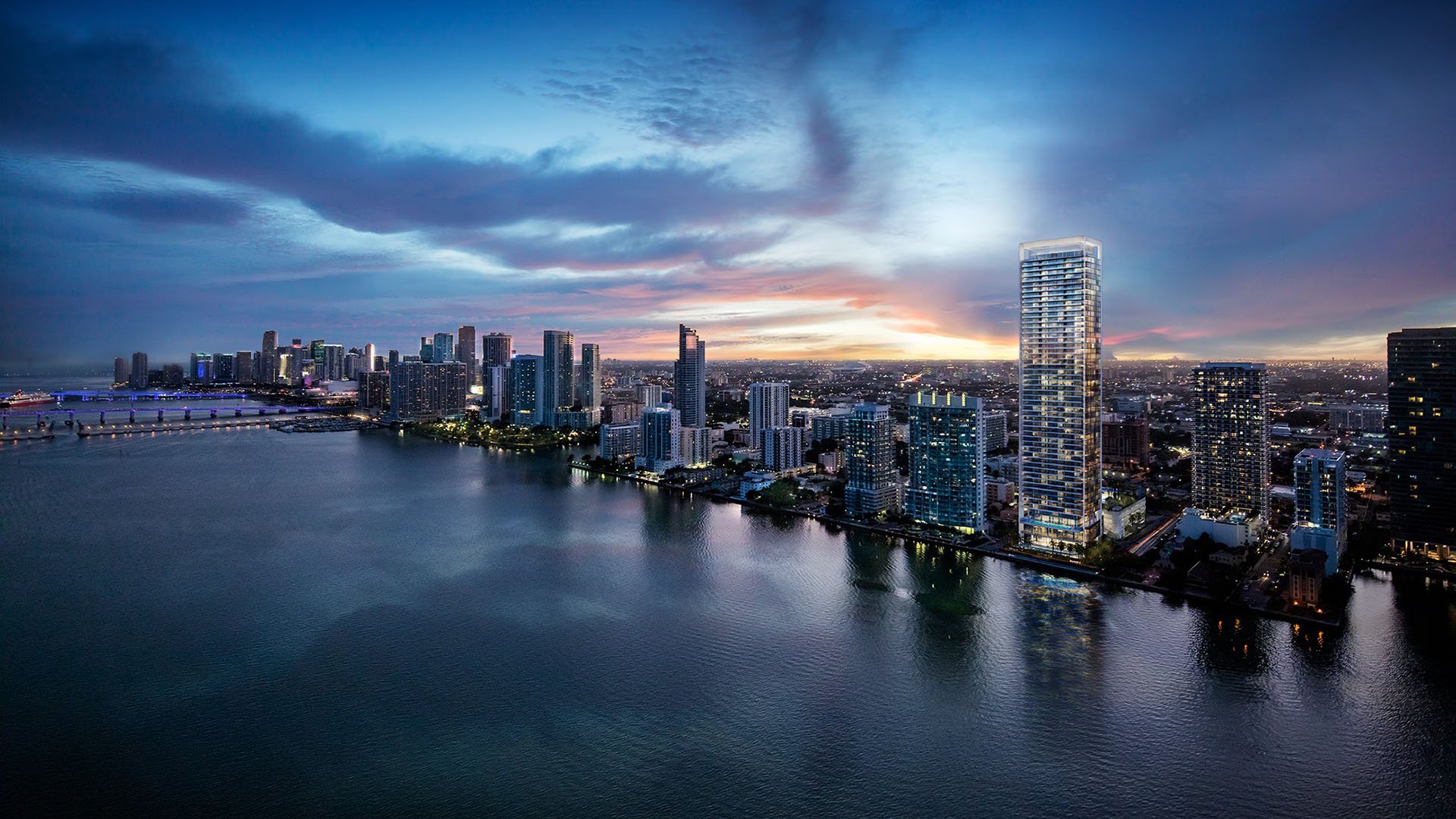
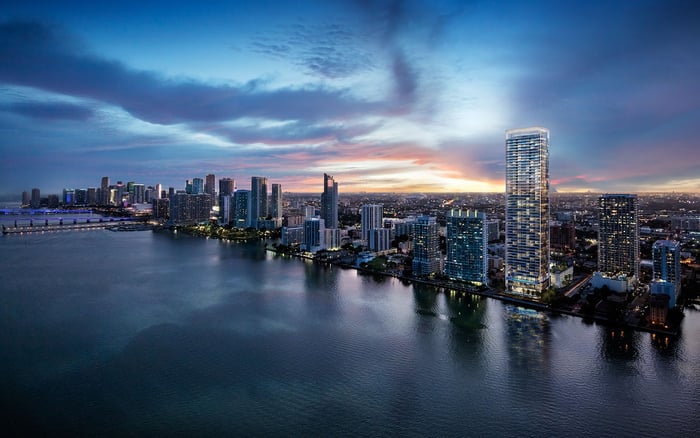
For buyers dividing time between New York and Florida, Midtown Miami can feel immediately legible. It offers the urban convenience, design adjacency, dining access, and cultural proximity that make a second residence feel useful rather than ceremonial. Still, the decision should not be made from a weekend tour alone. Midtown needs to be tested as a working base, a social address, and a long-term asset.
The essential exercise is to separate attraction from compatibility. A neighborhood can be stylish, central, and visually persuasive, yet still be wrong for a household that values a quieter arrival sequence, a more resort-like daily rhythm, or a stronger waterfront identity. Midtown is not simply a substitute for Brickell, Edgewater, Wynwood, Downtown, or Miami Beach. It is its own proposition, which is precisely why disciplined buyers should test it carefully before committing.
A New York buyer often understands neighborhoods by time of day. The same logic applies here. Do not evaluate Midtown only during a polished afternoon showing. Walk it early in the morning, after dinner, during a weekday errand window, and on a weekend evening. Notice the sidewalk texture, valet flow, restaurant turnover, traffic rhythm, and how comfortable the area feels when you are not being guided by a sales associate.
This is especially important if the residence will function as a second home rather than a full-time relocation. A home used intermittently must work immediately. If each arrival requires tactical planning, if parking feels strained, or if the route from lobby to dinner feels less intuitive than expected, the friction will compound over time.
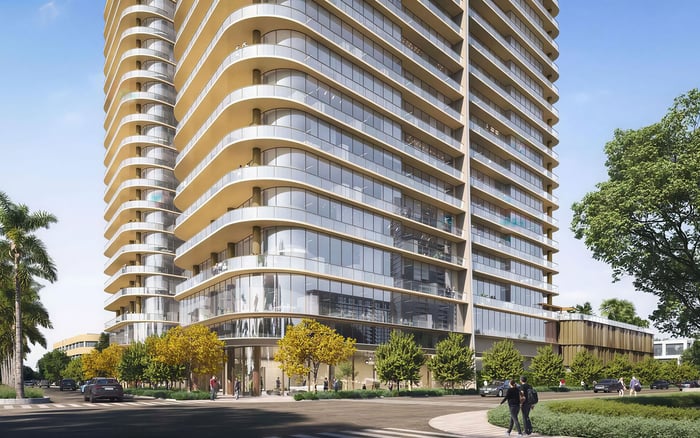
For buyers who want Midtown specifically because of its design-facing energy, Miami Design Residences Midtown Miami is the natural lens through which to consider the neighborhood’s appeal. The question is not whether the location is fashionable. The question is whether its cadence matches the way you spend your Florida days.
Midtown should be evaluated against nearby alternatives, not in isolation. Brickell offers a more corporate, vertical, international rhythm. Edgewater often appeals to buyers who want bay-oriented views and a quieter residential tone without losing proximity to central Miami. Wynwood delivers creative energy, galleries, and nightlife adjacency. Downtown provides a more metropolitan setting, where cultural and business access shape the daily experience.
A buyer drawn to amenities and branded services in Brickell may use 2200 Brickell as a useful comparison point, even if Midtown remains the preferred lifestyle location. If the emotional pull is water, outlook, and a calmer residential return, EDITION Edgewater or Aria Reserve Miami can sharpen the contrast. If the attraction is creative adjacency and urban immediacy, Frida Kahlo Wynwood Residences helps frame how close you want to be to the cultural edge.
This comparative process is not about declaring one neighborhood superior. It is about identifying which compromises you are willing to make. Midtown’s strength is centrality and lifestyle access. Its test is whether that access outweighs the pull of waterfront quiet, resort privacy, or a more traditional luxury address.
New York buyers are often sophisticated about buildings. They know an elegant residence can be undermined by weak operations, inconsistent staffing, poor elevator performance, or an awkward package and delivery experience. In Miami, those operational details matter even more for part-time ownership.
Before buying, ask how the building handles arrivals after delayed flights, guest access, housekeeping coordination, maintenance visits, pet logistics, storage, and vehicle handoffs. A luxury residence should reduce cognitive load. If the building cannot elegantly manage the practical details of an owner who arrives and departs frequently, the apartment may become less pleasurable than the rendering suggested.
Pay particular attention to the lobby sequence. Does it feel private enough? Is there separation between residents, guests, service providers, and food delivery? Does the amenity program support how you actually live, or is it mostly decorative? A gym, pool, lounge, and coworking space are only valuable if they are maintained, accessible, and appropriately scaled to the building’s resident profile.
Midtown buyers should be direct about sensory tolerance. Some owners want urban energy and do not mind visible street life. Others imagine Miami as an escape from intensity. Both perspectives are valid, but they lead to different purchase decisions.
During a showing, open the doors, listen from the terrace, and return at a different hour. Study the exposure, not only the view. Consider how light enters the residence, whether neighboring buildings feel too present, and whether future surroundings could alter the sense of openness. In a dense urban pocket, privacy is not only about height. It is about orientation, setbacks, glass lines, balcony placement, and how the home feels after sunset.
For many New York and Florida buyers, the best Midtown residence is not necessarily the highest or most dramatic. It is the one that feels composed when the city is active around it.
An investment thesis should be disciplined, even when the purchase is lifestyle-led. Midtown’s appeal depends on a clear buyer story: convenience, design access, dining, culture, and central Miami mobility. If a residence cannot communicate those advantages quickly, it may be harder to distinguish in a competitive resale environment.
Ask three questions. Who is the likely next buyer? What will make this unit stand out from comparable inventory? What risks could weaken the story when you decide to sell? The answers may involve floor height, layout efficiency, outdoor space, parking, building reputation, service quality, or the relationship between monthly costs and perceived value.
Buyers splitting time between New York and Florida should also consider liquidity. A residence that feels perfect to a very narrow taste profile may be rewarding personally, but less flexible financially. The strongest acquisitions often balance personal pleasure with broad enough appeal to attract the next sophisticated buyer.
The best way to evaluate Midtown is to rehearse your actual life. Land at the airport, drive to the building, park or valet, change for dinner, walk or rideshare to the places you will frequent, return late, wake up early, take a meeting, receive a delivery, host a guest, and leave again. If the residence makes those transitions graceful, Midtown may deserve serious consideration.
If the routine feels over-managed, compare again. Brickell, Edgewater, Wynwood, Downtown, Miami Beach, Coconut Grove, and other South Florida addresses each solve the two-city lifestyle differently. Midtown’s advantage is not that it tries to be all of them. Its advantage is that, for the right buyer, it can deliver a highly usable urban Miami base without the formality of more established luxury enclaves.
The decision should feel calm. Not because the market is simple, but because the fit has been tested.
Is Midtown Miami a good fit for buyers splitting time between New York and Florida? It can be, especially for buyers who value walkable urban energy, dining access, and proximity to Miami’s design and cultural districts.
Should Midtown be compared with Brickell before buying? Yes. Brickell offers a more corporate and vertical luxury rhythm, making it a useful control market for Midtown buyers.
How does Edgewater differ from Midtown for luxury buyers? Edgewater often feels more residential and view-oriented, while Midtown is typically evaluated for convenience, design adjacency, and urban texture.
Why should Wynwood be part of the comparison? Wynwood helps buyers decide how much creative and nightlife adjacency they truly want near their home base.
What should part-time owners prioritize in a Midtown building? Prioritize staffing, arrival experience, access control, maintenance coordination, storage, parking, and ease of guest management.
Is a high floor always better in Midtown? Not always. Orientation, privacy, noise exposure, light, and surrounding context can matter as much as elevation.
How should buyers evaluate resale potential? Focus on the next buyer profile, layout efficiency, outdoor space, service quality, carrying costs, and clarity of the neighborhood story.
Can Midtown work as a second home rather than a primary residence? Yes, but only if the building and location make arrivals, departures, errands, and social plans feel effortless.
What is the biggest mistake New York buyers make in Midtown? The biggest mistake is buying from a weekend impression rather than testing the neighborhood during ordinary weekday and evening routines.
When is Midtown the wrong choice? It may be wrong for buyers seeking a resort atmosphere, stronger waterfront identity, or a quieter residential enclave.
When you're ready to tour or underwrite the options, connect with MILLION.
If branded residences are on your mind — as a home or as an allocation — we would be glad to share what we are seeing, privately.
Begin a quiet conversation