A discreet buyer’s guide for Mexico City residents seeking South Florida oceanfront calm, with emphasis on privacy, arrival patterns, building character, and neighborhood fit.
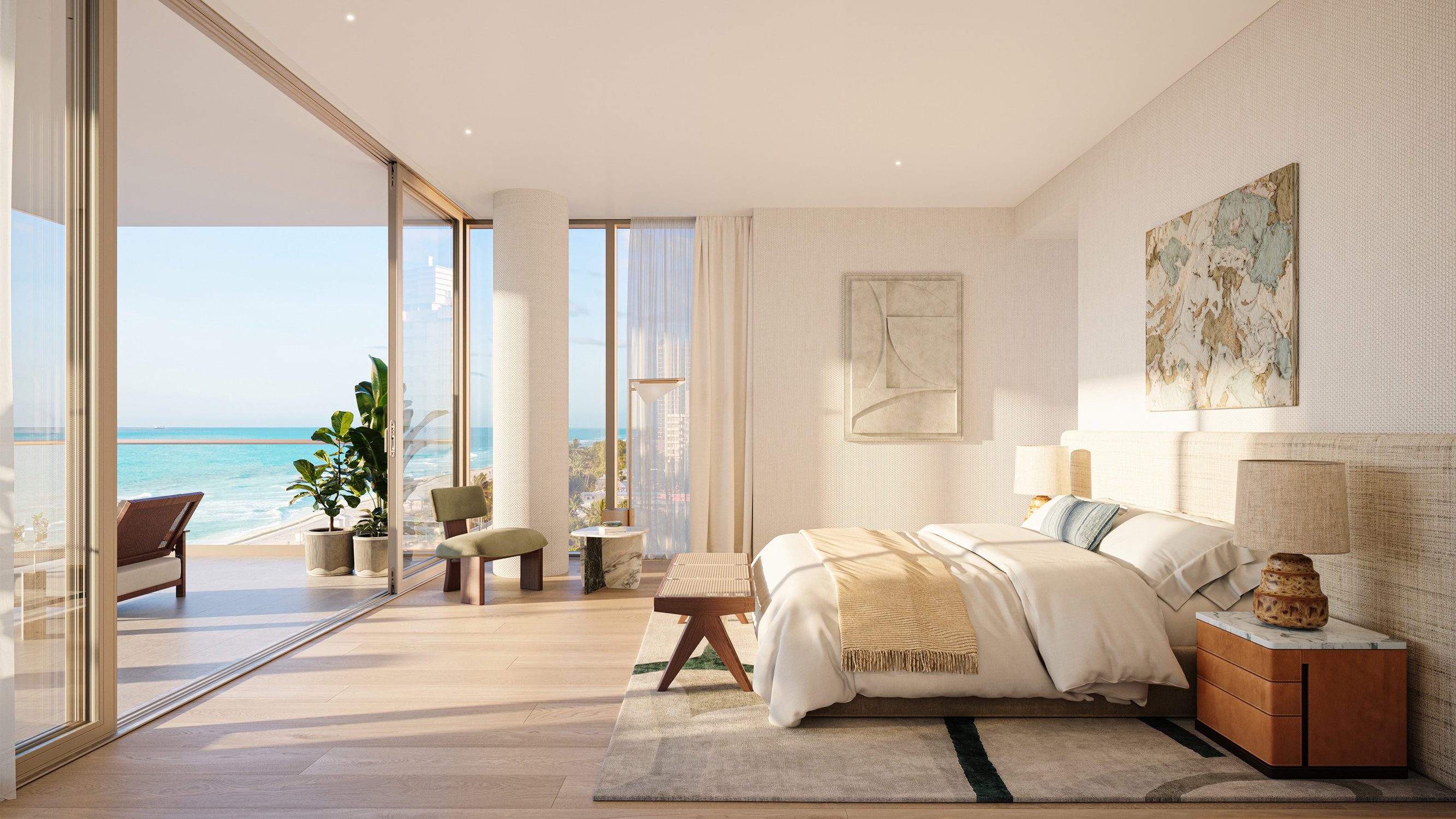
For a Mexico City buyer, the move to Miami Beach is rarely about leaving culture behind. It is about recalibrating pace. The right South Florida residence does not need to feel remote, but it should offer a meaningfully different daily rhythm: less compression at the door, fewer transient arrivals, more sky, more water, and the sense of a building designed for private life rather than spectacle.
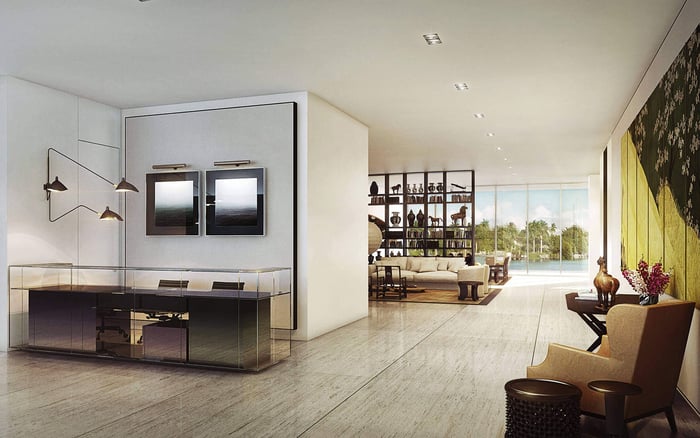
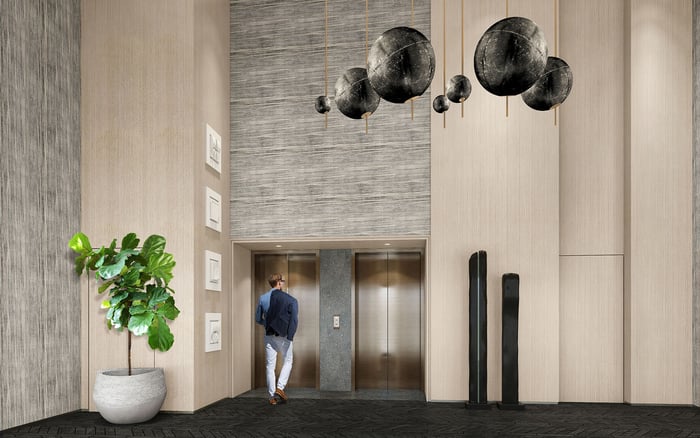
That distinction matters because oceanfront living can mean very different things from one address to the next. A condominium may face the Atlantic and still feel busy at the curb. Another may sit just beyond the most animated blocks and deliver the discretion a second-home buyer expects. Before comparing finishes or views, define calm in practical terms: quiet elevator banks, graceful valet movement, uncrowded pool decks, easy beach access, and a lobby that does not feel like a social crossing.
For search shorthand, Miami Beach remains the emotional center of the conversation, but the best answer may also include Surfside, Sunny Isles, Bay Harbor Islands, Fort Lauderdale, or another coastal pocket with a more residential cadence.
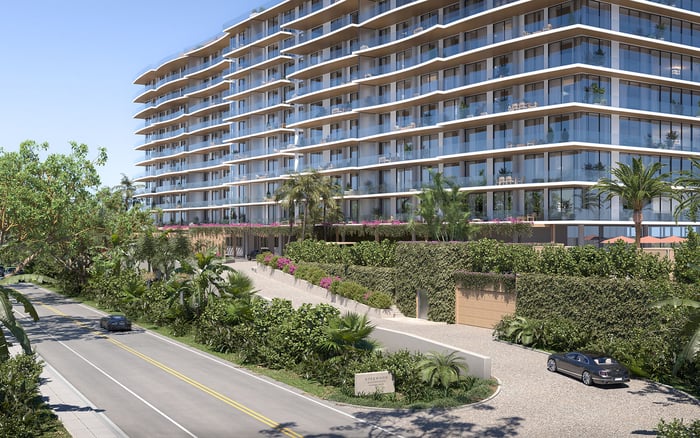
In Mexico City, privacy often begins at the gate, the guardhouse, or the setback from the street. In South Florida, it often begins at the porte cochere. Watch how a building receives people. Is the arrival sequence calm and legible, or does it feel like a continuous exchange of cars, luggage, vendors, guests, and short-stay visitors? Does the entry face a heavily traveled hotel corridor, or does it sit within a quieter residential stretch?
Visit at different hours. Early morning reveals service choreography. Late afternoon shows beach-return patterns. Weekend evenings expose whether the building feels composed or overwhelmed. The most serene properties separate residents, guests, deliveries, and staff movement with an intention that is felt immediately, even when it is not loudly advertised.
This is where oceanfront calm diverges from hotel energy. A hotel can be beautiful and still introduce daily traffic that a private owner may not want at home. For many families coming from Mexico City, the right address is not necessarily the most famous one. It is the one where arrival feels effortless after a flight, dinner, school run, or boat day.
Miami Beach offers the most iconic version of the South Florida dream: sand, architecture, restaurants, wellness, and a global social register. The challenge is choosing a micro-location where the residential experience is protected from the city’s hospitality intensity.
Look for buildings in calmer stretches, with clear beach access and a strong sense of owner privacy. A residence such as The Perigon Miami Beach belongs in the conversation for buyers who want Miami Beach address value while studying whether the building’s setting and design language support a quieter daily lifestyle. The question is not only, “How close is it to the action?” It is, “Can I leave the action outside when I come home?”
Families should also weigh proximity to preferred restaurants, schools, marinas, and private clubs without letting convenience overrule calm. A few extra minutes of drive time can be a modest trade for a more refined arrival and a more peaceful beach routine.
Surfside often appeals to buyers who want the Atlantic at the doorstep without the full volume of resort-driven Miami Beach. Its scale can feel more residential, and its village character is attractive to owners who prefer understatement over constant display.
In this context, The Delmore Surfside is useful to consider as part of a Surfside comparison, especially for buyers evaluating newer luxury inventory in a quieter coastal setting. The broader decision should include how the building manages privacy from the street, how beach access is controlled, and whether shared amenities feel intimate enough for year-round use.
Surfside can be particularly compelling for Mexico City owners who want a lock-and-leave residence that still feels like a true neighborhood. It offers a coastal mood without requiring the buyer to sacrifice access to Bal Harbour, Miami Beach, or the broader Miami corridor.
Sunny Isles is often considered by buyers who want height, water exposure, and a strong condominium lifestyle. It can provide dramatic ocean views and a more vertical residential experience. The tradeoff is that the buyer must be especially attentive to traffic patterns, tower density, and the feeling of the ground plane.
A property such as St. Regis® Residences Sunny Isles may enter the shortlist for buyers who value a branded residential environment and a direct coastal identity. Still, brand recognition should not replace a careful read of daily operations. Ask how residents arrive, where guests wait, how service is handled, and whether amenities are scaled to feel elegant rather than crowded.
For buyers used to Mexico City’s private residential towers, Sunny Isles can feel familiar in its verticality. The best choices are those where elevation, views, and services are matched by a calm, controlled experience at the base of the building.
Not every buyer needs to be directly on the sand to achieve oceanfront calm. Bay Harbor Islands can appeal to those who prefer a more protected, residential island mood while remaining close to beaches, Bal Harbour, and the wider Miami lifestyle. A project such as Onda Bay Harbor can be part of a conversation about water views, quieter streets, and a less hotel-driven environment.
Fort Lauderdale offers another version of the decision. It can suit buyers who want a sophisticated waterfront life with a different rhythm from central Miami Beach. The Ritz-Carlton Residences® Fort Lauderdale may be relevant for those comparing branded residential service in a coastal city that can feel more relaxed, depending on the exact address and daily commute needs.
The core test is the same in every market: does the property allow you to enjoy the water without making you live inside someone else’s vacation traffic?
A disciplined tour should move from macro to micro. First, decide whether you want Miami Beach energy, Surfside softness, Sunny Isles views, Bay Harbor privacy, or Fort Lauderdale ease. Then evaluate the building as an operating environment.
Study elevator ratios, amenity placement, lobby exposure, valet design, service access, beach approach, pet circulation, guest procedures, and the likely rhythm of weekends. Confirm whether the building culture feels owner-led, family-friendly, seasonal, formal, social, or wellness-oriented. None of these qualities is universally better. The right fit depends on how you intend to live.
For a primary residence, daily logistics matter as much as the view. For a second home, lock-and-leave confidence becomes central. For a family office purchase, privacy, building governance, and long-term neighborhood character may outweigh decorative drama. The best South Florida home is the one that makes the transition from Mexico City feel lighter, not louder.
Should Mexico City buyers focus only on Miami Beach? No. Miami Beach is important, but Surfside, Sunny Isles, Bay Harbor Islands, and Fort Lauderdale can offer compelling alternatives depending on lifestyle priorities.
How can I avoid hotel traffic in an oceanfront building? Visit at peak arrival times and study valet flow, lobby activity, guest movement, service access, and the relationship between the building and nearby hospitality uses.
Is direct oceanfront always calmer than bayfront? Not always. Direct oceanfront can be serene or busy, while a bayfront or island setting may deliver more privacy depending on the street and building operations.
What should I look for during a private tour? Pay attention to arrival sequence, elevator privacy, staff tone, amenity density, beach access, and whether the property feels composed beyond staged moments.
Is a branded residence better for a second home? It can be, particularly when service and maintenance are priorities, but the brand should be evaluated alongside privacy, traffic, governance, and location.
Why does the porte cochere matter so much? It is the first operational test of the building. A calm, well-managed arrival often signals a more disciplined residential experience.
Should I buy near restaurants and nightlife? Convenience is valuable, but proximity should not compromise sleep, privacy, or ease of arrival. The best balance is close access without constant exposure.
What is the biggest mistake luxury buyers make? They focus on the view before studying how the building actually functions. Daily calm is created by operations, not only by architecture.
Can a family use an oceanfront condo as a primary home? Yes, if the residence supports daily routines, storage, pets, school logistics, guest needs, and quiet private spaces beyond the amenities.
When should I compare neighborhoods rather than buildings? Compare neighborhoods first when your priorities include commute, schools, marina access, nightlife tolerance, or a specific level of residential quiet.
When you're ready to tour or underwrite the options, connect with MILLION.
If branded residences are on your mind — as a home or as an allocation — we would be glad to share what we are seeing, privately.
Begin a quiet conversation