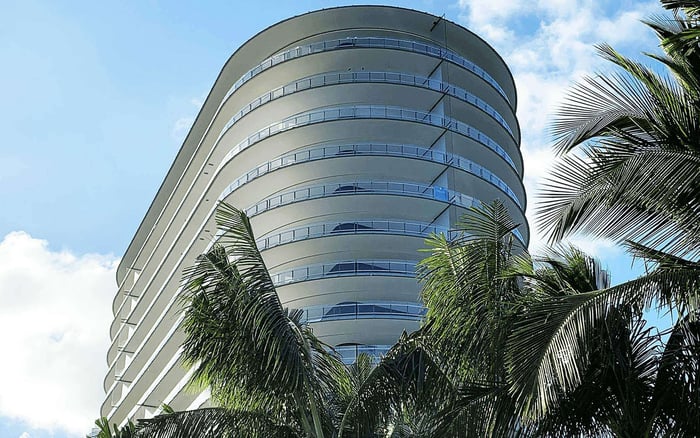
Reserve allocation is now a central due diligence issue for luxury condominium buyers near Miami Beach, shaping governance confidence, financing access, and long-term ownership risk.

In the luxury condominium market near Miami Beach, reserve funding is no longer a back-office accounting line. It is a measure of governance culture, building stewardship, financing resilience, and long-term ownership risk. For buyers evaluating Miami Beach, Surfside, Bal Harbour, Bay Harbor Islands, and nearby waterfront enclaves, reserve allocation transparency is now part of the luxury standard.
That does not mean every buyer should view older buildings with suspicion or assume every new development is risk-free. It means the strongest purchasers read association records with the same care they apply to floor plans, service levels, and view corridors. A residence may offer extraordinary architecture, private amenities, and direct water views, yet ownership still rests on the condition of the common elements and the financial readiness of the association.
For buyers comparing established oceanfront towers, boutique coastal properties such as The Perigon Miami Beach, or service-led residences such as The Ritz-Carlton Residences® Miami Beach, the best due diligence begins with a clear view of how the association plans for capital needs.
Reserve funds are intended to support future capital work and deferred maintenance rather than leave major building needs entirely to last-minute funding decisions. In practice, a reserve schedule should help owners understand what major work is anticipated, when it may be needed, and whether funding is being accumulated over time.
For sophisticated buyers, allocation transparency is as important as the total reserve balance. A large reserve number may appear reassuring, but the deeper question is whether it is assigned to the right components and supported by current engineering and budget assumptions. Buyers should also ask whether reserve categories have been changed, reduced, or redirected, and what approvals or explanations are documented in the association records.
In the post-Surfside era, structural reserve planning is a core governance issue, not merely a preference for conservative boards. Capital planning now belongs in the same conversation as inspections, insurance, maintenance history, and assessment exposure.
Reserve review often focuses on major building components that define the physical health of a tower. These may include roofs, structural elements, fireproofing, plumbing, electrical systems, waterproofing, exterior painting, windows, exterior doors, elevators, mechanical systems, and other common elements. Near the ocean, those categories are not abstract. Salt air, humidity, wind exposure, and coastal weather can place added pressure on exterior assemblies and building systems.
For luxury buyers, the relevant question is not simply whether a building has amenities. It is whether the envelope, waterproofing, structure, and mechanical backbone are being funded with the seriousness expected of a high-value asset. A private restaurant, spa, or pool deck adds lifestyle value, but the long-term ownership experience is also shaped by concrete restoration, waterproofing cycles, roof systems, elevators, electrical infrastructure, and other capital items that rarely appear in marketing imagery.
This is why branding or newness should not substitute for document review. The principle is universal: beautiful ownership depends on transparent stewardship.
For a buyer, the most useful association documents often work together. Budgets show current reserve contributions. Financial statements show the broader fiscal condition of the association. Meeting minutes may reveal pending repairs, board debates, consultant recommendations, or owner concerns. Contracts and bids can illuminate the scale and cost of capital work. Resale disclosures can help buyers evaluate governance, finances, and obligations before closing.
The tone of the response also matters. An association or seller that can produce organized records, explain reserve categories, and clarify recent decisions creates a different impression than one that offers incomplete answers. Transparency does not guarantee there will be no assessments. It does help buyers understand whether future work is being funded through regular planning or pushed into a less predictable future.
For newer projects, the inquiry shifts rather than disappears. Early budgets, warranties, transition planning, and future reserve assumptions deserve careful reading. New construction may offer modern systems and current code advantages, but associations still mature into long-term capital obligations.
Reserve transparency is not only a buyer preference. It can affect financing because condominium project reviews often consider budgets, reserves, project condition, insurance, litigation, financial stability, and whether unresolved critical repairs or significant deferred maintenance exist. When a project raises concerns, financing options may narrow, even for otherwise qualified borrowers.
This has become especially relevant for luxury resale transactions. A cash buyer may focus primarily on long-term asset quality, while a financed buyer must also consider whether the building itself supports the loan review process. In both cases, opaque reserve practices can complicate the transaction. A residence may be beautiful, but the association’s capital planning can influence liquidity when the owner eventually sells.
For buyers near Miami Beach, the prudent view is that association transparency is part of marketability. Clean records, realistic reserves, current inspections, and documented maintenance planning do not eliminate risk, but they can support confidence among purchasers, lenders, and future boards.
Across coastal South Florida, reserve transparency is closely tied to the way buildings plan for aging systems, inspections, maintenance cycles, and long-term repair needs. That relationship is particularly important in condominium markets where towers may have decades of exposure to humidity, salt, and wind.
In Surfside, the broader lesson is that governance, engineering, maintenance, and reserves are inseparable. Buyers considering refined coastal settings, including residences such as The Delmore Surfside, should ask how inspection obligations, reserve studies, and capital funding are documented. That inquiry is not adversarial. It is the modern language of responsible ownership.
The best buyers want to know how the building will be maintained after the first impression fades. They look for evidence that boards are discussing capital needs before they become emergencies and that owners are receiving clear information about the financial plan behind the lifestyle.
The most effective reserve review is calm, methodical, and document-driven. Begin with the current budget and reserve schedule. Identify the line items, contribution levels, intended uses, and whether major building components are separately addressed. Then compare those documents with meeting minutes, inspection materials, financial statements, pending contracts, and any disclosed assessments.
Ask whether reserves have been reduced or redirected, and whether the association records explain those decisions. Ask whether inspection findings or consultant recommendations have been incorporated into the budget. Ask how the board is planning for roof systems, waterproofing, painting, windows, doors, plumbing, electrical components, fireproofing, elevators, and other major common elements.
The goal is not to demand perfection. Coastal buildings require maintenance, and responsible associations may still approve significant projects. The goal is to distinguish proactive capital planning from reactive crisis funding. In a luxury condominium, discretion and service are visible. Reserve discipline is the quieter form of luxury, but it may be the one that preserves value best.
Why is reserve allocation transparency important near Miami Beach? Coastal conditions can place pressure on building systems, making clear reserve planning essential for ownership confidence.
What should a luxury condo buyer review first? Start with the association budget, reserve schedule, financial statements, meeting minutes, contracts, bids, and resale disclosures.
Are reserve balances enough to judge a building? No. Buyers should review how funds are allocated, what components they support, and whether the assumptions appear current.
What building components matter most in reserve review? Roofs, waterproofing, structural elements, windows, doors, plumbing, electrical systems, elevators, and exterior assemblies are often central to the review.
Can reserve planning affect financing? Yes. Lenders may consider project condition, budgets, reserves, insurance, litigation, and deferred maintenance when reviewing a condominium building.
Does a newer luxury building still need reserve review? Yes. Newer buildings still require long-term reserve planning for common elements, systems, warranties, and future capital obligations.
Are special assessments always a warning sign? Not always. The key is whether they are supported by transparent records, credible planning, and a clear explanation of the work involved.
Why do meeting minutes matter? Minutes may reveal pending repairs, consultant discussions, owner concerns, board priorities, and how reserve decisions are being considered.
How should buyers approach branded or service-led residences? Branding and service quality can enhance lifestyle, but buyers should still review association documents, reserves, inspections, and maintenance planning.
What is the best sign of a well-governed association? Organized records, realistic reserve allocations, current inspections, and clear communication all support buyer confidence.
For a tailored shortlist and next-step guidance, connect with MILLION.
If branded residences are on your mind — as a home or as an allocation — we would be glad to share what we are seeing, privately.
Begin a quiet conversation