A buyer-focused comparison of Bay Harbor Islands and North Bay Village through the lens of daily usability, access, neighborhood maturity, and long-term residential value.
In South Florida’s ultra-premium condo market, the most disciplined buyers are moving beyond a narrow definition of luxury. A dramatic arrival sequence, a private waterfront outlook, and a polished amenity narrative still matter, but they are no longer sufficient. The longer the intended hold period, the more a residence must function as a daily home.
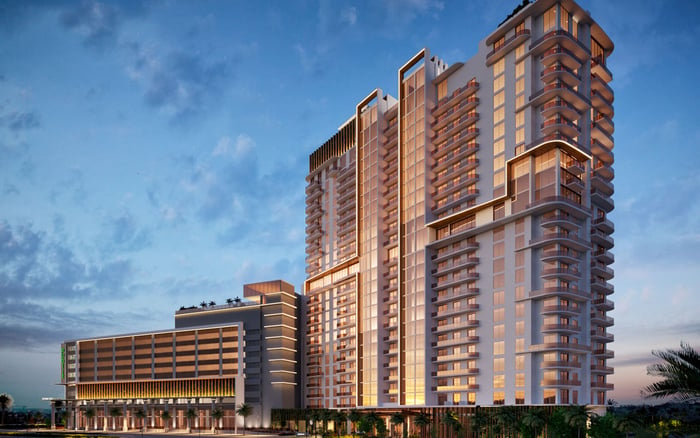
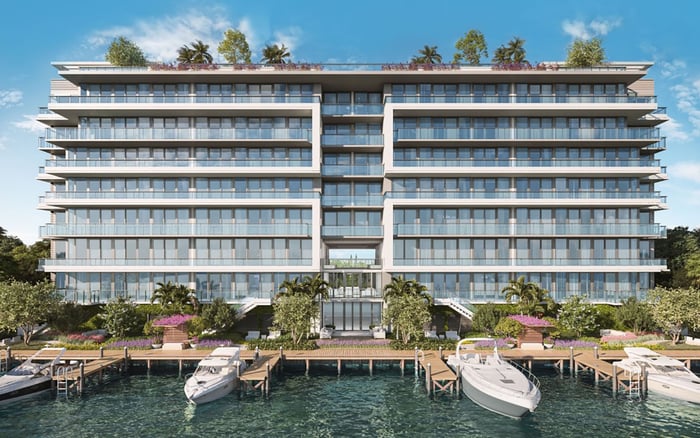
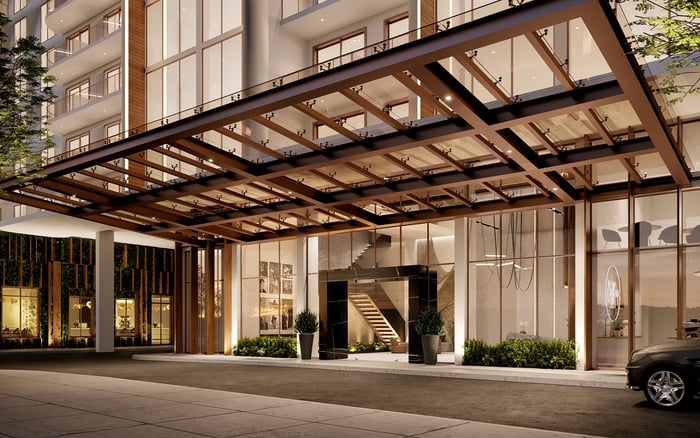
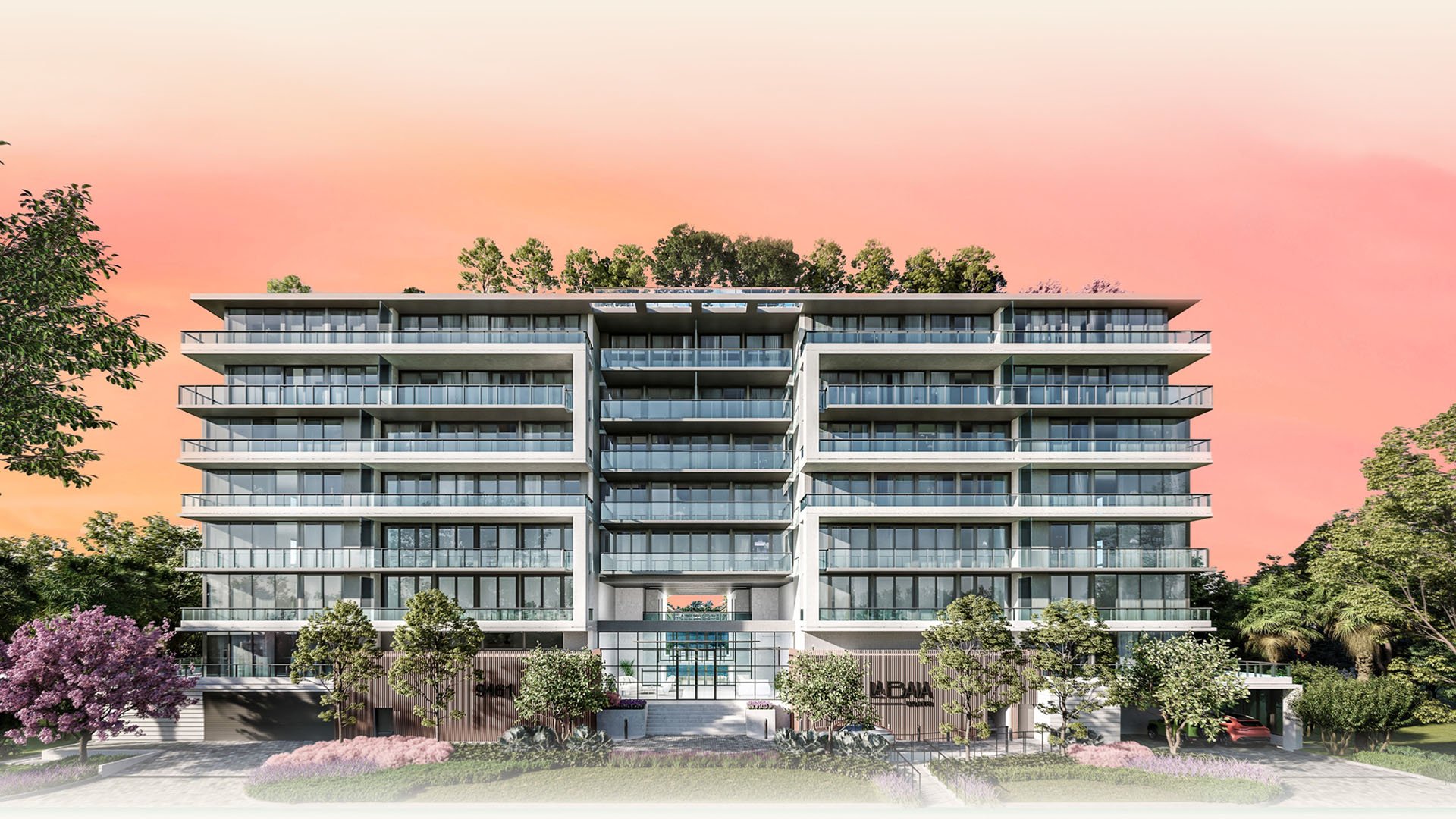
That is why La Baia North Bay Harbor Islands, Shoma Bay North Bay Village, and Mila Bay Harbor Islands warrant close attention from buyers thinking in years rather than seasons. They sit within two distinct island-market profiles: Bay Harbor Islands, a more mature and residentially grounded enclave, and North Bay Village, a waterfront submarket being evaluated for its next chapter as a more complete island community.
For a long-term buyer, the question is not simply which building photographs best. It is which location can support ordinary life with the least friction. That means access, local services, neighborhood feel, building operations, association discipline, parking, storage, insurance considerations, and the practical rhythm of leaving and returning home.
Bay Harbor Islands has a distinct appeal for buyers who want waterfront condo living without defaulting to the higher-tourism energy of Miami Beach’s most visited districts. Its position near Bal Harbour and Surfside provides proximity to established neighborhood infrastructure, while its island setting preserves a more residential pace.
This is the context in which La Baia North matters. It is not merely a waterfront address competing for attention against taller or more branded towers. It is part of a Bay Harbor Islands conversation centered on day-to-day residential feel. For buyers who prioritize walking out into a neighborhood rather than into a resort corridor, that distinction can be decisive.
Mila Bay Harbor Islands follows a similar livability logic. Its Bay Harbor Islands setting supports a slower-paced residential lifestyle, one that can be more compatible with primary use, family routines, and repeat extended stays. The appeal is not about retreating from Miami’s energy altogether. It is about choosing a home base close to Bal Harbour, Surfside, Biscayne Bay, and daily services, while still feeling slightly removed from the constant churn of destination traffic.
Within buyer shorthand, Bay Harbor increasingly signals this type of residential discipline. It suggests a search for balance: waterfront access, neighborhood continuity, and a setting that can remain usable on a Monday morning as well as a holiday weekend.
Shoma Bay belongs to a different but equally relevant thesis. North Bay Village is positioned between mainland Miami and Miami Beach, giving residents an island setting with causeway connectivity in both directions. That geography matters because it creates optionality. A buyer can look east toward the beach, west toward the mainland, and still retain the appeal of an island corridor.
The long-term question is how North Bay Village evolves. Shoma Bay is best understood as part of a livability play tied to the area’s broader movement toward a denser, more complete mixed-use waterfront community. The submarket is not being evaluated only as an older causeway passage. Increasingly, it is being considered as an emerging residential node for buyers who want waterfront living and efficient regional access.
That makes North Bay Village a different kind of bet than Bay Harbor Islands. It may appeal to buyers comfortable with transformation, future neighborhood maturation, and the possibility that today’s corridor becomes tomorrow’s more complete waterfront district. The tradeoff is that emerging areas require more careful scrutiny. Buyers should understand not only the building, but also the surrounding public realm, traffic patterns, retail depth, and how the area may feel during different parts of the week.
A livability-focused purchase should begin with lifestyle mapping. How often will the residence be used? Will it serve as a primary home, a seasonal base, or a second home that may eventually become more permanent? The answer changes the relative importance of proximity, services, parking, guest access, storage, and building governance.
For Bay Harbor Islands, the central advantage is neighborhood continuity. La Baia North and Mila Bay Harbor benefit from a setting near established local services, Biscayne Bay, Bal Harbour, and Surfside. The buyer who values predictability may find this profile especially compelling.
For North Bay Village, the advantage is connectivity and evolution. Shoma Bay’s island location between mainland Miami and Miami Beach creates useful geography for residents who need access in multiple directions. The buyer who values future neighborhood development may see that as a meaningful part of the investment thesis.
The next layer is operational due diligence. Association governance is not glamorous, but it is central to long-term satisfaction. Buyers should evaluate how rules may shape daily life, including guest policies, pet policies, package management, delivery access, common-area maintenance, and procedures for repairs. In waterfront buildings, insurance, reserves, and maintenance planning deserve particular attention.
Parking and storage are equally practical. A beautiful residence can become less livable if daily arrivals, household overflow, bicycles, beach equipment, luggage, or service access are poorly accommodated. Waterview appeal is powerful, but it should be weighed against the functional requirements of actually living in the home.
La Baia North speaks to the buyer who wants a refined waterfront setting in a quieter island neighborhood. The emotional appeal is privacy without isolation, residential atmosphere without losing proximity to Miami Beach, Bal Harbour, Surfside, and Biscayne Bay. It is suited to the buyer who measures value by repeat usability.
Mila Bay Harbor Islands appeals to a similar mindset, especially for those seeking waterfront access within a slower-paced enclave. The buyer is likely less interested in trophy-only positioning and more interested in how the residence integrates into regular life. The surrounding Bay Harbor Islands context is the core of the story.
Shoma Bay attracts a buyer with a more forward-looking view of North Bay Village. Its relevance comes from location and timing: an island submarket between mainland Miami and Miami Beach, with an evolving identity as a denser, more complete waterfront community. That buyer may be comfortable with a less settled neighborhood narrative in exchange for connectivity and transformation potential.
None of these profiles is inherently superior. The better choice depends on the buyer’s time horizon, tolerance for change, and definition of convenience. A household seeking mature neighborhood texture may lean toward Bay Harbor Islands. A buyer prioritizing causeway access and future evolution may look more closely at North Bay Village.
The next phase of South Florida luxury will not reward every waterfront address equally. Buyers are becoming more granular. They are asking whether a building can support quiet mornings, efficient errands, secure arrivals, household storage, regular guests, and an easy return after dinner. They are evaluating the street as carefully as the view.
That is why La Baia North, Shoma Bay, and Mila Bay Harbor matter. Together, they clarify a larger market shift. The most serious buyers are not choosing only between floor plans or finishes. They are choosing between different definitions of island life.
Bay Harbor Islands offers the steadier residential proposition. North Bay Village offers the transformation proposition. For buyers focused on long-term livability, understanding that distinction is the beginning of a more intelligent purchase.
Why do these three projects matter to long-term buyers? They represent different island-living strategies: mature neighborhood living in Bay Harbor Islands and an evolving waterfront node in North Bay Village.
Is Bay Harbor Islands more residential than Miami Beach? It is positioned as a quieter, more neighborhood-oriented alternative to higher-tourism Miami Beach condo districts.
Why is La Baia North relevant for livability? La Baia North is in Bay Harbor Islands, where buyers can prioritize waterfront condo living within a more residential island setting.
What is the main appeal of Mila Bay Harbor Islands? Mila Bay Harbor Islands aligns with a slower-paced residential lifestyle near Bal Harbour, Surfside, Biscayne Bay, and local services.
How should buyers think about Shoma Bay? Shoma Bay is best viewed through North Bay Village’s evolution into a more complete waterfront residential community.
Does North Bay Village offer strong connectivity? Yes, its island position provides causeway access toward both mainland Miami and Miami Beach.
What should buyers evaluate beyond design? They should examine association governance, insurance, parking, storage, access, maintenance planning, and daily service convenience.
Are views enough to justify a long-term purchase? No. Views matter, but long-term satisfaction depends on how well the residence supports ordinary routines.
Which buyer may prefer Bay Harbor Islands? A buyer seeking a quieter, established island setting with proximity to Bal Harbour and Surfside may prefer Bay Harbor Islands.
Which buyer may prefer North Bay Village? A buyer who values connectivity and is comfortable with neighborhood evolution may find North Bay Village compelling.
If you'd like a private walkthrough and a curated shortlist, connect with MILLION.
If branded residences are on your mind — as a home or as an allocation — we would be glad to share what we are seeing, privately.
Begin a quiet conversation