A buyer-focused guide to choosing South Florida preconstruction condos that make cultural season easier, with emphasis on access, discretion, and long-term livability.
For owners who plan their South Florida calendar around openings, performances, dinners, fairs, charity evenings, and private gatherings, the right residence is less about spectacle than choreography. Cultural season rewards ease. The most desirable preconstruction condominium is not simply the tallest, newest, or most visibly branded. It is the one that lets an owner move through the evening with minimal friction, return home gracefully, and still feel removed from the intensity of the calendar.
That requires a different buying lens than the standard amenity conversation. A private pool, spa suite, or generous terrace may matter, but access is the first luxury. The relevant question is not only where a building sits on a map. It is how a resident will use it on a Thursday night, after dinner, in traffic, with guests, or between two events in different neighborhoods.
Preconstruction buyers have an advantage because they can choose with intention before inventory becomes defined by resale scarcity. The strongest opportunities for cultural-season living tend to cluster around a few proven lifestyle axes: Brickell and the central Miami corridor, Miami Beach, West Palm Beach, Fort Lauderdale, and Coconut Grove.
Brickell remains a natural fit for owners who want the energy of a city address without giving up the privacy of a full-service residential tower. It suits the buyer who attends dinners, gallery-adjacent events, private previews, and downtown engagements, then wants a polished return home rather than a long drive across the county.
A residence such as St. Regis® Residences Brickell speaks to that urban preference because the neighborhood itself functions as a strong cultural-season base. Buyers drawn here usually value valet efficiency, a formal arrival sequence, walkable dining, and a building culture that supports frequent entertaining without feeling transient.
The strongest Brickell purchase is rarely about being in the middle of everything at every hour. It is about being close enough to say yes more often. For seasonal owners, that can change the way a home performs. A pied-à-terre becomes a command post. A primary residence becomes a social anchor. A guest suite becomes part of the cultural calendar.
Miami Beach is a different proposition. It is not only about proximity to events, but about mood. Owners who choose the beach often want cultural season to unfold with a sense of occasion: waterfront arrivals, resort-level service, dinner plans that extend late, and mornings that reset quietly by the ocean.
For that buyer, The Perigon Miami Beach offers a relevant point of comparison because it places the conversation squarely in Miami Beach while retaining the preconstruction lens. The appeal is not merely access to cultural programming. It is the ability to live in a setting where the season feels embedded in daily life rather than added to it.
The key consideration on the beach is balance. Some owners want immediate energy; others want a more composed waterfront address with the option to enter the social circuit selectively. The best fit depends on how often the owner hosts, how much privacy is required, and whether the residence will be used as a seasonal retreat or a more permanent base.
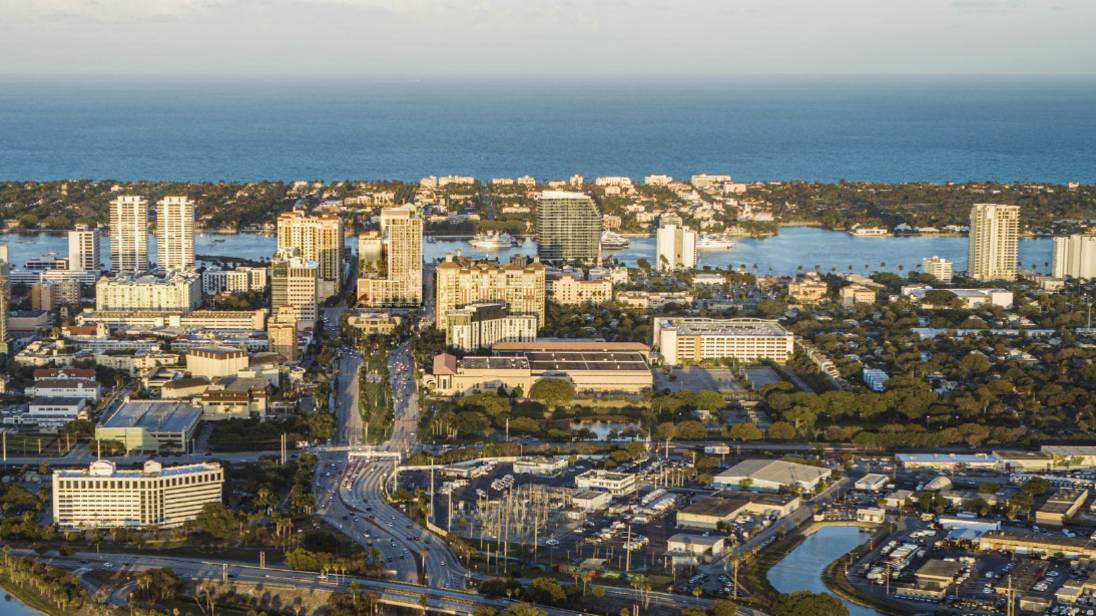
Not every cultural-season buyer wants Miami intensity. West Palm Beach has become increasingly relevant for owners who prefer a refined, highly social environment with a more measured pace. The lifestyle can feel club-like without requiring a gated setting, and the residential choice often comes down to whether the owner wants walkable convenience, waterfront calm, or a service-forward building that makes seasonal hosting feel effortless.
Mr. C Residences West Palm Beach is useful in that discussion because it reflects the growing appetite for branded, hospitality-informed living in a city that appeals to collectors, patrons, and seasonal families. The buyer here is often less interested in spectacle than in composure, recognizability, and ease.
Fort Lauderdale offers another version of the brief. It can be especially appealing to owners who want waterfront lifestyle, marina culture, and access to Broward’s social and performing arts calendar while remaining connected to Miami and Palm Beach when desired. St. Regis® Residences Bahia Mar Fort Lauderdale fits naturally into that conversation for buyers who want the brand discipline of a luxury residence in a Fort Lauderdale setting.
Coconut Grove works for a buyer who wants cultural access without living inside the most obvious event corridor. Its appeal is quieter: mature streets, a village sensibility, proximity to Miami’s urban core, and a residential mood that can feel more private at the end of the night.
For owners comparing preconstruction options, Four Seasons Residences Coconut Grove illustrates why the Grove remains relevant to cultural-season living. The draw is not only the name on the building. It is the possibility of combining service, discretion, and a softer residential setting while still staying connected to the city’s calendar.
The Grove buyer often values the transition between public and private life. After a gala, a dinner, or a performance, the return home should feel like an exhale. That emotional distance can be just as important as geographic distance, particularly for owners who are active socially but protective of their domestic privacy.
The first priority is arrival. Review how the building handles cars, guests, valets, private drivers, and peak evening demand. Cultural-season owners often discover that the garage, porte cochère, and elevator sequence matter as much as the view.
The second priority is privacy. A building can be social without being porous. Consider whether the residence supports entertaining without moving guests through overly public spaces, and whether service areas are designed to keep daily life composed.
The third priority is flexibility. A cultural-season home may be used intensely for several months, lightly during the off-season, and frequently by family or invited guests. Floor plan, storage, staff access, and guest accommodation all influence whether the residence remains practical over time.
Finally, think about resale through the same lens. Future buyers will also value convenience, but they will be more selective about noise, traffic, and building execution. The best cultural-season condo is rarely just close to the action. It is close enough, calm enough, and well-serviced enough to make the season feel effortless.
What makes a preconstruction condo better for cultural season? It should simplify arrival, departure, hosting, and privacy during the busiest social months. Access matters as much as architecture.
Is Brickell a good base for cultural-season owners? Yes, for buyers who want an urban setting, strong dining access, and an efficient connection to central Miami engagements.
Who should consider Miami Beach instead? Miami Beach suits owners who want cultural access with a resort-like atmosphere, ocean proximity, and a more cinematic daily rhythm.
Does West Palm Beach work for seasonal luxury buyers? Yes, especially for owners who prefer a polished social calendar with a more measured pace than Miami.
Why look at Fort Lauderdale for cultural season? Fort Lauderdale can offer waterfront lifestyle, marina energy, and regional access while feeling less dense than Miami.
Is Coconut Grove too quiet for this kind of buyer? Not necessarily. It appeals to owners who want access to the city while preserving a softer, more private home environment.
Should buyers prioritize brand or location first? Location should lead, then brand and service quality should confirm the choice. A prestigious name cannot fix daily inconvenience.
Are larger residences better for cultural-season use? Often, but layout matters more than size alone. Guest flow, terraces, service access, and storage can define comfort.
Can a cultural-season condo also work as a primary home? Yes, if it balances event access with privacy, daily services, and livable floor plans beyond occasional entertaining.
When should buyers begin comparing preconstruction options? Early comparison helps buyers secure preferred layouts and understand whether a building truly matches their seasonal routine.
For a tailored shortlist and next-step guidance, connect with MILLION.
If branded residences are on your mind — as a home or as an allocation — we would be glad to share what we are seeing, privately.
Begin a quiet conversation