A discreet guide for South Florida beachfront buyers who view service elevators, staff access, delivery flow, and operational privacy as core measures of true luxury.
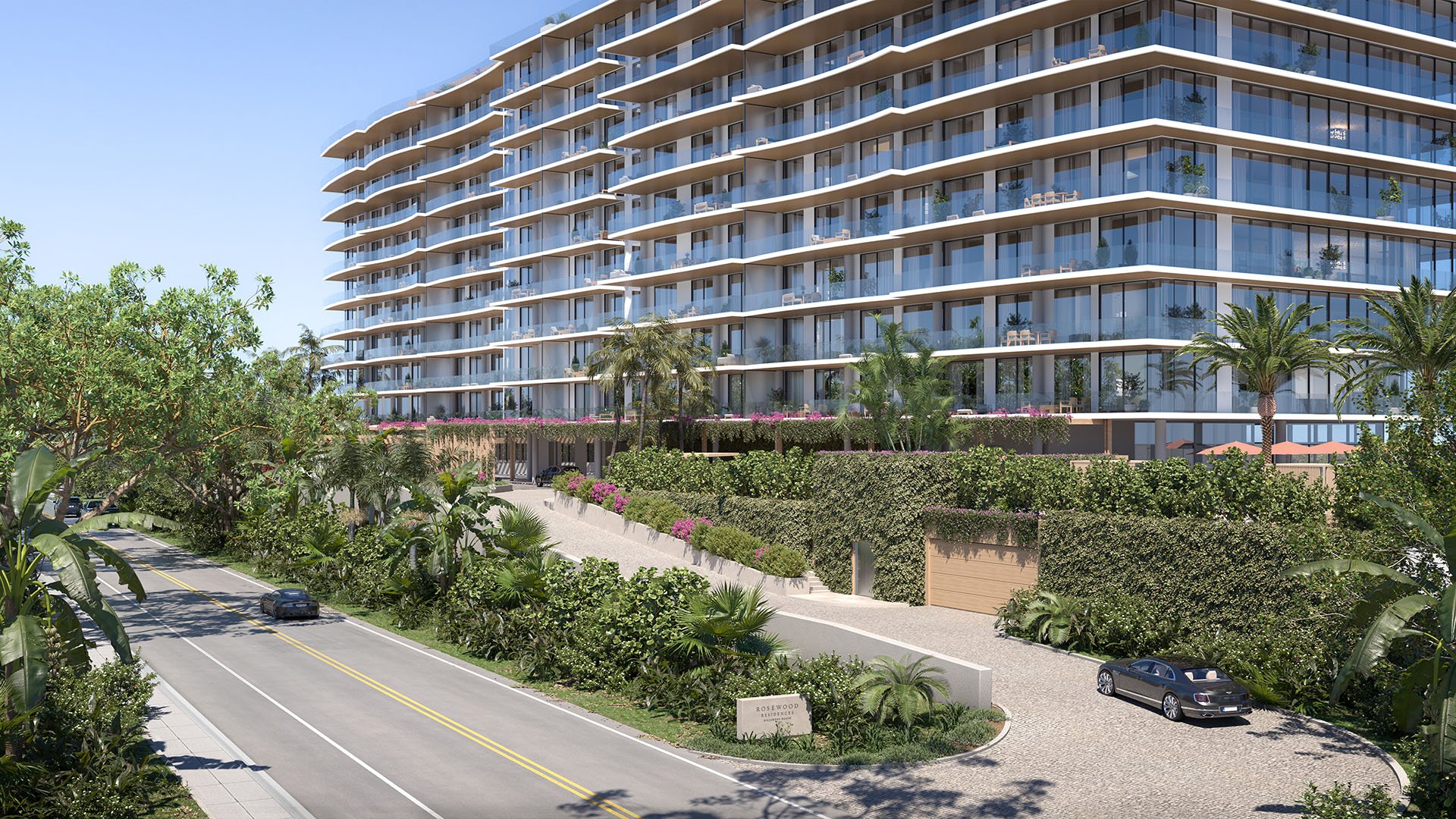
In South Florida’s most desirable beachfront residences, luxury is often described through views, terraces, ceiling heights, private amenities, and the grace of arrival. Yet the quietest test of a building is often what happens behind the scenes. A residence can be beautifully composed and still feel difficult to live in if staff, deliveries, repairs, florals, wardrobe trunks, catering, pets, and beach gear all compete with owners and guests for the same vertical path.
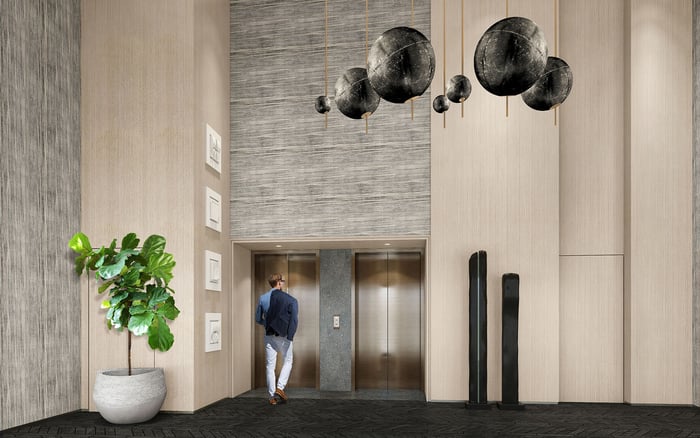
For ultra-premium buyers, the service elevator is not a secondary detail. It is a measure of how well a property understands daily life at scale. A well-run beachfront home should allow household staff to move efficiently, vendors to arrive without ceremony, and deliveries to be handled without turning the main lobby into a logistics zone. The result is not simply convenience. It is privacy, calm, and continuity.
Across oceanfront markets, from Miami Beach and Sunny Isles to Surfside and Fort Lauderdale, buyers are increasingly attentive to the difference between a glamorous building and a livable one. Beach access is only one part of the promise. The more enduring question is whether the building can support a complex household with discretion.
1. Full-service oceanfront tower - dedicated back-of-house circulation
The most compelling profile is a full-service beachfront tower with clear separation between resident arrivals and operational movement. The key identifier is not merely the presence of a service elevator, but how it connects loading, management areas, staff routes, and residential floors without unnecessary crossover.
For buyers with regular staff, frequent entertaining, or high-volume deliveries, this structure preserves the formality of the front-of-house experience. At its best, it feels invisible: guests see the ocean, the lobby, and the residence, while the work of maintaining the home happens elsewhere.
2. Boutique beachfront building - controlled volume and predictable use
A smaller beachfront residence can be highly attractive when elevator demand is naturally lower. The key identifier is predictability. Fewer homes may mean fewer simultaneous moves, fewer delivery conflicts, and a more personal relationship with building staff.
The buyer should still examine whether service access is genuinely practical. Boutique scale does not automatically solve logistics. The question is whether the property has planned for real household operations, not merely elegant arrivals.
3. Estate-like condominium residence - large-format home with staff needs
Large beachfront residences often function more like vertical estates than simple apartments. The key identifier is whether the building supports the scale of the home. If a residence is designed for substantial entertaining, extended stays, wardrobe storage, art handling, or private chefs, service circulation must match that level of use.
For this buyer, an underperforming service elevator can become a daily point of friction. The home may be expansive, but if staff and vendors cannot move with ease, the living experience becomes less graceful than the floor plan suggests.
4. Resort-style beachfront property - amenity richness with disciplined operations
Resort-style living can be compelling, especially when the building offers hospitality-minded services and extensive amenities. The key identifier is operational discipline. The more activity a property supports, the more important it becomes to separate housekeeping, food and beverage movement, maintenance, guest traffic, and residential deliveries.
A buyer should look beyond the amenity menu and consider the infrastructure beneath it. A residence that feels serene during peak season, holiday weeks, and high-occupancy periods has usually been planned with more care than the marketing language alone reveals.
5. Lock-and-leave beachfront residence - low-friction ownership for seasonal use
For seasonal owners, the best profile is a lock-and-leave residence where deliveries, maintenance, stocking, and preparation can happen before arrival without disrupting the owner experience. The key identifier is dependable coordination among building rules, staff access, and vertical transportation.
This matters most for buyers who expect the home to be ready upon landing. Groceries, luggage, linens, flowers, art services, and private staff should be able to move through the building efficiently, while the owner returns to a residence that feels composed.
The ocean view can dominate the first showing, but operational questions belong early in the purchase conversation. Buyers should ask how many service elevators serve the building, which floors they reach, how deliveries are scheduled, and whether large items require special approval. They should understand move-in procedures, contractor hours, staff entry policies, and whether the loading area is protected from weather.
Capacity also matters. A service elevator that cannot comfortably handle furniture, art crates, catering equipment, or maintenance materials may be less useful than it appears. The same is true if service access forces long, visible routes through common areas. In a well-conceived beachfront residence, the service path should feel direct, durable, and discreet.
It is also wise to ask how the building performs during busy periods. South Florida beachfront living has seasonal rhythms, and a residence that operates smoothly in the quiet months may feel very different when owners, guests, vendors, and beach activity all intensify at once.
True privacy is not only about guarded entries, elevator-controlled access, or deep terraces. It is also about removing unnecessary contact between private life and the mechanics that support it. A household manager should not have to negotiate the same path as dinner guests. A caterer should not have to stage in a public-facing corridor. A repair team should not become part of the owner’s arrival experience.
This is where service elevators become part of the architecture of discretion. They preserve the ceremonial quality of the main lobby and private elevator sequence by absorbing the practical work of living. In the finest residences, this separation is not harsh or industrial. It is refined, efficient, and respectful of everyone involved.
The best beachfront buildings understand that service is not an amenity added after design. It is a system. When that system works, the residence feels calmer, the staff works better, and the owner notices less because there is less to notice.
No buyer should evaluate a service elevator in isolation. A strong operational profile includes staffing, management culture, loading access, storage, package handling, contractor procedures, and rules that are firm without being cumbersome. A beautiful residence can overcome many objections, but poor logistics tend to become more irritating over time.
For many South Florida buyers, the decision comes down to lifestyle. A couple using a home occasionally may need different infrastructure than a family with full-time staff, pets, frequent entertaining, and regular deliveries. Still, even the most minimal owner benefits from a building that runs well. Operational elegance has a way of protecting resale appeal because future buyers understand convenience immediately.
The most sophisticated approach is to tour twice: once for emotion, and once for operations. On the second visit, spend less time looking at the horizon and more time asking how the building lives on an ordinary Tuesday morning. That is often where the real luxury is revealed.
Why do service elevators matter in beachfront residences? They protect privacy and allow staff, deliveries, maintenance, and household operations to move without disrupting owners or guests.
Is one service elevator enough for a luxury building? It depends on building size, number of residences, staffing model, delivery volume, and how well the elevator connects to loading and residential floors.
What should buyers ask during a showing? Ask about delivery scheduling, contractor access, move-in rules, elevator capacity, loading areas, staff entry, and peak-season procedures.
Do boutique buildings always have better service logistics? Not always. Lower volume can help, but the building still needs practical back-of-house planning and clear operational rules.
How does service access affect privacy? Strong service access reduces contact between household operations and the formal arrival sequence used by owners and guests.
Should seasonal owners care about service elevators? Yes. Seasonal owners often rely on deliveries, stocking, maintenance, and preparation before arrival, making dependable service access essential.
Can poor service logistics affect resale appeal? Yes. Buyers at the high end often recognize when a residence is difficult to operate, especially if they employ staff or entertain often.
What is the difference between a service elevator and private elevator? A private elevator supports owner arrival, while a service elevator supports staff, vendors, deliveries, repairs, and other operational needs.
Are building rules as important as the elevator itself? Yes. Clear rules determine when and how the elevator can be used, which can make daily ownership smoother or more restrictive.
What is the best way to shortlist comparable options for touring? Start with location fit, delivery status, and daily lifestyle priorities, then compare stacks and elevations to validate views and privacy.
For a discreet conversation and a curated building-by-building shortlist, connect with MILLION.
If branded residences are on your mind — as a home or as an allocation — we would be glad to share what we are seeing, privately.
Begin a quiet conversation