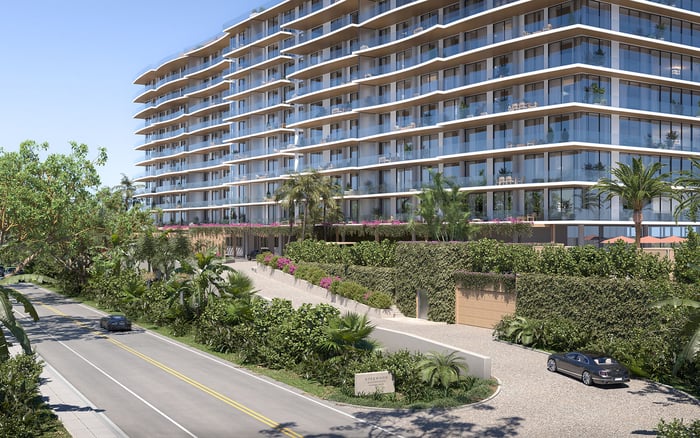
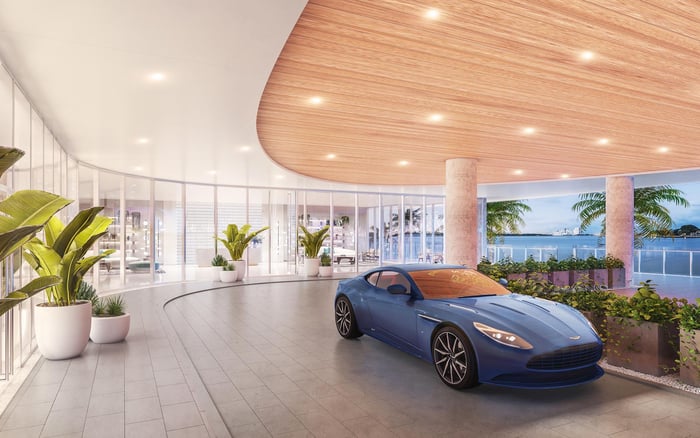
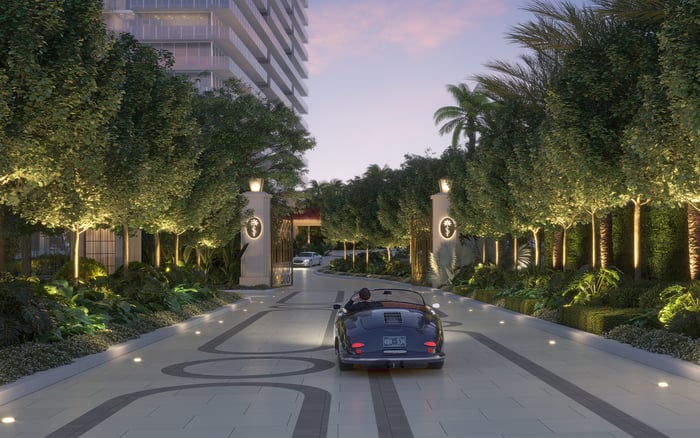
A buyer-focused editorial guide to evaluating sand-to-elevator convenience as a year-round living standard in South Florida luxury oceanfront condominiums.
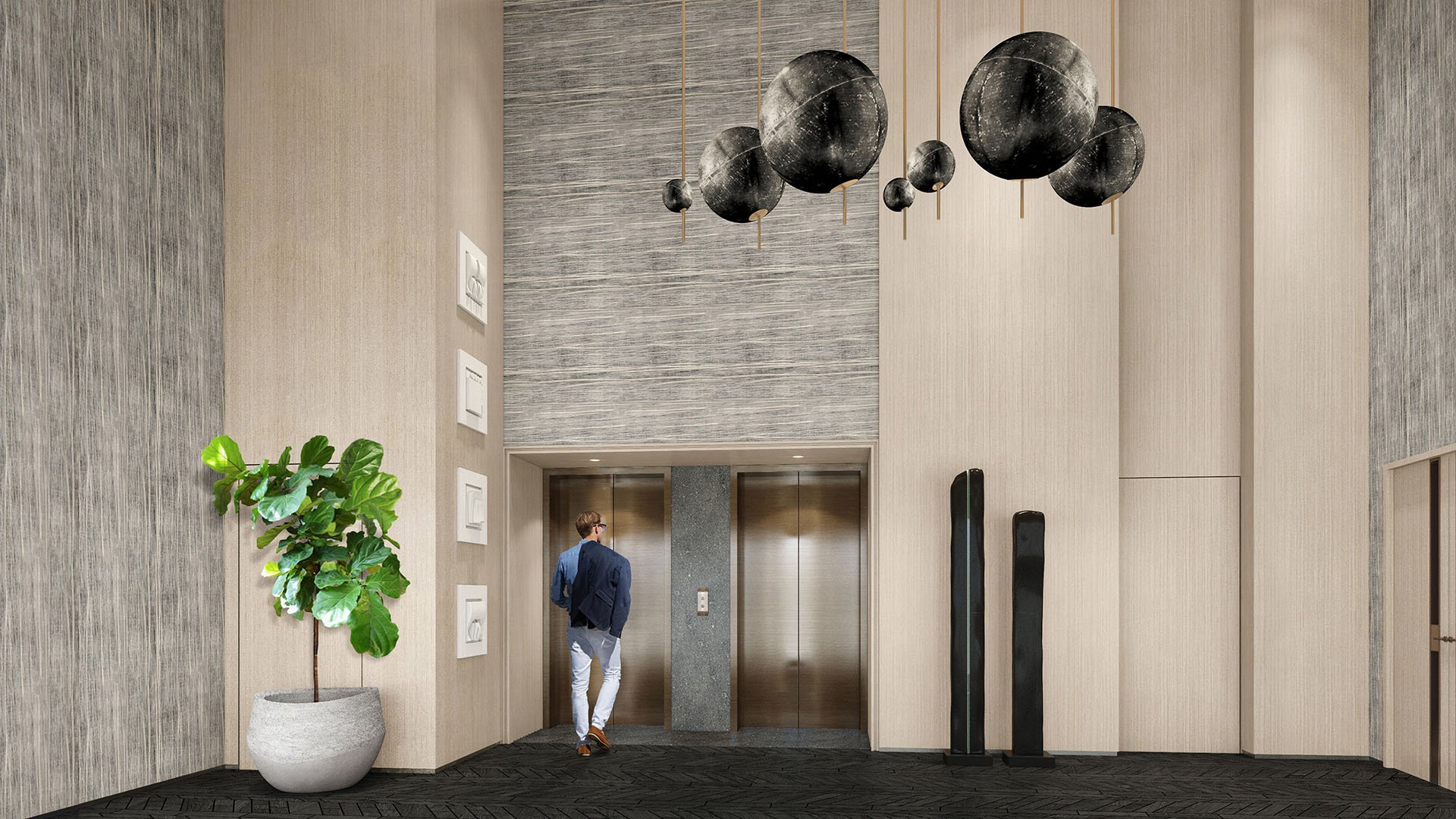
For a full-time owner, oceanfront living is not defined by the view alone. It is defined by the route after a morning swim, the ease of returning with wet towels, the dignity of moving from beach to residence without feeling exposed, and the quiet efficiency of shifting between leisure and private life. Sand-to-elevator convenience sounds simple, but in the upper tier of South Florida real estate, it is a question of design, operations, and ownership.
A short walk to the shoreline may satisfy a weekend buyer. A year-round resident needs more. The difference lies in repetition. When the beach is part of daily life, the building must accommodate wet feet, sun gear, children, dogs, guests, service staff, and privacy with the same grace it brings to a formal lobby arrival.
The most important question is not merely how close the elevator is to the sand. It is how the full sequence works. A refined oceanfront residence should make the return from the beach feel intuitive: rinse, pass through a discreet transition point, store or manage gear, reach the elevator, and arrive home without crossing the most formal social spaces.
This is where planning becomes personal. Some owners prefer the most direct path. Others value a slightly longer route if it protects privacy, avoids lobby traffic, and keeps sand away from polished interior finishes. The right answer depends on how the household actually lives.
Full-time owners should walk the route slowly during a showing. Imagine carrying beach chairs, sunscreen, a child’s toys, or a pet leash. Notice whether the path feels elegant or improvised. Sand-to-elevator convenience should never ask residents to choose between ease and decorum.
In luxury buildings, convenience without privacy can feel incomplete. A direct beach entrance may lose value if every return places residents in view of lobby guests, restaurant patrons, valet traffic, or public-facing amenity areas. The stronger arrangement allows owners to move naturally from outdoor life to private vertical circulation.
This is especially relevant for buyers comparing oceanfront and beach-access residences across Miami Beach, Sunny Isles, Surfside, and Fort Lauderdale. Each setting can offer a different rhythm, from resort-like energy to quieter residential pacing. The right fit is not universal. It depends on whether the owner wants a social beach lifestyle or a more concealed daily routine.
A private-feeling path also matters for guests. When visitors can be guided to the beach and back without confusion, the residence feels composed. When every trip requires explanation, access fobs, backtracking, or staff intervention, convenience becomes conditional.
Sand-to-elevator living works best when the building anticipates what the beach brings back with it. Wet towels, paddleboards, children’s equipment, beach bags, and pets all need a system. Owners should pay close attention to where rinsing occurs, whether storage is practical, how elevators are protected, and whether there is a logical route for staff or family members carrying gear.
The most elegant buildings make this feel invisible. A resident returns from the shoreline, passes through a controlled transition, and reaches the home without the experience feeling like a service corridor. That balance is the essence of luxury: the practical elements are present, but they do not dominate the atmosphere.
Parking and arrival belong in the same analysis. A full-time owner may move from car to apartment, apartment to beach, beach to pool, and pool back home several times in one day. If each movement requires a different logic, the building will feel less effortless over time.
The elevator is not simply a vertical conveyance. It is part of the emotional transition from public coastline to private residence. Owners should consider whether beach-return traffic shares the same elevator banks as formal guests, how easily wet or sandy conditions are managed, and whether the ride home feels calm at peak leisure hours.
In a primary residence, small frictions become meaningful. Waiting in a crowded elevator after a swim, passing through a heavily trafficked lobby in resort attire, or having no natural place to pause can diminish the sense of privacy that a premium home should preserve. The more often the owner uses the beach, the more important these details become.
The goal is not theatrical exclusivity. It is residential poise. The owner should be able to live casually at the shoreline while still feeling protected by the building’s architecture and operations.
A buyer should study sand-to-elevator convenience at different times of day. Morning beach use may feel serene, while late-afternoon returns reveal how the building handles families, pets, guests, deliveries, and amenity traffic. A single tour rarely captures the full rhythm.
Ask practical questions. Where do residents rinse off? Where are boards, chairs, and umbrellas kept? Are pets routed comfortably? How does the building protect common areas from sand and moisture? Does the path feel safe and well lit after sunset? These are not secondary concerns. They shape the quality of everyday ownership.
It is also worth distinguishing between a building that is close to the beach and one that is truly beach-livable. Proximity is geographic. Convenience is operational. The best residences align architecture, staffing, circulation, and etiquette so the ocean becomes part of daily life rather than an occasional destination.
For full-time owners, sand-to-elevator convenience can support long-term satisfaction because it affects daily behavior. If the route is pleasant, the beach is used more often. If it is awkward, even a spectacular shoreline can become a view rather than a lifestyle.
This does not mean every buyer should choose the most direct beachfront circulation. Some will prioritize privacy over immediacy. Others will value family ease above formality. The strongest decision comes from understanding the household’s habits and testing whether the building supports them naturally.
In South Florida’s luxury market, the most compelling oceanfront residences are not merely close to the sand. They make beach life feel civilized, private, and repeatable.
What does sand-to-elevator convenience mean? It describes how easily a resident can move from the beach to the private residence, including rinsing, circulation, privacy, and elevator access.
Is the shortest beach route always the best? Not always. A slightly longer route may feel better if it protects privacy, avoids formal spaces, and handles sand more discreetly.
Why does this matter more for full-time owners? Full-time owners repeat the beach-to-home sequence often, so small design and service details become part of daily comfort.
What should buyers look for during a tour? Walk the actual beach-return route and notice rinsing areas, elevator access, storage logic, lighting, privacy, and staff coordination.
How does privacy affect beach access? Privacy matters because residents often return in casual beach attire and may prefer not to cross prominent lobby or guest areas.
Should pet owners evaluate the route differently? Yes. Pet owners should consider rinsing, leash movement, elevator sharing, and whether the path feels practical after beach walks.
Does beach storage matter in a luxury condo? It matters greatly. Without sensible storage, beach chairs, umbrellas, toys, and boards can make daily coastal living feel cumbersome.
Can a resort-style building still feel residential? Yes, if circulation, staffing, and amenity placement allow owners to move privately despite an active beachfront environment.
What is the biggest mistake buyers make? Many buyers admire the view but do not test the daily path between residence, elevator, pool, beach, and parking.
How should owners compare different coastal areas? Compare the building’s rhythm, privacy, and operations as carefully as the location, since daily convenience varies by property.
If you'd like a private walkthrough and a curated shortlist, connect with MILLION.
If branded residences are on your mind — as a home or as an allocation — we would be glad to share what we are seeing, privately.
Begin a quiet conversation