A buyer-oriented playbook for protecting downside when positioning South Florida residences for World Cup-driven demand, with underwriting, legal, operational, and asset-selection safeguards.
World Cup weeks can feel like a financial windfall: compressed travel windows, premium willingness to pay, and a unique influx of corporate and family groups who want turnkey comfort rather than hotel constraints. The mistake is using that spike as the foundation of your investment thesis.
Downside protection starts with a contrarian stance: treat World Cup upside as optional, not necessary. If the numbers work only when you assume peak nightly rates and near-perfect occupancy, you are not underwriting a rental property-you are underwriting an event.
A resilient South Florida rental investment is built to perform across the full calendar, through weather headlines, and amid regulatory or building-rule shifts. The World Cup should sit on top of that structure as an opportunistic bonus.
In luxury rentals, “risk” is rarely one catastrophic item. It is more often a chain of small frictions that compresses net income.
Start by separating risk into four buckets:
Regulatory and building rules: short-term rental allowances, minimum-stay requirements, approval processes, registration, fees, and enforcement.
Operational execution: guest screening, concierge-level turnovers, inventory control, linen cycles, repairs, and response times.
Market volatility: shoulder-season softness, competing inventory, changing traveler mix, and the possibility that demand concentrates in fewer submarkets than expected.
Physical and insurable risk: storms, water intrusion, power loss, and liability exposure from high-value guests and gatherings.
Downside protection strategies should keep you solvent and composed even when more than one bucket deteriorates at once.
The most effective protection is not a clever workaround. It is disciplined, conservative math.
Build a base case that assumes:
You achieve respectable occupancy without relying on event weeks.
You discount rates during slow periods to maintain rhythm and reviews.
You carry a realistic reserve for repairs and replacements, especially for furnishings.
Then build a stress case: a meaningful drop in occupancy, slower leasing velocity, and higher operating costs. If your cash plan collapses under stress, your World Cup upside is irrelevant.
For many buyers, this means selecting a residence that can succeed as a medium-term executive rental or convert cleanly into a long-term lease if short-term conditions change. In Brickell, for example, a centrally positioned, amenity-rich tower like 2200 Brickell can support a “corporate lease” posture when nightly demand is not worth the operational intensity.
Flexibility is the underrated luxury of rental investing. The more ways a residence can be positioned, the less you depend on any single demand wave.
Prioritize assets with:
Broad guest appeal (light-filled living areas, privacy between bedrooms, practical storage).
Durable finishes that tolerate frequent use without looking tired.
A layout that photographs well while still living well for longer stays.
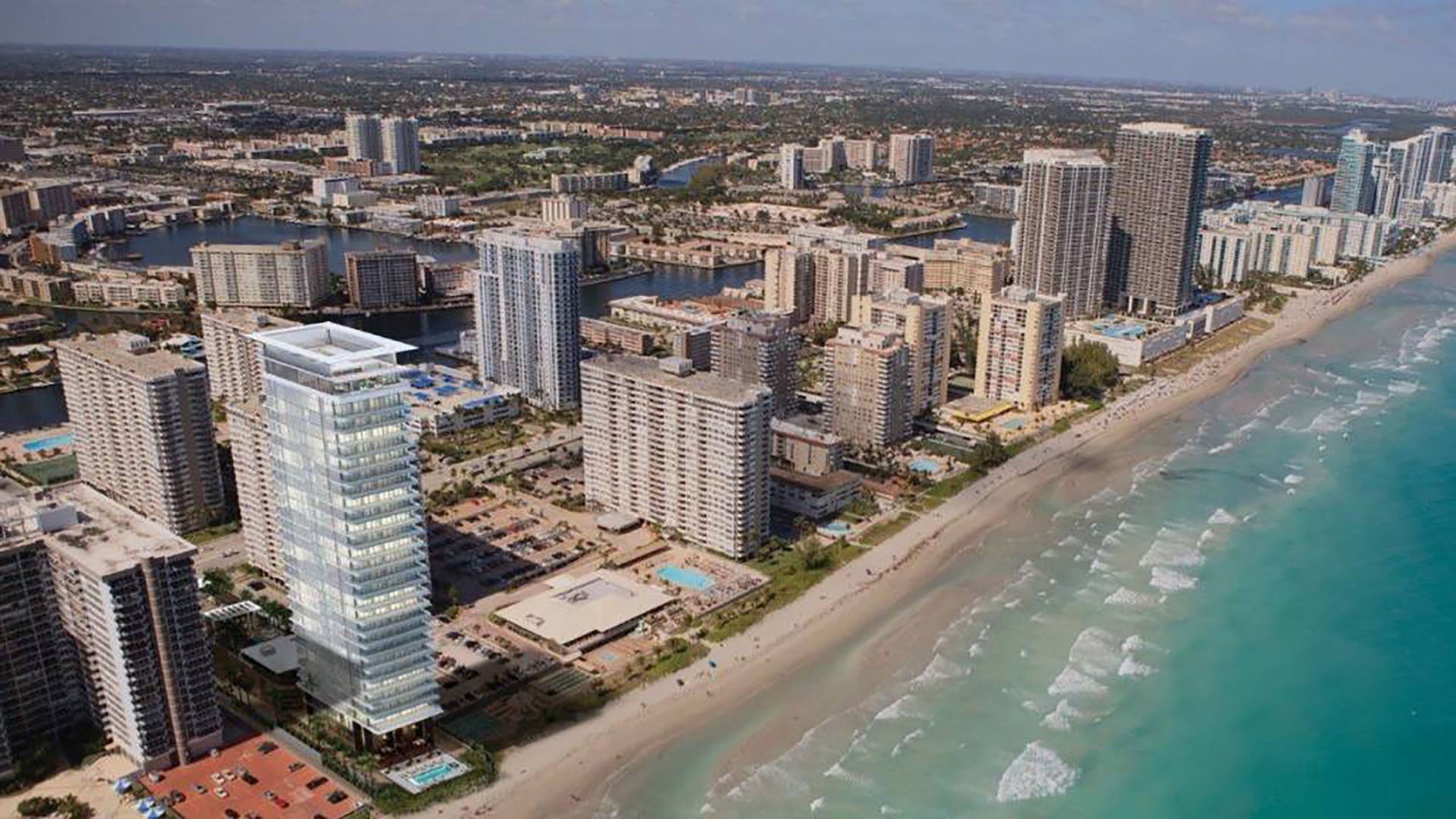
Oceanfront can be a stabilizer because it creates non-event demand. A property that is compelling in May and September is less likely to require heroic pricing to book. In Hallandale, a residence such as 2000 Ocean Hallandale Beach signals “destination stay” beyond any sports calendar, which can help smooth revenue across seasons.
In luxury condos, a building’s posture toward rentals can matter as much as the view. Downside protection improves when you minimize rule risk and avoid enforcement surprises.
Before you commit, confirm you can operate within the building’s practical realities:
Minimum stay requirements and caps on rental frequency.
Application timelines and background checks.
Move-in and move-out protocols that affect turnovers.
Guest registration, elevator reservations, and security expectations.
The hidden downside is operational drag. A building can be “allowed” yet still be painful, slow, or inconsistent. That friction shows up as vacancy days and elevated management fees.
If your plan includes a Miami Beach component, choose the micro-market first, then the building. A refined, lifestyle-forward project like 57 Ocean Miami Beach is the kind of address that tends to attract longer-stay guests seeking calm rather than party volume-a positioning that can align more naturally with stricter building cultures.
World Cup rental demand can encourage a “maximize nights” mindset. For luxury residences, downside protection often comes from the opposite: fewer stays, higher quality, lower damage.
Consider a “high-touch, low-churn” model:
Favor longer minimum stays during peak periods.
Use arrival windows and curated check-in to reduce chaos.
Implement a no-event policy unless the residence is specifically designed for entertaining.
This approach limits wear-and-tear and reduces the odds that a single guest creates a six-figure problem through damage or neighbor conflict. It also helps you keep the home in the condition required to support premium pricing year-round.
South Florida is not forgiving to owners who treat risk as theoretical. A downside-protected rental plan includes an insurance review that matches how the home is actually used.
At minimum, align coverage to:
Liability exposure consistent with high-value guests.
Water and wind risks appropriate to the home’s elevation and location.
Loss-of-use or interruption so a covered event does not create a second financial hit.
Then build operational resilience:
Smart leak detection and shutoff tools.
A documented pre-storm plan for furniture, terrace items, and shutters if applicable.
Redundant vendor relationships so you are not searching for help during peak demand.
The goal is straightforward: when the inevitable happens, you are inconvenienced-not destabilized.
Every investment improves when it can be exited gracefully. World Cup-driven enthusiasm can cause buyers to overlook liquidity.
Downside protection means knowing, in advance, which exit is most realistic:
Sell to a primary buyer who values lifestyle, not rental income.
Sell to an investor who wants a stabilized, documented rental operation.
Refinance after improvements and seasoning, if available and appropriate.
You can support all three by:
Keeping immaculate records of revenue, expenses, and maintenance.
Avoiding over-personalized design choices that narrow your buyer pool.
Furnishing with a coherent, premium palette that conveys “hotel-level” without fragility.
In trophy-branded environments, design discipline matters even more. A project such as 888 Brickell by Dolce & Gabbana can attract a buyer motivated by identity and service culture, which can provide an exit narrative beyond rental performance alone.
Luxury rentals are reputation businesses. One poor stay can reduce future pricing power through reviews and word-of-mouth.
Downside protection tactics include:
Price floors that prevent desperation discounting that invites problematic bookings.
Peak-period minimums that reduce churn.
Transparent fee policy to avoid disputes that escalate into chargebacks.
Resist the temptation to “win the calendar” at any cost. For premium residences, the objective is not maximum occupancy. It is maximum net income with minimum drama.
World Cup travel can include high-energy groups. Even in a strict luxury context, you want screening that is firm, fair, and legally defensible.
Elements of a downside-protected screening process:
Identity verification and clear occupancy limits.
A signed rental agreement aligned with building rules.
A security deposit or damage waiver structure that discourages carelessness.
Quiet hours and terrace policies that protect neighbor relations.
The point is not to be adversarial. It is to signal that the residence is curated, managed, and not negotiable.
Event weeks create headlines; repeat demand creates stability.
From a downside perspective, prioritize locations that consistently draw:
Corporate relocations and project teams.
Seasonal residents seeking extended stays.
Family travel with a preference for space and privacy.
Waterfront, walkability, and access to dining and wellness tend to be enduring drivers. So is the sense of arrival: lobbies, valet cadence, security polish, and the ability to feel “taken care of” in a private residence.
Luxury homes come with luxury replacement costs. A broken sofa, a damaged stone surface, or an emergency weekend call-out can be expensive.
A downside-protected plan maintains:
A furnishings replacement reserve.
A maintenance buffer for HVAC, appliances, and plumbing.
A contingency for vacancy bridging, especially around storm season.
This is where many “event investors” get caught. The calendar looks strong until one disruption forces discounted bookings, rushed repairs, and preventable wear.
What is the single best downside protection move for a World Cup rental plan? Underwrite the property as if the World Cup upside does not exist, then treat any spike as optional.
Should I focus on short-term rentals only? No. A plan that can pivot between short-term and longer-term leasing tends to be more durable.
Is oceanfront always safer from a downside perspective? Often, yes for demand, but it can come with higher exposure to storms and maintenance complexity.
How do building rules affect rental outcomes? Rules and enforcement shape turnover friction, guest approval timelines, and the types of stays you can accept.
Do luxury rentals perform better with more bookings or fewer bookings? Many owners net more with fewer, higher-quality stays that reduce wear, conflict, and vacancy days.
What operational detail most often erodes net income? Turnovers and last-minute repairs, especially when service expectations are hotel-level.
How should I think about furnishing for resilience? Choose durable, timeless materials that photograph well and can be refreshed without redesigning the home.
Is it risky to rely on premium pricing during event weeks? Yes. If premium pricing is required to meet your annual targets, your plan is event-dependent.
Can branding and services help protect downside? They can support pricing power and exit appeal, provided the total cost structure still works in a base case.
What is the right time horizon for this kind of investment? Longer horizons generally reduce risk, allowing you to ride out slow seasons and improve operations over time.
If you'd like a private walkthrough and a curated shortlist, connect with MILLION Luxury.
If branded residences are on your mind — as a home or as an allocation — we would be glad to share what we are seeing, privately.
Begin a quiet conversation