A discreet, practical guide for New York buyers evaluating South Florida preconstruction condos, from neighborhood fit and waterfront orientation to contract discipline, design quality, and exit planning.
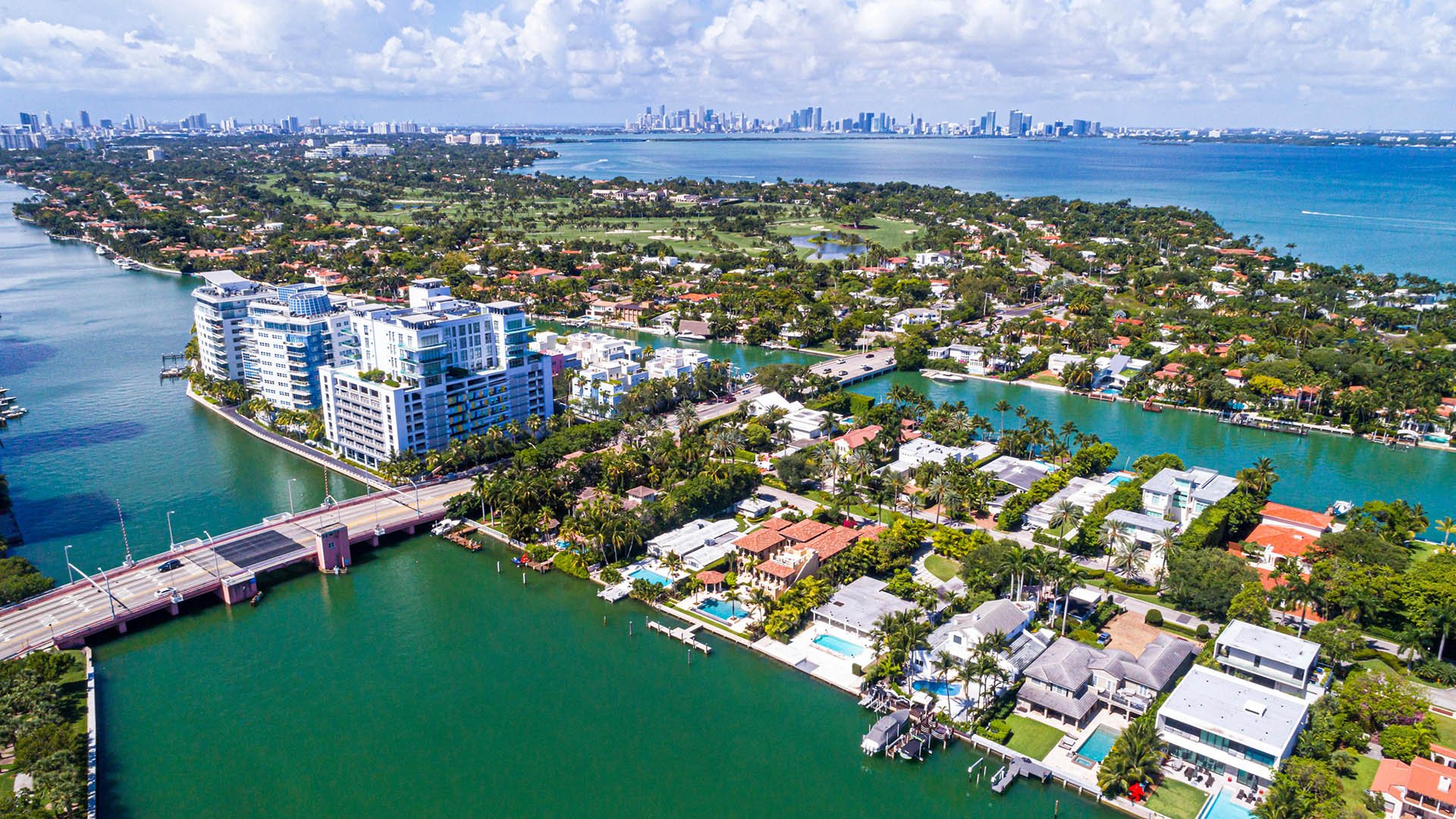
For a Manhattan buyer, choosing a preconstruction condo in South Florida is less about chasing a skyline than deciding how life should feel when the elevator opens. In New York, the premium is often vertical convenience: the right block, the right private club, the right school corridor, the right proximity to an office or townhouse. In Surfside, Brickell, Miami Beach, and the surrounding coastal enclaves, the calculus broadens. Light, water, privacy, arrival sequence, terrace usability, service culture, and the rhythm of the neighborhood become equally important.
That shift makes the decision both seductive and complex. A buyer may begin with a simple brief: oceanfront, new, lock-and-leave, architecturally significant. Yet the right answer can vary dramatically. Surfside may suit the buyer who wants discretion and beachside quiet. Brickell may appeal to someone who still wants financial-district energy and walkable dining. Miami Beach may offer a more cultural, resort-like cadence. Waterfront living can feel expansive or intimate depending on the site, the exposure, and the way the residence meets the view.
For MILLION readers, the goal is not to buy the loudest building in the market. It is to identify the residence whose design, service, location, and future liquidity align with a long-term personal strategy.
Preconstruction buying requires a different temperament than purchasing a finished resale. You are not simply inspecting a completed home. You are evaluating a promise, a design team, a contract, a sponsor, a construction timeline, and a future building culture that has not yet fully formed. That does not make the opportunity less compelling. It means the buyer must be more exacting.
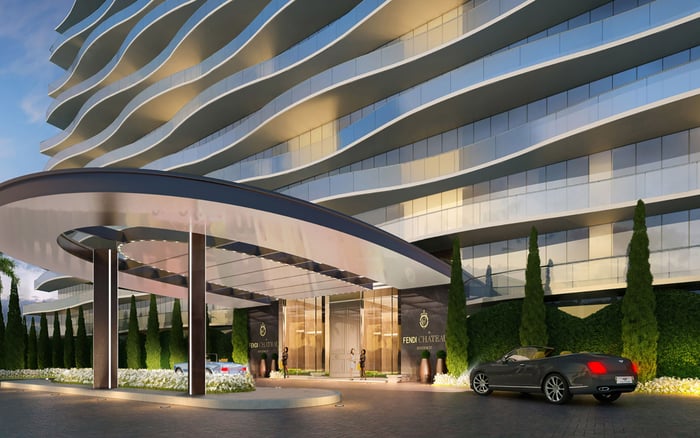
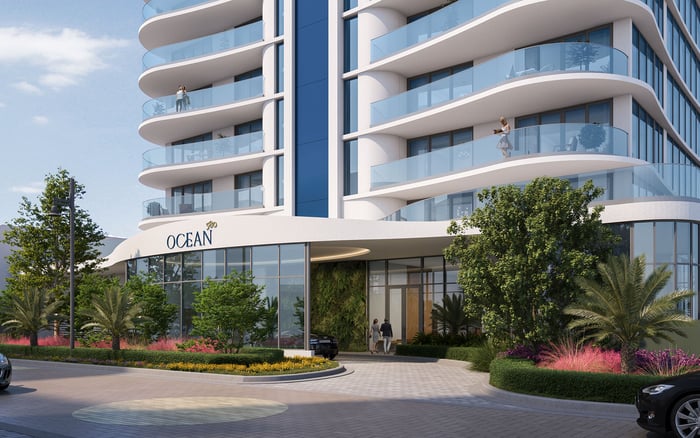
The first discipline is to separate marketing from architecture. Renderings can be beautiful, but the serious questions sit behind them. How does the floor plan live at breakfast, at sunset, during a storm, with guests, with children, with staff, or after a long flight from New York? Is the primary suite genuinely private? Does the kitchen support real use or merely photograph well? Is the terrace deep enough to furnish with intention? Are service entries, elevators, parking, storage, and package handling aligned with how an ultra-premium household actually functions?
The second discipline is contractual. Before falling in love with a line, buyers should understand the deposit schedule, cancellation provisions, permitted changes, estimated completion framework, association structure, and the process for selecting finishes. Counsel experienced in Florida condominium contracts is not a luxury. It is a necessary filter.
The third discipline is patience. Preconstruction is rarely about instant gratification. The reward is the ability to secure a specific exposure, floor height, floor plan, and design language before the building enters the completed market.
A Manhattan buyer may instinctively compare neighborhoods by prestige, but in South Florida the more useful comparison is daily rhythm. Surfside offers a lower-volume coastal feeling, with proximity to Bal Harbour and Miami Beach without the same intensity as denser districts. A project such as The Delmore Surfside speaks to buyers considering Surfside for privacy, coastal calm, and a more residential pace.
Brickell, by contrast, is the natural landing point for those who still want urban compression. It suits buyers who prefer dining, offices, hotels, and bayfront energy close at hand. For someone moving from Tribeca, the West Village, or the Upper East Side but not ready to relinquish the city entirely, St. Regis® Residences Brickell presents a different lifestyle thesis than a beach address. It is not a substitute for Surfside. It is a separate proposition.
Miami Beach sits between those poles. It can be glamorous, relaxed, social, architectural, and residential depending on the exact location. A buyer studying The Perigon Miami Beach is likely thinking about ocean proximity, design pedigree, and a more resort-influenced pattern of living. The key is not to ask which neighborhood is best. The sharper question is which neighborhood best supports the way you intend to use the home.
Amenities matter, particularly in buildings competing for a global luxury buyer. Yet the most enduring amenity is the residence itself. A preconstruction buyer should treat the floor plan as the core investment document. If the plan is compromised, no lobby, spa, or dining room can fully compensate.
Start with the entry sequence. Does the residence offer a sense of arrival, or does it open abruptly into the living space? Then study the relationship between the main rooms and the view. In a South Florida condo, the terrace is not decorative. It is part of the living environment. Depth, privacy, wind exposure, and access from multiple rooms can change how often it is used.
Bedroom separation is another quiet marker of quality. Guests should feel accommodated without interrupting the owner’s routine. Staff, storage, laundry, mechanical areas, and secondary access should be considered early rather than solved later. For buyers accustomed to Manhattan co-ops or full-service condominiums, this practical scrutiny will feel familiar. The difference is that South Florida adds a climate layer: sunlight, humidity, shade, glazing, and outdoor circulation become part of the design conversation.
Waterfront and oceanfront are not interchangeable. Oceanfront living offers the immediacy of sand, horizon, and surf. Waterfront living along a bay, canal, or intracoastal setting can offer calmer visual movement, boating context, sunset exposures, or a more protected residential feeling. Neither is universally superior.
In Surfside, an ocean-oriented residence may be the emotional answer for a buyer who wants the beach to define the day. In Brickell, bay views may pair better with city access and a more vertical urban lifestyle. In Miami Beach, the choice may depend on whether the buyer values direct sand, architectural context, or proximity to dining and cultural life.
The serious buyer should visit the site at different times of day. Morning light can flatter one exposure while afternoon glare can challenge another. A high floor may offer spectacle, while a lower floor may feel more connected to landscaping, pool decks, or the shoreline. Privacy, sound, breeze, and neighboring structures should be studied with the same care as finishes.
Branded residences can be powerful when the brand translates into service discipline rather than mere signage. Manhattan buyers are often fluent in the difference. A name alone is not enough. The question is whether the building’s staffing model, amenity programming, maintenance standards, and hospitality philosophy support the premium.
In South Florida, branded and design-led projects frequently attract buyers who want a lock-and-leave residence with hotel-level ease. This can be especially relevant for second-home owners who may arrive for a long weekend, entertain heavily for a week, then leave the residence dormant for a month. The building must perform while the owner is absent.
A project such as 888 Brickell by Dolce & Gabbana invites buyers to consider how brand identity, interior atmosphere, and downtown living intersect. The prudent buyer will still ask practical questions: how will the service be funded, how will common spaces be governed, and how will the building mature once the first owners move in?
Even the most emotionally driven purchase should have an exit thesis. That does not mean the buyer plans to sell. It means the buyer understands why the residence should remain desirable beyond the first wave of enthusiasm.
Scarcity is one factor. A distinctive location, limited competition, strong views, and well-composed floor plans can support long-term appeal. Building scale matters as well. Some buyers prefer boutique privacy, while others value larger amenity ecosystems. Neither approach is automatically more liquid. The right answer depends on the buyer pool most likely to want that asset later.
Consider also the future resale narrative. Is the residence easy to explain in one sentence? Is it the best line in a respected building, a rare terrace plan, a discreet Surfside address, a service-rich Brickell home, or a Miami Beach residence with an especially coherent design identity? The strongest properties tend to have a clear reason to exist.
Before signing, a Manhattan buyer should have clear answers to a compact set of questions. What role will the home play: primary residence, seasonal base, family gathering place, or investment-minded second home? Which area fits that role: Surfside, Brickell, Miami Beach, or another enclave? Which floor plan supports the household without forcing compromise? Which view is worth paying for, and which is merely photogenic?
The buyer should also understand the building’s rules, rental posture, pet policies, parking, storage, guest access, service procedures, and association obligations. These details shape quality of life after closing. In the ultra-premium market, inconvenience is rarely dramatic. It is cumulative. The wrong elevator sequence, insufficient storage, or poorly considered guest flow can slowly erode the pleasure of ownership.
This is where buyer’s guides can be useful, but only as a starting point. The final decision should be personal, legal, financial, and architectural at once. The best preconstruction condo is not simply the one with the most persuasive presentation. It is the one that still feels inevitable after due diligence is complete.
Is Surfside better than Brickell for a Manhattan buyer? Surfside is generally the quieter coastal choice, while Brickell is more urban. The better fit depends on whether you want beachside privacy or city energy.
Should I buy preconstruction or wait for resale? Preconstruction can offer early selection of floor plans and exposures. Resale offers the advantage of seeing the finished building and its operating culture.
What is the most important due diligence item? The contract is essential, but the floor plan deserves equal attention. A beautiful building cannot correct a residence that does not live well.
How should I compare oceanfront and bayfront condos? Compare light, privacy, sound, wind, and daily use rather than only the view. The most dramatic view is not always the most livable.
Are branded residences worth the premium? They can be, if the brand is reflected in service, operations, and long-term standards. Buyers should look beyond the name to the actual ownership experience.
How early should I involve an attorney? Early enough to review the contract before the decision becomes emotional. Florida condominium documents deserve careful, specialized review.
What should second-home buyers prioritize? Prioritize lock-and-leave service, security, maintenance procedures, and ease of arrival. The residence should function smoothly when you are not there.
Does a higher floor always mean better value? Not always. Higher floors may offer broader views, while lower floors can feel more connected to landscaping, amenities, or the water.
How many projects should I compare before choosing? Compare enough to understand neighborhood, floor plan, and service differences. Too many comparisons can obscure a clear lifestyle brief.
What makes a preconstruction condo easier to resell later? Clear scarcity, strong views, a rational floor plan, and a desirable address all help. The home should have a simple, compelling resale story.
When you're ready to tour or underwrite the options, connect with MILLION.
If branded residences are on your mind — as a home or as an allocation — we would be glad to share what we are seeing, privately.
Begin a quiet conversation