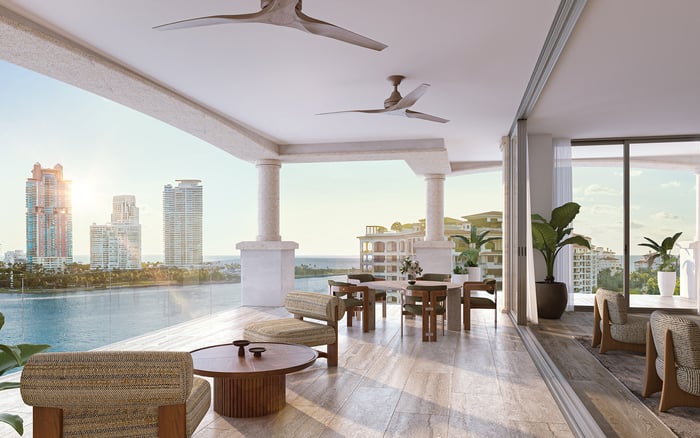
A practical buyer lens on how Oceana Key Biscayne, Shoma Bay North Bay Village, and Vita at Grove Isle can frame a more disciplined South Florida waterfront condo search.
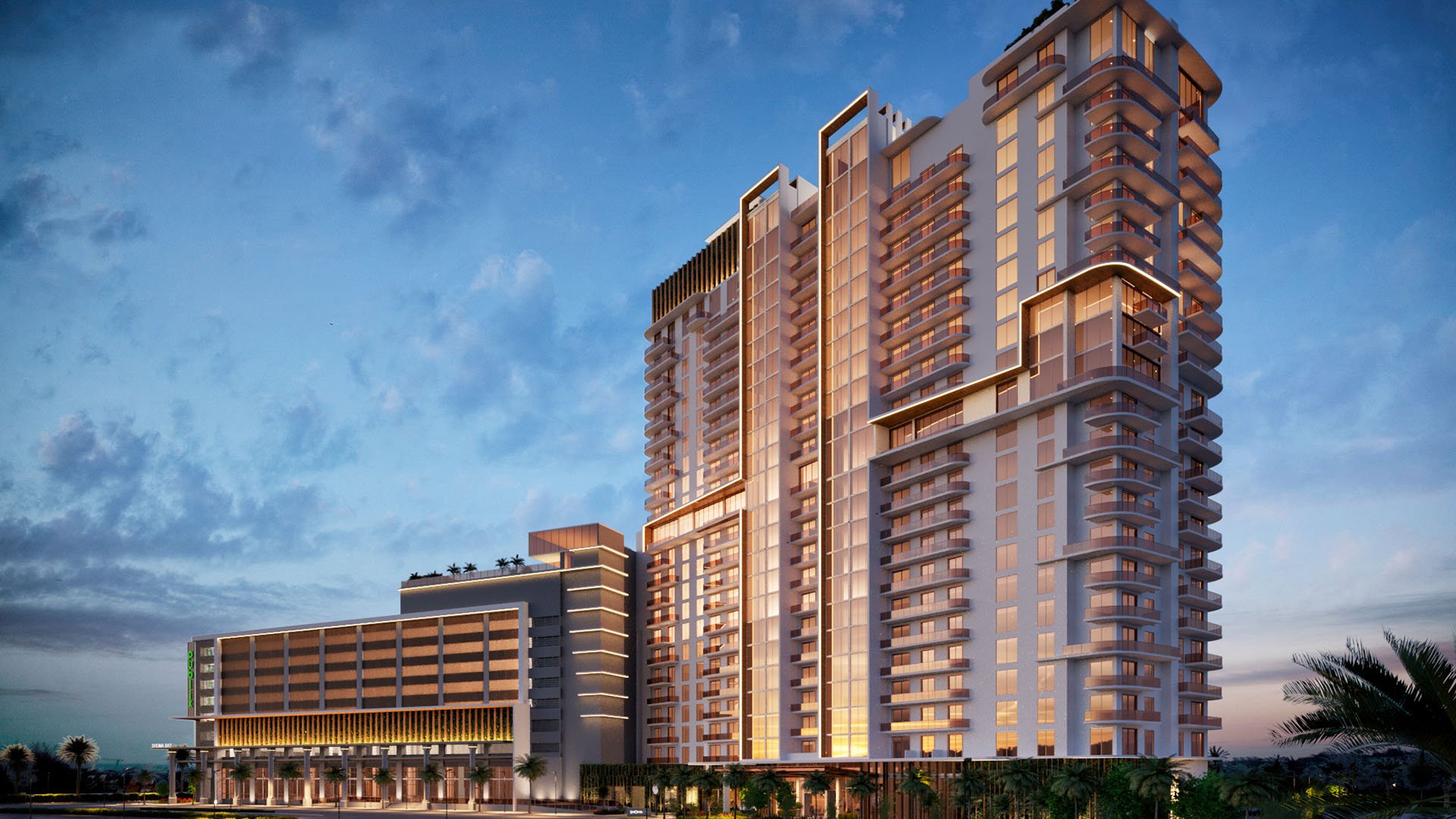
For high-net-worth buyers, a South Florida condo search is rarely just a building search. It is a study of exposure, access, neighborhood maturity, timing, privacy, and the daily rhythm a residence will shape. That is why Oceana Key Biscayne, Shoma Bay North Bay Village, and Vita at Grove Isle can belong on the same broader short list, even when their buyer propositions are not identical.
The value of comparing them is not that they answer the same question. It is that they clarify different versions of waterfront living. Oceana Key Biscayne gives buyers an established ultra-luxury oceanfront benchmark in a mature island enclave. Shoma Bay North Bay Village introduces an emergent mixed-use bayfront alternative with a more connected urban posture. Vita at Grove Isle, by contrast, helps buyers consider how a Grove Isle address fits into the same wider conversation, particularly when the goal is to compare island settings without reducing the search to a single neighborhood.
A disciplined short list should make tradeoffs visible. Oceanfront exposure is not the same as bayfront living. A completed, proven luxury product is not the same as a newer preconstruction opportunity. A secluded resort environment is not the same as amenity-rich vertical living with broader city connectivity. These distinctions matter before a buyer compares finishes, views, or floor plans.
Oceana Key Biscayne is useful because it anchors one end of the decision spectrum: established ultra-luxury oceanfront living in Key Biscayne. For buyers who prioritize direct oceanfront positioning over a bayfront or mixed-use island setting, it provides a clear reference point.
The Key Biscayne model is highly specific. It emphasizes seclusion, controlled access, a resort-style waterfront environment, and a sense of removal from the denser mainland and beach corridors. For some buyers, that privacy is the point. It supports a lifestyle shaped by the ocean, a quieter island rhythm, and a residential setting that feels complete rather than speculative.
That completed nature is central to the comparison. Oceana Key Biscayne helps buyers evaluate the appeal of a proven luxury product against newer offerings elsewhere in the market. A buyer can study what is already built, what the lifestyle already feels like, and how an established building contributes to confidence. In a market where many compelling options are still evolving, that clarity can be meaningful.
The tradeoff is equally clear. Buyers who want more urban energy, more emerging-neighborhood upside, or the distinct programming of a newer mixed-use project may look beyond Key Biscayne. But as a benchmark for oceanfront privacy and established island luxury, Oceana Key Biscayne remains a logical anchor.
Shoma Bay North Bay Village provides a different lens. Rather than functioning as a mature oceanfront enclave, it can be studied as an emergent mixed-use bayfront alternative. That makes it especially useful for buyers comparing Key Biscayne’s privacy-first posture with a more connected, amenity-rich vertical lifestyle.
North Bay Village has a distinct role in this discussion. It is island-oriented, but its energy is different from Key Biscayne. Shoma Bay gives buyers a reference point that separates bayfront mixed-use positioning from established oceanfront luxury. It is not merely a substitute. It is a different expression of waterfront living, with urban connectivity playing a more prominent role.
For buyers weighing timing, Shoma Bay also helps clarify the preconstruction side of the South Florida island-front condo market. That matters because preconstruction often asks buyers to underwrite a future lifestyle, a future building environment, and a future neighborhood trajectory. The appeal can be substantial, but it is a different decision from purchasing into a completed, proven environment.
This is where the Oceana versus Shoma Bay comparison becomes useful. One side highlights neighborhood maturity, oceanfront exposure, and a private resort atmosphere. The other highlights bayfront mixed-use potential, vertical amenities, and emerging-development upside. Neither profile is universally superior. The right answer depends on whether the buyer is seeking certainty, transformation, privacy, connectivity, or a carefully weighted combination.
Vita at Grove Isle belongs in the conversation because many sophisticated buyers do not limit themselves to a two-building comparison. They triangulate. A Grove Isle reference can help a buyer think more clearly about how another island-oriented address might sit between, beside, or apart from Key Biscayne and North Bay Village.
The key is to use Vita at Grove Isle as a comparative marker rather than a shortcut. Buyers should evaluate its project-specific details directly, including the precise residential experience, timing, views, amenity approach, and ownership considerations. Within a short list, its function is to broaden the frame: Key Biscayne for an established oceanfront enclave, North Bay Village for an emerging bayfront mixed-use model, and Grove Isle for an additional island coordinate in the Miami waterfront conversation.
That broader view can prevent false choices. A buyer may begin with Oceana Key Biscayne because the desire is privacy. The same buyer may study Shoma Bay North Bay Village because connectivity and newer product are still attractive. Vita at Grove Isle can then help test whether the desired lifestyle is truly oceanfront, broadly island-front, bayfront, or simply defined by a more private waterfront setting.
The first tradeoff is exposure. Oceanfront living carries a different emotional and visual identity than bayfront living. Oceana Key Biscayne is useful for buyers who want to understand the premium placed on oceanfront exposure within an established island enclave. Shoma Bay, by contrast, is useful for examining how bayfront living can align with a more mixed-use, connected environment.
The second tradeoff is maturity versus upside. Established addresses can offer confidence and a clearer sense of daily life. Emerging locations can offer the appeal of growth, new programming, and the possibility that the surrounding environment continues to evolve. Buyers should be honest about whether they prefer proven context or are comfortable underwriting change.
The third tradeoff is privacy versus connectivity. Oceana Key Biscayne can anchor the privacy and resort-environment side of the short list. Shoma Bay can anchor the connectivity and vertical-amenity side. Vita at Grove Isle can add another point of reflection for buyers who want an island setting but are still defining what kind of seclusion, access, and waterfront experience they actually want.
The fourth tradeoff is timing. A completed building and a preconstruction opportunity are different financial and lifestyle decisions. Some buyers prize immediate clarity. Others are comfortable studying future delivery, evolving amenities, and the longer arc of neighborhood positioning. In South Florida, that timing question is often as important as the view.
A strong short list should not be too broad, but it should be broad enough to expose the buyer’s true priorities. One practical approach is to assign each project a role. Oceana Key Biscayne is the control point for established oceanfront island living. Shoma Bay North Bay Village is the test case for bayfront mixed-use living and emerging-neighborhood upside. Vita at Grove Isle is the additional Grove Isle comparison that helps refine whether the buyer’s ideal address is defined by privacy, water, access, or product timing.
From there, the buyer can apply consistent questions. Does the residence need to be oceanfront, or is bayfront equally compelling? Is a completed luxury environment more important than the potential of a newer development? Is the desired lifestyle quiet and resort-like, or more connected and vertical? Does the buyer want Key Biscayne, North Bay Village, Grove Isle, or simply the best expression of South Florida waterfront living within a specific personal brief?
The best purchase decisions usually come from this kind of clarity. A buyer is not just choosing between three names. The buyer is choosing between different definitions of permanence, privacy, access, and future value.
Why would a buyer compare these three projects? They help frame different versions of South Florida waterfront living, from established oceanfront privacy to emerging bayfront connectivity.
What role does Oceana Key Biscayne play in the short list? Oceana Key Biscayne can serve as the established ultra-luxury oceanfront benchmark for buyers focused on privacy and resort-style island living.
What makes Shoma Bay North Bay Village different? Shoma Bay North Bay Village represents a more emergent mixed-use bayfront alternative with an emphasis on connectivity and vertical amenities.
How should buyers think about Vita at Grove Isle? Vita at Grove Isle can be used as a Grove Isle comparison point, helping buyers refine what kind of island-oriented waterfront setting they prefer.
Is oceanfront always better than bayfront? Not necessarily. Oceanfront exposure and bayfront living offer different experiences, and the better choice depends on privacy, views, access, and lifestyle goals.
Why does completion status matter? A completed building offers a clearer picture of the existing lifestyle, while preconstruction requires a buyer to evaluate a future residential environment.
Is Key Biscayne mainly a privacy decision? Privacy is a major part of the Key Biscayne appeal, along with controlled access, an island-enclave feel, and resort-style waterfront living.
Why is North Bay Village relevant to luxury buyers? North Bay Village gives buyers a bayfront, more connected reference point that differs from the more established oceanfront profile of Key Biscayne.
Should buyers compare neighborhoods before floor plans? Yes. Neighborhood maturity, access, waterfront orientation, and lifestyle rhythm often determine whether a residence will fit long term.
What is the main takeaway for buyers? Use each project to test a different priority: Oceana for established oceanfront privacy, Shoma Bay for connected bayfront upside, and Vita for a Grove Isle reference.
For a confidential assessment and a building-by-building shortlist, connect with MILLION.
If branded residences are on your mind — as a home or as an allocation — we would be glad to share what we are seeing, privately.
Begin a quiet conversation