A discreet buyer’s guide to approaching Florida homestead exemption strategy when relocating from Monaco or other international bases to Surfside and greater South Florida.
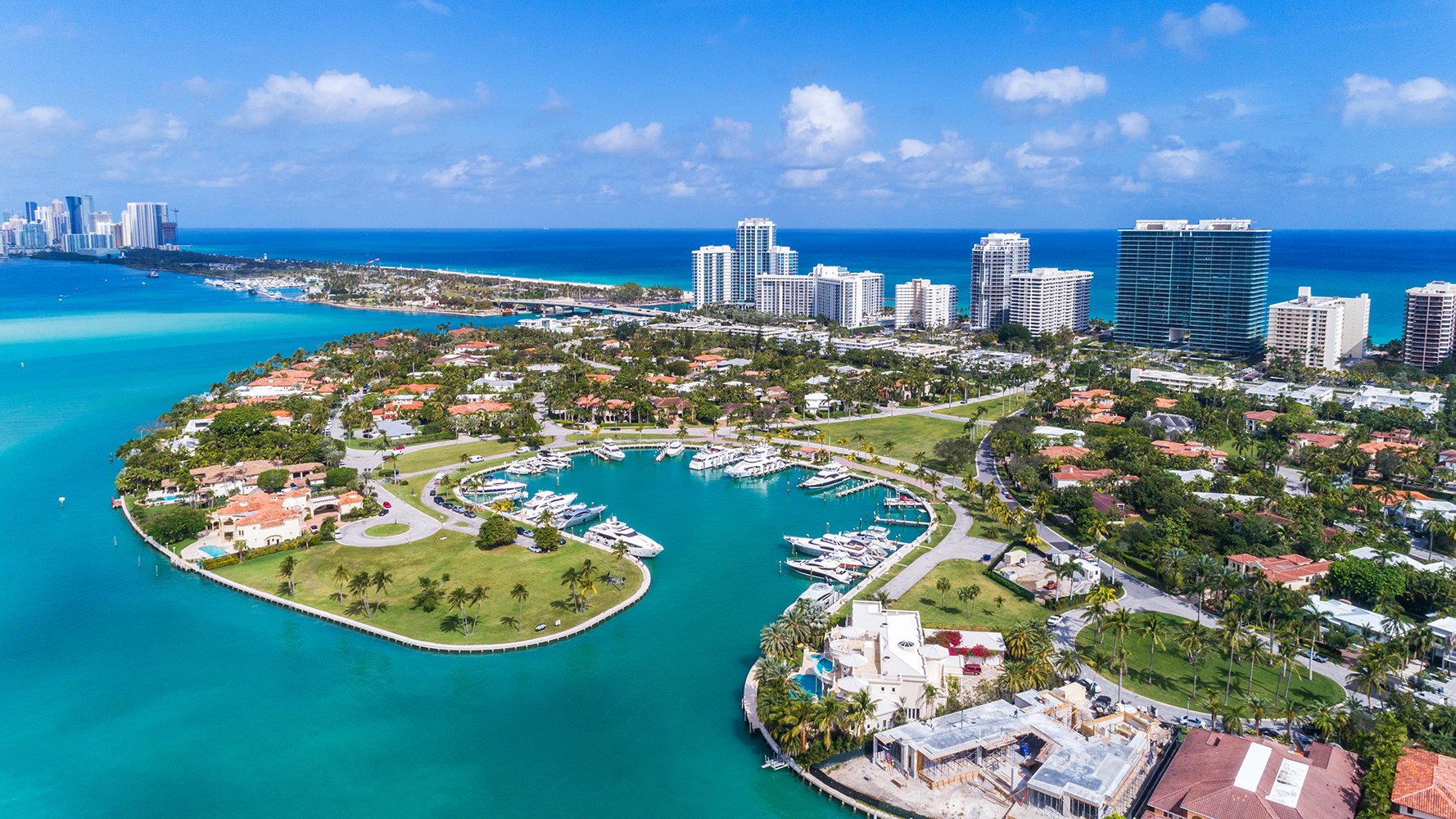
For a Monaco-based buyer considering Surfside, the conversation often begins with architecture, security, service, and proximity to the water. The more sophisticated discussion begins earlier: how the residence will be owned, occupied, financed, and positioned within a larger residency plan. Homestead exemption strategy is not an administrative afterthought. It is part of the acquisition architecture.
In South Florida’s prime coastal market, the same buyer may be weighing an oceanfront Surfside condominium, a Bal Harbour residence, a Miami Beach pied-à-terre, and a Brickell base for business travel. Each option can carry a distinct practical profile. The question is not only which home feels right, but which home is intended to become the buyer’s genuine Florida residence.
This is where lifestyle and documentation need to align. A buyer who plans to spend meaningful time in Florida should evaluate homestead issues before signing a contract, not after the closing dinner. Counsel, tax advisers, estate planners, lenders, and the real estate adviser should understand the intended use of the property from the outset.
Monaco buyers are accustomed to discretion, international structuring, and high-touch residential service. Surfside offers a different, quieter vocabulary of luxury: low-rise oceanfront living, privacy, proximity to Bal Harbour, and a more residential atmosphere than the busier parts of Miami Beach. That intimacy is part of the appeal, especially for buyers evaluating buildings such as The Delmore Surfside or the established resort-residential setting of The Surf Club Four Seasons Surfside.
The strategic issue is that a home used as a seasonal retreat is not the same as a home intended as a principal residence. A second-home purchase may be entirely appropriate, but it should not be confused with a primary-residence strategy. Buyers who move between Monaco, London, New York, São Paulo, and Miami need a clear paper trail that supports their intended position.
In practice, the lifestyle plan should be real, coherent, and repeatable. Where will the buyer actually live? Where will family members spend the school year or season? Where will vehicles, domestic staff, banking relationships, memberships, medical providers, and day-to-day routines be centered? These details may feel mundane, but they are often the backbone of a defensible strategy.
Ultra-high-net-worth buyers often prefer entities, trusts, or layered ownership for privacy, liability, succession, or family governance reasons. Those tools can be useful, but they must be reviewed carefully when homestead treatment is a goal. The most private structure is not always the structure best aligned with a primary-residence claim.
This is why Surfside and Bal Harbour buyers should involve counsel before deciding whether to purchase personally, through a trust, through an entity, or through another arrangement. The best structure is rarely chosen in isolation. It should reflect the buyer’s residency objectives, financing needs, estate plan, family circumstances, and future sale or transfer strategy.
For example, a buyer comparing Fendi Château Residences Surfside with a larger residence in Bal Harbour may focus on service, frontage, and privacy. The adviser team should be asking a second set of questions: who will own the home, who will occupy it, how the property will be described in personal records, and whether that ownership approach supports the broader plan.
Homestead planning is easiest when it is integrated into the acquisition timeline. Waiting until after closing can create unnecessary friction. By then, title may already be set, financing documents may be complete, insurance may be bound, and the buyer’s personal records may point in several directions.
A prudent timeline begins during property selection. If Surfside is the intended primary residence, the contract, closing plan, title instructions, and post-closing checklist should all be reviewed through that lens. If Brickell is being considered as a business-oriented residence, as with The Residences at 1428 Brickell, the buyer should distinguish between convenience and domicile intent. A residence can be elegant, central, and highly used without necessarily being the strategic home for homestead purposes.
Buyers should also avoid treating homestead strategy as a single form. The form is only one step in a larger factual narrative. The more valuable the property, the more carefully that narrative should be assembled.
The most credible homestead strategy is not manufactured. It reflects the life being lived. For a buyer relocating from Monaco to Surfside, documentation may involve personal identification, mailing addresses, voter or civic records where applicable, professional relationships, family logistics, and other indicators of where the buyer’s everyday life is centered.
The goal is consistency. A buyer who claims Florida as home while leaving every meaningful personal marker elsewhere may create avoidable tension. Conversely, a buyer who actually builds a Florida life, lives in the residence, and aligns records accordingly is in a stronger position to discuss the appropriate filing approach with advisers.
This matters especially in buyer’s guides for the luxury market because the financial stakes are not just annual. The decision can influence long-term carrying-cost expectations, family planning, and exit strategy. For international households, it can also intersect with immigration, tax residency, succession, and asset protection considerations. None of these should be solved by the real estate contract alone.
Surfside attracts buyers who want oceanfront calm without sacrificing proximity to dining, shopping, schools, and private aviation routes. Bal Harbour adds a globally recognized luxury retail and residential identity. Miami Beach offers a broader range of historic, resort, and new-development contexts. Brickell appeals to buyers who want vertical urban living near finance, dining, and offices.
A buyer touring Rivage Bal Harbour one day and a Surfside oceanfront residence the next may see both as part of the same coastal lifestyle. Homestead analysis may see them differently if one is intended as the primary home and the other as an occasional retreat. The distinction should be made deliberately.
The same applies when a family keeps residences across multiple jurisdictions. A Monaco apartment, a New York cooperative, a European country house, and a Surfside condominium can coexist beautifully. The issue is whether the buyer’s Florida residence is truly the center of domestic life, or simply one of several exceptional addresses.
Before contract signing, buyers should ask counsel whether the proposed ownership structure supports the intended homestead position. Before closing, they should confirm whether title, financing, insurance, and estate planning are aligned. After closing, they should update personal records only in ways that reflect reality and legal advice.
They should also be candid with the real estate adviser. If the residence is intended for occasional winter use, say so. If the family plans to relocate and make Surfside the core home, say that as well. A strong adviser can coordinate the property search around service expectations, building rules, privacy needs, and the practical demands of residency planning.
The most elegant strategy is usually the simplest one: buy the right residence, own it in the right way, live in it as intended, and keep records that match the truth. In a market where homes can be both emotional assets and complex financial instruments, clarity is its own form of luxury.
Is homestead exemption strategy relevant before I buy in Surfside? Yes. The intended use of the property, title structure, and post-closing documentation should be discussed before the contract is finalized.
Can a Monaco buyer claim homestead treatment on a Florida residence? It depends on the buyer’s residency position, ownership structure, and actual use of the home. Florida counsel should review the facts before any filing.
Is a vacation residence treated the same as a primary residence? No. A seasonal or second-home lifestyle should be evaluated differently from a genuine primary-residence strategy.
Should I buy personally or through a trust or entity? That choice should be made with counsel. Privacy, estate planning, financing, and homestead objectives may point in different directions.
Does buying in Surfside differ from buying in Bal Harbour or Miami Beach?
The lifestyle and building choices differ, but the key strategic question remains the same: which residence is truly intended as home?
Can I decide on homestead planning after closing? You can review it after closing, but earlier planning is cleaner. Title, lending, insurance, and records may already be fixed by then.
What documents matter for a homestead strategy? Advisers may review identification, mailing records, family logistics, financial relationships, and other indicators of where daily life is centered.
Does a Brickell residence work for homestead planning? It may, if it is truly the primary residence. Convenience for work or travel is not the same as a fully aligned residency position.
Should my broker advise me on legal eligibility? No. A broker can coordinate the process and flag issues, but legal eligibility should be reviewed by qualified Florida counsel.
When you're ready to tour or underwrite the options, connect with MILLION.
If branded residences are on your mind — as a home or as an allocation — we would be glad to share what we are seeing, privately.
Begin a quiet conversation