A practical buyer framework for comparing Maison D’Or South Flagler and Colette Residences Brickell through smart-home readiness, data privacy, and service responsiveness rather than unverified technology claims.
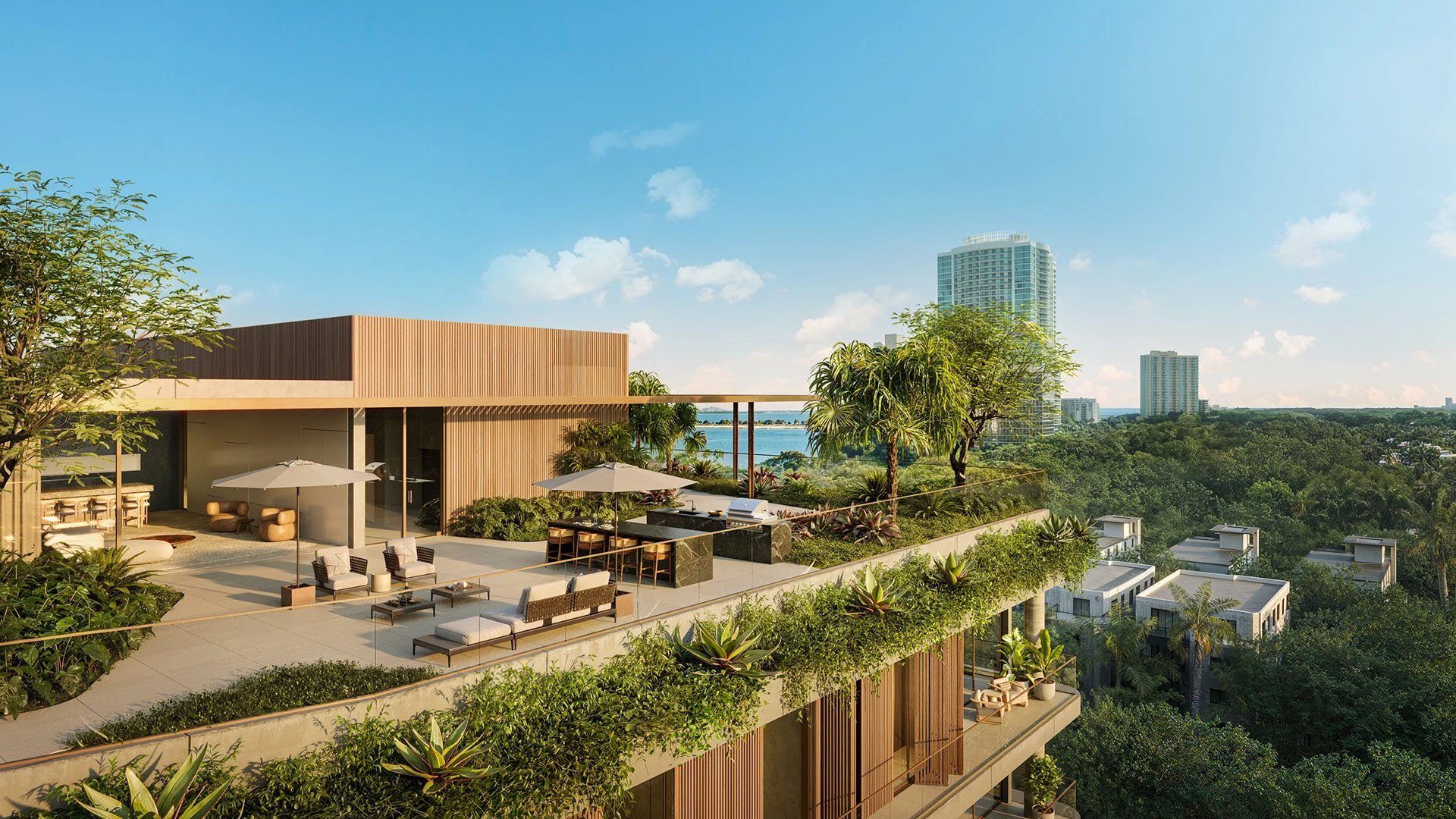
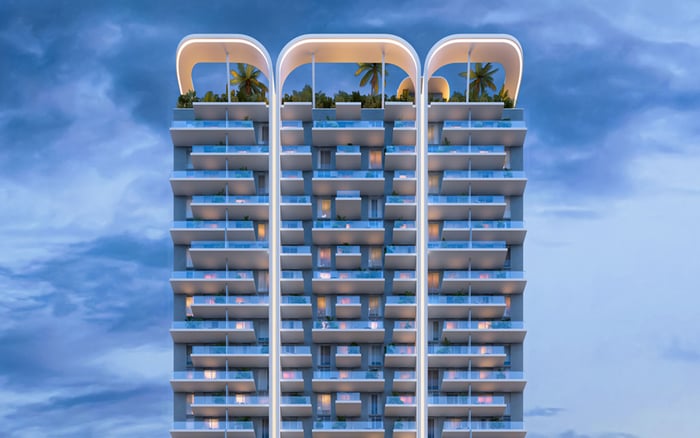
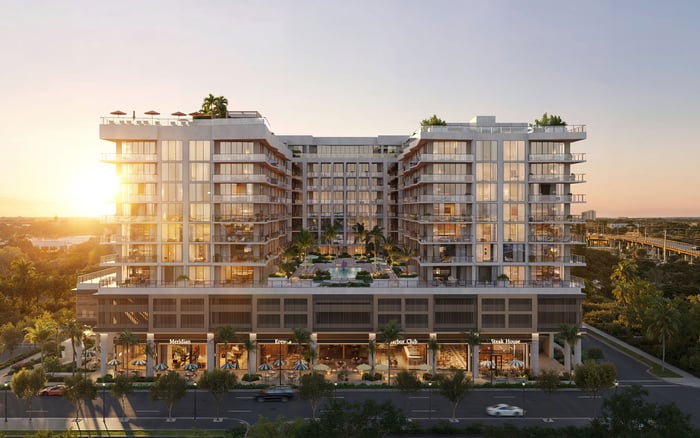
Maison D’Or South Flagler and Colette Residences Brickell present two distinct readings of South Florida luxury. Maison D’Or belongs to the West Palm Beach and South Flagler conversation, where buyers often weigh waterfront calm, privacy, and a more composed daily rhythm. Colette Residences Brickell sits within a denser urban frame, where proximity, amenities, and a more active building environment are central to the appeal.
Yet the practical question for a high-net-worth buyer is not simply which address feels more elegant. It is how each residence will operate after closing. Smart-home readiness, data privacy, and service responsiveness now shape comfort as much as views, ceiling heights, and finish packages. In taxonomy terms, this is a West-palm-beach, Brickell, New-construction, Pre-construction, Waterview, and Boutique buyer discussion. At the deeper level, it is a question of control.
The essential caution is straightforward: neither side of this comparison should be treated as having a specific automation platform, biometric access system, cybersecurity standard, or formal service-level promise unless those items are confirmed in current developer or condominium documents. Marketing language can be useful, but binding documents are where expectations become enforceable.
“Smart-home ready” can mean very different things. In one building, it may refer to low-voltage prewiring and network pathways. In another, it may mean included integrated controls for lighting, climate, shades, audio, access, or a resident app. In a third, it may simply mean the residence can accommodate third-party upgrades after closing.
For Maison D’Or South Flagler, diligence should begin with definition. Buyers should ask whether readiness means prewiring only, included integrated controls, or compatibility with specific third-party automation platforms. The answer matters because a waterfront, privacy-oriented residence may attract buyers who want highly customized systems, private networks, and long-term upgrade flexibility rather than a one-size building package.
The document request should be precise: low-voltage wiring diagrams, network closet provisions, Wi-Fi design assumptions, device interoperability, and responsibility for future technology upgrades. If the buyer intends to install specialized lighting scenes, audio distribution, motorized shades, security integration, or enterprise-grade networking, feasibility should be tested before contract deadlines, not after drywall and delivery.
For Colette Residences Brickell, the question shifts slightly. In an urban, amenity-intensive environment, technology may touch both the private residence and the shared building experience. Buyers should verify whether features are delivered in-unit, through a building-wide platform, or as optional post-closing upgrades. They should also ask about building app functionality, in-unit controls, access systems, vendor lock-in, and upgrade paths.
The most sophisticated buyers will not ask, “Is it smart?” They will ask, “What is included, what is optional, what is replaceable, and what remains under association or vendor control?”
Privacy used to be discussed primarily through sightlines, elevator access, staff circulation, and visitor control. Those factors still matter. But in a digitally managed building, privacy also includes the data created by access systems, cameras, resident apps, guest management tools, package protocols, service requests, and amenity reservations.
For Maison D’Or, privacy diligence should focus on who controls any data generated by access systems, cameras, building apps, guest management, and service requests if those systems are used. A buyer drawn to the South Flagler side of the market may value a quieter living pattern and lower social exposure. That preference should extend to digital operations. Who sees guest logs? How long are records retained? Can owners limit app permissions? Are vendors able to access residence-level data?
For Colette Residences Brickell, the privacy inquiry is equally important, though the use case may be broader. Amenity-rich urban buildings can create more resident touchpoints: concierge requests, valet activity, package handling, amenity bookings, elevator permissions, digital keys, and third-party services. Buyers should ask about app permissions, resident data retention, third-party vendor access, cybersecurity practices, and opt-out rights if digital amenities are offered.
The point is not to be suspicious of technology. Well-executed digital infrastructure can make a residence more graceful to live in. The point is to understand the governance behind convenience. A luxury owner should know whether a system enhances privacy or quietly multiplies data exposure.
The best amenity is often not photographed. It is the speed and competence with which a building solves problems. When the elevator call system, air conditioning interface, access credential, shade control, package notification, or work-order portal fails, the difference between a polished residence and a frustrating one becomes visible.
For Maison D’Or, service responsiveness should be evaluated through staffing hours, engineering coverage, maintenance-ticket procedures, escalation rules, and association documentation. Buyers should ask who handles technology-adjacent issues inside the residence, who handles building systems, and when responsibility shifts to an outside vendor or owner-selected installer. A residence that feels private and serene still needs clear operating channels when something goes wrong.
For Colette Residences Brickell, buyers should examine concierge scope, amenity staffing, package and valet protocols, elevator support, work-order handling, and after-hours coverage. In a busier urban setting, the volume of resident interactions can be higher, making procedures especially important. The question is not merely whether service exists. It is whether service is structured, documented, and capable of escalation when timing matters.
Buyers should request sample work-order procedures, after-hours contact protocols, and any available owner guidance on technology support. If a building relies heavily on a resident app, ask what happens when the app is down, when a phone is lost, or when a guest needs access outside normal hours.
Maison D’Or South Flagler may appeal to the buyer who prizes waterfront composure, privacy, and a residence that can be studied carefully as a long-term personal environment. For that buyer, the key diligence question is how much technology can be controlled, customized, and upgraded without compromising discretion.
Colette Residences Brickell may appeal to the buyer who wants a more connected urban lifestyle, with amenities and services playing a more visible role in daily living. For that buyer, the key diligence question is how well digital convenience, resident data, and service operations are managed at scale.
Neither approach is inherently better. The right answer depends on how the buyer lives. A seasonal owner may prioritize remote access, dependable guest protocols, and maintenance visibility. A primary resident may focus more on daily service reliability, privacy settings, and system flexibility. An investor-minded buyer may care about how future purchasers will interpret technology that can become dated if it is too proprietary.
The most practical negotiating posture is to reduce ambiguity. Before committing, buyers should obtain written explanations, not verbal assurances, for smart-home scope, app functionality, data policies, upgrade responsibility, and service escalation. In luxury real estate, the most expensive surprises are often operational rather than aesthetic.
Is Maison D’Or South Flagler confirmed to have a specific smart-home platform? No specific platform should be assumed unless it is confirmed in current developer or condominium documents.
Is Colette Residences Brickell confirmed to use a building-wide technology platform? Buyers should verify whether any technology is in-unit, building-wide, optional, or delivered through post-closing upgrades.
What should Maison D’Or buyers ask about smart-home readiness? They should request details on low-voltage wiring, network closets, Wi-Fi assumptions, interoperability, and future upgrade responsibility.
What should Colette buyers ask about digital amenities? They should ask about app functionality, access systems, vendor lock-in, in-unit controls, and long-term upgrade paths.
Why is data privacy important in a luxury condominium? Digital systems can create records tied to guests, access, service requests, amenity use, and daily resident behavior.
What privacy questions matter most for Maison D’Or? Buyers should ask who controls data from access, cameras, guest management, service requests, and any building apps.
What privacy questions matter most for Colette Residences Brickell? Buyers should review app permissions, data retention, third-party vendor access, cybersecurity practices, and opt-out rights.
How should service responsiveness be evaluated at Maison D’Or? Review staffing hours, engineering coverage, maintenance-ticket procedures, escalation rules, and association documentation.
How should service responsiveness be evaluated at Colette? Examine concierge scope, amenity staffing, package and valet protocols, elevator support, work orders, and after-hours coverage.
Which project is better for a privacy-focused buyer? Maison D’Or is framed as the more waterfront and privacy-oriented side, but the final decision should rest on verified documents.
For a discreet conversation and a curated building-by-building shortlist, connect with MILLION.
If branded residences are on your mind — as a home or as an allocation — we would be glad to share what we are seeing, privately.
Begin a quiet conversation