A buyer-focused look at how discreet residential operations shape privacy, service, access, staffing, and long-term livability in South Florida luxury condominiums.

In South Florida’s most considered residential buildings, luxury is increasingly defined by what the owner does not have to see. A calm arrival. Staff who recognize patterns without becoming familiar. An elevator sequence that feels intuitive. A service request handled before it becomes a conversation. These are not decorative details. They are the operating system of privacy.
For buyers comparing Maison D'Or South Flagler, St. Regis® Residences Brickell, and Miami Design Residences Midtown Miami, the question is not simply which residence is most beautiful. It is which environment will best protect time, privacy, movement, and routine with the least friction.
This is where discreet residential operations matter. They sit between architecture and hospitality, between a building’s physical design and the resident’s daily life. For the ultra-premium buyer, especially one moving between homes, traveling often, entertaining selectively, or maintaining a public profile, the operational layer can determine whether a property feels effortless or merely expensive.
Discretion is not silence alone. It is controlled visibility. It is the ability of a building to support residents, guests, household staff, deliveries, vendors, drivers, and security needs without turning daily life into a lobby performance.
A well-operated residence separates public, semi-private, and private moments. It considers who sees a resident arrive, how packages are handled, how maintenance teams access a home, how visitors are announced, and whether service interactions feel polished rather than improvised. The best buildings do this without theatricality. Nothing appears overmanaged, yet very little is left to chance.
For new-construction buyers, this should be evaluated before contract decisions become emotional. Floor plans, views, finishes, and amenities are important. But the operating protocols determine how those features are lived in after closing.
The first operational test is arrival. In Brickell, the rhythm is urban and vertical, with residents often moving through a denser district where timing, traffic, valet coordination, and elevator flow matter. In West Palm Beach, the expectation may lean toward a calmer cadence, where privacy and residential poise are part of the appeal. In Midtown Miami, proximity to design, dining, and cultural energy can make access management especially relevant.
Buyers should ask how arrivals are staged for residents, guests, household employees, private drivers, and vendors. A beautiful porte cochere is only one part of the equation. The deeper issue is choreography. Is there a clear distinction between resident arrival and service access? Are guests handled gracefully? Can a resident enter and exit without unnecessary exposure? Does the building feel calm during peak evening or weekend periods?
These questions are especially important for owners who entertain, travel with security, maintain valuable collections, or expect staff to move in and out of the residence with minimal disruption.
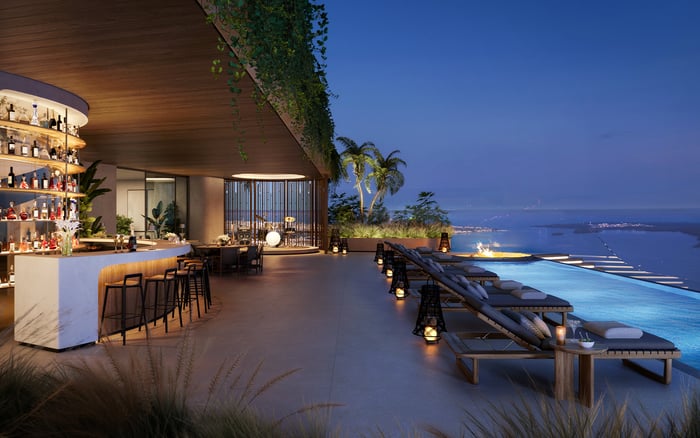
Amenities photograph well. Staffing culture does not, yet it may matter more over time. A pool deck, lounge, wellness suite, or private dining room can impress during a tour. But the resident experience depends on training, continuity, judgment, and tone.
Discreet service avoids both indifference and overfamiliarity. It is attentive without being intrusive. It understands that some owners want recognition and conversation, while others prefer quiet efficiency. Buyers should listen carefully during a sales presentation for how service is described. Vague promises of hospitality are less meaningful than clear explanations of how requests, reservations, maintenance, deliveries, and guest protocols are handled.
In branded residences, the service conversation often becomes central because buyers may associate the name with a particular standard of polish. Still, the practical questions remain the same: who is managing the experience, how are staff trained, what is handled on-site, and where does the owner’s responsibility begin?
Private elevators, controlled access, and thoughtful circulation can support privacy, but architecture alone does not guarantee discretion. Operations must reinforce the plan. If vendors use the wrong path, if visitor protocols are casual, or if staff communication is inconsistent, even an elegantly designed building can feel exposed.
For a buyer, privacy review should include more than security. It should include the social life of the building. How visible are amenity areas? Are reservations managed in a way that prevents crowding? How are events handled? Are short visits, extended guests, and household teams treated with equal clarity? Does the building have a tone that suits full-time residence, second-home use, or a blend of both?
This is one reason buyer’s guides should look beyond finishes. A residence can be materially refined and operationally weak. The reverse is also true: an understated building with exceptional staff discipline can feel more luxurious than a louder property with more spectacle.
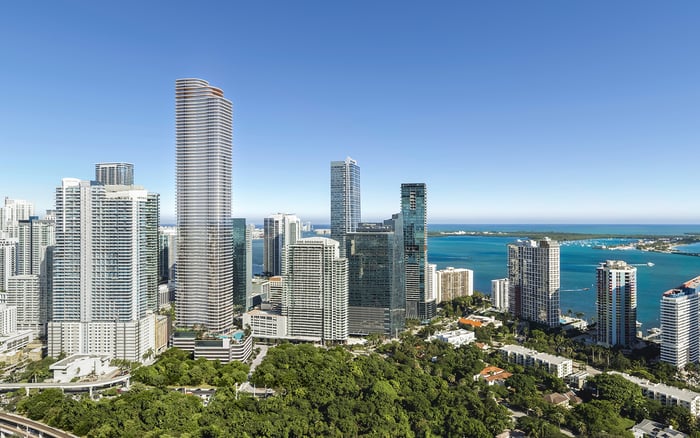
Brickell buyers tend to scrutinize vertical living at a high level. Movement through the building, parking flow, elevator experience, and guest arrival all carry extra weight in a dense urban setting. For St. Regis® Residences Brickell, buyers will naturally focus on how a luxury residential experience can remain composed within one of Miami’s most active districts.
West Palm Beach introduces a different sensibility. The buyer considering Maison D'Or South Flagler may be placing value on refinement, privacy, and a more measured residential pace. Here, discretion is often about restraint: a building that feels gracious without becoming ceremonial, and service that supports a sophisticated daily rhythm.
Midtown Miami asks yet another question. Around Miami Design Residences Midtown Miami, lifestyle and location energy may be central to the appeal. Buyers should consider how the building manages the transition between an active neighborhood and a private home environment. The most successful urban residences create an immediate shift in mood once the owner crosses the threshold.
A serious buyer should ask operational questions with the same precision used for views and floor plans. How are deliveries received? How are contractors screened? What happens when an owner is away for an extended period? How are amenity reservations prioritized? Are there quiet hours or event limitations? How are pets, staff, and recurring visitors managed? How are high-profile residents protected from unnecessary visibility?
The answers do not need to be dramatic. In fact, the best answers often sound simple because the building has already made the complicated decisions internally. What matters is whether the responses feel specific, practiced, and consistent.
The strongest residential operations make the owner’s life feel lighter. They reduce the number of decisions required in a day. They protect the home as a sanctuary, not merely an asset. In a market where design quality continues to rise, operational discretion is becoming one of the most meaningful forms of differentiation.
What are discreet residential operations? They are the behind-the-scenes systems that manage access, service, privacy, deliveries, guests, staffing, and daily resident flow with minimal visibility.
Why should luxury buyers care about operations before buying? Operations determine how a building actually feels after move-in. Strong systems can make daily life calmer, more private, and more efficient.
Is discretion the same as security? No. Security is one component, while discretion also includes service tone, visibility, guest handling, staff judgment, and resident privacy.
What should Brickell buyers evaluate most carefully? Brickell buyers should look closely at arrival flow, valet coordination, elevator movement, guest access, and how the building maintains calm in an urban setting.
What should West Palm Beach buyers prioritize? West Palm Beach buyers may place added emphasis on residential poise, privacy, service restraint, and the ability to maintain a quieter daily cadence.
How does Midtown Miami change the operations conversation? Midtown Miami buyers should consider how a residence buffers neighborhood energy and creates a private transition from active surroundings to home.
Do amenities matter less than operations? Amenities still matter, but operations determine whether those amenities feel private, available, well maintained, and consistent over time.
What is a sign of strong staffing culture? Strong staffing feels attentive but not intrusive. The best teams anticipate needs while preserving boundaries and resident comfort.
Should second-home owners ask different questions? Yes. They should ask how the building handles owner absences, deliveries, maintenance access, recurring visitors, and arrival preparation.
Can discreet operations affect long-term desirability? Yes. Buildings that protect privacy and deliver consistent service often feel more livable, which can strengthen owner satisfaction over time.
If you'd like a private walkthrough and a curated shortlist, connect with MILLION.
If branded residences are on your mind — as a home or as an allocation — we would be glad to share what we are seeing, privately.
Begin a quiet conversation