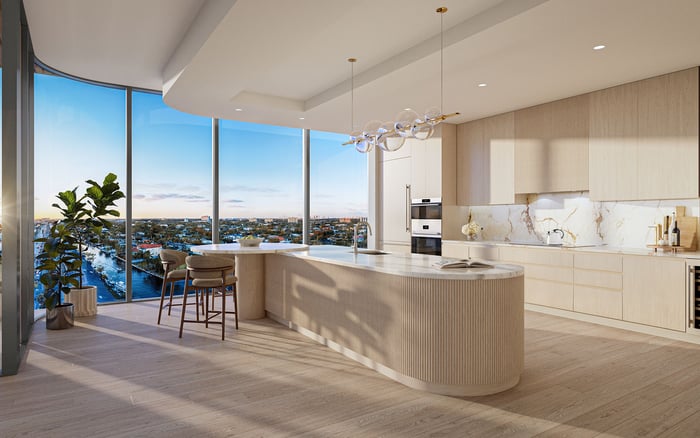
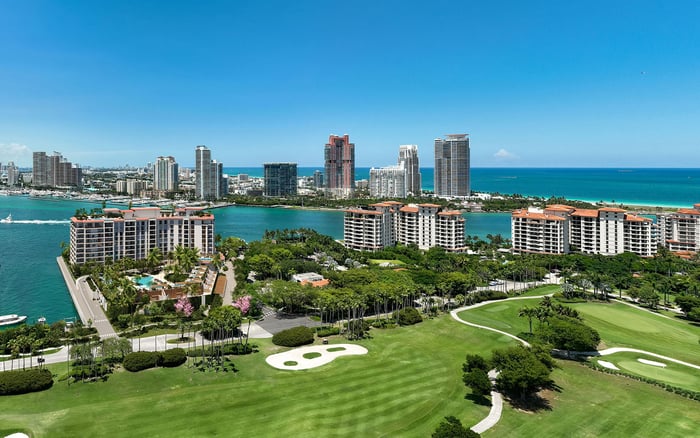
A buyer-focused, South Florida-ready final walk-through guide for luxury condo purchases, emphasizing unit-condition verification, documentation, and closing-day leverage.

In South Florida luxury condominiums, the final walk-through is less about rediscovering the property and more about confirming that what you agreed to buy is exactly what will be delivered at closing. Common areas, building exteriors, and many structural elements typically fall under association responsibility, which makes your time inside the residence even more valuable. The goal is not to replay an inspection from scratch. It is to verify condition, confirm any negotiated repairs, and ensure all included items remain in place. Timing matters. Schedule your walk-through as close to closing as practical, often within a day or two, so you are validating the unit’s current state, not a recollection.
Arrive with your contract, addenda, and any written repair agreements. Your leverage is strongest when your checklist tracks the exact language of your deal: which fixtures convey, which appliances stay, what repairs were promised, and what “complete” means in practice. Document the visit with the same rigor you would apply to art inventory or yacht acceptance. Capture photos or video, paired with concise written notes, so any issues are clear, timestamped, and difficult to dispute. If something is missing or altered, do not rely on verbal assurances. Require any remedy in writing, whether that is a repair plan, a credit, or another resolution. For buyers considering lifestyle-driven buildings in walkable cores such as Brickell, the final walk-through is also a moment to confirm the practical details that support day-to-day ease. In newer, design-forward towers like 2200 Brickell, the expectation is a high level of finish. Your walk-through confirms that standard in the specific residence you are buying.
Because the association often maintains common areas and many exterior components, concentrate on what you will own and insure: the interior, the systems that serve it, and the condition of everything within your four walls. Start with a deliberate visual scan, room by room. Look for fresh marks, cracked finishes, shifted trim, or damage that was not present during prior showings. Check flooring for scratches, hollow spots, and imperfect transitions that can signal moisture intrusion or rushed finish work. Open and close cabinetry, especially in kitchens and baths, where alignment and hardware issues surface quickly. If you are buying in an oceanfront or near-ocean environment, be especially alert for signs of air or water infiltration. Salt, humidity, and wind-driven rain tend to expose vulnerabilities at window lines, sliders, and balcony thresholds.
Operate every door and window. Confirm smooth travel, intact locks, and the presence of keys, fobs, and any specialty hardware. Pay close attention to sliders, which can feel flawless during a staged visit and later reveal rough tracks or binding. Watch for subtle indicators: staining around frames, soft drywall at corners, or musty odors near perimeter walls. If a terrace is part of the residence, inspect the transition zones where interior flooring meets exterior surfaces. You are not diagnosing the building; you are identifying conditions that could become your immediate problem after closing. In coastal enclaves like Surfside, where buyers often prioritize quiet luxury and a refined envelope, tolerance for unresolved perimeter issues should be low. If you are evaluating a boutique property such as Arte Surfside, you are buying a high-design experience, confirm the openings, seals, and hardware deliver accordingly.
Run every faucet and shower. Check water pressure, confirm hot water arrives promptly, and observe drainage speed. Inspect under sinks for active leaks or evidence of prior moisture. In a luxury condo, under-sink plumbing should look intentional, clean, and stable, not improvised. Flush all toilets and confirm proper fill and shutoff after each flush. In higher-floor residences, water pressure and shutoff behavior matter; a small issue today can become an urgent service call tomorrow. Also check bath exhaust fans. In a humid climate, ventilation is not a nicety, it is part of long-term finish preservation.
Turn on every light fixture, ceiling fan, and exhaust fan. Listen for unusual noise, vibration, or flicker. Confirm dimmers operate smoothly and do not buzz. Test outlets and switches. In kitchens and baths, use the test and reset buttons on GFCI outlets to confirm they trip and reset properly. This small step has outsized value: it is the difference between moving in with confidence and discovering a safety issue after you own the unit. If the residence includes smart-home features, confirm core functions respond. The walk-through is not the moment to reprogram systems; it is the moment to verify what is installed is operational.
Operate the HVAC by adjusting thermostat setpoints and confirming airflow and response across multiple vents. Do not settle for “it turns on.” You want to see cooling engage, air distribute evenly, and the system run without abnormal sound. In South Florida, HVAC performance is not just comfort; it is humidity control, which affects flooring stability, millwork, and overall interior longevity. If anything feels underpowered, note it immediately and anchor your request to the contract language around operational condition.
Test major appliances: range or cooktop, oven, microwave, dishwasher, refrigerator, and any ice maker. Look for leaks around dishwashers and under refrigerators, and verify doors seal and align. If the residence includes wine storage, integrated coffee systems, or other luxury features, run them briefly. This is your last opportunity to flag a non-functioning component while the seller still has clear incentive to resolve it. In design-centric Miami Beach residences, where kitchens often function as both performance space and visual statement, appliance performance should match the look. In a modern beachfront tower such as 57 Ocean Miami Beach, confirm the operational reality matches the presentation.
Walk through with the contract in hand and verify all included items are present. This is where surprises tend to surface: a fixture swapped, a chandelier removed, or a favored set of window treatments missing. Confirm any seller-agreed repairs are complete. If the contract requires a repair, treat it as binary: complete or incomplete. Do not accept “scheduled” as a substitute for “done” unless you have a written agreement that protects you.
If you find problems, you have options, and the right choice depends on severity and the practical realities of timing. For straightforward issues, request completion before closing. For items that cannot be completed in time, negotiate a credit so you control the vendor and the standard of work. When repairs truly cannot be completed by closing and waiting is impractical, an escrow holdback can be structured under a written agreement, holding back funds until the work is done. The key is specificity: scope, timeline, release conditions, and who signs off. Whatever the remedy, keep it in writing. Your objective is to leave the closing table with clarity, not a promise.
A flawless walk-through can still be undermined by surprises in association governance. Before closing, review key association documents: rules and restrictions, budget and financials, and meeting minutes. These materials define how you can live, what you may alter, and how costs can shift. Also confirm insurance responsibilities. In many condo structures, a master policy covers certain building elements, while an HO-6 policy covers unit interiors and personal liability. Your advisor can help you avoid coverage gaps that only become apparent after a loss. Finally, stay alert to building inspection and repair cycles that may affect future assessments. In Florida, certain buildings may be subject to milestone inspections based on age and location, and the status can influence future repair obligations.
Closing is not a single day. You will typically receive the Closing Disclosure at least three business days before consummation. Use that window to compare it to your earlier Loan Estimate and raise discrepancies before closing day. In luxury transactions, the numbers may be larger, but the discipline is the same: review early and resolve before signatures.
If the condo will be your primary residence in Florida, consider filing for homestead exemption with the county property appraiser, as eligibility can reduce your property tax burden. Once you have keys, protect your documentation. Store walk-through photos and notes alongside your contract and closing package. They become your reference point for immediate post-closing questions and for future resale disclosures. For buyers drawn to privacy-forward waterfront living, the same discipline applies in more rarefied settings. In enclaves like Fisher Island, residences such as Palazzo del Sol often trade on impeccable detail. Your walk-through should be held to the same standard.
How close to closing should I do the final walk-through? As close as practical, often within a day or two, so you can confirm nothing has changed since your last visit.
Is the final walk-through the same as a home inspection? No. It is designed to verify condition and confirm repairs or contract items, not to redo the full inspection.
What matters most in a condo walk-through versus a house? Focus on the unit interior and what you own directly, since the association typically maintains common areas and many exterior elements.
What should I bring to the walk-through? Bring your contract, repair addenda, and a checklist of inclusions so you can confirm everything promised is present and complete.
What should I test in kitchens and baths? Run faucets and showers, check drainage, inspect under sinks for leaks, flush toilets, and test GFCI outlets.
How do I check HVAC quickly and effectively? Adjust the thermostat setpoints and confirm airflow and response at multiple vents, listening for abnormal noise.
What if I find new damage or missing items? Document it with photos and notes immediately, then negotiate a written remedy such as repairs or a credit.
Can I still close if repairs are not finished? Sometimes. A written escrow holdback can be used to retain funds until agreed repairs are completed.
Why review HOA documents if the unit looks perfect? Rules, budgets, and meeting minutes govern restrictions and costs, which can affect your enjoyment and total ownership expense.
What closing document timing should I know? You generally receive the Closing Disclosure at least three business days before closing, giving time to review and flag changes.
For tailored guidance, speak with MILLION Luxury.
If branded residences are on your mind — as a home or as an allocation — we would be glad to share what we are seeing, privately.
Begin a quiet conversation