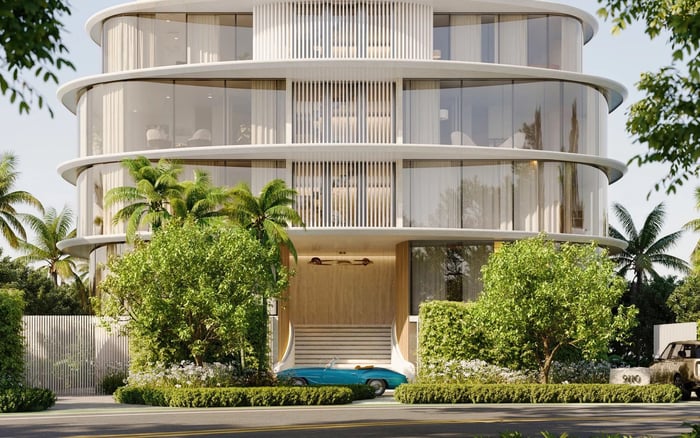
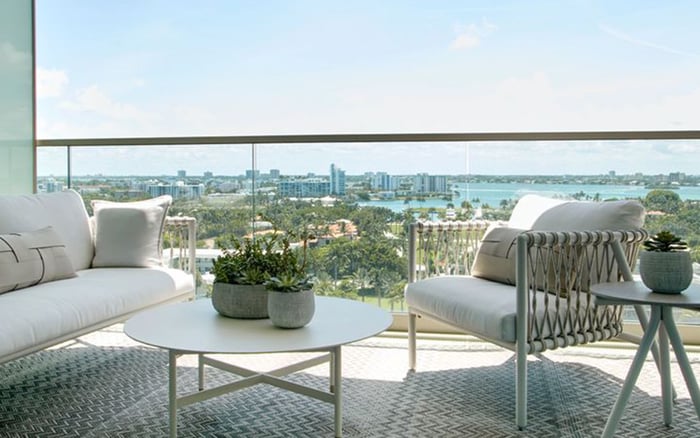
A reserve-conscious shortlist of five Bal Harbour condominium buildings and a document-first framework for reviewing budgets, reserve materials, insurance information, board minutes and potential assessments before a cash closing.

Paying cash can simplify the purchase structure, but it should not replace condominium due diligence. A buyer still needs to evaluate the association records that may affect recurring costs, reserve contributions, planned work and possible assessments.
This ranking is therefore a diligence order rather than a declaration that one association is financially stronger than another. Current records for the specific building and residence should control every conclusion.
Oceana leads this shortlist as the first candidate for a reserve-conscious review. Its position is not a finding about current reserves, engineering conditions or future obligations; buyers should verify each of those matters through the latest association package.
2. St. Regis Bal Harbour
St. Regis is the second building to examine. A branded residential experience can involve a detailed operating structure, so buyers should review service-related expenses together with reserve information, insurance materials and anticipated projects.
3. One Bal Harbour / Ritz-Carlton Residences
One Bal Harbour takes the third position in the screening order. Buyers should confirm the applicable association structure and ensure that the records reviewed correspond to the residence under consideration.
4. Bellini Bal Harbour
Bellini is the fourth candidate. Its documents should be assessed independently, without relying on the building's boutique positioning or asking prices as evidence of reserve adequacy.
5. Majestic Tower
Majestic completes the list. As with every candidate, a cash buyer should examine current financial, insurance, engineering and governance materials before making assumptions about exposure.
A practical review may include the current budget, reserve information, applicable inspection or engineering materials, insurance information, recent board minutes, pending assessment notices and the estoppel. Buyers should ask qualified legal, financial, engineering and insurance professionals to interpret documents within their respective fields.
Board minutes can add context to formal reports by recording discussions about proposed work, bids, funding options or owner obligations. Any unresolved item should be clarified in writing before contingencies expire or funds become nonrefundable.
The review should focus on the complete package rather than a single summary page. Buyers can compare scheduled work, available funding and proposed contributions, then incorporate unresolved exposure into negotiations and closing decisions.
Buyers expanding the search can use Rivage Bal Harbour as another Bal Harbour reference point and consider nearby The Delmore Surfside or Bay Harbor Towers. These links support residential discovery, but they do not establish comparable reserve structures or association obligations.
Architecture, services, location and presentation may shape a buyer's preferences, yet none can substitute for current records. The most useful comparison considers acquisition terms, recurring charges, insurance-related costs, anticipated capital work and potential assessments as one combined ownership picture.
A buyer can make document delivery and satisfactory review part of the transaction strategy, subject to the contract and professional advice. Questions about incomplete reports, proposed projects or uncertain funding should be resolved before the buyer waives relevant protections.
The final decision should rest on current building-specific evidence, the buyer's risk tolerance and advice from appropriate professionals. This framework is a starting point for organizing diligence, not a certification of any building's condition or finances.
Does paying cash remove reserve exposure? No. A cash buyer should still evaluate association obligations, planned work and possible assessments.
Is this ranking proof that Oceana has the strongest reserves? No. The ranking sets a review order and does not certify the current finances or physical condition of any building.
Why include St. Regis Bal Harbour? It belongs in the five-building shortlist, but its current operating and reserve position must be established through association records.
What should a buyer confirm at One Bal Harbour? The buyer should verify the applicable association structure and review the records tied to the specific residence.
Does Bellini's boutique positioning indicate lower exposure? Not by itself. Positioning and presentation are not substitutes for financial, insurance and engineering review.
Can asking prices establish Majestic's reserve adequacy? No. Pricing does not confirm available reserves, planned work or possible owner obligations.
Which documents deserve close attention? Review the current budget, reserve materials, relevant engineering or inspection records, insurance information, board minutes, assessment notices and estoppel.
Why are board minutes useful? They may provide context about proposed work, bids, funding discussions and other matters requiring follow-up.
Should buyers rely on a summary of reserve materials? Buyers should seek the complete available package and obtain professional interpretation when necessary.
How should unresolved exposure affect an offer? It may influence contingencies, negotiations or the decision to proceed, subject to the contract and professional advice.
If you'd like a private walkthrough and a curated shortlist, connect with MILLION.
If branded residences are on your mind — as a home or as an allocation — we would be glad to share what we are seeing, privately.
Begin a quiet conversation