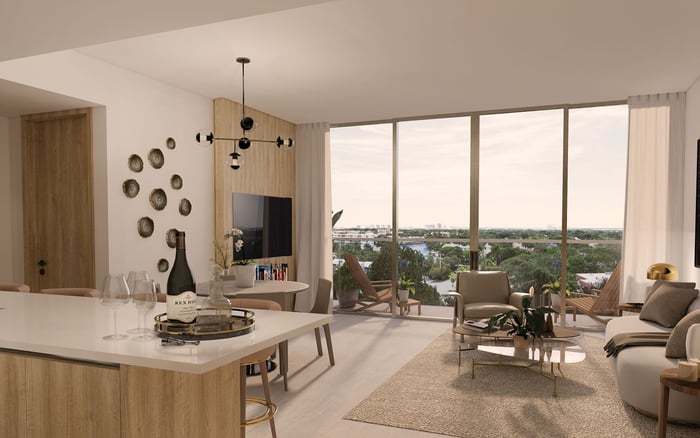
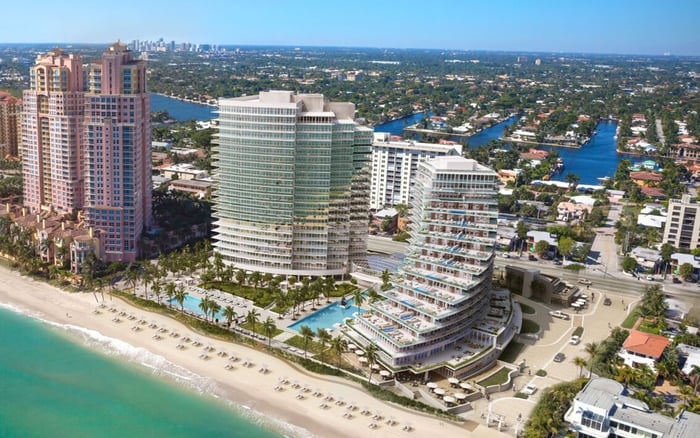
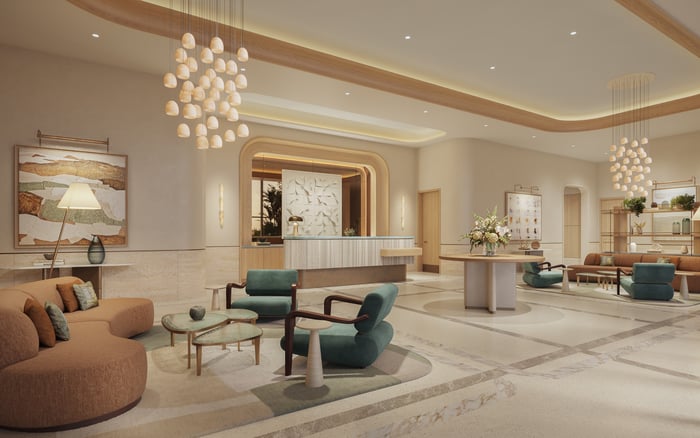
A buyer-focused look at how operating budgets, staffing, waterfront exposure, and lifestyle rhythm can reframe the choice between Las Olas and Fort Lauderdale Beach.
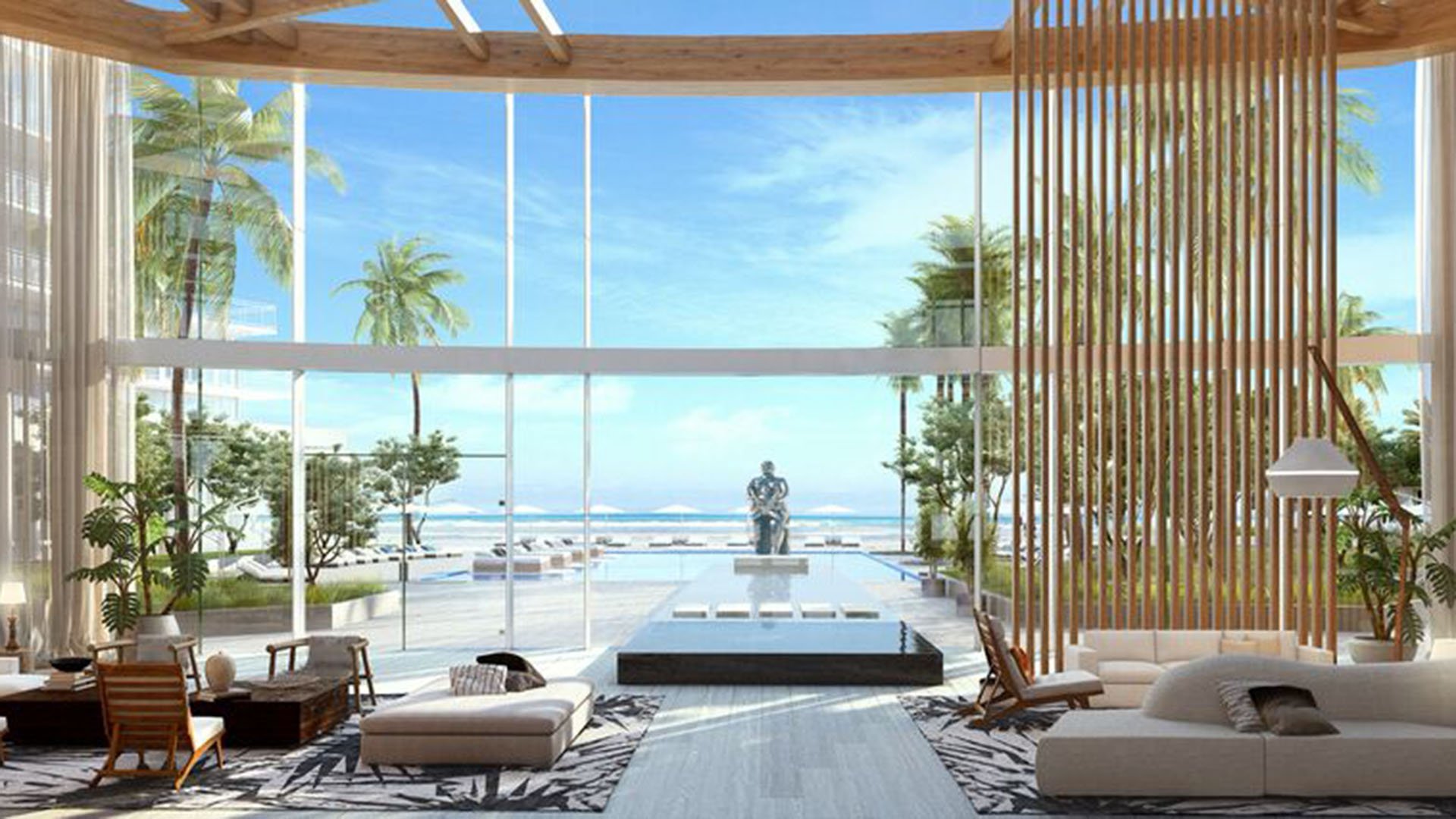
For many luxury buyers, the first comparison between Las Olas and Fort Lauderdale Beach begins with atmosphere. One reads as polished urban living, close to dining, culture, boating corridors, and a walkable social rhythm. The other suggests a more resort-oriented posture, shaped by sand, horizon, arrivals, guest use, and a daily sense of escape. Both can be compelling. The more revealing question is not which view is better, but which amenity operating budget best supports the way the building promises to live.
Amenity operating budgets are where lifestyle becomes measurable. They help buyers understand how a building staffs its front desk, maintains its pool deck, manages valet flow, preserves common spaces, schedules repairs, supports security, and funds the daily experience that turns an address into a residence. A dramatic amenity floor can impress during a tour, but the operating plan determines whether it still feels effortless five years later.
For South Florida’s ultra-premium audience, this is not merely a monthly-fee discussion. It is a due diligence discipline. A buyer considering Riva Residenze Fort Lauderdale, Sixth & Rio Fort Lauderdale, or a beachfront-oriented residence such as Four Seasons Hotel & Private Residences Fort Lauderdale is really comparing service philosophy, maintenance intensity, and tolerance for operating variability.
Las Olas appeals to buyers who want refinement without structuring their entire day around a resort environment. The value proposition often centers on convenience, access, dining, boating adjacency, and a polished urban pace. In this setting, amenity budgets should be read through the lens of frequency. Which services will residents use every day, and which are primarily presentation features?
A disciplined Las Olas buyer should ask whether the building is investing in the amenities that matter most to routine living: lobby presence, package handling, valet coordination where applicable, garage operations, elevator reliability, wellness areas, pool upkeep, and common-area cleanliness. In a more urban setting, the strongest amenity may be operational smoothness rather than spectacle.
That does not make Las Olas a lower-service choice. It may offer a different type of luxury. The buyer who entertains at restaurants, works between home and office, values walkability, and wants a lock-and-leave rhythm may prefer a building where the budget is concentrated on precision and consistency. A residence such as Sixth & Rio Fort Lauderdale can be considered within that broader Las Olas conversation because it invites buyers to weigh neighborhood energy against the actual cost of maintaining daily comfort.
Fort Lauderdale Beach changes the budget conversation because the lifestyle promise is different. Beach proximity often brings expectations of a more leisurely, guest-friendly, hospitality-inflected environment. Buyers may expect pool service, elevated arrival sequences, attentive common areas, fitness and wellness spaces, and a building culture that remains composed during peak seasonal use.
That expectation makes the operating budget more consequential. The larger the amenity promise, the more important it becomes to understand staffing models, maintenance reserves, exterior upkeep, pool and deck operations, service contracts, insurance assumptions, and how the association or management team plans for wear over time. The question is not whether the building offers amenities. It is whether the budget is robust enough to keep them at the level buyers assumed at purchase.
In this context, properties such as St. Regis® Residences Bahia Mar Fort Lauderdale and The Ritz-Carlton Residences® Fort Lauderdale naturally prompt buyers to think carefully about service continuity. A branded or hospitality-associated environment may set a high experiential bar. The buyer’s task is to understand how that experience is funded, governed, and protected.
The most useful budget questions are practical and specific. What portion of the budget is allocated to staffing? Which services are included for all residents, and which are paid separately? How are reserve contributions treated? Are amenity areas maintained in-house or through outside contracts? How often are major shared spaces refreshed? What assumptions are being made about utilities, insurance, management, landscaping, pool systems, technology, and security?
A buyer should also distinguish between visible and invisible luxury. Visible luxury is the terrace, the lounge, the fitness studio, the pool, the spa room, and the arrival court. Invisible luxury is the elevator that arrives promptly, the garage that functions without friction, the team that remembers resident preferences, the hallway that remains pristine, and the capital planning that prevents surprise assessments from disrupting confidence.
This is where Las Olas and Fort Lauderdale Beach can diverge. Las Olas may suit buyers who want the city around them to provide much of the entertainment and dining infrastructure. Fort Lauderdale Beach may suit buyers who expect more of the resort experience to be delivered within the property itself. Neither is inherently superior. They are simply different operating models.
For buyers comparing Fort Lauderdale, Las Olas, Fort Lauderdale Beach, Broward, waterfront, and lifestyle priorities, the smartest approach is to translate desire into cost centers. If beach access, outdoor lounging, guest hosting, and hospitality presence are central to the purchase, the building budget should reflect that ambition. If urban connection, privacy, and efficient lock-and-leave ownership matter more, a leaner but highly competent operating model may feel more elegant.
Resale buyers do not purchase a floor plan alone. They purchase confidence in the building’s future condition. A well-run amenity program can support that confidence because it suggests continuity: clean common areas, orderly staff culture, maintained systems, and a sense that the building is not deferring the lifestyle it advertises.
By contrast, a budget that appears too thin for the amenity program can raise questions. Buyers may wonder whether fees will rise, whether service levels will change, or whether major common areas will age faster than expected. In high-end condominiums, restraint can be beautiful, but underfunding rarely is.
The best buildings make their operating choices legible. They do not simply present amenities as a brochure of features. They show how those features are cared for. This matters in both Las Olas and Fort Lauderdale Beach, and becomes especially important when a property’s identity depends on hospitality, outdoor leisure, or waterfront presentation.
A budget-first lens does not diminish romance. It protects it. The Las Olas buyer may discover that a more urban building offers the ideal balance of service, access, and monthly predictability. The Fort Lauderdale Beach buyer may decide that a richer operating budget is entirely appropriate because the daily experience depends on staffing, maintenance, and resort-level polish.
The key is alignment. A buyer should not pay for amenities they will rarely use, nor choose a building whose budget cannot sustain the service level they expect. The right residence is the one where the monthly cost feels connected to daily life, not detached from it.
In Fort Lauderdale’s luxury market, the question has evolved from “What amenities does the building have?” to “How are those amenities operated?” That shift is healthy. It rewards sophisticated buyers, serious developers, and properties that understand that luxury is not only designed. It is funded, staffed, maintained, and renewed.
Why should I review an amenity operating budget before choosing a condo? It shows how the building supports staffing, maintenance, services, and reserves. The budget often reveals whether the lifestyle promise is financially sustainable.
Does a higher monthly fee always mean a better building? Not necessarily. The better question is whether the fee matches the services, amenities, staffing, and long-term maintenance needs of the property.
How does Las Olas differ from Fort Lauderdale Beach for amenity planning? Las Olas often emphasizes urban convenience and operational efficiency. Fort Lauderdale Beach may place more emphasis on resort-style common areas and hospitality expectations.
What budget line items should luxury buyers examine first? Staffing, insurance, reserves, utilities, maintenance contracts, security, pool operations, and management costs deserve close attention.
Are branded residences more expensive to operate? They can involve elevated service expectations, so buyers should understand how brand-related experiences, staffing, and shared spaces are funded.
Can a building have too many amenities? Yes, if the operating budget does not realistically support them. Amenities are only valuable when they remain well maintained and regularly used.
Should seasonal owners evaluate budgets differently? Seasonal owners should focus on lock-and-leave reliability, security, maintenance, and whether they will meaningfully use the amenities they fund.
How can amenity budgets affect resale value? A well-funded operating plan can help preserve common areas and buyer confidence. Underfunded amenities may create future cost concerns.
Is waterfront living always more complex from a budget perspective? Waterfront settings can require careful attention to exterior upkeep, insurance assumptions, and shared-area maintenance. Buyers should review those items closely.
What is the best way to compare two buildings with different fees? Compare the actual services, staffing, reserves, and amenities behind each fee. The most elegant choice is the one aligned with your daily lifestyle.
For a discreet conversation and a curated building-by-building shortlist, connect with MILLION.
If branded residences are on your mind — as a home or as an allocation — we would be glad to share what we are seeing, privately.
Begin a quiet conversation