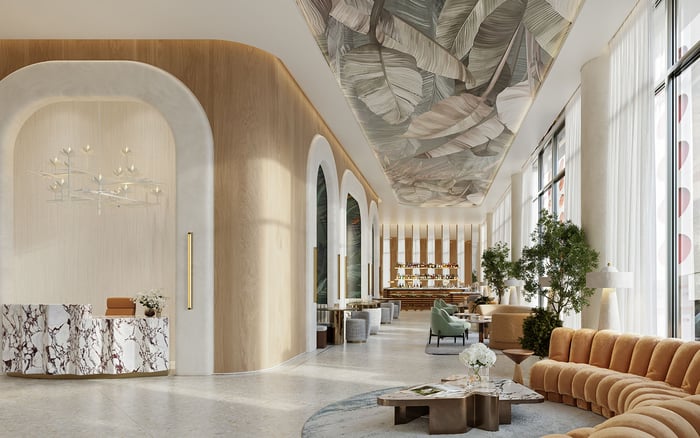
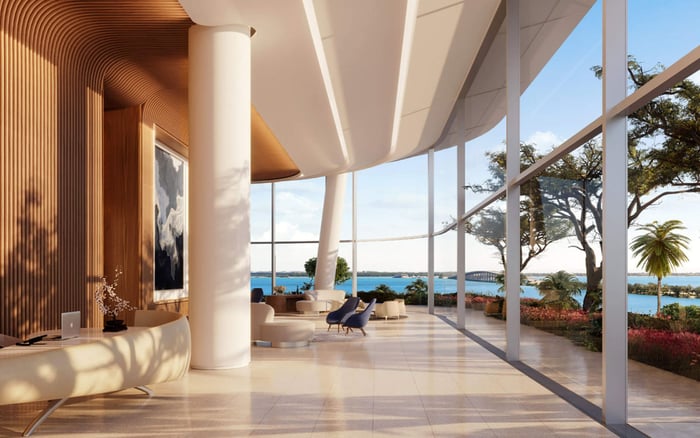
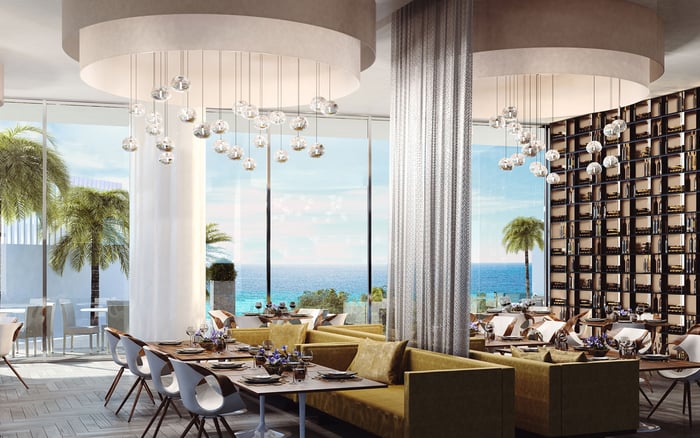
A discreet, buyer-oriented editorial on South Florida luxury real estate, focusing on lifestyle, due diligence, and new-construction considerations across key submarkets.
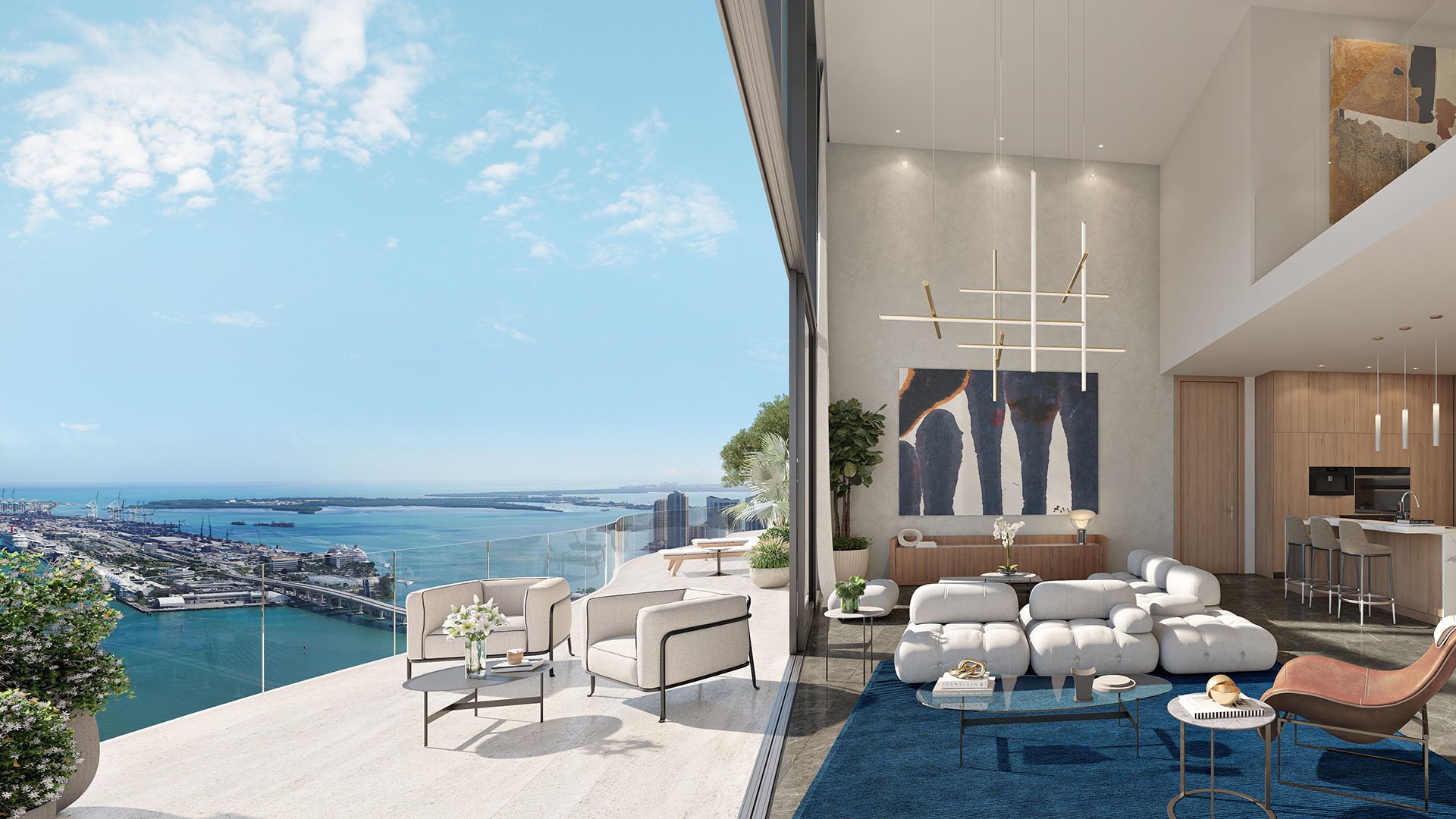
South Florida’s luxury market is no longer a single conversation about sunshine and square footage. Today’s ultra-premium buyer is weighing privacy against connectivity, a resort tempo against year-round practicality, and design-forward living against the building fundamentals that protect long-term value. The result is more discerning demand: residences that feel effortless on arrival, function smoothly on a Tuesday, and maintain value through disciplined governance.
This is where the market becomes nuanced. Two properties can share a similar price point yet live very differently based on staffing, elevator strategy, guest handling, service culture, pet policies, parking logistics, and even how building rules treat seasonal occupancy. The best outcomes come from matching a home’s operating reality to your lifestyle-not simply your aesthetic preferences.
When evaluating hospitality-forward proposals such as 619 Brickell and Casa Bella by B&B Italia Downtown Miami, the same lifestyle-first lens helps clarify which building’s operations best match your day-to-day.
In South Florida, the difference between an excellent purchase and a merely expensive one often comes down to micro-market selection. “Miami” can mean a short, walkable routine with a waterfront promenade, or a car-dependent pattern with greater exposure to congestion. “Miami Beach” can mean a quiet residential pocket or a high-energy corridor. The block, the bridge, and the daily route to your preferred dining, gym, marina, or private aviation access can matter as much as the view.
A practical way to choose is to start with your non-negotiables:
If you want a refined, urban lifestyle with modern towers, consider Brickell for its proximity to dining, culture, and business.
If you prioritize a beach-forward daily rhythm and a sense of retreat, Miami-beach offers a distinctly coastal routine.
If you want newer inventory with dramatic ocean exposure and full-service buildings, Sunny-isles remains a compelling corridor for true waterfront living.
If you want a long-term hold in a historically blue-chip enclave with controlled scale, Bal-harbour continues to define discreet prestige.
Within each, the “right” address is typically the one that reduces friction: simpler entries, less time in the car, predictable guest flow, and a building culture aligned with how you actually use the home.
Luxury buyers often begin with design, but the decisive factors usually surface in the mechanics.
New-construction
typically delivers newer systems, contemporary layouts, and the possibility of tailored finishes when timelines allow. The trade-off is patience and uncertainty: delivery schedules, evolving specifications, and the reality that the first year of operations often reveals how a building truly functions.
Resale
offers immediacy and a visible operational history. You can evaluate staff performance, elevator wait times, noise patterns, and how rules are enforced. The trade-off can be renovation scope, legacy mechanical systems, and, at times, deferred maintenance.
If your plan is a long-term family base, durability and governance matter as much as glamour. If your plan is a seasonal residence, service consistency and lock-and-leave ease may take priority.
For buyers drawn to a refined, design-led approach to Brickell living, 2200 Brickell is often considered in the broader conversation of newer, lifestyle-centric offerings, while more branded, ultra-vertical proposals can tilt the equation toward statement architecture and hospitality-style services.
At the ultra-premium level, amenities are less about quantity and more about execution. The details that translate into lived value tend to be:
Arrival and privacy: separate resident and guest flows, discreet porte-cochere design, and controlled lobby sightlines.
Wellness that feels like a club: a gym that can replace a membership, a spa component that is genuinely usable, and quiet outdoor areas that do not read as “overflow.”
Work-from-anywhere infrastructure: conference-ready spaces, strong acoustics, and practical drop-in work zones.
Service and staffing: a building can have world-class finishes, but day-to-day life is defined by how packages, deliveries, valet, and maintenance requests are handled.
On the beach, a buyer’s definition of “amenity” often becomes the shoreline itself: direct access, towel-and-chair handling, and a calm, well-managed owner experience. For a Miami Beach buyer who values understated oceanfront living, 57 Ocean Miami Beach sits naturally in the conversation for those prioritizing a boutique cadence over constant spectacle.
Waterfront is South Florida’s signature, but it is not a uniform asset. A panoramic view can be priceless, yet the long-term premium depends on protections: view corridors, neighboring development potential, and how a building plans for weather and water.
Buyers should look beyond the romance of the horizon and ask practical questions:
Is the building’s site planning thoughtful about drainage and ground-level exposure?
Are critical mechanical components positioned and protected sensibly?
How does management handle post-storm procedures and vendor relationships?
If boating is part of your lifestyle, Marina access and rules can be as important as the residence itself. Not every waterfront building is boat-friendly, and not every marina environment aligns with a quiet residential experience.
Luxury purchasers often rely on strong advisors, but it is still worth understanding the issues that most often define comfort and resale.
Focus on:
Rules and use: guests, pets, renovation windows, and leasing restrictions.
Reserves and long-term planning: whether the building anticipates capital needs or reacts to them.
Insurance posture: the building’s approach can influence monthly costs and future assessments.
Special assessments: not only current status, but how the building communicates and forecasts.
The most desirable buildings tend to operate with clear governance, predictable enforcement, and a service culture that treats owners as long-term stakeholders.
Even within the same county, the lifestyle contrast can be stark.
In Sunny-isles, the appeal is straightforward: dramatic oceanfront towers, resort-style services, and a global buyer base that prizes turnkey convenience. A project like Bentley Residences Sunny Isles fits the buyer who wants a clear brand identity and a contemporary vision of vertical living.
In Bal-harbour, the atmosphere is more edited. The area’s value proposition is discretion, controlled scale, and a sense of permanence that resonates with long-hold buyers. For those wanting new luxury in this specific orbit, Rivage Bal Harbour belongs in the consideration set for a buyer who prioritizes a quieter, more curated feel.
In Hallandale, the conversation can be compelling for buyers seeking oceanfront living with access to broader north-south mobility. 2000 Ocean Hallandale Beach offers a useful reference point when evaluating full-service oceanfront living outside Miami’s densest corridors.
In South Florida’s upper tier, negotiation is often less about a dramatic discount and more about achieving certainty. The highest-value concessions can include:
Contract terms that reduce timeline risk
Clarity on renovation approvals and working hours
Parking and storage allocations that align with how you live
A clean understanding of operating costs and any pending capital plans
For new-construction, buyers should pay close attention to what is contractually promised versus what is conceptual. For resale, the strongest leverage often comes from decisive preparedness: proof of funds, a clean closing plan, and a realistic due diligence timeline.
The most successful luxury purchases in South Florida tend to follow a clear pattern: the buyer selects a micro-market that fits their daily routine, prioritizes building fundamentals and service culture, and then uses design and view as the final filter.
When you lead with lifestyle and operations, the aesthetic decisions become simpler. And when the market shifts, homes that live well tend to hold attention longer, trade more cleanly, and remain easier to enjoy.
What is the biggest differentiator between luxury condos in South Florida? Daily operations and service quality often matter more than finishes once you move in.
Is Brickell better for a primary residence than a second home? Brickell can suit either, but it is especially strong for buyers who want walkable urban ease.
How should I compare new-construction to resale at the same price point? Compare certainty and operational history versus newer systems and potential customization.
What should I review first in condo documents? Start with rules, reserves, insurance posture, and any history of special assessments.
Do amenities materially affect resale value? Yes, but only when they are well-managed, usable, and aligned with the building’s audience.
What makes oceanfront living more complex than it looks? Exposure, maintenance planning, and resiliency considerations add layers to ownership.
Is Sunny Isles a good fit for buyers who want turnkey living? Often yes, especially for those who value newer towers and resort-style services.
Why is Bal Harbour considered so exclusive? Its controlled scale and discreet atmosphere tend to appeal to long-term luxury buyers.
What is the most common mistake luxury buyers make in South Florida? Choosing a property for the view alone without confirming day-to-day livability.
How can I make my offer more compelling without overpaying? Clean terms, credible timing, and preparedness can outperform aggressive pricing tactics.
To compare the best-fit options with clarity, connect with MILLION Luxury.
If branded residences are on your mind — as a home or as an allocation — we would be glad to share what we are seeing, privately.
Begin a quiet conversation