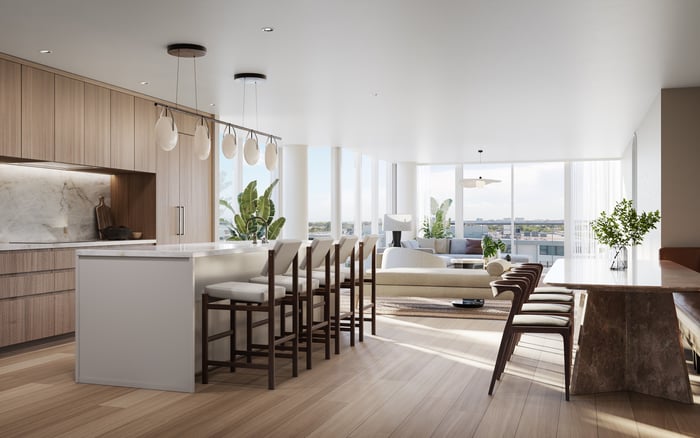
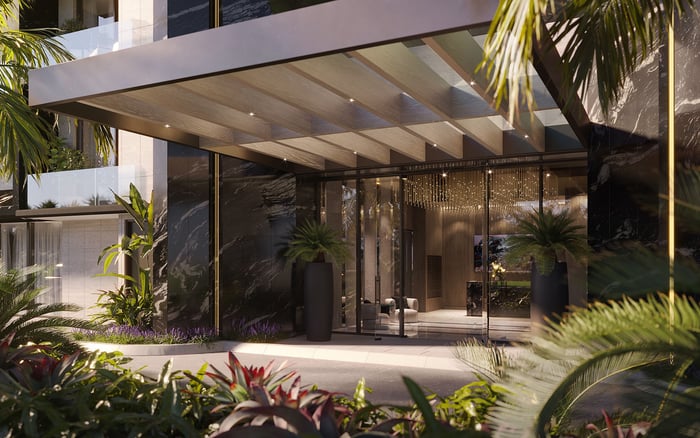
A buyer-focused look at why water-pressure consistency matters for lock-and-leave ownership at The Well Bay Harbor Islands, and how to evaluate the issue with discretion.
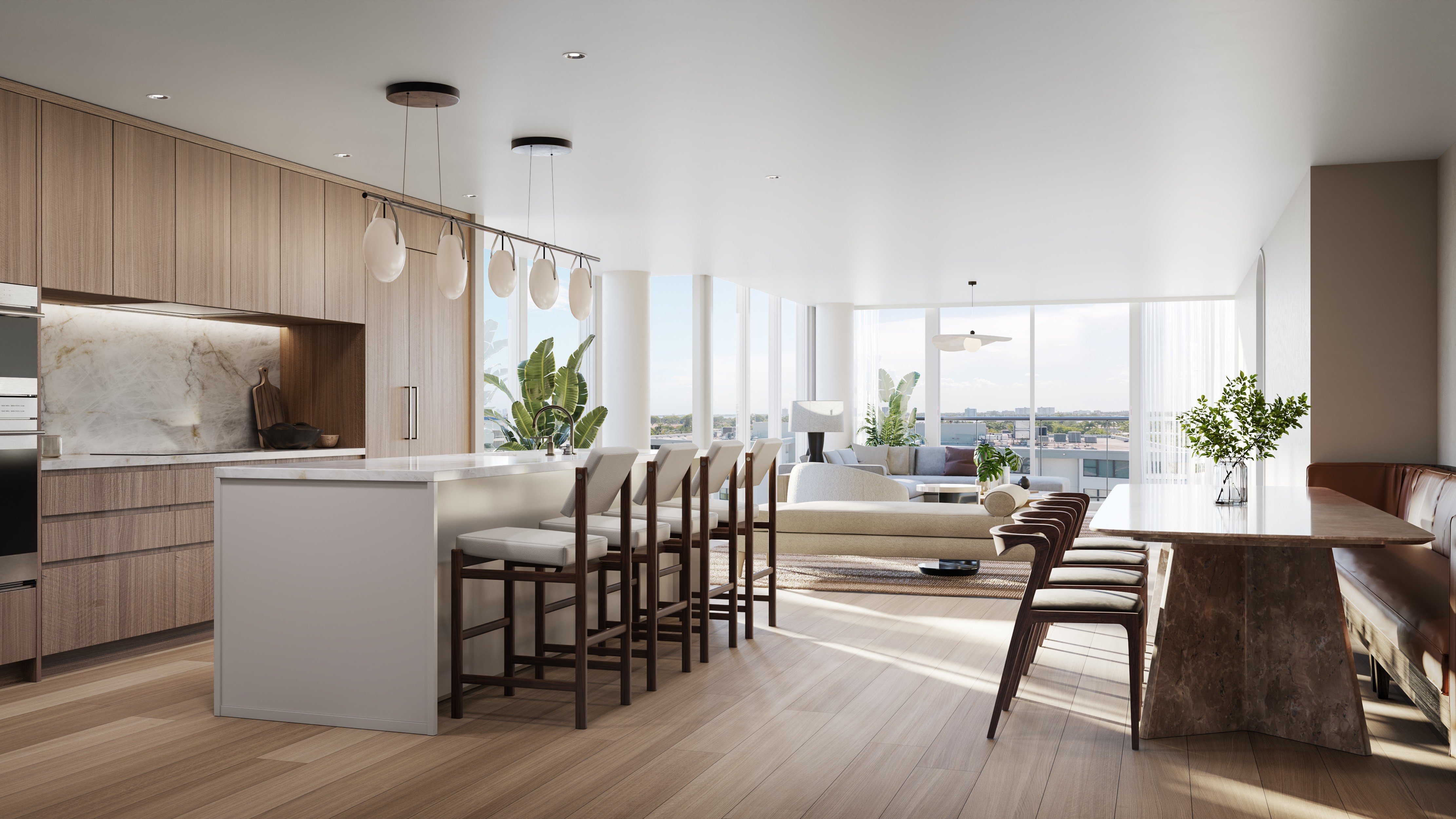
At the top end of South Florida real estate, buyers often begin with architecture, light, views, privacy, wellness programming, and the feeling of arrival. Yet the most enduring luxury is often less theatrical: the confidence that a residence behaves beautifully when life is in motion, when guests arrive, and when the owner returns after weeks away.
That is the practical question behind The Well Bay Harbor Islands: water-pressure consistency. For a lock-and-leave buyer, pressure is not a minor technical detail. It affects showers, laundry, guest readiness, housekeeping routines, filtration expectations, and the simple pleasure of arriving to a home that feels composed rather than temperamental.
This does not mean a buyer should approach the subject with alarm. It means the opposite. In a sophisticated purchase, the conversation should be precise, calm, and early. The best due diligence turns invisible systems into knowable standards.
A primary residence is usually watched by habit. Owners notice subtle changes quickly. They hear a pump cycle, recognize a slower shower, or call management the same day a fixture behaves differently. A lock-and-leave residence has a different rhythm. It may sit quiet for stretches, then be expected to perform immediately at a high level.
That intermittent use is why buyers should ask how the building experience is managed when residences are unoccupied. The issue is not only whether water pressure is strong on a single visit. It is whether performance feels consistent across seasons of use, during busy periods, and after extended absences.
For a second-home buyer, the relevant test is emotional as much as mechanical. The owner wants to arrive from the airport, open the door, and feel that the residence has been held in readiness. In that moment, water pressure becomes part of hospitality.
The right questions are not confrontational. They are standard questions for a serious purchaser. Ask how water-pressure performance is designed to be maintained across the property. Ask what owner guidance exists for extended absences. Ask how issues are reported, triaged, and documented. Ask whether there are recommended shutoff practices when a residence will be vacant.
It is also useful to separate fixture performance from system performance. A weak experience at one faucet may have a different cause than broad pressure inconsistency. Buyers should ask their representation, inspector, and building contacts to distinguish between an isolated adjustment and a pattern. That distinction protects both confidence and negotiating clarity.
In a boutique setting, buyers may also care about how quickly management can identify and respond to concerns. Scale can shape expectations around service, communication, and familiarity, but the key is not assumption. The key is asking how the experience is actually handled.
Luxury buyers sometimes think of water pressure in terms of strength. A powerful shower is memorable. But consistency is the better standard. A residence should not feel different from one visit to the next without explanation. Guests should not need instructions for ordinary use. Housekeeping should not be forced to work around unpredictable performance.
Consistency also supports the broader lock-and-leave mindset. When the owner is away, the residence is still part of an operating building. Valves, fixtures, heaters, filtration elements, pumps, and management procedures all contribute to the perception of reliability. A buyer does not need to become an engineer, but a buyer should understand who is responsible for what.
For a waterview residence, attention can easily move toward outlook, terrace life, and the sensory calm of the setting. Those are meaningful parts of ownership. Still, the daily rituals inside the residence must equal the beauty outside the glass.
A buyer should treat water-pressure evaluation with the same quiet discipline used for acoustic privacy, elevator experience, air conditioning response, lighting controls, and storage. During a visit, test multiple fixtures if permitted. Notice how quickly hot water arrives where relevant. Observe whether pressure changes when more than one fixture is used. Ask whether any recent adjustments have been made.
If the residence is in a pre-completion or early-delivery phase, the question becomes documentation and process. How will buyers be informed about system commissioning? What is the protocol for punch-list items involving plumbing performance? What is the expected channel for owner service requests after closing?
These are not glamorous questions, which is exactly why they matter. Mature buyers understand that beauty must be supported by operations. In the new-construction category, the transition from promise to performance is where careful questions can add real comfort.
The appeal of a refined island address is not simply about having a beautiful home. It is about reducing friction. Buyers drawn to The Well Bay Harbor Islands are likely to value privacy, wellness, and a residential atmosphere that feels considered rather than hurried. Within that context, water-pressure consistency belongs beside storage planning, maintenance access, delivery procedures, and guest logistics.
The Well Bay Harbor Islands sits at the intersection of Bay Harbor, boutique, waterview, second-home, and new-construction priorities. Those labels are not substitutes for diligence, but they help frame the buyer profile: someone seeking an elegant home that can be used intensely, paused gracefully, and resumed without drama.
The lock-and-leave question, then, is simple: will the residence feel ready when the owner is ready? Pressure consistency is one of the small signals that answers it.
The most effective approach is to keep the inquiry factual. Avoid vague questions such as whether the water pressure is good. Ask instead about maintenance protocols, owner absence recommendations, service response procedures, and how concerns are escalated. A buyer can also request that any relevant representations be captured in writing through the appropriate channels.
This is particularly important for buyers who may not be present for every step of the process. If family offices, assistants, property managers, or designers are involved, assign one person to track operational questions. Otherwise, system details can be lost among finish selections and closing logistics.
A good advisory team will not treat these questions as secondary. They will recognize that practical confidence is part of the luxury brief. In South Florida, where many owners travel frequently and host on short notice, the residence must support a polished rhythm of use.
Water-pressure consistency will never have the visual drama of stone, glass, lighting, or a perfectly composed terrace. Yet it is one of the details that determines how a residence feels after the first impression fades. For lock-and-leave ownership, the question is not whether a home photographs well. It is whether it performs quietly, predictably, and without asking the owner to manage the ordinary.
At The Well Bay Harbor Islands, the smartest buyer conversation is therefore not only about design. It is about readiness. A residence that can be left with confidence and returned to with pleasure is a more complete form of luxury.
Why should water pressure matter to a luxury buyer? Because it affects daily comfort, guest readiness, housekeeping, and the feeling that a residence is operating at the expected level.
Is water-pressure consistency different from strong water pressure? Yes. Strength is one moment of performance, while consistency is the ability to feel reliable across repeated use and periods of absence.
What should lock-and-leave buyers ask first? Ask how the building handles owner absences, service requests, routine checks, and any recommended shutoff practices.
Should this be discussed before closing? Yes. Practical operating questions are best addressed early, when expectations, documentation, and service channels can be clarified.
Can a single slow faucet indicate a building-wide issue? Not necessarily. Buyers should distinguish between an isolated fixture matter and a broader performance pattern.
Who should evaluate the issue for a buyer? The buyer's advisory team, inspector, and appropriate building contacts should help frame and document the relevant questions.
Is this mainly a concern for second-home owners? It is especially relevant for second-home owners, but primary residents also benefit from predictable water performance.
How does this relate to wellness-oriented living? Wellness is not only programming or amenities. It also includes the calm created by a home that functions reliably.
Should buyers ask for written answers? When a point is material to comfort or decision-making, buyers should seek written clarification through the proper transaction channels.
What is the main takeaway for The Well Bay Harbor Islands? Treat water-pressure consistency as part of the luxury brief, especially if the residence will be used as a lock-and-leave home.
For a discreet conversation and a curated building-by-building shortlist, connect with MILLION.
If branded residences are on your mind — as a home or as an allocation — we would be glad to share what we are seeing, privately.
Begin a quiet conversation