A buyer-focused look at how wellness amenities in Key Biscayne should be evaluated, from spa privacy and fitness design to recovery spaces, livability, and long-term daily use.
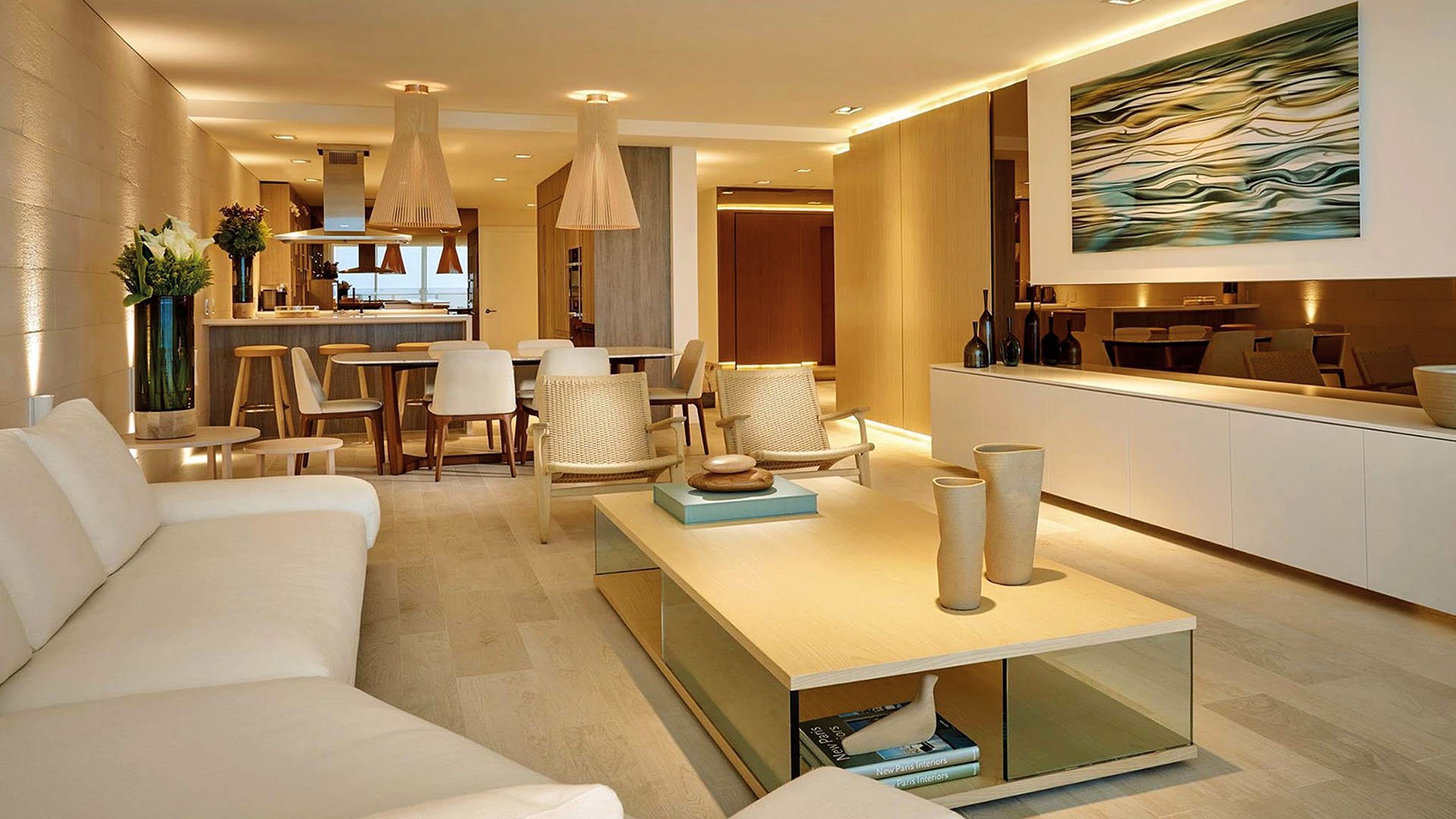
In Key Biscayne, wellness is best understood as a complete residential rhythm rather than a single amenity room. The most discerning buyers are not simply asking whether a building has a spa, fitness center, or pool. They are asking whether the residence supports a quieter, healthier, more efficient life from morning to evening.
That distinction matters. A wellness amenity can look impressive in a presentation, yet feel inconvenient once daily life begins. The better question is not how many amenities exist, but how naturally they fit into a resident’s week. Can a workout happen before school drop-off or a board call? Can recovery remain private? Can guests enjoy the setting without disrupting the household? Can the building feel composed even when fully occupied?
For the Key Biscayne buyer, the strongest wellness proposition is grounded in discretion, ease, and repetition. A feature earns value when it becomes part of a lifestyle, not when it is visited once for novelty.
In ultra-premium residential real estate, spa value begins with privacy. Buyers should look beyond attractive finishes and consider circulation, acoustics, booking protocols, and the relationship between wet and dry zones. A treatment room, sauna, steam area, or relaxation lounge should feel removed from social traffic. If the experience requires passing through a busy lobby or exposed amenity deck, the wellness promise may weaken.
The best spa environments feel calm before the service begins. Lighting should be gentle, materials should age gracefully, and transitions should be intuitive. A buyer should ask how the space functions at peak hours, how residents reserve it, and whether it supports both solitary recovery and occasional guest use.
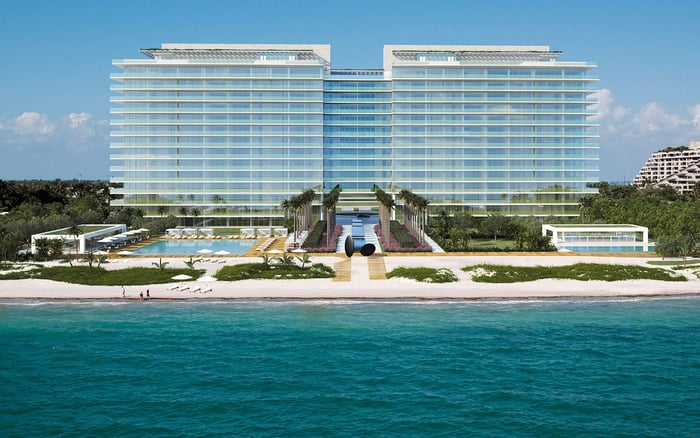
On-island comparisons such as Oceana Key Biscayne can be part of a broader review when buyers are studying how residential privacy, scale, and amenity expectations meet in this market. The decision should remain personal: the right spa program is the one that supports the household’s habits without turning home into a hotel lobby.
Fitness amenities are often judged by square footage or equipment count, but serious buyers should focus on usability. A compact, well-planned fitness space can outperform a larger room if it offers the right mix of strength, cardio, stretching, and quiet training areas. Natural light, ceiling height, ventilation, and flooring all matter because they influence whether residents actually return each day.
A Key Biscayne wellness brief should include practical questions. Is there space for private training? Is the room comfortable for early morning or late evening sessions? Are there areas for mobility work, not just machines? Can two members of the household use the space at the same time without compromise?
South Florida buyers often compare wellness expectations across neighborhoods. A project such as The Well Coconut Grove enters that conversation because its identity is explicitly tied to wellness, while The Well Bay Harbor Islands gives buyers another point of reference for how health-oriented residential positioning is being presented in the region. These comparisons can sharpen expectations for Key Biscayne without replacing the island’s quieter residential character.
Recovery is where modern wellness becomes more sophisticated. The best amenity planning recognizes that high-performance residents need more than a place to exercise. They need spaces that help the body reset, the mind slow down, and the household return to equilibrium after travel, work, sport, or social obligations.
Recovery can be expressed through spa rooms, hydrotherapy concepts, stretching zones, meditation areas, shaded outdoor spaces, or simply a building culture that does not feel overprogrammed. The specifics vary, but the principle is consistent: recovery should feel effortless. If the amenity requires excessive scheduling, feels crowded, or lacks privacy, its value becomes more symbolic than functional.
Buyers should also assess whether recovery continues inside the residence. A primary suite that feels quiet, a terrace that supports fresh-air routines, and a floor plan that separates entertaining from sleeping areas can be as meaningful as shared amenities. In this sense, wellness is architectural as much as operational.
Livability is the most understated wellness amenity. It includes arrival sequence, parking ease, elevator experience, service access, storage, pet movement, guest management, and the daily choreography of household life. These details rarely dominate glossy marketing, yet they determine how restful a residence feels after the purchase.
For Key Biscayne buyers, livability often means choosing calm over excess. A beautifully composed building with fewer friction points may be more valuable than a more theatrical property with amenities that require constant coordination. The residence should make routine feel elegant, not complicated.
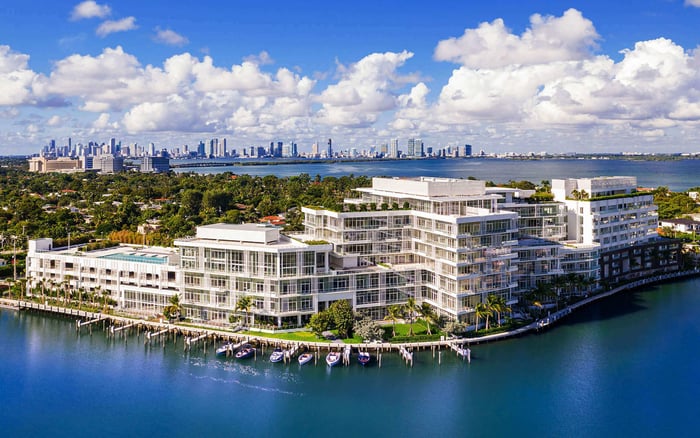
When comparing across the wider coastal market, 57 Ocean Miami Beach and The Ritz-Carlton Residences® Miami Beach may help frame how beach-adjacent luxury residences express wellness through design, service expectations, and lifestyle presentation. The key is to bring the comparison back to lived experience: what will feel better on the hundredth day, not just the first tour?
A strong wellness review should be disciplined. Start with the household’s actual routine, then test the building against it. A swimmer, a tennis player, a frequent traveler, a young family, and a remote executive will each read the same amenity plan differently. The most expensive amenity is not always the most valuable one.
Buyers should walk the sequence in their mind. Wake up, exercise, recover, take calls, host guests, receive deliveries, return from dinner, and rest. If the building supports that rhythm with grace, the wellness story is credible. If the amenities feel detached from daily life, they may be decorative.
It is also wise to distinguish between private, shared, and nearby wellness. Some buyers want everything inside the building. Others prefer a residence that feels serene, with select amenities and a broader lifestyle network around it. Neither approach is inherently superior. The right answer depends on privacy preferences, schedule, family structure, and the desired level of service.
The most compelling wellness residences are not defined by abundance. They are defined by coherence. Spa, fitness, recovery, and livability should feel like one integrated system, serving the resident quietly and consistently. In Key Biscayne, that system should respect privacy, reduce friction, and preserve the sense of retreat that draws buyers to the area in the first place.
For a South Florida luxury buyer, the proper question is simple: will this home make life feel better every week? If the answer is yes, the amenity package has moved beyond marketing and into lasting residential value.
What should buyers prioritize in Key Biscayne wellness amenities? Prioritize privacy, ease of use, and amenities that support actual daily routines rather than occasional novelty.
Is a larger spa always better? No. A smaller spa with thoughtful circulation, quiet treatment areas, and strong privacy can be more useful than a larger but exposed space.
How should fitness amenities be evaluated? Look for practical zoning, good light, ventilation, training flexibility, and comfort during the hours you are most likely to use it.
Why is recovery important in luxury residences? Recovery spaces help residents reset after work, travel, exercise, and social commitments, making wellness part of everyday life.
Should buyers compare Key Biscayne with other South Florida neighborhoods? Yes. Comparisons can clarify expectations, but the final decision should reflect the privacy and lifestyle rhythm the buyer wants.
Can livability be considered a wellness amenity? Yes. Smooth arrivals, quiet elevators, practical storage, and intuitive service access all reduce daily friction.
Do wellness amenities affect long-term enjoyment? They can, especially when the amenities are convenient enough to be used consistently rather than admired occasionally.
What questions should families ask about wellness features? Families should ask how amenities handle different schedules, guests, children, pets, privacy, and service needs.
How does a buyer avoid overpaying for unused amenities? Match the amenity package to your real habits, then give greater weight to features you will use weekly.
What is the best way to shortlist comparable options for touring? Start with location fit, delivery status, and daily lifestyle priorities, then compare stacks and elevations to validate views and privacy.
When you're ready to tour or underwrite the options, connect with MILLION.
If branded residences are on your mind — as a home or as an allocation — we would be glad to share what we are seeing, privately.
Begin a quiet conversation