An editorial buyer analysis of The Residences at Mandarin Oriental, Miami, with focus on urban waterfront positioning, branded service, convenience, privacy, and ownership trade-offs.

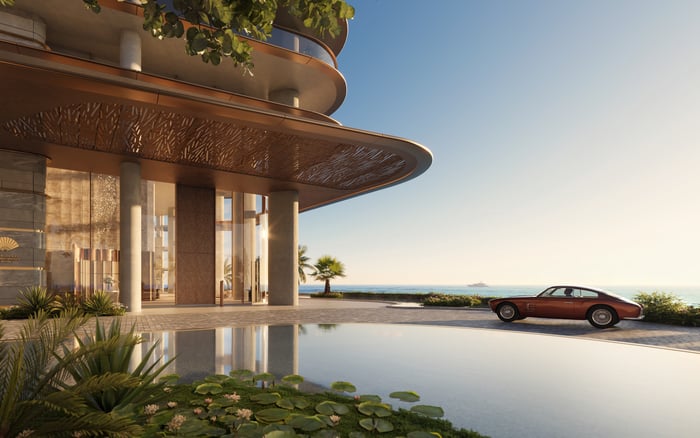
The Residences at Mandarin Oriental, Miami occupies a precise lane within South Florida luxury: branded urban waterfront ownership. Its appeal is not built on withdrawal from the city, or on replicating the detached-home privacy of a waterfront estate. It rests on a different premise: a buyer can live on the water, remain closely connected to Miami’s commercial and cultural core, and rely on the hospitality standard associated with the Mandarin Oriental name.
That distinction matters. For many buyers, The Residences at Mandarin Oriental, Miami is not competing only with other condominiums. It is also being measured against oceanfront residences, private-island addresses, and single-family homes with docks, lawns, and more direct control. The central question, then, is not simply whether the residence offers views or services. It is whether the buyer values a serviced, lock-and-leave urban life more than a quieter, more self-directed estate environment.
In that sense, The Residences at Mandarin Oriental, Miami should be read as a lifestyle thesis. It argues that proximity, brand assurance, and daily ease can be as valuable as acreage, gates, and separation.
At the top of the market, square footage is rarely the whole conversation. The sharper comparison is between service intensity, privacy, access, brand value, and control. A Mandarin Oriental-branded residence brings international recognition and the expectation of a hospitality-oriented living environment. That can be especially compelling for owners who split time between cities, travel frequently, or want their Miami residence to feel managed rather than burdensome.
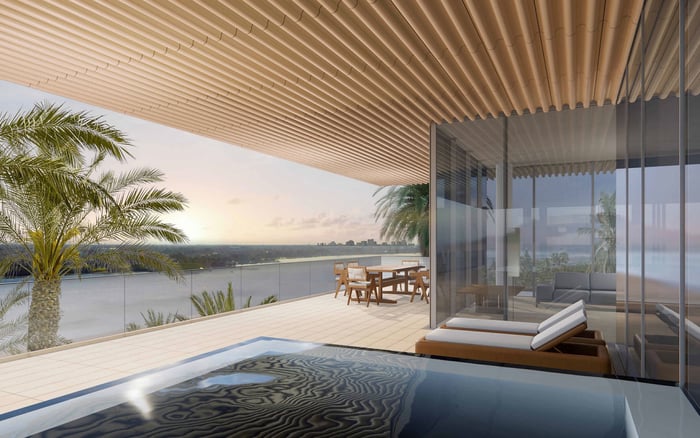
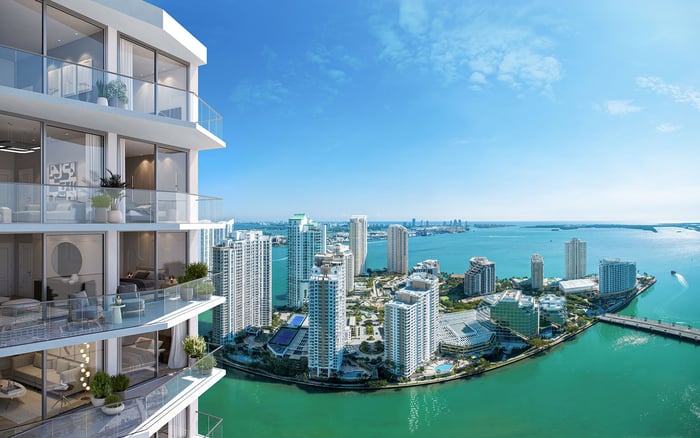
This is where the project’s water-view proposition becomes more nuanced. The waterfront is bayside and urban, not a conventional beachfront resort model. For some buyers, that is a strength. Bayside living can feel more connected to Miami’s rhythm, with the visual drama of water, skyline, movement, and proximity. For others, the absence of a traditional beach-resort frame may shift the comparison toward Miami Beach or barrier-island properties.
A buyer weighing The Ritz-Carlton Residences® Miami Beach, for example, may be considering a different expression of branded luxury, one more closely tied to a Miami Beach context. The Mandarin Oriental proposition is more urban, more downtown-adjacent in spirit, and more aligned with an owner who wants water and city access in the same daily routine.
The strongest argument for this format is convenience. An urban waterfront setting places the owner closer to Miami’s business, dining, retail, and cultural infrastructure than many secluded alternatives. For residents who value a compressed lifestyle, where work, restaurants, airport access, events, and water views can coexist, that access is not incidental. It is the point.
This is why the comparison with Brickell is so important. The area has become shorthand for vertical luxury, financial energy, and an increasingly polished residential experience. Buyers also studying St. Regis® Residences Brickell are often evaluating a similar high-service urban mindset, though each branded project expresses that mindset differently.
The trade-off is equally clear. Density is part of the bargain. A buyer gains proximity and service but accepts a more urban field of neighbors, traffic, building operations, and shared infrastructure. Those realities do not diminish the appeal, but they define it. This is not the lifestyle of a long private drive and a detached residence. It is a curated metropolitan address on the water.
Hospitality-branded residences can command premium attention because they promise more than architecture. They offer perceived service quality, brand recognition, and turnkey convenience. For the right buyer, those qualities create emotional reassurance. The residence is not only a home; it is part of a known hospitality universe, with an implied standard that travels well among international owners.
That benefit has a financial counterpart. A service-heavy model can create higher carrying-cost expectations than conventional condominiums because staffing, amenities, and brand standards are part of the value proposition. Sophisticated buyers should treat that not as a surprise, but as a core feature of the model. The question is whether the owner will use and value the service layer enough to justify the ongoing cost profile.
For a second-home buyer, the answer may be yes. Lock-and-leave ownership is one of the strongest use cases for a branded residence. The less time an owner wants to spend coordinating upkeep, arrivals, departures, and daily support, the more compelling the model becomes.
The most important counterargument is privacy. Buyers who prioritize large private outdoor areas, detached-home control, or estate-style separation may find the urban branded-residence format less aligned with their needs. Even at the highest level, condominium living involves shared systems, building rules, and a degree of collective experience.
That does not make it inferior. It makes it different. A private-island buyer considering The Residences at Six Fisher Island may be seeking a more secluded residential psychology. A buyer looking at Villa Miami may be drawn to another expression of urban waterfront design and service. The Mandarin Oriental buyer sits at the intersection of these instincts: wanting water, prestige, and support, but not necessarily the obligations of a single-family estate.
This is also where new-construction demand should be viewed carefully. New product can feel reassuring because it suggests contemporary design expectations and a fresh service platform, but it does not erase the fundamental questions. How much privacy is enough? How much service is valuable? How much control is the buyer willing to exchange for ease?
The best-fit buyer is affluent, mobile, and convenience-oriented. This owner values Miami access, waterfront views, and hotel-style support, yet does not want to manage a large single-family property. The residence may serve as a primary home, a seasonal base, or a lock-and-leave South Florida address. In each case, the buyer is choosing a managed lifestyle over a more private but more demanding one.
The less ideal buyer is someone who wants maximum land, maximum autonomy, or an estate environment where the home functions as a self-contained world. For that buyer, the service, brand, and urban waterfront location may be attractive but not decisive enough to overcome the density and shared-building realities.
The editorial takeaway is straightforward: The Residences at Mandarin Oriental, Miami is not merely a luxury condominium with a famous name. It is a statement about how certain buyers want to live in Miami now: close to the city, close to the water, and close to service, while accepting the limits that come with that convenience.
What is the core positioning of The Residences at Mandarin Oriental, Miami? It is best understood as branded urban waterfront living tied to the Mandarin Oriental hospitality name.
Is this a beachfront-resort ownership model? No. Its waterfront value proposition is bayside and urban rather than a traditional beachfront-resort model.
Who is the strongest buyer fit? The strongest fit is a buyer who wants Miami access, water views, and hotel-style convenience without managing a single-family estate.
What is the main lifestyle trade-off? Buyers trade greater privacy and detached-home control for service, proximity, brand prestige, and convenience.
Why does branding matter in this category? Hospitality branding can add perceived service quality, international recognition, and a more turnkey ownership experience.
Could carrying costs be higher than in a conventional condominium? Yes. A service-driven model can bring higher carrying-cost expectations because staffing and brand standards are part of the offering.
How should buyers compare it with oceanfront options? Oceanfront properties may offer a more beach-oriented lifestyle, while this project emphasizes urban waterfront access and service.
Is it suitable for second-home ownership? Yes, particularly for owners who value lock-and-leave convenience and a managed residential experience.
Does urban density reduce the appeal? It depends on the buyer. Density is the compromise accepted in exchange for proximity to Miami’s business, dining, retail, and cultural life.
What should buyers evaluate beyond square footage? They should evaluate service intensity, privacy, brand value, access, carrying costs, and how much control they want over daily living.
If you'd like a private walkthrough and a curated shortlist, connect with MILLION.
If branded residences are on your mind — as a home or as an allocation — we would be glad to share what we are seeing, privately.
Begin a quiet conversation