A buyer-focused look at The Residences at Mandarin Oriental, Miami, examining service, governance, fees, resale perception and the practical questions behind branded-residence ownership on Brickell Key.

For many buyers, The Residences at Mandarin Oriental, Miami begins as an emotional proposition: an ultra-luxury branded residence on Brickell Key, paired with the identity and service expectations of Mandarin Oriental. Yet the more useful ownership conversation is practical. What, exactly, is being purchased beyond a waterfront condominium? How does the brand association shape daily life, operating costs, governance and eventual resale?
The answer is not found in the name alone. In Miami’s luxury market, branded residences have become a defining category, using hospitality identities to distinguish new condominium offerings. The strongest examples are not merely logo-driven. They translate a brand promise into service standards, maintenance culture and lifestyle management that owners can feel over time. For a buyer at this level, the central question is whether the branded structure enhances the ownership experience in a durable, well-governed way.
That makes this project especially interesting. Brickell Key offers a rare island setting just off the Brickell financial district, creating a balance between privacy and proximity. The address is central to the project’s lifestyle and investment logic: a waterfront environment close to Miami’s business core, with the added dimension of Mandarin Oriental’s international hospitality recognition.
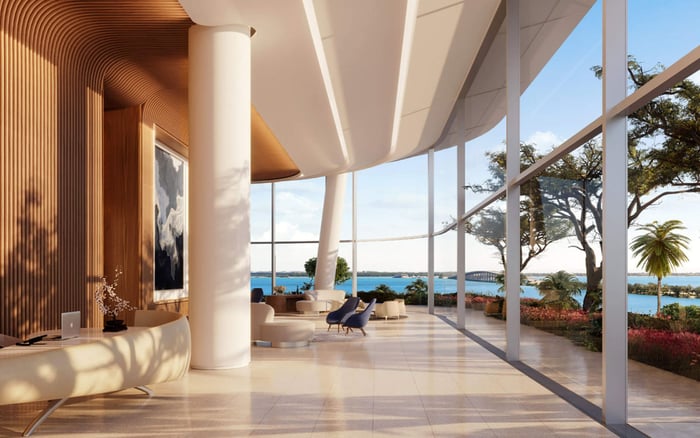
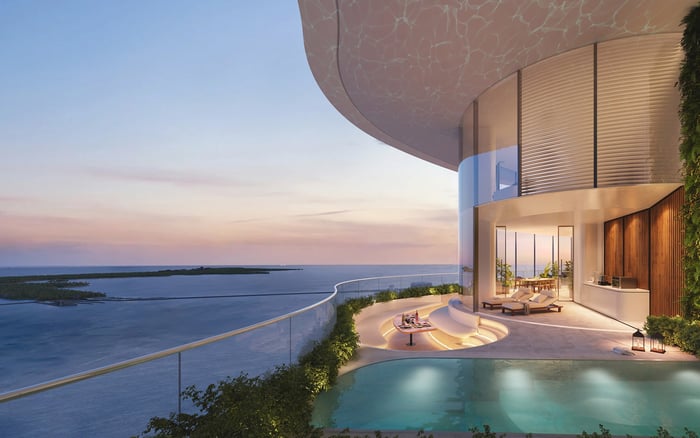
Location is the first practical filter. Brickell Key is not simply adjacent to Brickell; it has its own rhythm. The island setting gives residents a sense of separation from the mainland while keeping them near the financial district, restaurants, cultural venues and the broader downtown waterfront. That combination is one reason ultra-luxury buyers continue to focus on this pocket of Miami.
Within the Brickell ecosystem, the comparison set is broadening. Buyers considering branded or service-forward ownership may also weigh projects such as St. Regis® Residences Brickell, Baccarat Residences Brickell and Una Residences Brickell, each appealing to a different reading of urban luxury. Mandarin Oriental’s Brickell Key proposition is distinct because the setting itself is more self-contained, and the ownership narrative is closely tied to waterfront living with a hospitality-grade service identity.
For end users, that can mean a quieter daily experience without leaving the city. For second-home owners, the appeal is different: the residence may feel easier to return to, easier to manage and more aligned with a global standard of luxury living. For investors focused on long-term positioning, the question is classic: whether the combination of Brickell Key, waterfront scarcity and brand association can help preserve desirability through future market cycles.
A branded residence is not valuable simply because buyers recognize the name. Its real worth depends on how the brand affects the lived experience. In this case, the ownership proposition combines high-end waterfront condominium living with Mandarin Oriental’s brand identity and service standards. Buyers are not only evaluating architecture or views. They are evaluating the expectation of hotel-style service, brand oversight and curated lifestyle management.
That expectation should be tested carefully. What services are included in the association structure? Which are optional? Which are provided directly, and which may be coordinated through third parties? How are standards monitored? How much discretion does the condominium association have, and where does the brand agreement control the operating model?
The practical distinction matters. Marketing language can create desire, but condominium documents, budgets, management agreements and service protocols define enforceable reality. A buyer should understand whether the Mandarin Oriental association is primarily reputational, operational or both. The best ownership experience occurs when those pieces are aligned: the physical real estate supports the service model, the service model is funded correctly, and the governance documents make responsibilities clear.
The most overlooked part of branded ownership is often the cost side. Hotel-style service and elevated maintenance standards may enhance the resident experience, but they can also influence association fees, service charges and brand-related operating obligations. None of this is inherently negative. Ultra-luxury owners often prefer paying for consistency, discretion and convenience. The issue is transparency.
Prospective owners should examine the association budget, reserve philosophy, staffing assumptions and any brand-related obligations before making a commitment. They should ask how services are funded, how costs may change, and whether any hospitality-style components interact with residential operations. If the project includes service layers that resemble hotel operations, the buyer should understand how those layers are governed and billed.
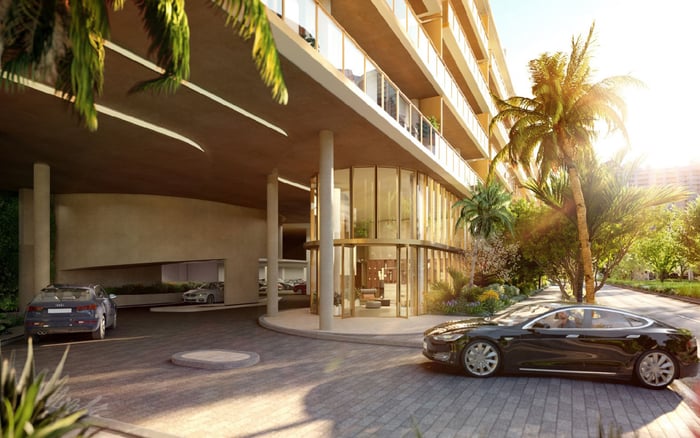
This is where luxury buyers benefit from separating prestige from paperwork. A polished arrival sequence is meaningful, but so is the structure behind it. Who manages the resident experience? What happens if service expectations are not met? How are vendors selected? What rights do owners have if brand standards evolve? The answers may shape ownership satisfaction as much as the views.
The branded-residence label can influence how a property is perceived in the resale market, but it should not be treated as a guaranteed premium. Brand association may widen the buyer pool among internationally minded purchasers who already understand Mandarin Oriental as a luxury hospitality name. It may also help differentiate the property from non-branded condominiums nearby. Still, liquidity will depend on the total package: location, residence quality, building operations, fees, market timing and the continuing strength of the brand relationship.
Financing should also be reviewed early. Lenders and private banks may look closely at condominium governance, insurance, reserves, ownership concentration and any hospitality-related structures. A buyer using financing should not assume that brand recognition alone simplifies underwriting. The documents matter.
For resale, the more sophisticated view is that a brand can support value when it remains credible in practice. If residents experience consistent service, well-maintained common areas and disciplined operations, the brand promise has substance. If operating costs become difficult to explain, or if services feel uneven, the marketing premium can narrow. In this sense, branded ownership is a long-term performance test.
South Florida offers other useful reference points for this thinking. A buyer studying Mandarin Oriental in Miami may also look at The Residences at Mandarin Oriental Boca Raton to understand how the same hospitality identity can sit within a different market context. The comparison is less about copying assumptions and more about seeing how brand, location and resident expectations interact.
The ideal buyer for The Residences at Mandarin Oriental, Miami is not simply someone who wants a trophy address. It is someone who values a managed lifestyle, international brand recognition and the possibility of a more effortless ownership experience. This buyer likely cares about service consistency, privacy, convenience and the ability to arrive in Miami with fewer operational concerns.
The less suitable buyer is one who wants the lowest possible carrying cost or a purely unbranded condominium experience. Branded residences typically require a more nuanced acceptance of ongoing expense, because the service layer is part of the asset’s identity. The point is not to avoid higher costs, but to determine whether those costs support real value.
A careful buyer should focus on seven questions before proceeding: service model, governance, fees, financing, liquidity, resale premium and long-term capital-growth risk. Each question is practical. Each can affect ownership enjoyment. And each matters more than a brochure’s most elegant promise.
What is The Residences at Mandarin Oriental, Miami? It is an ultra-luxury branded-residence project associated with the Mandarin Oriental hospitality brand on Brickell Key.
Why does the Brickell Key location matter? Brickell Key offers a waterfront island setting just off Miami’s Brickell financial district, combining privacy with urban access.
What makes branded ownership different from a standard condominium? The buyer is evaluating both the physical residence and the ongoing value of the brand association, including service expectations and operating standards.
Should buyers expect higher carrying costs? Buyers should closely examine association fees, service charges and brand-related operating obligations before committing.
Does the Mandarin Oriental name guarantee resale value? No. The brand may support perception, but resale depends on execution, costs, location, market conditions and buyer demand.
What documents should a buyer review carefully? Condominium documents, association budgets, management agreements and any brand-related service obligations should be reviewed in detail.
Is this primarily an end-user or investment purchase? It can appeal to both, but the strongest case is for buyers who value service, waterfront living and long-term brand positioning.
How should buyers think about hotel-style services? They should identify which services are included, which are optional and how residential operations interact with hospitality-style components.
What is the biggest practical risk? The main risk is paying for a brand promise that is not fully reflected in service delivery, governance or long-term operating discipline.
Who is the best fit for this project? The best fit is a buyer who values discretion, service, Brickell proximity and an internationally recognized luxury hospitality identity.
For a discreet conversation and a curated building-by-building shortlist, connect with MILLION.
If branded residences are on your mind — as a home or as an allocation — we would be glad to share what we are seeing, privately.
Begin a quiet conversation