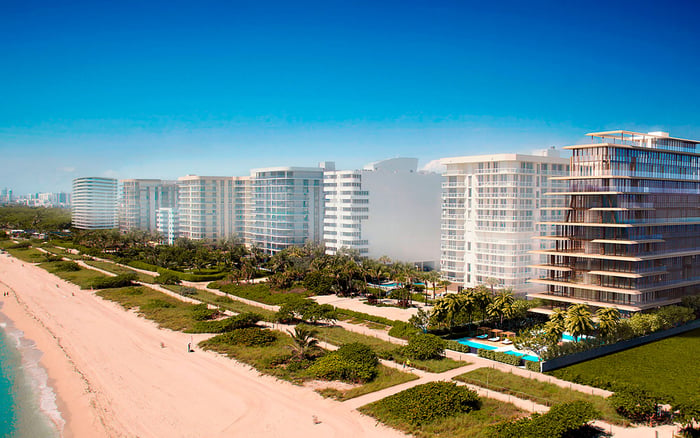
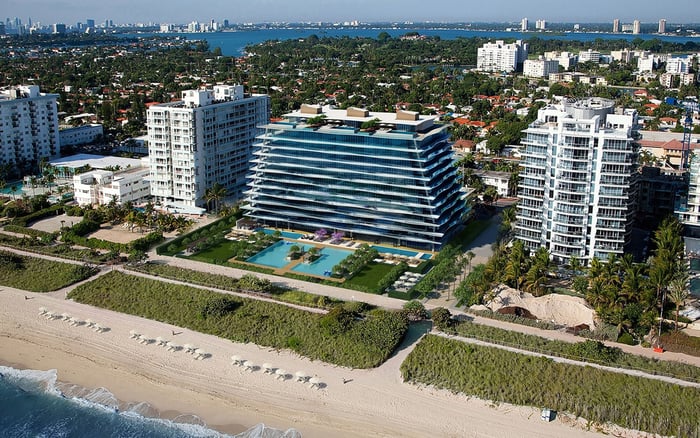
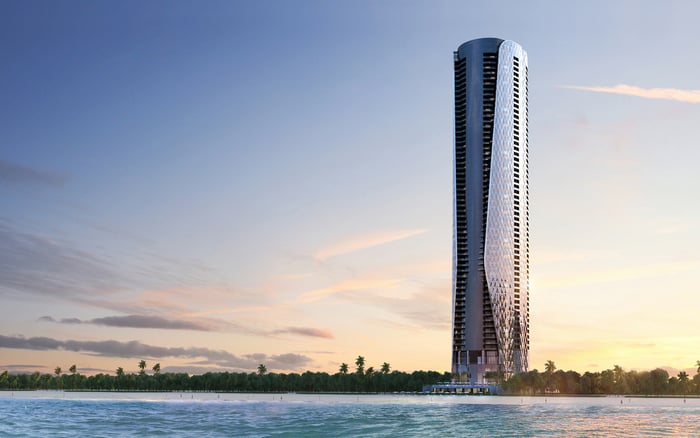
A buyer-focused comparison of Turnberry Ocean Club Sunny Isles and Arte Surfside, examining how private-club atmosphere, boutique scale, restaurant adjacency, and controlled social energy can shape daily life on the oceanfront.
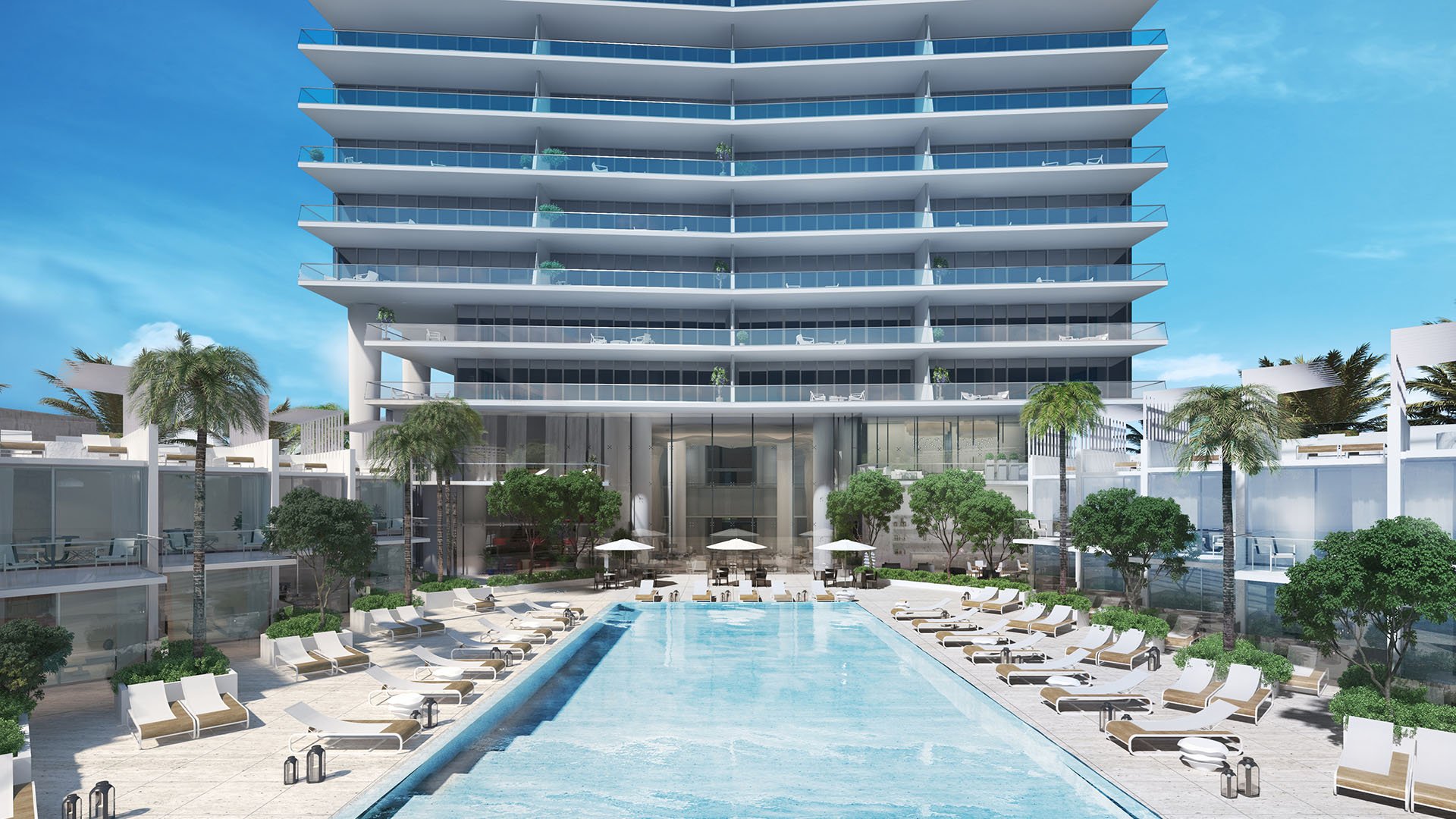
In South Florida luxury real estate, restaurant proximity is often treated as a simple matter of distance. How close is the preferred table? How easy is the arrival sequence? How late does the surrounding area stay awake? For buyers comparing Turnberry Ocean Club Sunny Isles and Arte Surfside, the more useful question is subtler: how does each building encourage residents to live?
Turnberry Ocean Club is commonly understood through the lens of a more internally animated residential experience in Sunny Isles Beach. Arte Surfside, by contrast, is often read through boutique scale, design focus, and a quieter Surfside setting. That contrast shapes what buyers may feel after closing: when they leave the property for dinner, how often they encounter neighbors, how common areas sound, and whether the building functions as a destination unto itself or as a refined private base beside a more village-like environment.
The point is not to declare one model superior. It is to match the building culture to the buyer’s daily rituals.
Turnberry Ocean Club Sunny Isles belongs to a category of residences where the building experience is meant to carry more of the lifestyle burden. In that model, common spaces, service expectations, leisure routines, and resident interaction are part of the property’s identity rather than incidental extras.
For a buyer, this changes the meaning of restaurant proximity. The question is not simply whether a public restaurant is steps away. It is whether the resident wants to rely on the surrounding area for daily social life at all. At Turnberry Ocean Club, the appeal leans toward self-containment: a residential environment where the day can feel organized around the building’s own rhythm.
This creates a controlled form of social energy. The building may feel active, but the activity is filtered through residential access and resident expectations. Rather than reading as street-level buzz, the lifestyle is concentrated within the private setting of the tower. For some buyers, that is the appeal: the energy of a club-like environment, the convenience of a resort-style mindset, and the privacy of a residential address.
Arte Surfside offers a different expression of luxury. Its boutique identity is central to the way many buyers understand it. A smaller-scale building culture can mean fewer resident encounters, calmer common areas, and a more privacy-oriented atmosphere.
That does not make Arte disconnected from its setting. Its Surfside context gives it a neighborhood-adjacent character, allowing residents to enjoy nearby dining and everyday texture without requiring the building itself to behave like a social hub. In practice, this supports a more selective pattern of living. A resident may entertain privately, step into the neighborhood, or keep the day entirely residential, depending on preference.
Arte’s culture is therefore not about replacing the surrounding area. It is about filtering it. The building can provide a quieter home base while Surfside supplies an external layer of dining and local rhythm. For buyers who want a calm residence with neighborhood connection nearby, that balance can be compelling.
Luxury buyers often ask which building is closer to better restaurants. In this comparison, that framing is incomplete. A self-contained residential tower and a boutique neighborhood-adjacent residence use restaurant proximity differently.
At Turnberry Ocean Club, in-building lifestyle culture can reduce the need for frequent off-property socializing. Nearby restaurants may still matter for variety, guests, and special evenings, but the building’s identity is oriented toward satisfying many daily rituals within the residential environment.
At Arte Surfside, restaurant proximity carries a different weight. The building does not need to become a public-facing dining destination. Instead, its quieter residential character can coexist with nearby neighborhood options. Residents may value the ability to step into Surfside’s dining environment while returning to a building that remains calm and private.
The distinction is practical. One buyer may prefer not to leave the tower unless choosing to do so. Another may prefer a boutique residence that preserves quiet at home while keeping the surrounding neighborhood within reach. Both are luxury positions, but they serve different temperaments.
Noise in a luxury condominium is not only about construction systems. It is also about density, programming, access, and the way people gather. No responsible buyer should rely on broad claims about exact acoustic performance unless specific technical data is available. What can be assessed from the culture of each building is how social activity is organized.
Turnberry Ocean Club’s more internally animated model channels resident activity into controlled residential spaces. That can help separate social energy from the private residence experience when a building is well managed and residents understand the rhythm of the property. The key is not to assume silence, but to understand how activity is housed and managed.
Arte Surfside approaches quiet from a different angle. Its boutique posture naturally suggests fewer interactions and less circulation than a larger resort-style tower. The building’s strongest noise-management cue is not a claim about measured decibels, but its low-density culture. Fewer homes, more selective common-area use, and a retreat-like atmosphere can create a calmer daily environment.
For buyers, this means touring with the ear as much as the eye. Visit at different hours if possible. Observe elevator activity, common-area circulation, lobby rhythm, and how arrivals are handled. The sound of luxury is often operational.
The most revealing contrast is social energy. Turnberry Ocean Club creates the possibility of a vertical private society. Buyers who want wellness, leisure, and social contact inside the same residential world may find that culture efficient and reassuring. It can suit owners who entertain selectively, split time between markets, or prefer the predictability of a fully serviced building environment.
Arte Surfside offers a more restrained social contract. Its appeal lies in privacy, design, and the option of neighborhood spillover. Social contact is likely to feel more curated because boutique scale limits volume by nature. The home reads less like a club and more like a private coastal address with a refined community around it.
Neither model is inherently superior. The right choice depends on whether a buyer wants residential life to be internally animated or externally complemented. Sunny Isles buyers may prioritize resort-like convenience and private-club energy. Surfside buyers may place greater value on scale, discretion, and the feeling of retreat.
For a primary resident, the Turnberry Ocean Club model can be powerful if daily life is meant to happen largely inside the building. Morning routines, afternoon leisure, and evening social encounters can remain within a controlled residential setting. That can simplify life and make the tower feel like a complete private environment.
For a buyer drawn to Arte Surfside, the priority is often atmosphere. The building’s boutique identity, quiet exclusivity, and neighborhood adjacency support a lifestyle that feels less programmed. It is a residence for owners who want the oceanfront setting without the sensation of living inside a constantly activated amenity machine.
The smart comparison is not louder versus quieter, or closer versus farther. It is internalized social energy versus selective social energy. Turnberry Ocean Club leans toward the former. Arte Surfside leans toward the latter. In the upper tier of South Florida real estate, that cultural distinction may matter more than any single restaurant reservation.
Is Turnberry Ocean Club more of a private-club residential model? Yes. In this comparison, it is best understood as the more internally animated, club-like residential environment.
Is Arte Surfside considered a boutique condominium? Yes. Arte Surfside is positioned here as the more boutique, design-led Surfside option with a quieter residential rhythm.
Which building is better for buyers who want more in-building activity? Turnberry Ocean Club is the stronger fit for buyers seeking a more self-contained and socially active building culture.
Which building is better for buyers who value quieter scale? Arte Surfside is better aligned with buyers who prioritize boutique privacy, fewer interactions, and a retreat-like atmosphere.
Can either building be described by specific public restaurant claims? Not here. Without verified project-specific restaurant details, the safer comparison is building culture and restaurant adjacency rather than named dining venues.
Does restaurant proximity matter more at Arte Surfside? It can. Arte’s neighborhood-adjacent culture makes nearby dining part of the lifestyle without requiring the building itself to become a social hub.
Does Turnberry Ocean Club reduce the need to leave for social life? For buyers who enjoy an internally serviced residential environment, it may. The building culture is better suited to keeping more daily rituals within the property.
Can noise levels be compared using exact decibel claims? No. Without verified technical data, buyers should focus on density, circulation, access control, common-area activity, and building culture.
Why does boutique scale matter for daily living? Boutique scale can support fewer casual encounters, calmer common areas, and a more privacy-oriented rhythm.
How can buyers vet social-media claims about a luxury listing? Cross-check permits, condo documents, and verified sales records, then tour comparable units for real-world context.
For a discreet conversation and a curated building-by-building shortlist, connect with MILLION.
If branded residences are on your mind — as a home or as an allocation — we would be glad to share what we are seeing, privately.
Begin a quiet conversation