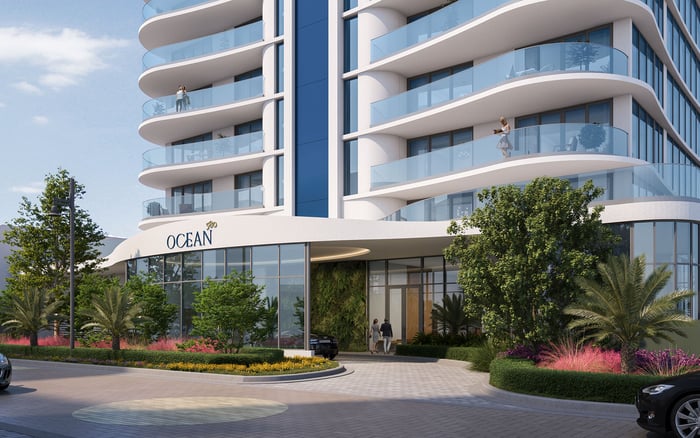
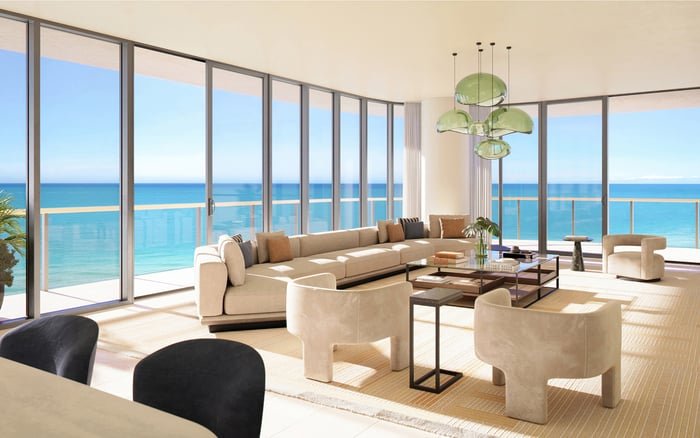
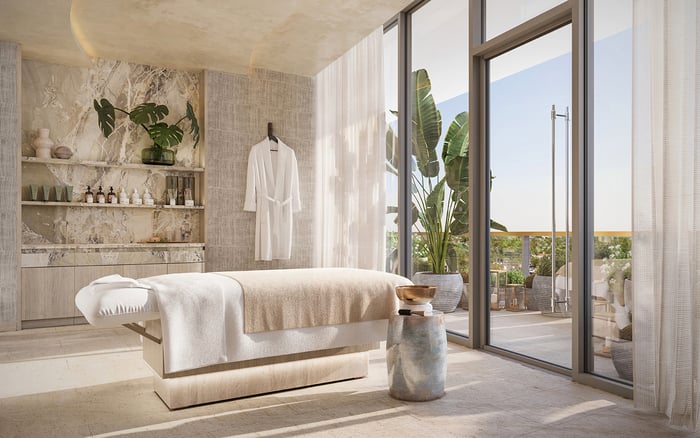
A practical guide for year-round luxury buyers weighing branded urban living, beach access expectations, wind exposure, balcony usability, and peak-season service realities in Miami.
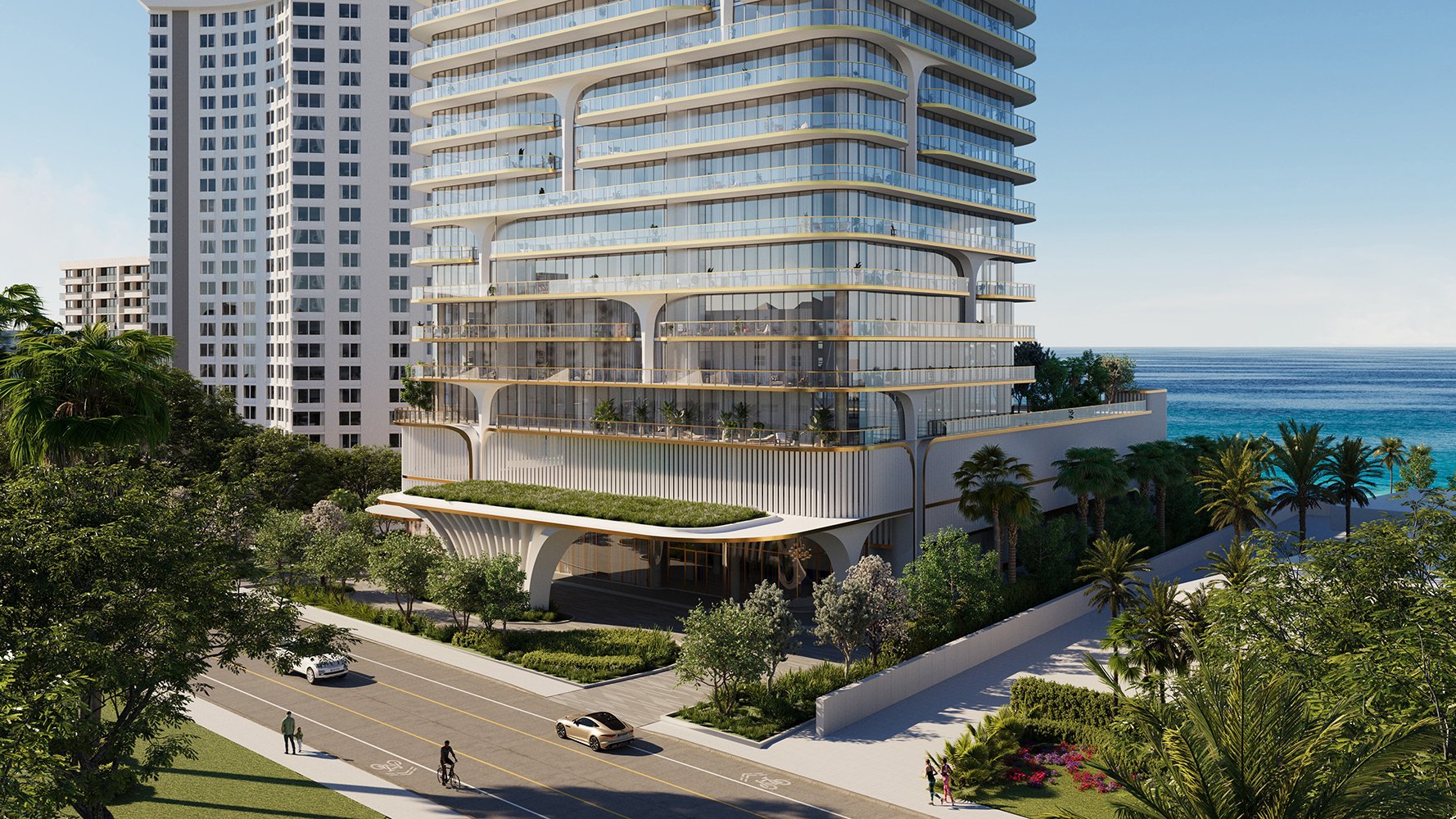
The most sophisticated South Florida buyers are no longer evaluating branded residences only by arrival sequence, lobby finish, or nameplate. For full-time owners, the more revealing questions are quieter: how often the beach will actually be used, how a tower feels in seasonal wind, and what happens to daily routines when Miami is at its most crowded.
That lens is especially useful when comparing Kempinski Residences Miami Design District with Waldorf Astoria Residences Downtown Miami. Both belong to the broader conversation around branded, service-led ownership in mainland Miami rather than the traditional walk-out-to-the-sand condominium model. The appeal is not simply a private residence. It is an urban life organized around hospitality, convenience, amenities, and proximity to restaurants, culture, offices, and the city’s social calendar.
Elsewhere in South Florida, a project such as Waldorf Astoria Residences Pompano Beach illustrates the same due-diligence point from a different coastal context: location changes how beach access, wind, and everyday service should be weighed. For Waldorf Astoria Residences Downtown Miami, the ownership proposition is distinctly Downtown. Buyers should evaluate it as an urban-core branded residential project, not as a beachfront tower. The tradeoff is clear: more immediate access to city energy and branded services, less immediate access to the sand.
Beach access matters most when tested against real habits. A buyer who imagines sunrise walks on the sand several mornings a week should be honest about the difference between living on the beach and living within reach of it. From Downtown Miami, beach days generally depend on driving, private transportation, or arranged movement to Miami Beach or nearby barrier-island beaches. That can be entirely workable for many owners, but it is not the same as stepping from an elevator onto an oceanfront path.
For a full-time owner at Waldorf Astoria Residences Downtown Miami, the right question is not whether the beach is part of the lifestyle. It is how frictionless that access feels on Saturdays, holiday weekends, during major events, and throughout peak visitor periods. A residence can be exceptional and still require planning for beach use.
This is where lifestyle self-knowledge becomes valuable. If the beach is occasional, the Downtown proposition may feel stronger because restaurants, cultural venues, office access, and city amenities are part of the daily fabric. If beach immediacy is non-negotiable, Miami Beach addresses such as 57 Ocean Miami Beach or The Perigon Miami Beach belong in the comparison set, not as substitutes, but as a different ownership philosophy.
High floors create drama, privacy, light, and views, but they also change how a home behaves in weather. In a Downtown Miami tower, wind can affect the practical use of outdoor spaces, the perceived comfort of terraces, and the rhythm of opening doors during unsettled conditions. Balcony size and orientation matter, but so do house rules, storm procedures, glazing systems, and the building’s communication protocols.
For full-time residents, wind and storm exposure are not theoretical due diligence items reserved for closing binders. They are lived realities across seasons. Owners should ask how the building manages storm preparation, what residents are expected to secure, how elevators and valet operations are handled during severe weather, and whether certain outdoor amenities close earlier than expected when conditions change.
The same discipline applies when touring or reviewing any new-construction branded project. The view may be spectacular, but a buyer should test the home as a year-round instrument: morning light, afternoon heat, prevailing wind, sound transfer, terrace usability, and the ease of moving between private residence and shared amenities.
Peak season in Miami can be glamorous, but for residents it is also logistical. Restaurants fill, cultural venues draw visitors, streets slow, and the valet stand becomes more important than the marble in the lobby. This is particularly relevant in Downtown, where tourism, events, workday congestion, and nightlife can overlap.
For year-round owners at Waldorf Astoria Residences Downtown Miami, the quality of the residential experience will depend heavily on operations during high-demand periods. Elevator timing, valet depth, staffing levels, amenity reservations, guest management, package handling, and security presence may matter as much as design. A branded residence can promise a hospitality-style atmosphere, but full-time buyers should examine how that promise functions when the building and surrounding district are under pressure.
The broader Downtown market, including Aston Martin Residences Downtown Miami, rewards the same scrutiny. In vertical urban luxury, service is not an accessory. It is part of the architecture of daily life.
The most useful pre-purchase conversations are practical and specific. How does the residence handle guest arrivals during major weekends? What is the expected protocol for high wind? Are amenity areas available by reservation, on a first-come basis, or both? How does the building communicate operational changes to residents? How long does it typically take to reach the beach during the periods when an owner is most likely to go?
For Kempinski Residences Miami Design District, buyers should verify project-specific beach transportation, owner services, terrace rules, parking operations, and storm procedures directly as part of their due diligence. For Waldorf Astoria Residences Downtown Miami, the larger framework is already clear enough to shape the conversation: Downtown convenience and branded service sit at the center, while direct beachfront living does not.
This does not make one model superior. It makes them different. The best choice depends on whether a buyer wants Miami as a city to inhabit every day, a coastline to access at will, or a carefully balanced version of both.
Is Waldorf Astoria Residences Downtown Miami a beachfront condominium? No. It is positioned as a Downtown Miami branded residential project rather than a traditional walk-out-to-the-sand oceanfront condo.
How should full-time owners think about beach access from Downtown Miami? Beach trips typically require driving or arranged transportation to Miami Beach or nearby barrier-island beaches, so timing and traffic matter.
Does Downtown living offer advantages over immediate beachfront living? Yes. The core advantage is proximity to urban amenities, restaurants, cultural venues, and branded residential services.
Why is wind exposure important for high-rise buyers? Full-time residents experience seasonal storms and windy days repeatedly, making orientation, terrace usability, and storm protocols important.
Should buyers test balcony comfort before purchasing? Yes. Balcony usability can vary by height, exposure, weather, and building rules, especially in high-rise urban settings.
What peak-season issues should owners evaluate? Valet flow, elevator wait times, amenity access, staffing depth, and nearby traffic can all shape daily comfort.
Is branded service enough to offset the lack of direct sand access? For many buyers, yes, if urban convenience and hospitality-style living are the daily priorities. Beach-focused owners may feel differently.
How should Kempinski buyers approach the beach-access question? They should verify the project’s specific owner services, transportation options, and practical beach routine before relying on assumptions.
Why compare Downtown and Miami Beach projects together? They represent different luxury lifestyles, so the comparison helps clarify whether the buyer values city immediacy or beach immediacy more.
What is the main takeaway for full-time owners? Judge the residence by weekday routines, seasonal weather, and peak-demand operations, not only by brand prestige or presentation.
When you're ready to tour or underwrite the options, connect with MILLION.
If branded residences are on your mind — as a home or as an allocation — we would be glad to share what we are seeing, privately.
Begin a quiet conversation