A buyer-oriented guide to evaluating private-driver arrival sequences, valet choreography, lobby handoff and resale versus new-construction presentation in South Florida luxury condos.

For many South Florida buyers, the most revealing moment in a condominium tour happens before the elevator opens. It begins at the curb, the porte cochere, the valet stand, the security podium, the luggage handoff and the walk from car to lobby. Private-driver staging is not simply a convenience. It is the choreography that determines whether a residence feels composed, discreet and effortless in daily life.
That standard applies across both new-construction and resale opportunities. A newly delivered or pre-delivery building can present a polished vision of arrival, often with fresh design language and a controlled sales experience. A resale building, by contrast, allows a buyer to observe the rhythm already in motion: how staff recognizes residents, where cars wait, how guests are handled, and whether peak-hour movement feels gracious or strained.
For buyers comparing Brickell, Miami Beach, Sunny Isles and quieter waterfront enclaves, private-driver staging should be evaluated as part of the property’s functional luxury. It is not only about being driven. It is about preserving time, privacy and calm.
New construction can be compelling because the arrival experience is conceived as part of the broader architectural story. In a sales presentation, the curb sequence may appear seamless: generous drop-off, layered landscaping, discreet entries, attentive staff and a lobby that immediately signals quality. The buyer’s task is to distinguish design intent from operational certainty.
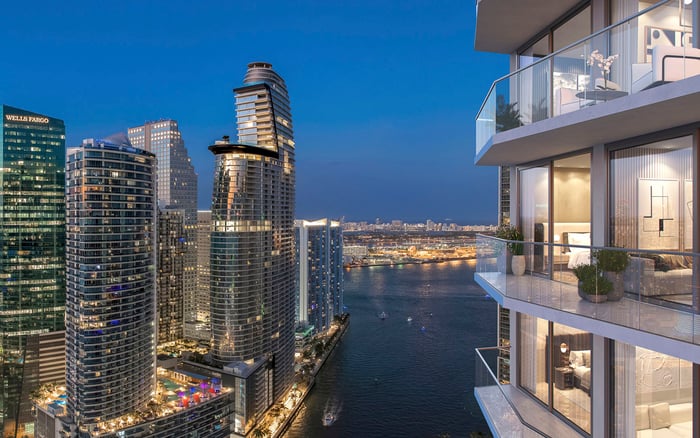
When considering a project such as The Residences at 1428 Brickell, ask how the arrival sequence will function at different times of day. A private driver may need a place to pause without blocking valet circulation. Guests may need intuitive direction without exposing resident movement. Deliveries, luggage, pets and service providers must have their own logic so the front door remains composed.
With a branded address like 888 Brickell by Dolce & Gabbana, buyers will naturally focus on visual refinement. The sharper question is whether the experience can remain elegant when several residents, visitors and vehicles arrive at once. Luxury is not only what appears in a rendering. It is what still works when the building is fully lived in.
Resale buildings offer a different advantage: the private-driver experience can be observed rather than imagined. A buyer can arrive during a weekday morning, a Friday evening or a weekend dinner hour and see whether the staff, driveway and lobby operate with confidence.
In a strong resale condominium, the building has already developed its service culture. The valet team understands resident patterns. Security knows how to welcome guests without overexplaining. The lobby feels attended but not theatrical. These details are difficult to fake because they depend on training, staffing continuity and resident expectations.
Buyers should also look for friction. Does the driver have to circle repeatedly? Is the entrance shared awkwardly with delivery activity? Are visitors unsure where to stand? Does the lobby become congested when luggage carts, pets and guests converge? A single tour at a quiet hour can conceal these issues, so timing matters.
A useful comparison begins with four questions: Where does the car stop, where does the person wait, where does the staff intervene, and where does privacy begin?
First, study the stopping point. The best arrival sequences allow a vehicle to pause naturally without creating anxiety for the driver or pressure for the passenger. The resident should not feel rushed, especially when luggage, children, formalwear or elderly family members are involved.
Second, identify the waiting position. A private driver may need a clear area to idle briefly, receive direction or return at an agreed time. If there is no place for that, the burden shifts back to the resident.
Third, watch the staff handoff. Service should be present but never performative. The ideal exchange is efficient, quiet and anticipatory.
Fourth, mark the privacy threshold. The moment from vehicle door to elevator should feel protected. In buildings where the front door is also a social stage, this threshold becomes especially important.
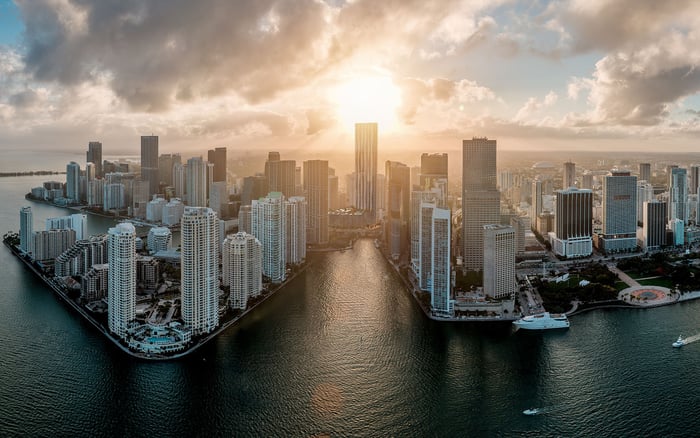
Private-driver staging is not judged the same way in every market. In Brickell, the issue is often urban precision. Traffic, restaurant peaks and business-hour movement make timing and curb discipline important. A building that can keep arrivals calm in this environment offers a meaningful daily advantage.
On the beach, the rhythm changes. For a residence such as The Perigon Miami Beach, a buyer may be thinking about dinner arrivals, beach returns, guests with luggage and seasonal family use. Beach-access and hospitality-adjacent expectations can heighten the need for a refined handoff between car, lobby and residence.
In Sunny Isles, vertical luxury and waterfront living often place emphasis on privacy, secure arrival and a clear transition from vehicle to elevator. When touring Bentley Residences Sunny Isles, the private-driver question should be framed around daily repetition: how natural does the sequence feel when it is used not once, but several times a day?
Certain clues reveal whether private-driver staging has been treated as a core amenity. Look for sightlines that shield residents from the street. Notice whether the porte cochere feels intuitive. Observe whether the lobby desk can see and respond to arrivals without creating security theater. Ask how guest authorization is handled, how luggage is moved, and whether the building separates resident flow from service flow.
A terrace, balcony or panoramic view may sell the emotional promise of a residence, but arrival sells the lived promise. The two should feel aligned. A grand home accessed through a chaotic driveway loses some of its authority. Conversely, a quieter building with disciplined staff and a graceful entrance can feel more luxurious than its photography suggests.
Buyers should avoid comparing only finishes, brand names or lobby scale. A private-driver experience is a sequence, not a snapshot. Ask to arrive as you normally would. If you use a chauffeur, black car, family driver or security driver, test the route with that reality in mind.
During a new-construction presentation, request clarity on intended operations: valet protocol, guest drop-off, package and luggage movement, resident entry, and peak-hour planning. During a resale tour, simply watch. The building will usually reveal itself within minutes.
The most valuable private-driver staging is quiet. It does not announce itself as an amenity because it has become part of the building’s manners. For discerning buyers, that is precisely the point.
What is private-driver staging in a luxury condo? It is the planned sequence for chauffeur, valet or private-car arrival, including drop-off, waiting, staff handoff, lobby access and privacy.
Is private-driver staging more important in new construction or resale? It matters in both. New construction requires scrutiny of the proposed plan, while resale allows buyers to observe the system already operating.
What should I watch during a resale tour? Watch how cars pause, how staff greet residents, how guests are directed and whether the entrance feels calm during active hours.
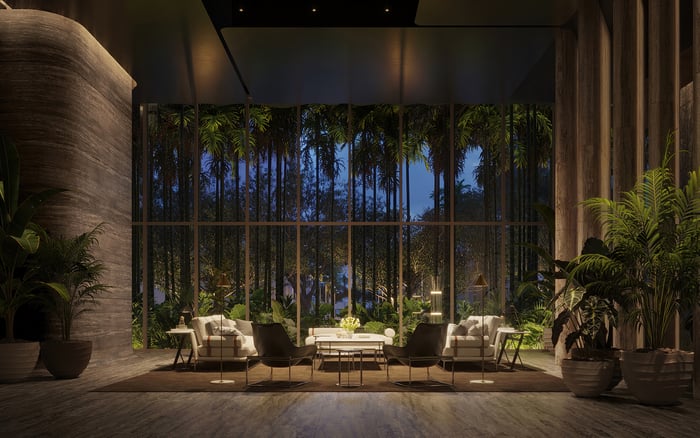
Can a beautiful lobby compensate for weak arrival logistics? Not fully. If the driveway, valet sequence or guest flow feels strained, the residence may feel less effortless in daily use.
Should I tour at a specific time of day? Yes. Morning, evening and weekend arrivals can reveal different pressure points in traffic, staffing and resident flow.
How does Brickell affect private-driver staging? Brickell rewards precision because urban traffic and dense arrival patterns can quickly expose weak curb planning.
How does Miami Beach change the evaluation? Miami Beach often adds guest, beach, dining and seasonal patterns, so luggage movement and lobby privacy become especially important.
What role does staff training play? Staff training is central. The best physical arrival plan can feel ordinary if the handoff is slow, uncertain or overly visible.
Should private-driver staging influence value? For buyers who rely on drivers frequently, it can influence daily satisfaction and the perception of true service quality.
What is the simplest comparison rule? Follow the full path from car door to residence door and judge whether every step feels calm, private and intuitive.
For a tailored shortlist and next-step guidance, connect with MILLION.
If branded residences are on your mind — as a home or as an allocation — we would be glad to share what we are seeing, privately.
Begin a quiet conversation