
A buyer-focused look at how building culture, brand operations, seasonal traffic, and setting shape wellness living at Kempinski Residences Miami Design District and St. Regis® Residences Sunny Isles.
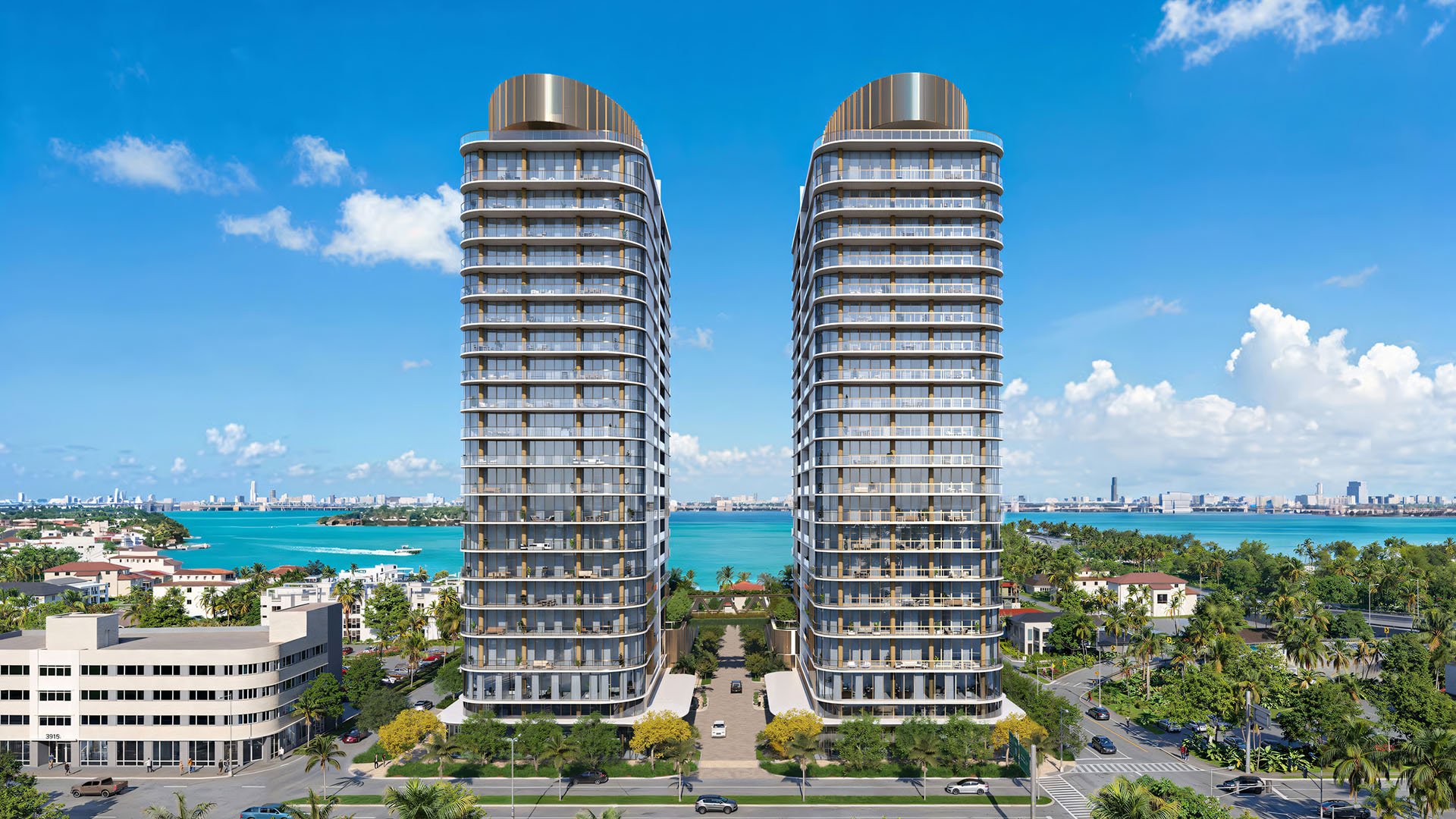
At the upper end of South Florida real estate, wellness is no longer defined by a treatment room, a gym, and a cold plunge. It is a daily operating system. The most discerning buyers are asking a more exacting question: does the building’s culture make wellness feel effortless, or does it turn the spa into another appointment to manage?
That distinction matters in any comparison between Kempinski Residences Miami Design District and St. Regis® Residences Sunny Isles. One belongs to the Miami Design District conversation, where wellness can be shaped by urban routine, restaurants, galleries, shopping, and short bursts of neighborhood movement. The other sits in a Sunny Isles context, where the luxury proposition is more resort-oriented, more oceanfront in feel, and more tied to seasonal use.
For ultra-prime buyers, the issue is not which building sounds more impressive in a sales presentation. It is which building will feel better on a Tuesday morning in February, after a long flight, during peak season, when the spa is busy, the elevators are active, and residents expect service to feel polished without becoming theatrical.
St. Regis® Residences Sunny Isles is best understood as a branded ultra-luxury residential product rather than a conventional condominium. That brand context is not decorative. It shapes expectations around service rituals, amenity presentation, staff responsiveness, arrival experience, and the way residents imagine daily life inside the property.
In a branded environment, wellness is often experienced as a sequence. Arrival, greeting, scheduling, treatment, recovery, poolside transition, and return to the residence all become part of the value. The buyer is not simply purchasing access to a spa. The buyer is purchasing the promise that the spa, the lobby, the residence, and the service culture will feel coordinated.
This is where brand becomes both an advantage and a test. A strong hospitality identity can make wellness feel elevated and consistent. It can also create a livelier atmosphere, especially when residents, guests, and seasonal owners converge during high-demand periods. For buyers who enjoy social energy, destination-style wellness programming, and a resort cadence, that may be precisely the point. For those who want near-silent residential privacy, it requires closer scrutiny.
Sunny Isles has a natural resort logic. The beach, the horizon, and the long-stay seasonal pattern create a wellness life built around mornings, sun, water, recovery, and entertaining. In this setting, St. Regis® Residences Sunny Isles speaks to buyers who want branded polish and a destination atmosphere, particularly second-home, pied-à-terre, and seasonal-use owners.
The Miami Design District suggests a different wellness psychology. Rather than retreating from the city, the buyer may want the city curated around them. A wellness routine can be built around walkable culture, dining, art, appointments, design retail, and private residential amenities that counterbalance urban stimulation. In that sense, the comparison is less beach versus city than resort immersion versus neighborhood integration.
A buyer also weighing St. Regis® Residences Brickell will see how location changes the meaning of a branded residence. Brickell tends to introduce a more business-oriented urban rhythm, while Sunny Isles leans toward leisure, longer stays, and oceanfront reset. The brand may be familiar, but the daily tempo is different.
Spa traffic is not a minor operational detail. It is one of the clearest signs of how a building will live once the residences are occupied. A beautiful wellness floor can feel serene at 11 a.m. in September and crowded at 9 a.m. during winter season. The practical buyer asks how many people will use the spaces, when they will use them, and how smoothly the building manages demand.
At St. Regis® Residences Sunny Isles, the resort-style wellness lens suggests that traffic may be more seasonal and peak-driven than at a quieter residential-first property. That does not diminish the appeal. It changes the due diligence. Buyers should think beyond the treatment menu and ask about booking friction, preferred time slots, guest policies, elevator movement, locker room pressure, and whether the wellness areas are likely to feel restorative during the exact months they plan to be in residence.
The same buyer might compare the wellness conversation with properties such as The Well Bay Harbor Islands, where the name itself places wellness at the center of the residential identity, or 57 Ocean Miami Beach, where ocean proximity shapes the lifestyle conversation differently. These comparisons are useful not as a checklist race, but as a way to understand whether wellness is programmed as a social amenity, a private retreat, or a whole-building philosophy.
Second-home buyers often fall in love quickly. Long-stay owners discover the truth slowly. After several months on site, the important questions become less cinematic and more practical. Can you book treatments without planning too far ahead? Does the building feel residential after the winter rush? Are elevators calm at the times you actually leave and return? Does staff familiarity deepen the experience, or does the property feel hotel-like over time?
This is especially important for St. Regis® Residences Sunny Isles because the strongest fit is likely a buyer who values resort atmosphere, social energy, and destination-style wellness programming. That buyer may welcome a building with movement and ritual. Yet even resort-minded owners need private recovery, quiet mornings, efficient arrivals, and a sense that the residence remains a home rather than a suite in a busy hospitality ecosystem.
New-construction buyers should treat wellness as an operating question, not a rendering question. The most elegant spa corridor cannot compensate for poorly managed access. The most expansive amenity deck cannot deliver calm if peak-hour circulation feels congested. The long-stay test is simple: does the building make healthy living easier after the novelty has faded?
For the Sunny Isles buyer, the first question is whether the desired lifestyle is restorative resort living or a lower-profile residential routine near the water. Oceanfront energy can be magnificent, but it is not neutral. It brings seasonality, guests, scheduling patterns, and an expectation of activity.
For the Design District buyer, the question is whether urban convenience and cultural proximity support wellness better than a beachfront resort setting. Some owners feel healthiest when everything is close and the city supplies the stimulation. Others need the ocean to reset the day.
The deciding factor is not prestige. It is compatibility. Brickell, the Design District, Bay Harbor Islands, Miami Beach, and Sunny Isles each produce a different wellness culture. A branded residence can amplify that culture, but it cannot entirely change it.
Is St. Regis® Residences Sunny Isles more resort-oriented than urban in wellness feel? Yes. Its Sunny Isles context supports a more oceanfront, resort-style wellness lens than an urban, neighborhood-integrated routine.
Does brand matter for wellness programming? Yes. Brand DNA can influence service rituals, amenity expectations, and how polished the resident experience feels day to day.
Should buyers compare spa size first? No. Spa size matters, but availability, booking ease, traffic flow, and daily atmosphere are often more important.
Who is the best fit for St. Regis® Residences Sunny Isles? It suits buyers who value resort atmosphere, social energy, destination wellness, and seasonal or second-home use.
What should long-stay owners watch most carefully? They should focus on peak-season crowding, elevator traffic, spa access, guest policies, and whether the building still feels residential.
Can a branded residence feel too hotel-like? It can, depending on operations, resident mix, and personal preference. Some buyers love the service energy, while others prefer a quieter residential tone.
How does the Design District change the wellness equation? It shifts the focus toward urban integration, cultural access, dining, retail, and private amenities that support a city-based routine.
Is oceanfront wellness always better? Not always. It is powerful for buyers who want water, light, and resort rhythm, but urban wellness may fit others better.
Why does seasonality matter in Sunny Isles? Seasonal demand can affect spa appointments, amenity traffic, elevator use, and the overall feeling of calm during peak months.
What is the most important buyer takeaway? Choose the building whose operating culture matches how you actually plan to live, not just the one with the most impressive amenity language.
For a discreet conversation and a curated building-by-building shortlist, connect with MILLION.
If branded residences are on your mind — as a home or as an allocation — we would be glad to share what we are seeing, privately.
Begin a quiet conversation
.jpg&width=700&height=438&fit=cover)