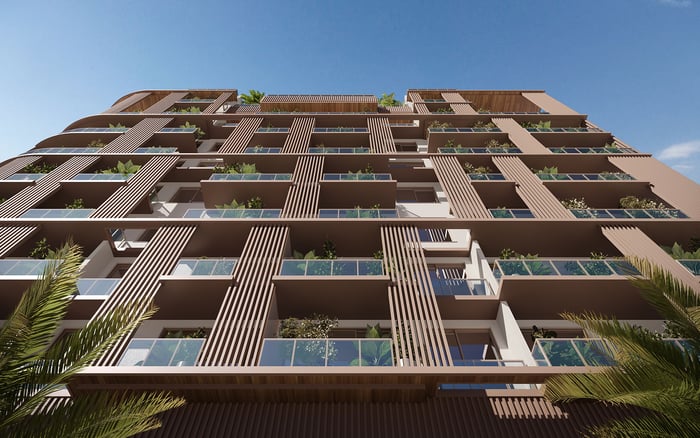
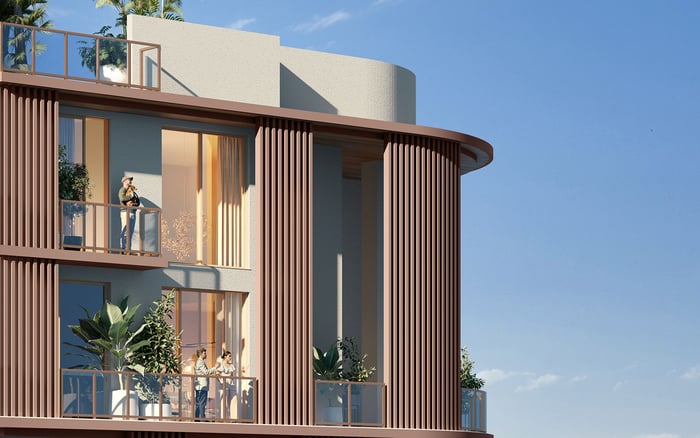
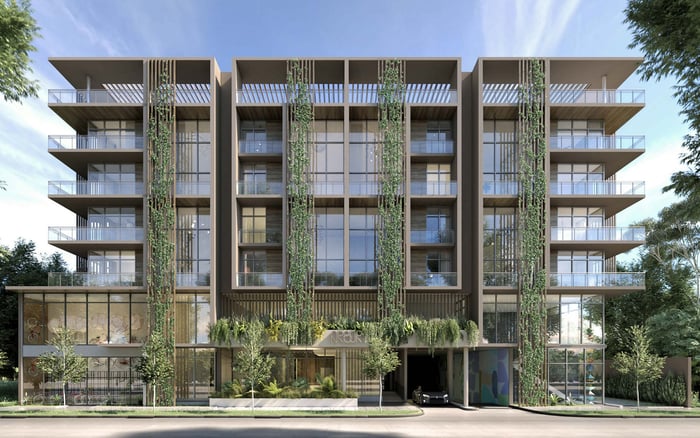
A discreet 2026 buyer framework for comparing The Lincoln Coconut Grove and Mr. C Tigertail Coconut Grove through construction quality, façade stewardship, reserve visibility, and long-term ownership risk.
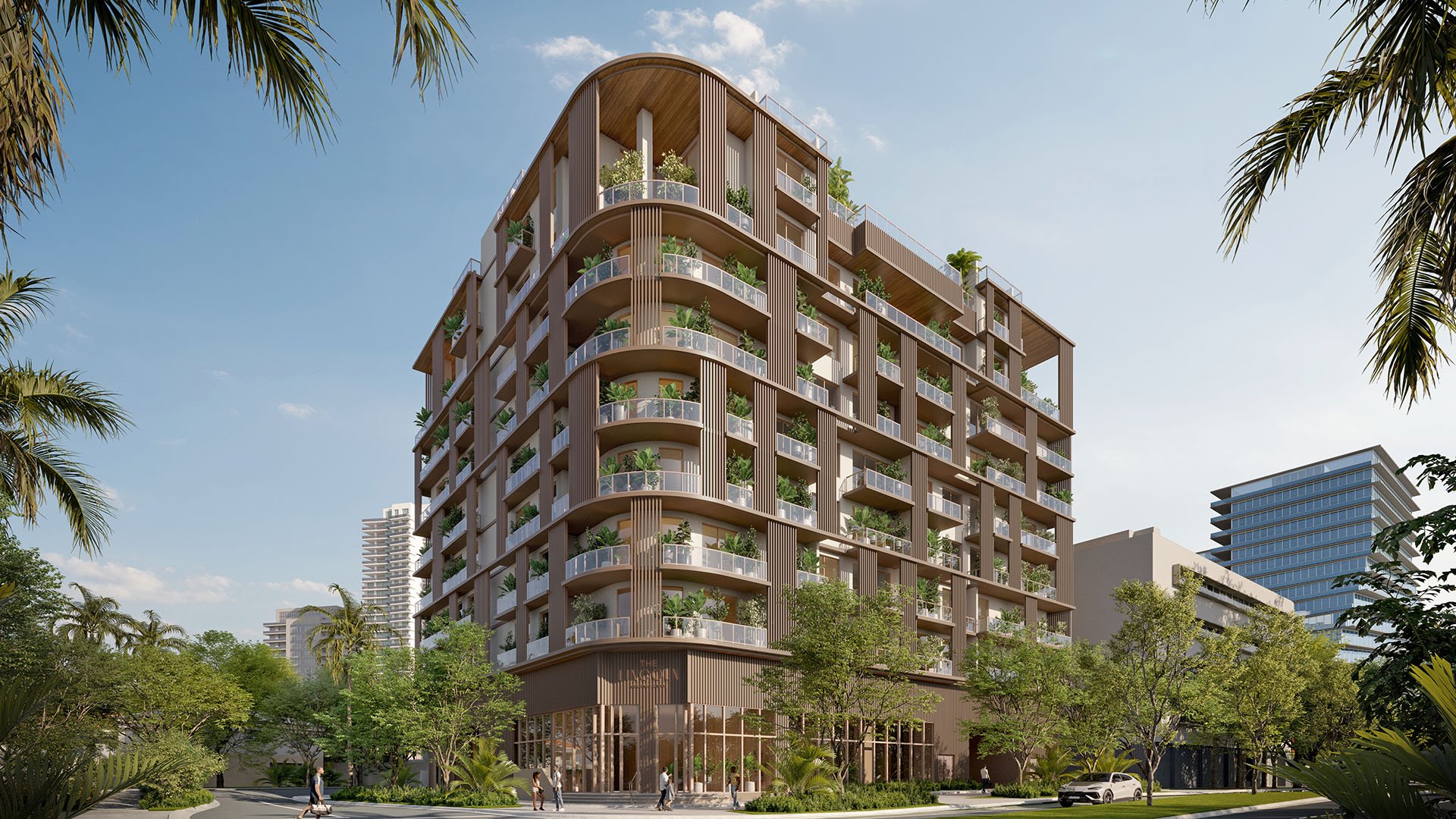
For ultra-premium buyers, the question is no longer simply whether a residence feels beautiful on a private tour. The sharper 2026 question is whether the building will remain graceful, legible, and financially disciplined after the first wave of ownership has passed. That is the useful lens for considering The Lincoln Coconut Grove or Mr. C Tigertail Coconut Grove: not as a beauty contest, but as a test of construction quality, façade maintenance, and replacement-reserve visibility.
Coconut Grove has always rewarded nuance. Its luxury market is not purely skyline-driven, nor is it only about waterfront theater. Buyers here often prize privacy, scale, tree canopy, terraces, walkability, and a certain residential calm. That makes the physical stewardship of a building especially important. A façade that ages poorly can compromise the discretion that made the address desirable. A reserve plan that is thin, vague, or difficult to interpret can turn an elegant purchase into a future negotiation over assessments.
This is a Coconut Grove, new-construction, boutique, and terrace conversation in the most practical sense. The buyer who asks better questions before contract often owns with greater confidence after closing.
Sales galleries are designed to convey aspiration. Due diligence is designed to reveal durability. A serious buyer should separate visible finish from underlying execution: waterproofing, window and door systems, balcony drainage, mechanical coordination, garage protection, roof assemblies, and the building’s approach to salt air, humidity, and wind exposure.
At this level, “quality” should not be treated as a mood. It should be documented. Buyers should request available specifications, warranty information, maintenance protocols, turnover materials, and any disclosures that describe what owners will inherit. If a project team can explain the practical logic behind materials and systems, that clarity is more valuable than a long list of branded surfaces.
The comparison between The Lincoln Coconut Grove and Mr. C Tigertail Coconut Grove should therefore begin with the questions that rarely appear in a rendering: What components require scheduled inspection? Which items are owner-responsibility versus association-responsibility? How accessible are critical systems for maintenance? What elements are likely to be costly to replace in a coastal climate?
In South Florida, the exterior envelope is not decorative. It is the building’s first financial defense. Glass, railings, stucco, stone, metal, sealants, exposed balcony edges, planters, and rooftop elements all carry maintenance implications. The more intricate the architecture, the more important the maintenance map becomes.
A buyer comparing Four Seasons Residences Coconut Grove, Park Grove Coconut Grove, and newer Grove alternatives will quickly see how much value the market places on a building that feels composed over time. The same principle applies to any next purchase: architectural identity matters, but maintainability preserves that identity.
Before choosing between The Lincoln and Mr. C Tigertail, ask for clarity on façade access, cleaning schedules, sealant inspection cycles, balcony and terrace maintenance responsibilities, and the association’s anticipated approach to periodic exterior work. If terraces are central to the lifestyle promise, understand drainage, surface maintenance, railing care, and planter responsibility before assigning a premium to outdoor space.
A beautiful façade with an opaque maintenance plan is not necessarily a problem, but it is an open question. A beautiful façade with a clear maintenance plan is a stronger ownership proposition.
Replacement reserves are not glamorous. They are, however, one of the clearest indicators of how a building expects to age. For a 2026 buyer, the goal is not merely to know the current monthly carrying cost. The goal is to understand whether the association is preparing for the future cost of major components.
Reserve visibility should include the categories being funded, the expected timing of replacement, the assumptions behind the funding plan, and the relationship between reserves and insurance, maintenance, and potential special assessments. A buyer does not need to predict every future expense. A buyer does need to know whether the building’s financial culture is transparent.
This is where a polished amenity narrative can distract from the deeper question. Pools, lounges, fitness rooms, entries, elevators, mechanical systems, roofs, waterproofing, and exterior elements all age. If the documents are difficult to read, buyers should ask for professional help before treating low carrying costs as a permanent advantage.
For Grove buyers also considering wellness-forward or highly amenitized residences such as The Well Coconut Grove, the same discipline applies. Amenities can enrich daily life, but the long-term value test is whether they are supported by realistic maintenance and replacement planning.
The buyer inclined toward The Lincoln Coconut Grove may be seeking a particular expression of privacy, scale, design language, or neighborhood fit. The buyer drawn to Mr. C Tigertail Coconut Grove may be responding to a different lifestyle sensibility, service expectation, or brand atmosphere. Those preferences are legitimate. Luxury real estate is not bought by spreadsheet alone.
Still, the final decision should not rest on ambiance. If two residences both satisfy the emotional brief, the better purchase is often the one with cleaner construction answers, clearer façade obligations, and stronger reserve transparency. A residence can be redesigned. A building’s capital structure is much harder for one owner to correct.
The most sophisticated buyers tend to think in layers. First, does the residence suit the way they actually live? Second, does the building have the physical logic to age well? Third, does the association have the financial discipline to protect owners from avoidable uncertainty? If a project answers all three, it deserves a closer look.
Before contract, ask for the condominium documents, current budget, reserve information, insurance disclosures, maintenance obligations, warranty materials, and any available building-system summaries. Have a qualified attorney, inspector, and financial adviser review the package in context.
Then focus on specificity. Who maintains terrace surfaces? Who repairs sliding-door systems? How are façade inspections handled? What is the plan for major components? Are reserve assumptions current and intelligible? How will shared amenities be maintained as usage patterns mature?
Finally, compare answers, not adjectives. “Luxury” is the baseline in this segment. The differentiator is whether the building can explain its own future.
Is The Lincoln Coconut Grove or Mr. C Tigertail Coconut Grove the better 2026 buy? The better buy is the one with stronger document clarity, construction answers, façade planning, and reserve visibility for your specific ownership horizon.
Should I prioritize finishes or building systems? Finishes shape the first impression, but building systems shape long-term ownership risk. At this price level, both deserve careful review.
Why does façade maintenance matter so much in Coconut Grove? South Florida buildings face humidity, rain, wind, and salt-air exposure. Exterior maintenance protects both appearance and capital value.
What reserve documents should I request? Ask for the budget, reserve schedule, reserve study if available, and explanations of major component funding. Review them before assuming carrying costs are stable.
Are lower monthly fees always better? Not necessarily. Low fees can be attractive, but only if reserves and maintenance planning are sufficient for the building’s real obligations.
How should I evaluate terraces? Confirm drainage, waterproofing responsibility, surface maintenance, railing care, and any limits on furnishings or planters. Terraces can be valuable but require clarity.
Can brand or design overcome weak reserves? Brand and design can support desirability, but weak financial planning can still create future assessment risk. Documentation should support the lifestyle promise.
Who should review the condominium documents? Use counsel familiar with Florida condominium purchases, plus building and financial advisers when appropriate. Luxury buyers benefit from specialist review.
Is a boutique building easier to maintain? Not automatically. Smaller scale can feel private, but maintenance depends on design complexity, systems, governance, and reserve discipline.
What is the best way to shortlist comparable options for touring? Start with location fit, delivery status, and daily lifestyle priorities, then compare stacks and elevations to validate views and privacy.
For a discreet conversation and a curated building-by-building shortlist, connect with MILLION.
If branded residences are on your mind — as a home or as an allocation — we would be glad to share what we are seeing, privately.
Begin a quiet conversation