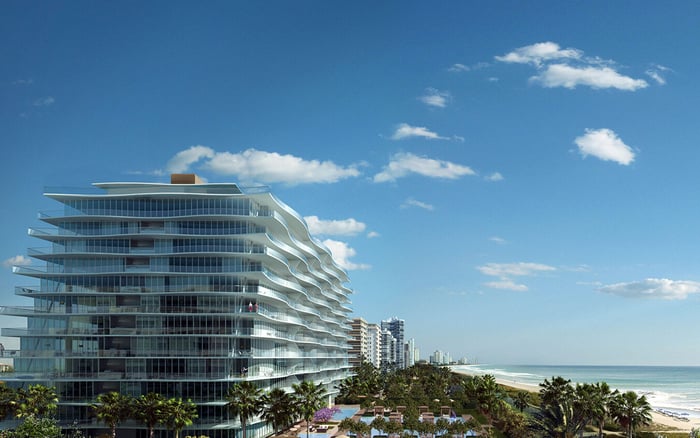
A discreet guide to how domestic and foreign buyers may approach the final stages of purchasing a South Florida luxury condo, from title and banking to lifestyle fit and long-term ownership.
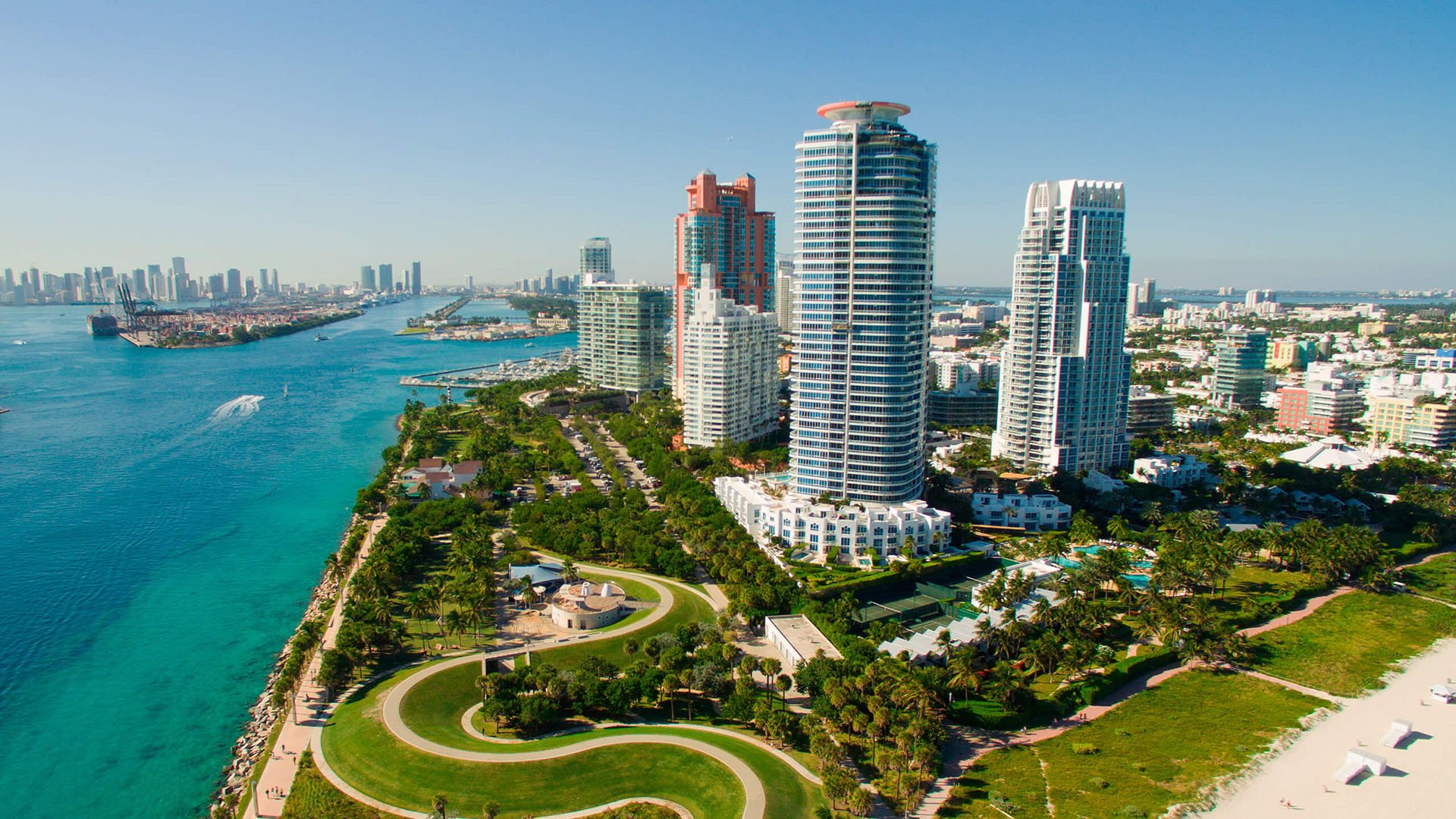
In South Florida luxury condominiums, the contract may capture the price, but the closing process reveals the buyer. Domestic and foreign purchasers can be drawn to the same architecture, the same water views, and the same discreet service culture, yet arrive at closing with different questions, concerns, and definitions of certainty.
The distinction is not about sophistication. Many foreign buyers are experienced global property owners, and many domestic buyers approach a condominium purchase with rigorous financial and legal guidance. The difference is usually practical. A domestic buyer may be weighing daily convenience, tax residence, family access, insurance expectations, and the handoff from one U.S. property to another. A foreign buyer may be coordinating currency movement, documentation, banking relationships, international counsel, and approvals across time zones.
For the ultra-premium buyer, the best closing is not dramatic. It is quiet, choreographed, and anticipated. Whether the residence is in Brickell, Miami Beach, Sunny Isles, Fort Lauderdale, or Palm Beach, the strongest position is built well before the final signature.
Domestic buyers frequently treat closing as the beginning of actual ownership, not the end of negotiation. Their questions often become intensely operational. How quickly can the residence be occupied? What needs to be transferred, scheduled, insured, staffed, furnished, or customized? If the purchase is part of a broader move, the buyer may also be thinking about school calendars, business travel, club access, pets, vehicles, and family routines.
In new-construction purchases, domestic buyers may place particular emphasis on finish delivery, walk-through standards, punch-list clarity, and the transition from developer control to the owner experience. A buyer considering The Residences at 1428 Brickell, for example, may be drawn to the vertical lifestyle of Brickell, but the closing conversation still turns on practical questions: when life can begin, who coordinates the handover, and how seamless the first month will feel.
For domestic buyers, certainty often means control. The residence must align with how they live now, not simply how it photographs. That can make building governance, parking logistics, service culture, guest policies, pet rules, and renovation parameters feel as important as the view.
Foreign buyers can be equally lifestyle-driven, but closing tends to place more weight on execution risk. The essential question is whether every requirement can be satisfied cleanly from abroad or during a narrow visit to South Florida. Identification, entity structure, bank coordination, notarization, translations where relevant, and funds movement can become decisive parts of the experience.
A foreign buyer may also be comparing South Florida with other global destinations, so the closing process itself becomes part of the luxury proposition. If the transaction feels orderly, transparent, and professionally managed, confidence rises. If expectations change late, or if documentation is requested without context, even a committed buyer may slow down.
This is especially true when the purchase is intended as a second home rather than a primary residence. The owner may spend limited time in the unit each year, which makes property management, building services, security, maintenance access, and communication protocols especially meaningful. At a waterfront address such as The Perigon Miami Beach, the appeal may begin with setting, but confidence at closing depends on whether ownership can be managed elegantly from wherever the buyer happens to be.
In the luxury tier, the distinction between cash and financing can be less revealing than the preparedness behind either path. A domestic buyer may already have a U.S. banking relationship, an established credit history, and advisors familiar with local closing customs. That can make the transaction feel relatively familiar, even if the residence itself is exceptional.
Foreign buyers may have substantial liquidity but still face a more layered path. Funds may need to move between jurisdictions. Bank compliance questions may require time. Entity documents may need review. Advisors in more than one country may need to coordinate before the buyer is comfortable releasing funds.
This is why early planning matters. A foreign buyer who has organized banking, legal representation, and ownership structure before contract execution can often feel more prepared than a domestic buyer who assumes familiarity will solve everything. In luxury closings, wealth is not the same as readiness.
South Florida is not one market in lifestyle terms. Brickell speaks to a buyer who wants vertical energy, restaurants, offices, private elevators, and a polished urban cadence. Miami Beach may feel more resort-like, design-oriented, and emotionally tied to light, privacy, and shoreline access. Sunny Isles often enters the conversation for buyers who want height, views, and a more residential oceanfront rhythm. Palm Beach and Boca Raton may appeal to those seeking a quieter expression of luxury, with an emphasis on discretion and daily ease.
For a foreign buyer, the neighborhood may be evaluated through access, recognizability, lock-and-leave practicality, and long-term family use. For a domestic buyer, it may be evaluated through commute patterns, weekend rituals, social circles, and the friction of daily life.
A buyer comparing Bentley Residences Sunny Isles with a more urban Brickell address is not merely comparing buildings. The buyer is choosing a rhythm. Oceanfront living offers a different emotional promise than city living, and that distinction becomes sharper as closing approaches.
Despite different priorities, the most successful buyers tend to ask similar questions before the final stage. They want to know how the building operates, what approvals are needed, how funds must be delivered, what insurance obligations apply, which documents must be signed, and who is responsible for every handoff after closing.
Investment considerations also deserve early attention. Some buyers care primarily about personal use, while others want optionality over time. That does not mean every luxury condominium should be treated as a yield instrument. It means the buyer should understand whether the building’s rules, ownership structure, rental limitations, and service model support the intended strategy.
In West Palm Beach, for instance, a buyer studying The Ritz-Carlton Residences® West Palm Beach may be focused on a refined residential base with a different pace from Miami. The closing priorities will follow that intention: privacy, simplicity, service, and confidence that the residence will be ready when life calls for it.
At the start of a purchase, taste dominates. At closing, coordination does. The right advisory team helps convert a desired residence into a usable asset without unnecessary tension. Domestic buyers benefit from advisors who do not assume every local step is obvious. Foreign buyers benefit from advisors who can translate local expectations into a clear sequence of action.
The best closing preparation is concise: confirm who signs, how they sign, where funds originate, when funds arrive, what approvals are pending, what insurance is required, what walk-through standards apply, and what happens the day after closing. None of this diminishes the romance of the purchase. It protects it.
Do domestic and foreign buyers want different luxury condos? Sometimes, but the larger difference often appears in closing priorities, advisor coordination, and ownership logistics.
What do domestic buyers usually focus on near closing? They often focus on occupancy timing, daily convenience, insurance, building rules, and how quickly the residence can function as intended.
What do foreign buyers usually focus on near closing? They may focus on documentation, funds transfer, signing logistics, ownership structure, and the ability to manage the property from abroad.
Is cash always simpler for foreign buyers? Not automatically. Cash can simplify financing, but funds movement, banking review, and documentation still require early planning.
Should buyers decide on ownership structure before contract signing? Yes. Ownership structure can affect documentation, timing, and legal review, so it should be addressed early with qualified advisors.
Does neighborhood choice affect closing priorities? Yes. A Brickell buyer may emphasize urban convenience, while an oceanfront buyer may focus more on privacy, access, and service.
Are new-construction closings different from resale closings? They can be. Buyers should pay close attention to delivery standards, walk-through expectations, association transition, and timing.
Can a luxury condo work well as a second home? Yes, if the building’s service culture, access procedures, management standards, and owner communication support that use case.
What is the biggest closing mistake for affluent buyers? Assuming that liquidity alone guarantees a smooth closing. Preparation, documentation, and coordination are just as important.
When should a buyer assemble the advisory team? Before serious negotiation. The earlier the team is aligned, the less likely closing becomes reactive.
When you're ready to tour or underwrite the options, connect with MILLION.
If branded residences are on your mind — as a home or as an allocation — we would be glad to share what we are seeing, privately.
Begin a quiet conversation
.jpg&width=700&height=438&fit=cover)